Health

Understanding Port-Wine Stain Birthmarks: Causes, Changes, Treatment Options, and Emotional Support

04 01, 2026 -  By Carbonatix

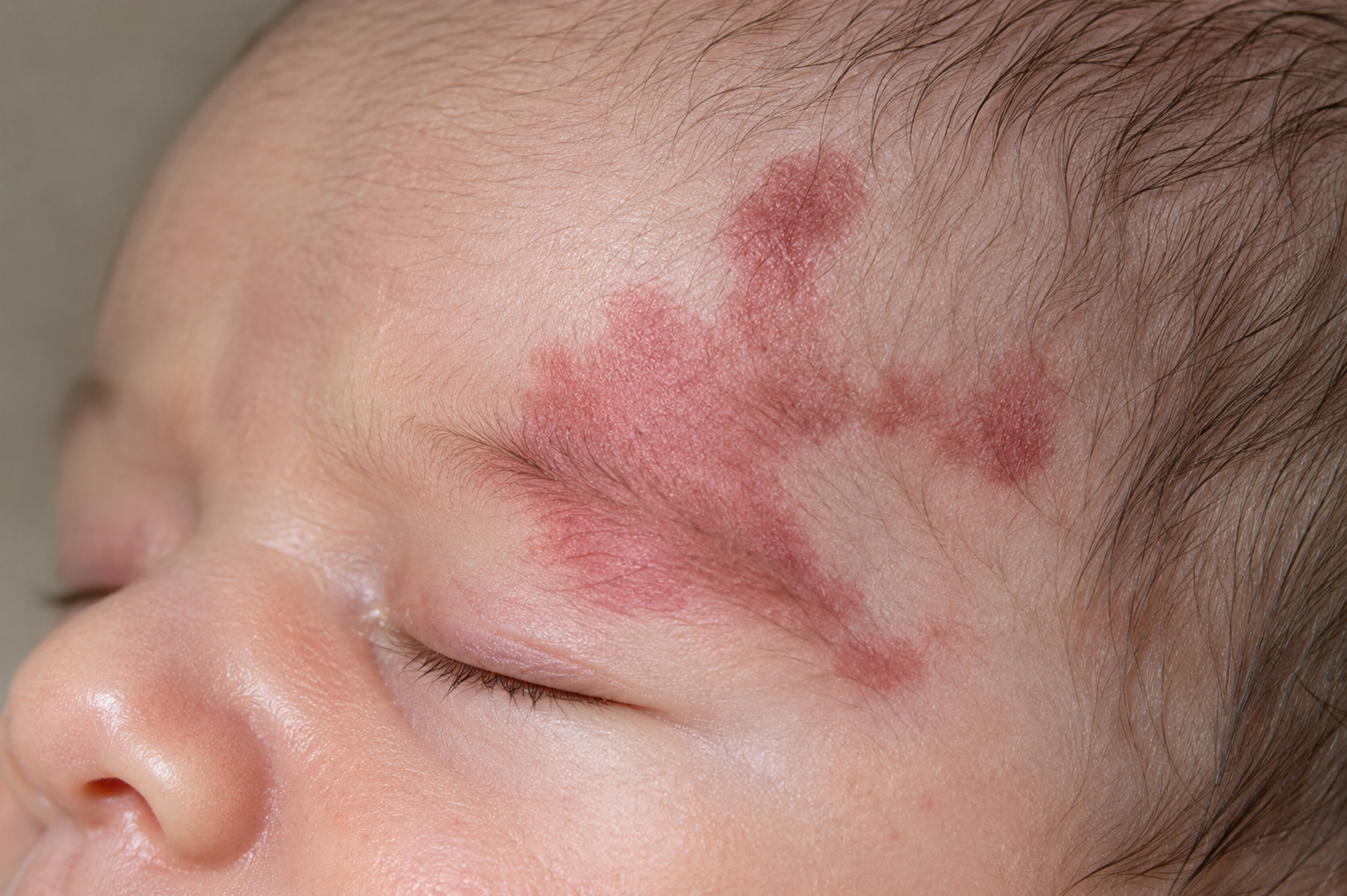
A port-wine stain is a type of vascular birthmark caused by widened tiny blood vessels in the skin. It usually appears at birth as a flat pink, red, or purple patch and can occur anywhere on the body, though it is often seen on the face, head, arms, or legs. Unlike some birthmarks that fade with time, port-wine stains are usually permanent and may darken, thicken, or develop a bumpy texture as a child grows. Most are not dangerous, but marks near the eye, eyelid, forehead, or large areas of the face should be checked by a doctor because they may be linked to eye pressure problems or rare conditions such as Sturge-Weber syndrome. Laser treatment may help lighten the mark, while emotional support can help children feel confident and accepted.

Traveler’s Diarrhea: Quick Remedies, Prevention Tips, and When to Seek Medical Help

03 29, 2026 -  By Carbonatix

Traveler’s diarrhea is a common intestinal infection that can happen when people eat or drink contaminated food or water while traveling. It is more likely in destinations where food handling, water treatment, climate, and sanitation practices differ from what your body is used to. Most cases improve within a few days, but symptoms such as watery diarrhea, urgent bathroom trips, cramps, nausea, fever, fatigue, and dehydration can quickly disrupt a trip. The most important remedy is replacing fluids and minerals with safe water and oral rehydration solution. Over-the-counter medicines may help some travelers, but fever, bloody stool, severe dehydration, persistent symptoms, pregnancy, young children, older age, or chronic illness should prompt medical advice.

Ear Infections in Children: Causes, Symptoms, Treatment, Prevention, and When to Worry

03 22, 2026 -  By Carbonatix

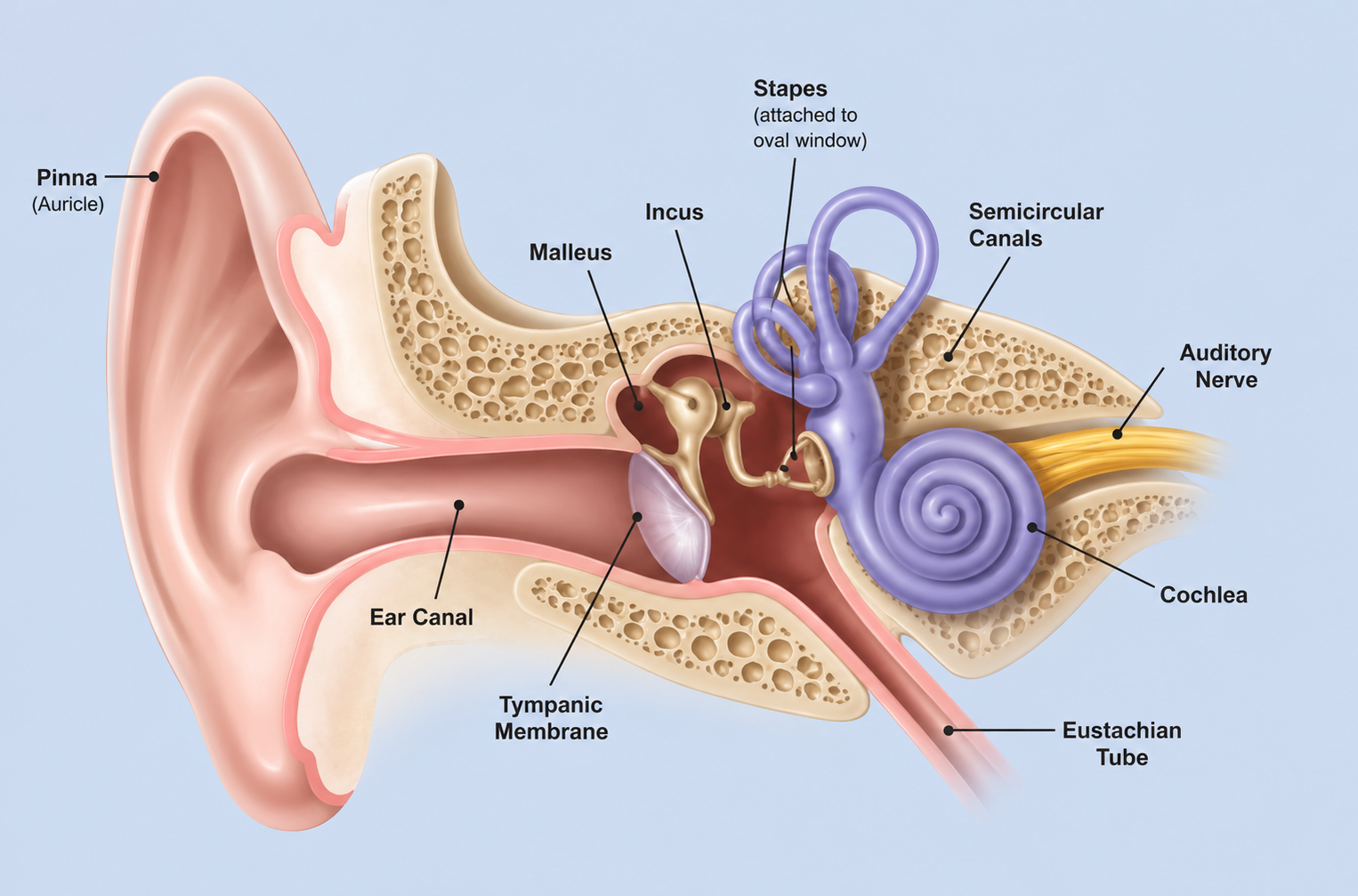
Ear infections, also called acute otitis media, are very common in babies and young children. They happen when the middle ear, the small space behind the eardrum, becomes inflamed and filled with fluid or germs. Children are more prone to ear infections because their eustachian tubes are smaller, softer, and easier to block. Common triggers include colds, flu, allergies, sinus drainage, enlarged tonsils, smoke exposure, daycare germs, and bacterial infection after a virus. Symptoms may include ear pain, fever, trouble sleeping, crying while feeding, vomiting, diarrhea, temporary hearing difficulty, or pulling at the ear. Some infections clear without antibiotics, while others may need medicine. Prevention focuses on vaccines, handwashing, avoiding tobacco smoke, breastfeeding when possible, safe bottle-feeding positions, and reducing exposure to respiratory infections.

Blood Thinner Basics: Types, Benefits, Side Effects, Safety Tips, and What Patients Should Know

03 18, 2026 -  By Carbonatix

Blood thinners are medicines that help prevent dangerous blood clots from forming or getting larger. They are often prescribed for people with atrial fibrillation, previous heart attack or stroke, blood clotting disorders, heart valve procedures, or a higher risk of deep vein thrombosis and pulmonary embolism. Although these medicines can be lifesaving, they also increase the risk of bleeding. This guide explains the main types of blood thinners, how they work, why doctors prescribe them, possible side effects, food and medication interactions, alcohol safety, pregnancy considerations, warning signs, and everyday habits that can help patients use them more safely.

Kawasaki Disease in Children: Symptoms, Treatment, Heart Risks, and Recovery

03 16, 2026 -  By Carbonatix

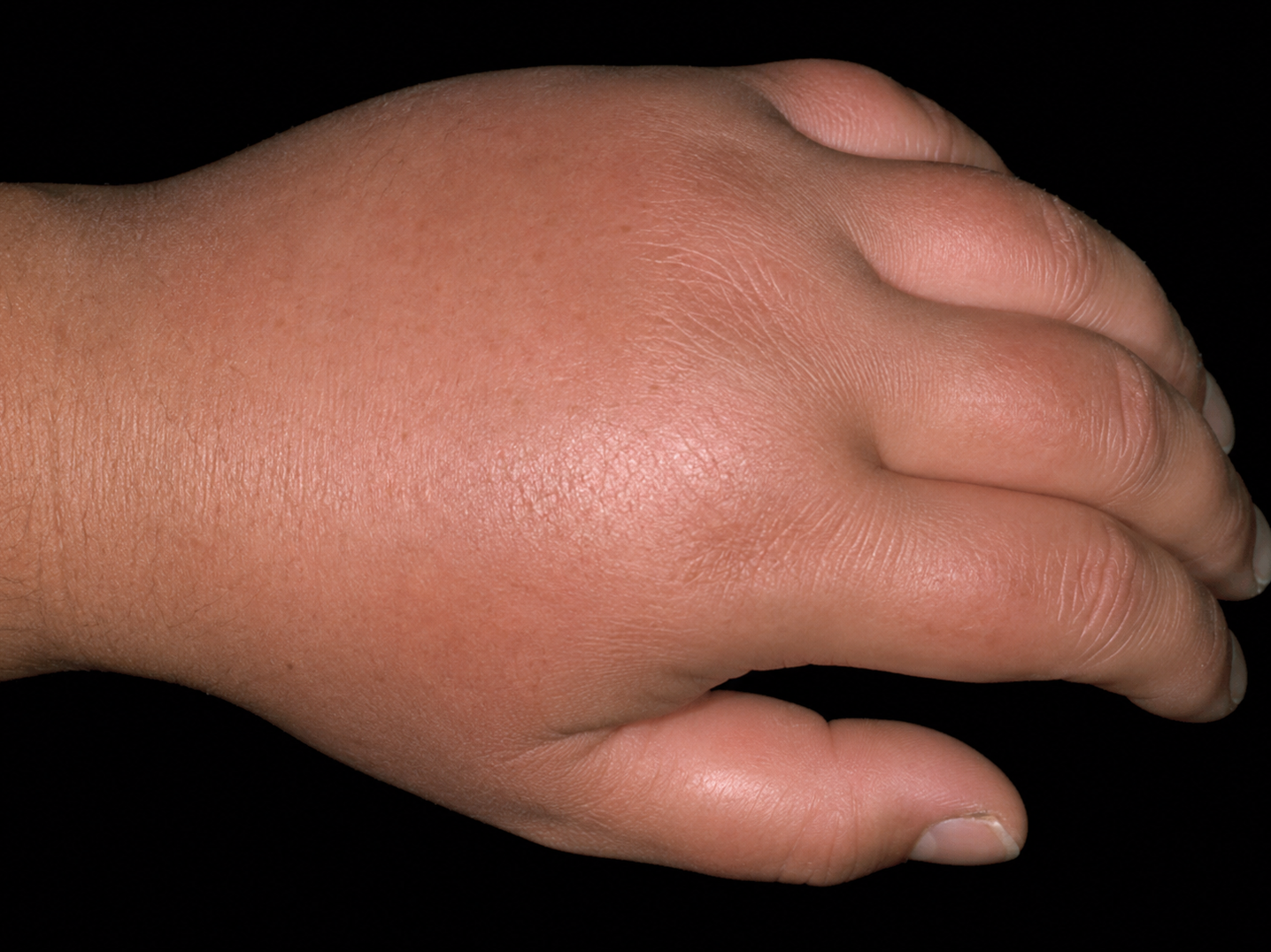
Kawasaki disease is a childhood illness that causes inflammation in blood vessels throughout the body. It most often affects children under age 5 and can cause fever, rash, red eyes, swollen hands and feet, cracked lips, a red “strawberry tongue,” swollen lymph nodes, stomach symptoms, and peeling skin. The biggest medical concern is inflammation of the coronary arteries, which supply blood to the heart. When Kawasaki disease is recognized early and treated in the hospital with intravenous immunoglobulin and doctor-directed aspirin therapy, most children recover well. This guide explains the symptoms, causes, risk factors, diagnosis, treatment, complications, follow-up care, and when parents should seek urgent medical help.

Salmonella Infection: Symptoms, Causes, Food Risks, Treatment, Recovery, and Prevention

03 14, 2026 -  By Carbonatix

Salmonella is a type of bacteria that can cause a foodborne illness called salmonellosis. People usually get infected after eating contaminated foods such as undercooked poultry, eggs, meat, unpasteurized dairy products, raw produce, or processed foods exposed to contamination. It can also spread through contact with infected animals, especially reptiles, birds, and some household pets. Common symptoms include diarrhea, stomach cramps, fever, chills, nausea, vomiting, headache, and sometimes bloody stool. Most healthy people recover at home within 3 to 7 days, but young children, older adults, pregnant people, and those with weakened immune systems may face a higher risk of dehydration or serious complications. Treatment usually focuses on fluids and electrolytes, while antibiotics may be needed for severe or high-risk cases. Safe food handling, proper cooking, handwashing, and avoiding cross-contamination are the best ways to reduce risk.

Understanding Bedwetting in Children: Causes, Types, Treatment, and When to See a Doctor

03 13, 2026 -  By Carbonatix

Bedwetting, also called nocturnal enuresis, happens when a child accidentally urinates during sleep. It is common in childhood and is usually not a sign that a child is lazy, careless, or misbehaving. In many cases, children simply need more time for their bladder, sleep patterns, and nighttime awareness to mature. Still, bedwetting can be frustrating and embarrassing, especially for older children. This guide explains the main types of bedwetting, common causes, emotional effects, home management strategies, medical treatment options, and warning signs that should prompt a visit to the pediatrician.

Understanding Amyotrophic Lateral Sclerosis (ALS): Symptoms, Types, Diagnosis, Treatment, and Daily Care

03 01, 2026 -  By Carbonatix

Amyotrophic Lateral Sclerosis, commonly known as ALS, is a progressive neurological disease that damages the motor neurons responsible for voluntary movement. As these nerve cells stop working, muscles gradually weaken, shrink, and lose function, making it harder to walk, speak, swallow, and eventually breathe. ALS can appear in sporadic or familial forms, and while there is currently no cure, medications, respiratory support, nutrition planning, physical therapy, communication tools, and multidisciplinary care can help improve comfort, independence, and quality of life. This guide explains what ALS is, how symptoms develop, how doctors diagnose it, what treatment options exist, and how patients and caregivers can prepare for the changes ahead.

Low Blood Pressure: Causes, Symptoms, Types, Diagnosis, Treatment, Complications, and When to Seek Help

02 22, 2026 -  By Carbonatix

Low blood pressure, also called hypotension, happens when blood pressure is much lower than expected. Doctors often consider a reading below 90/60 mmHg to be low. For some healthy people, low blood pressure causes no symptoms and may not require treatment. But when blood pressure drops suddenly or becomes too low to supply enough blood to the brain, heart, and other organs, it can lead to dizziness, fainting, blurry vision, weakness, confusion, cold clammy skin, rapid breathing, shock, or falls. Causes can include dehydration, pregnancy, medications, heart problems, hormone disorders, blood loss, severe infection, allergic reaction, anemia, heat illness, and nervous system problems. Treatment depends on the cause and may involve fluids, diet changes, medication review, compression stockings, careful standing habits, or prescription medicines such as fludrocortisone or midodrine.

Understanding Cluster Headaches: Symptoms, Triggers, Types, Diagnosis, and Treatment Options

02 21, 2026 -  By Carbonatix

Cluster headaches are a rare but extremely painful headache disorder that usually causes sudden, intense pain around one eye or one side of the head. Attacks often come in predictable cycles, sometimes happening at the same time each day for weeks or months. Unlike migraine, cluster headaches are usually shorter but can be more severe, often causing restlessness, pacing, eye redness, tearing, nasal congestion, or eyelid drooping on the affected side. Although cluster headaches are not usually life-threatening and do not cause brain damage, they can seriously disrupt sleep, work, mental health, and daily life. This guide explains symptoms, types, triggers, diagnosis, treatment options, and practical coping strategies.

滚动至顶部