
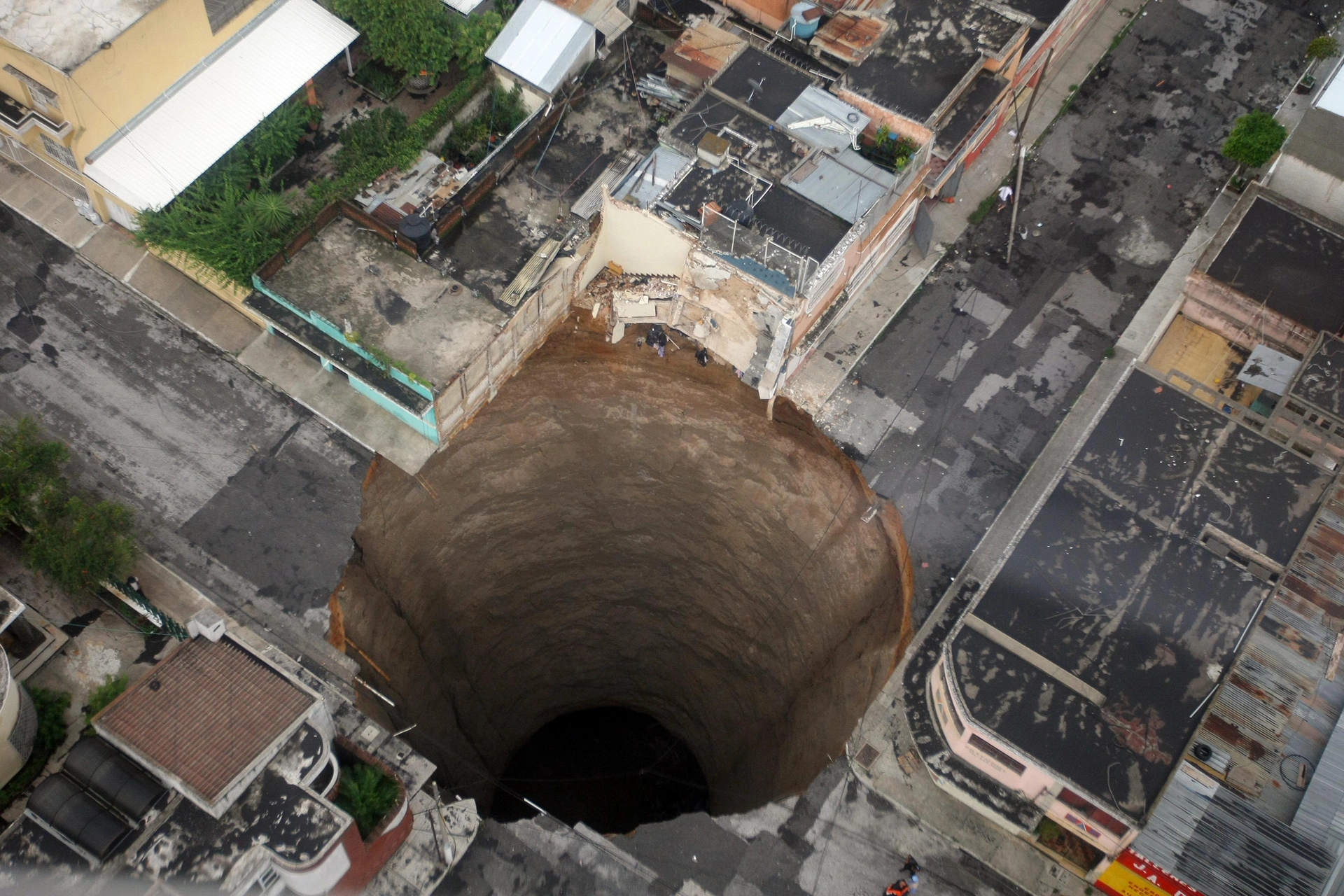
Beneath Our Human Shallows
06 14, 2026 - By Carbonatix
After the Aral Sea V […]
After the Aral Sea V […]
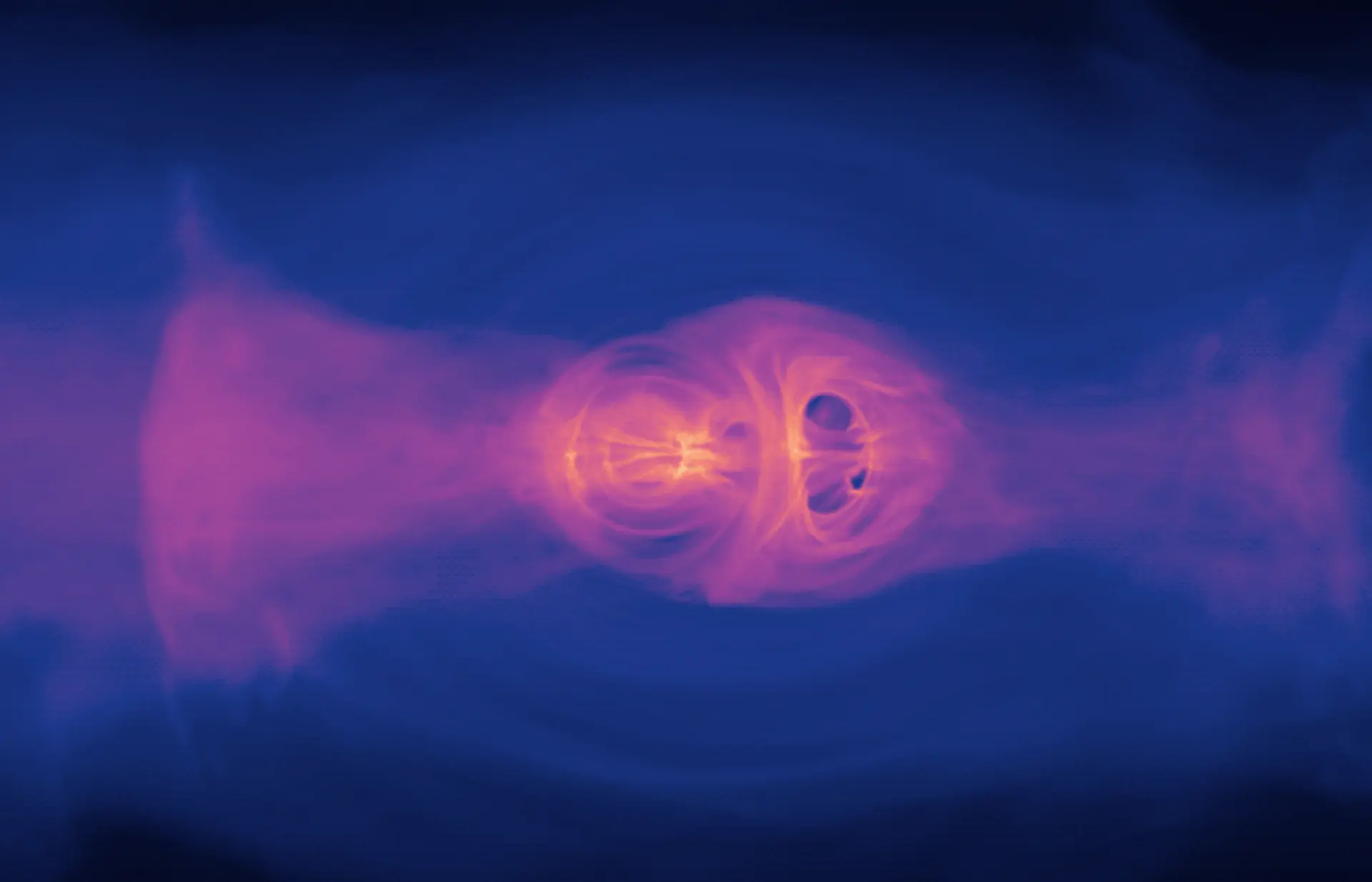
Sergiu Klainerman spent years proving that black holes won’t fly apart; and arguing that maths is not a human invention

Why a Polarised Deba […]

We have grown used t […]
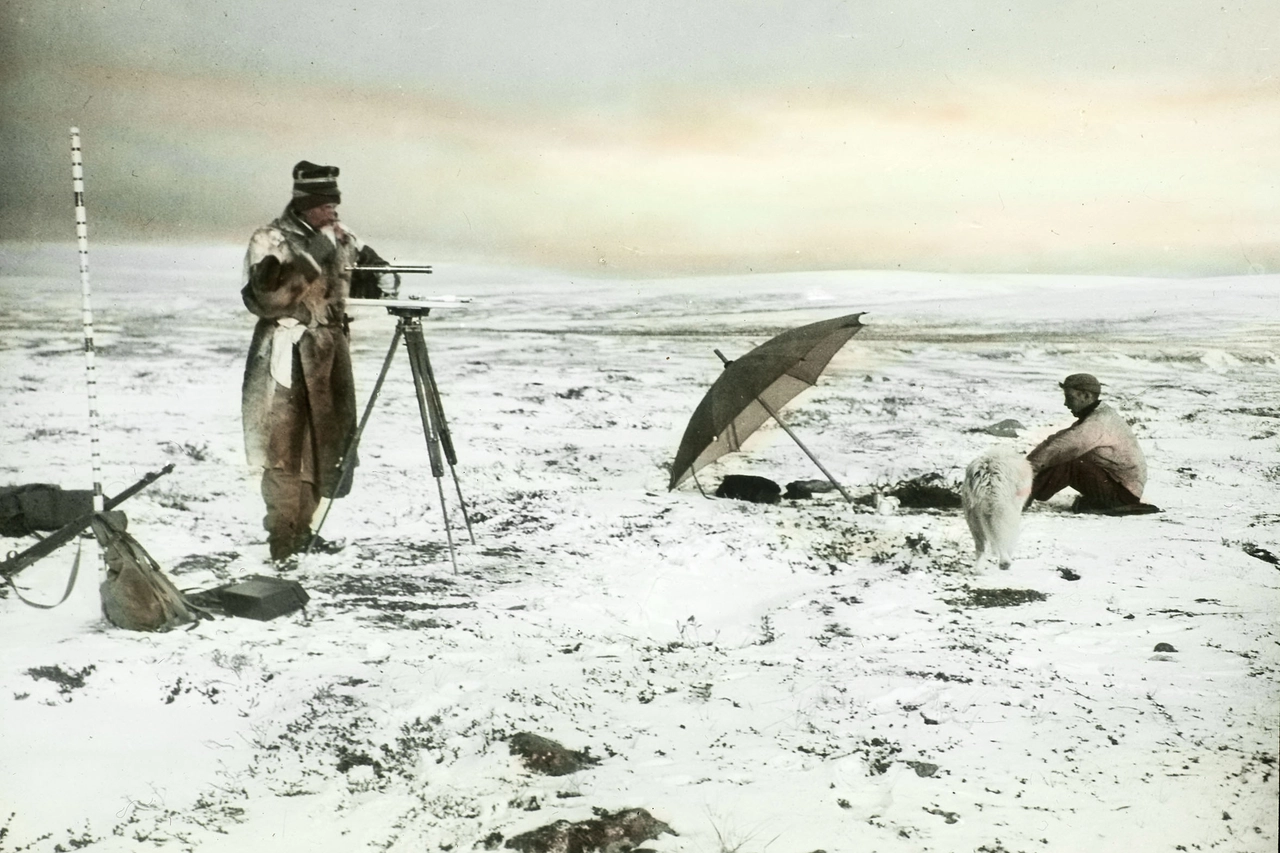
Around 1852, the Swe […]
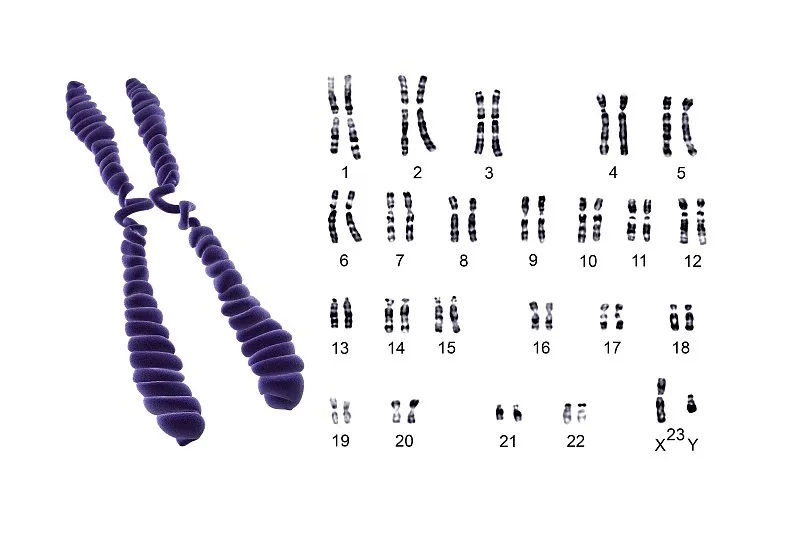
Reproductive isolation is one of the most important ideas in evolutionary biology. It describes the barriers that prevent different populations from successfully exchanging genes. Sometimes organisms cannot meet. Sometimes they meet but do not mate. Sometimes they mate but cannot produce healthy, fertile offspring. These barriers may come from geography, timing, behavior, body structure, cellular compatibility, or genetic differences. Reproductive isolation is not simply about separation. It is the gradual closing of genetic pathways between groups — a process that can eventually lead to the formation of new species. To understand reproductive isolation is to understand why life on Earth is so diverse: why birds sing different songs, flowers attract different pollinators, animals court in different seasons, and nature is not one blended mass, but a living world full of distinct forms, rhythms, and stories.
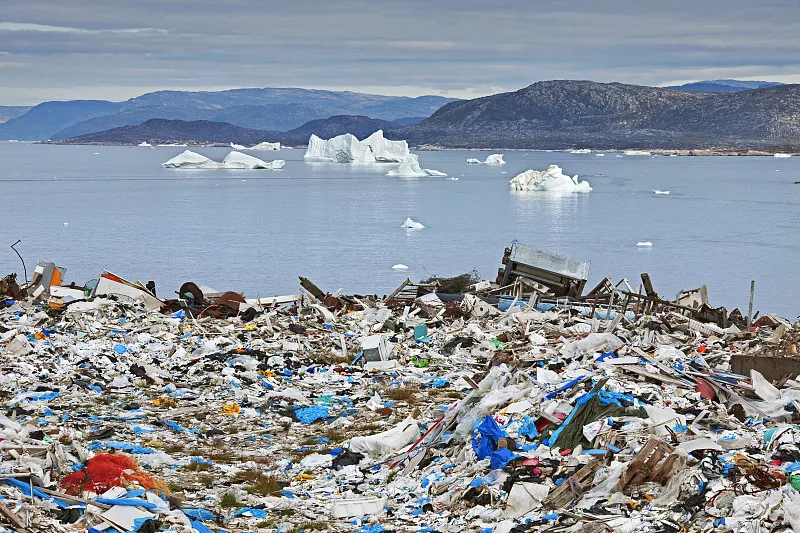
The ocean does not always warn us with storms, waves, or dramatic disasters. Sometimes the warning is quieter: a coral reef turning white, plastic fragments drifting across the surface, microplastics entering fish, or mercury and other pollutants moving through the food chain. Coral bleaching tells us that warming seas are reshaping the foundations of marine ecosystems. Food chain pollution reminds us that what humans release into the ocean may eventually return to our plates in another form. The ocean is not a distant blue background. It is part of the climate system, food security, coastal economies, biodiversity, and human health. When the ocean becomes warmer, more acidic, more polluted, and less alive, it is telling us something simple but difficult to ignore: there is no true “away” on this planet.
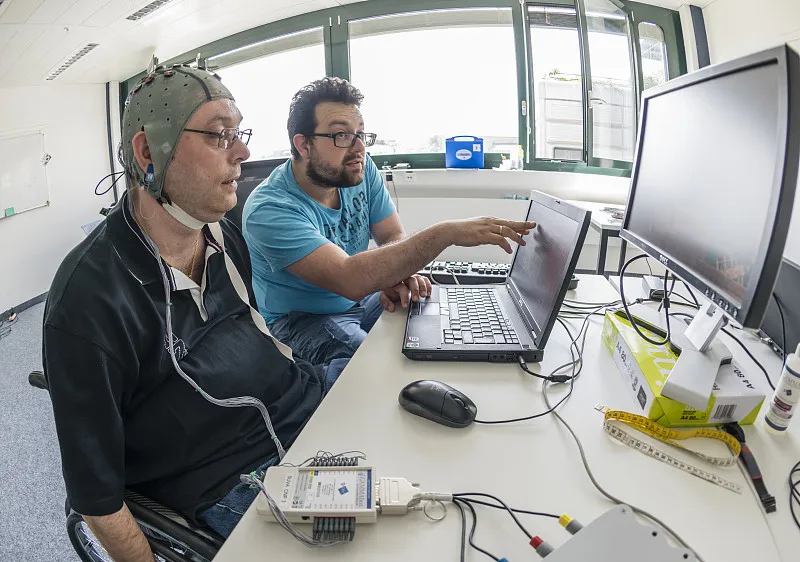
The most moving promise of brain-computer interfaces is that they may help people who have lost movement or speech regain expression, control devices, and reconnect with the world. But their most unsettling possibility is that they may also move closer to a person’s neural activity, attention, emotion, intention, and inner life. A BCI can become a technology of freedom: helping a paralyzed person type, allowing an amputee to control a prosthetic limb, or giving a speech-impaired person a new way to communicate. It can also become a technology of control if brain data is commercialized, monitored, manipulated, or used to score human behavior. BCIs are not naturally liberating or oppressive. Their future depends on who owns the data, who controls access, who writes the rules, and whether society protects mental privacy before the last private territory becomes measurable.
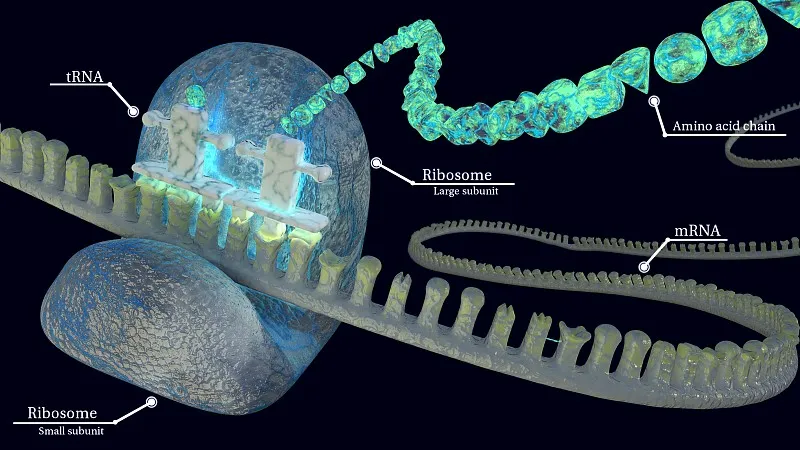
mRNA technology became widely known through COVID-19 vaccines, but its deeper significance is not only about making vaccines faster. It represents a new medical idea: instead of always giving the body a finished drug, scientists can give cells temporary instructions to produce a specific protein. This approach may help train the immune system, replace missing proteins, support cancer immunotherapy, or deliver gene-editing tools. The next stage of mRNA technology is moving from infectious disease vaccines toward cancer treatment, rare diseases, protein replacement, immune engineering, and precision medicine. But the road ahead is not simple. Delivery, safety, immune response, manufacturing cost, long-term effectiveness, and public trust will determine how far this technology can truly go.
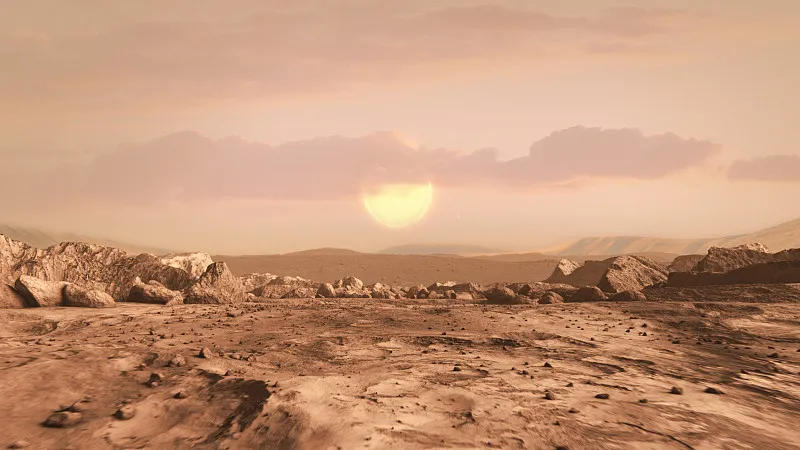
Humans explore Mars not simply because it is relatively close, and not only to prove technological power. Mars is like a distant mirror. It may once have been warmer, wetter, and more suitable for life than it is today. By studying Mars, we can ask whether life exists beyond Earth, understand how planets change over time, and learn more about Earth’s own past and future. Mars exploration also pushes progress in robotics, communication, energy systems, materials, life-support technology, and deep-space operations. Most importantly, Mars represents an old human instinct: the desire to look beyond the visible world and ask whether the universe has another answer waiting for us.