

The prophet in your pocket
06 15, 2026 - By Carbonatix
Things have jobs: pillows are made for comfort, scissors are sharp, and digital devices are made to track your every move
Things have jobs: pillows are made for comfort, scissors are sharp, and digital devices are made to track your every move

GPS tracking systems use satellite signals, receivers, wireless networks, and software platforms to show the location and movement of vehicles, people, equipment, shipments, or valuable assets. They are widely used in fleet management, logistics, personal safety, emergency response, outdoor activities, construction, agriculture, and environmental research. The biggest benefits include real-time visibility, better route planning, improved safety, reduced operating costs, theft recovery, and smarter decision-making. However, GPS tracking also raises important concerns around privacy, consent, data security, accuracy, and misuse. The best approach is to use GPS tracking transparently, protect location data carefully, and choose systems that match a clear and legitimate purpose.
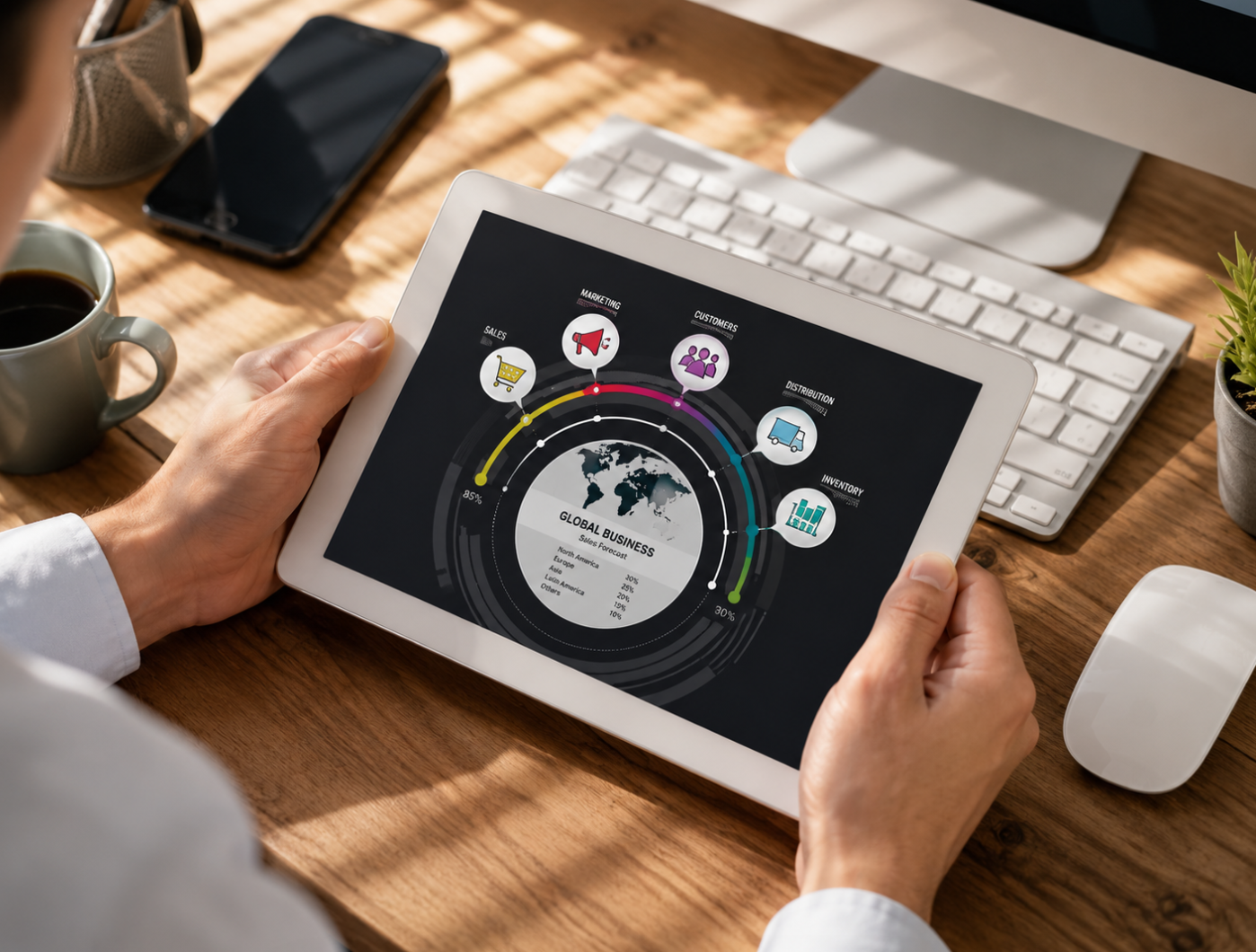
A marketing automation platform helps businesses automate repetitive marketing tasks, manage leads, personalize customer communication, track campaign performance, and improve sales follow-up. Instead of manually sending every email, posting every update, or tracking every customer action by hand, marketers can use automation tools to build workflows that respond to customer behavior. These platforms are commonly used for email campaigns, lead nurturing, customer segmentation, landing pages, social media scheduling, analytics, and CRM integration. The biggest benefits include saving time, improving consistency, increasing engagement, and helping teams focus more on strategy. However, successful marketing automation still requires clear goals, clean customer data, thoughtful messaging, regular testing, and a human understanding of the audience.
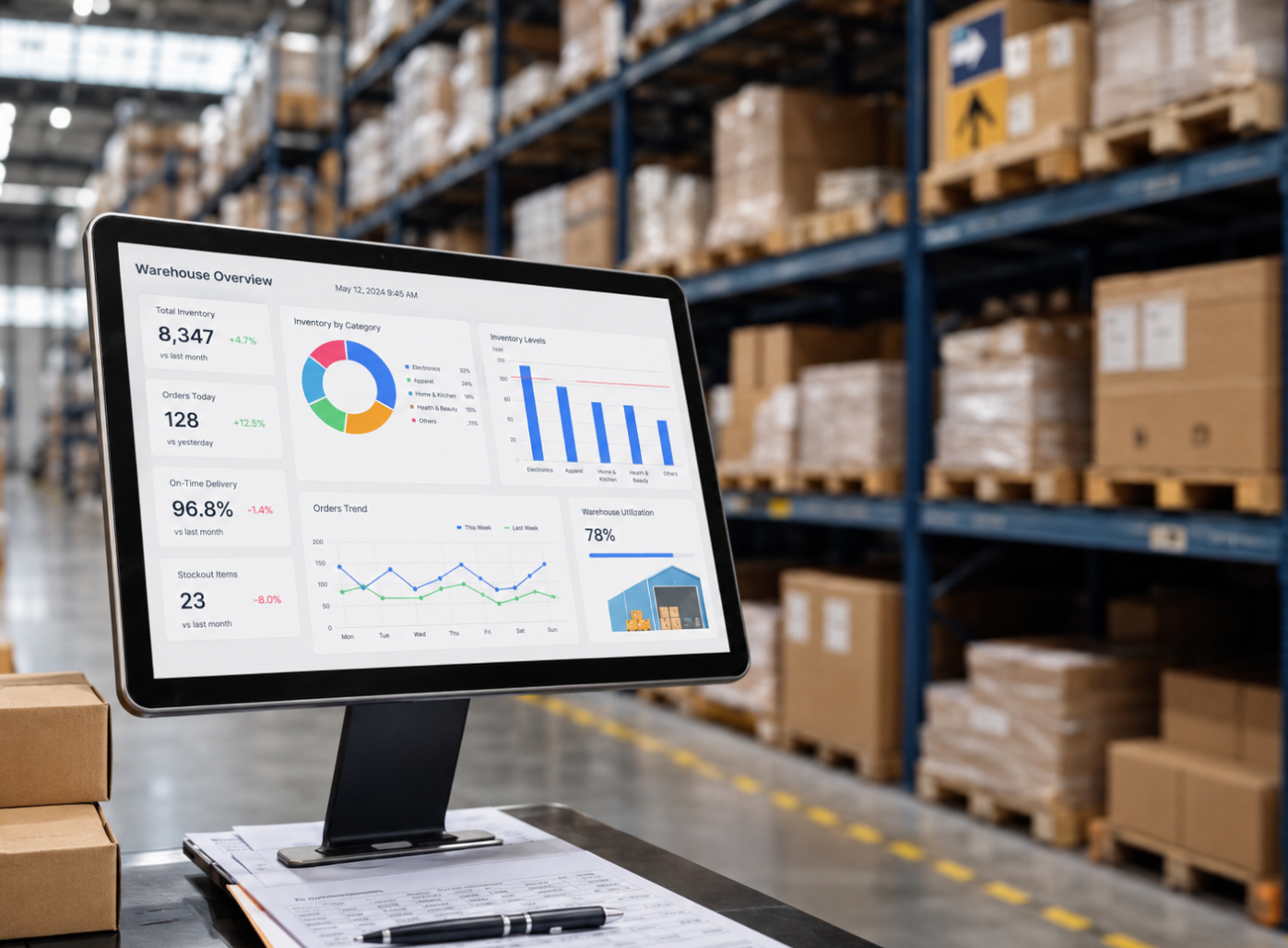
Data analytics is changing how companies source products, select suppliers, forecast demand, manage inventory, and respond to market trends. Instead of relying only on instinct or past experience, businesses can use sales history, customer behavior, supplier performance, pricing data, delivery records, and market signals to make more accurate sourcing decisions. Tools such as Tableau, Microsoft Power BI, cloud analytics platforms, and machine learning models can help teams turn large data sets into useful insights. When used well, data analytics can reduce sourcing risks, prevent overstocking, identify profitable products earlier, improve supplier negotiations, and create a more flexible supply chain. The key is to start with clear goals, clean data, practical tools, and a company culture that supports data-driven decision-making.

Software engineering is the discipline behind the apps, websites, platforms, and digital systems people use every day. It combines programming, design thinking, problem-solving, testing, collaboration, and long-term maintenance to create reliable software. Modern software engineers work with different development methodologies, including Agile, Scrum, Waterfall, and DevOps, depending on project goals and team structure. The software development life cycle helps teams move from requirements to design, development, testing, deployment, and maintenance. As technology evolves, software engineering is also being shaped by artificial intelligence, cloud computing, cybersecurity, automation, low-code platforms, and ethical design. For beginners and professionals alike, understanding software engineering opens the door to diverse career opportunities and a deeper understanding of how digital products are built.

Construction design software helps architects, builders, contractors, interior designers, engineers, and homeowners turn project ideas into clear digital plans. Tools such as AutoCAD, SketchUp, Revit, Chief Architect, and other design platforms can support 2D drafting, 3D modeling, building information modeling, material planning, collaboration, visualization, and project presentation. The right software depends on your project size, technical needs, budget, experience level, and whether you need simple concept visuals or professional construction-ready documents. By using 3D modeling, cloud collaboration, accurate measurements, and organized workflows, construction teams can reduce mistakes, communicate more clearly, and create better project outcomes.
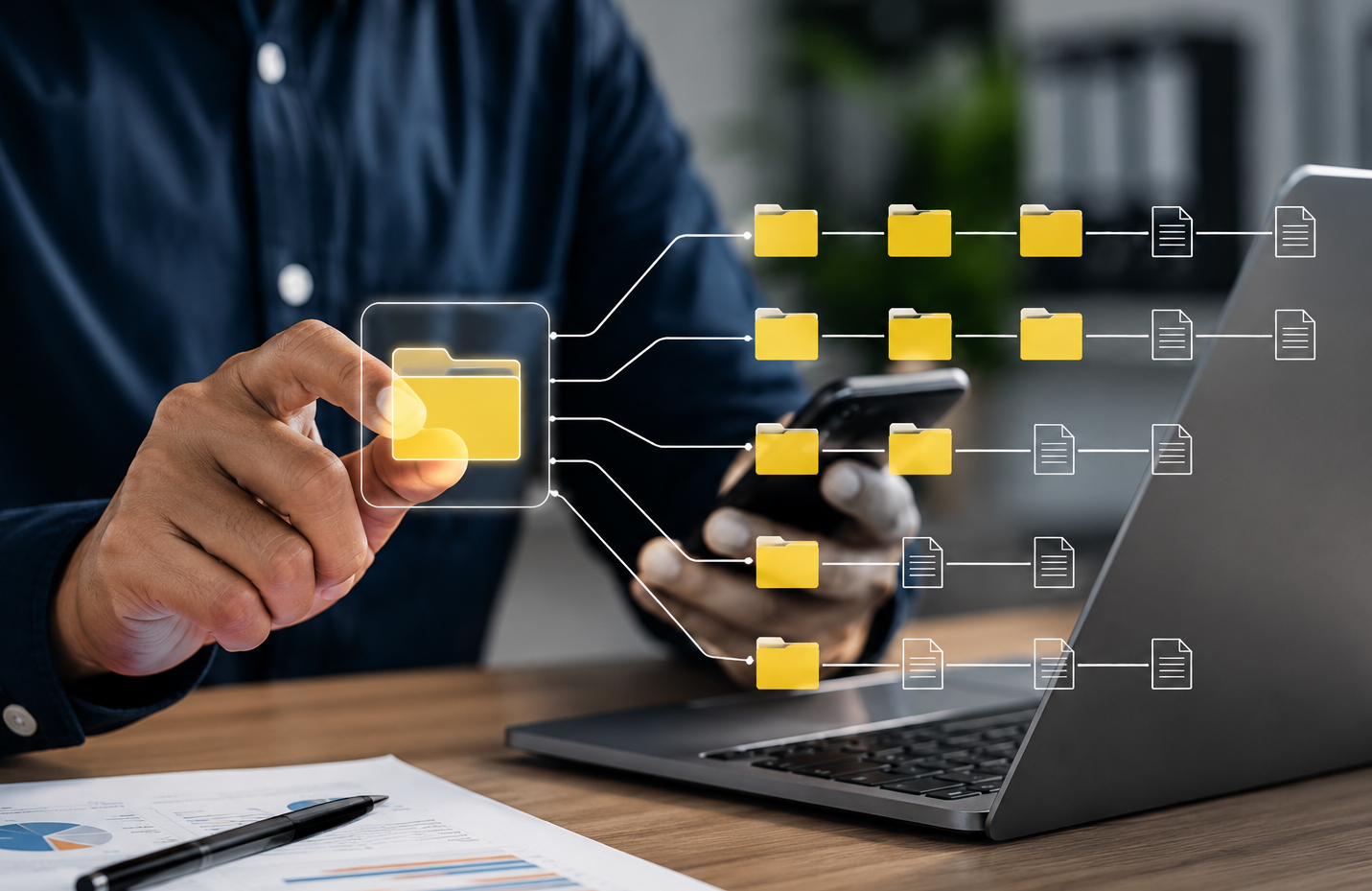
Endpoint management is the process of monitoring, securing, updating, and controlling the devices that connect to an organization’s network, including laptops, desktops, smartphones, tablets, and IoT devices. As remote work, cloud platforms, and mobile access become normal parts of business operations, unmanaged endpoints can create serious security risks. A strong endpoint management strategy helps IT teams maintain device visibility, deploy updates, enforce security policies, manage applications, protect sensitive data, and respond quickly to threats. The best approach combines device inventory, automated patching, endpoint security tools, employee training, encryption, multi-factor authentication, compliance monitoring, and continuous improvement.

App creator AI tools are changing the way mobile and web applications are built. Instead of requiring advanced coding skills, these platforms allow users to create apps with drag-and-drop builders, ready-made templates, spreadsheet connections, automated workflows, AI suggestions, and simple publishing options. Tools such as Adalo, Glide, and AppGyver make it easier for entrepreneurs, small businesses, nonprofits, creators, and internal business teams to turn ideas into working prototypes or real applications. They can reduce development time, lower costs, and make app creation more accessible. However, users should still plan carefully, test the user experience, protect data, and understand the limits of no-code and AI-assisted development.

Employee tracking has become more common as remote work, hybrid teams, and digital workflows continue to reshape the workplace. Companies use tracking tools to monitor work hours, project progress, software activity, location, communication patterns, and productivity trends. These systems can help improve accountability, resource planning, compliance, and operational visibility. However, employee tracking also raises serious questions about privacy, trust, ethics, workplace culture, and legal responsibility. The most effective approach is not constant surveillance, but transparent, limited, and purpose-driven monitoring. Employers should explain what is tracked, why it is necessary, how data is used, and how employee rights are protected. A healthy tracking policy should support productivity without creating fear, pressure, or distrust.

3D drawings help turn ideas into clear visual designs that can be used for architecture, product development, animation, gaming, advertising, engineering, manufacturing, and 3D printing. A 3D drawing can begin as a simple sketch, a digital model, a CAD file, or a concept reference. Beginners can use tools like Tinkercad, SketchUp, or Blender, while professional projects may require AutoCAD, SolidWorks, Rhino, or experienced 3D designers. If creating the drawing yourself feels difficult, you can hire freelancers, design studios, students, or specialized modeling services. The best results come from preparing clear references, explaining your goal, choosing the right tool or designer, and understanding how the final 3D file will be used.