
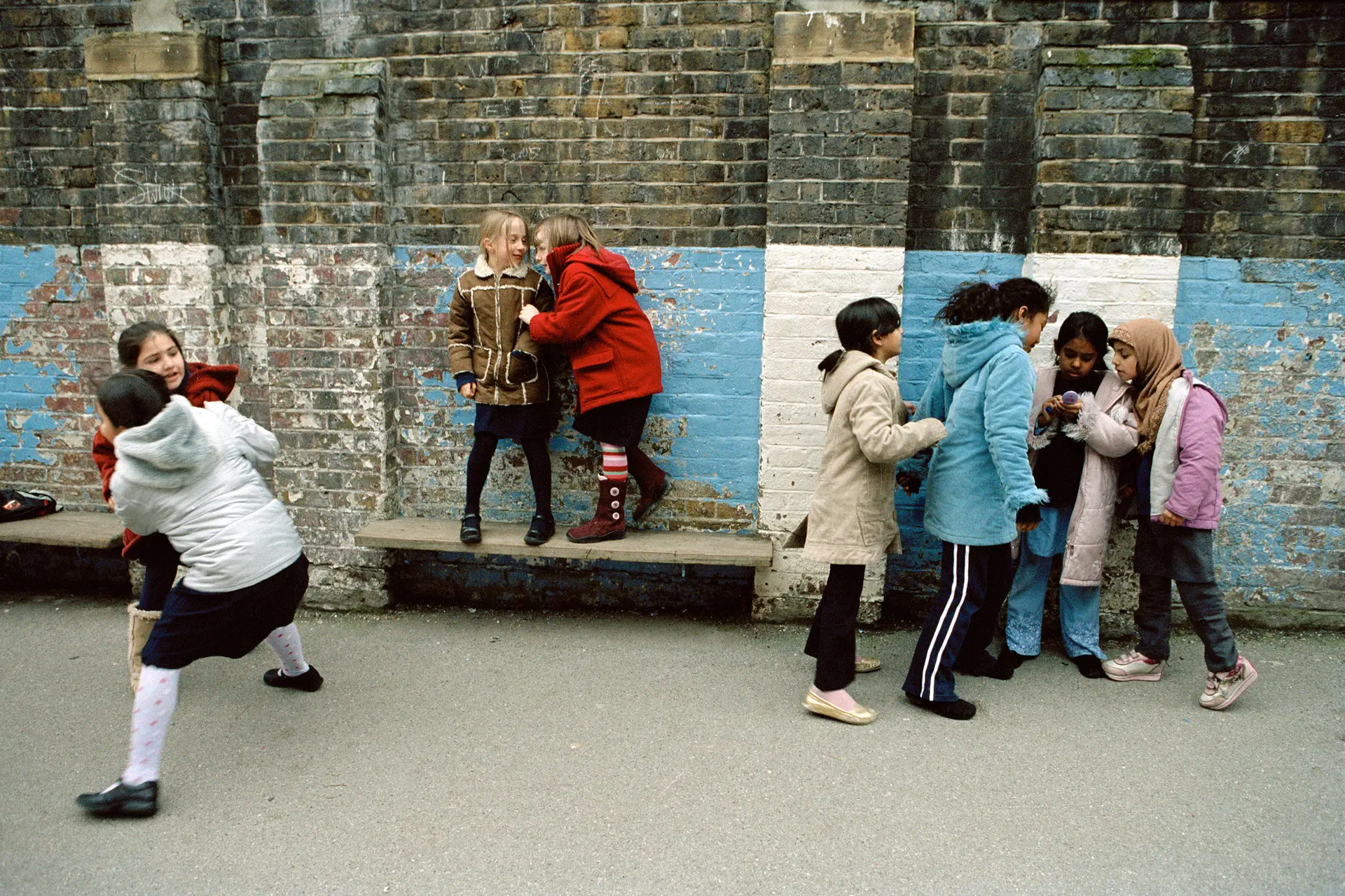
Children Are Apprentices of Life
06 15, 2026 - By Carbonatix
When Lisa first came […]
When Lisa first came […]

Attacked by the Left and Right, the Enlightenment can only be saved through use of its greatest legacy: permanent critique
I do not usually like making confident predictions about technology. The future has a way of embarrassing people who speak too firmly about it. But there is one prediction I feel unusually sure about: a few decades from now, far fewer people will know how to write well.
There are two ways for writing to be good. One is easy to hear. The sentences move well. The rhythm feels natural. The words seem to arrive in the right order, without forcing the reader to push through them.
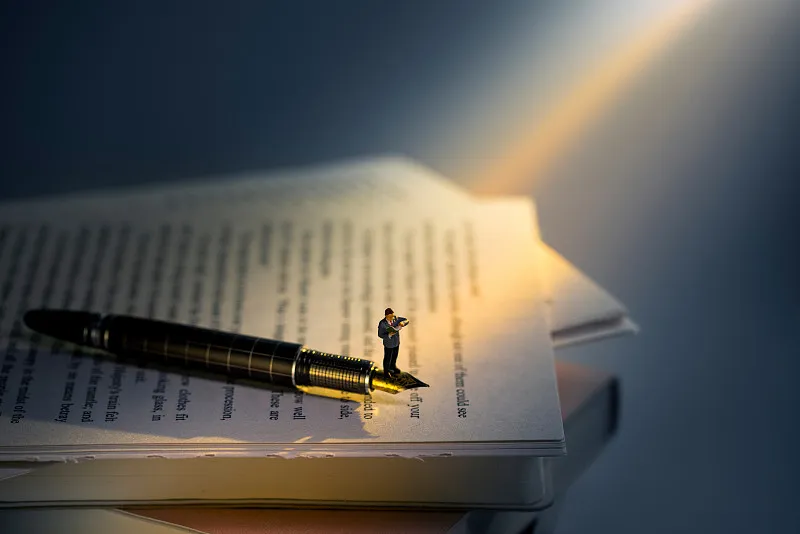
An essay has to give the reader something they did not already have. It may be a fact, a distinction, a way of seeing, or a sentence that finally gives shape to something they had only half-understood. But if the reader finishes exactly where they began, the piece has not really done the work of an essay.
Nearly every original idea begins in a familiar way. It does not usually arrive as a perfect lightning strike from nowhere. More often, creativity grows out of attention, curiosity, frustration, patience, and the quiet ability to connect things that other people have not yet connected.

M any people believe productivity means doing things faster. Faster emails. Faster meetings. Faster decisions. Faster task lists. We build better systems, download better apps, and search for better routines, hoping that a more organized day will somehow give us more control over our lives.
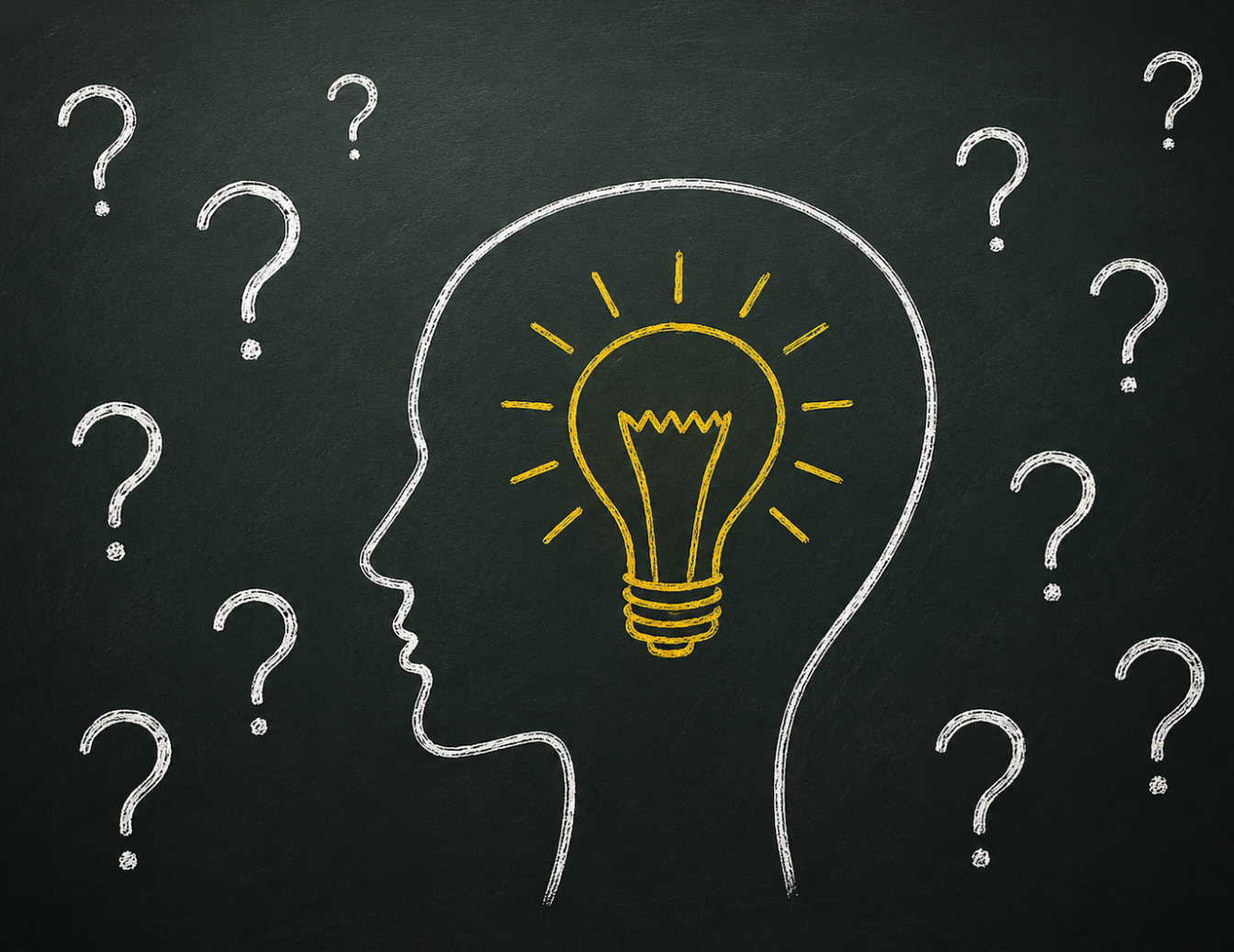
In an AI-driven world, students no longer need to focus only on finding answers. They need to learn how to judge answers. AI tools can summarize, translate, calculate, draft, explain, and generate ideas, but they can also be incomplete, biased, outdated, overconfident, or simply wrong. The most important student skill is becoming the ability to ask better questions, verify information, compare sources, understand context, notice weak reasoning, and decide when human judgment is still needed. The future of education is not about memorizing less or thinking less. It is about thinking more carefully in a world where answers are everywhere.

Strong reading comprehension grows through active habits, not passive page-turning. Readers improve when they preview a text, notice structure, build vocabulary in context, ask questions, summarize in their own words, reread difficult parts, and connect new ideas with what they already know. This guide explains practical ways to develop comprehension for school, work, and everyday reading, with simple routines that help readers move from “I read it” to “I understand it and can use it.”
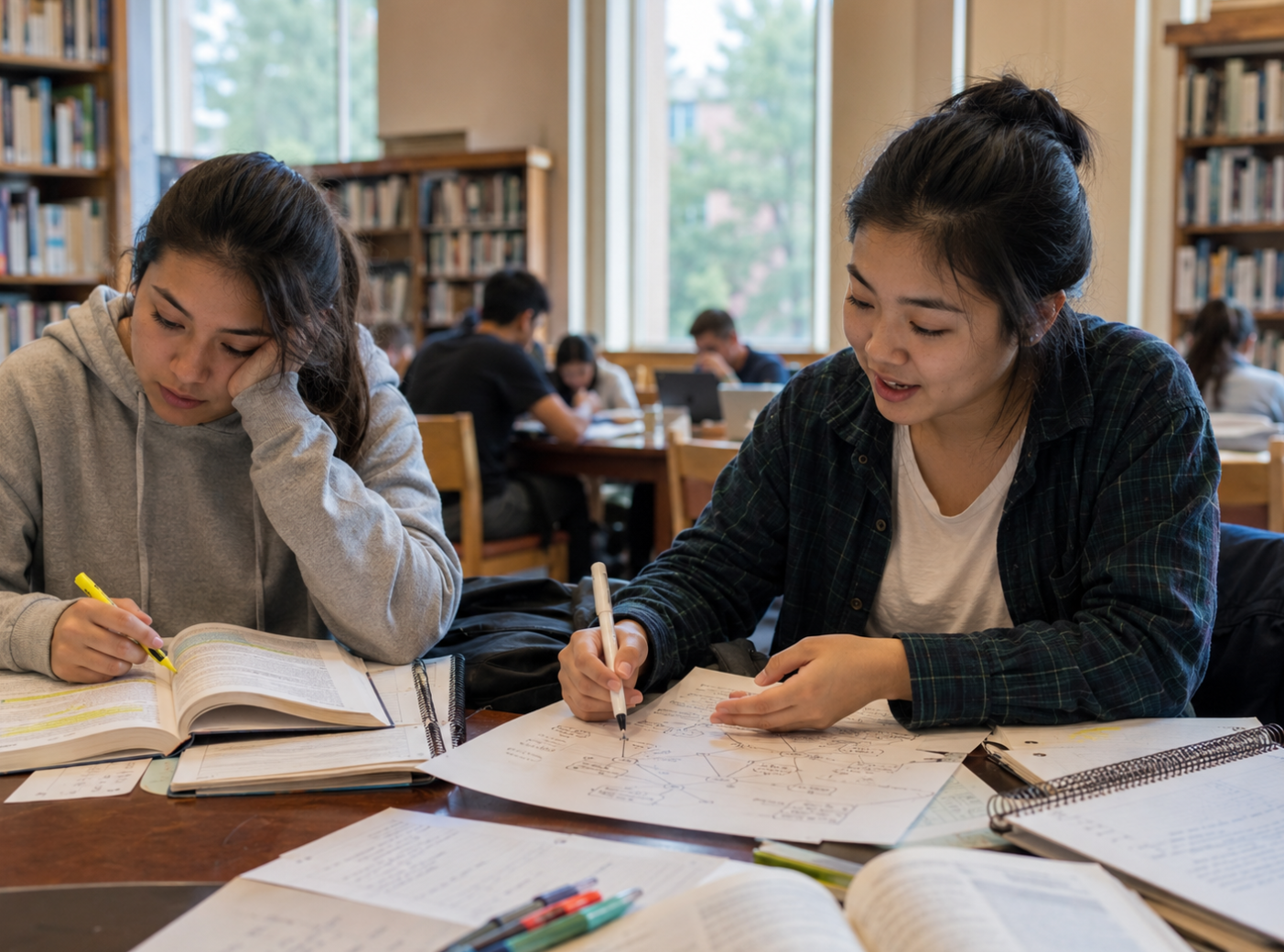
Deep learning and surface learning are two very different ways of approaching knowledge. Surface learning focuses on memorizing facts, copying answers, and doing just enough to get through a task. Deep learning focuses on understanding meaning, connecting ideas, asking questions, applying concepts, and reflecting on mistakes. Surface learning may work for short-term recall, but it often fails when students need to explain, solve unfamiliar problems, or use knowledge in real life. Deep learning takes more effort, but it builds stronger memory, better judgment, and more flexible thinking.