
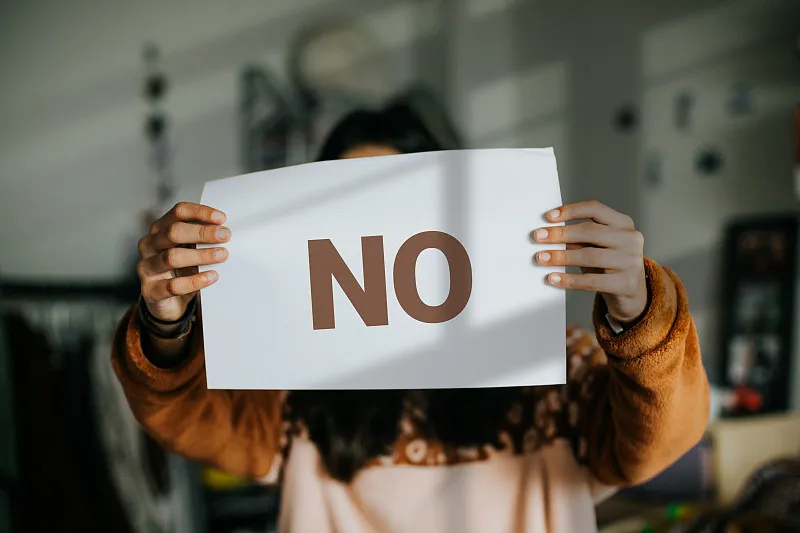
True Productivity Begins with Learning to Say No
Many people believe productivity means doing things faster. Faster emails. Faster meetings. Faster decisions. Faster task lists. We build better systems, download better apps, and search for better routines, hoping that a more organized day will somehow give us more control over our lives.
But there is one question we often forget to ask: should this thing be done at all?
Not doing something will always be faster than doing it. A meeting that never needed to happen is more efficient than a well-run meeting. A task that should have been declined is easier than a task completed under pressure. A request you never accepted will never become another burden on your already crowded calendar.
Real productivity is not always about becoming better at doing more. Sometimes, it is about becoming brave enough to do less.
And often, that begins with one simple word: no.
Why We Say Yes So Easily
Most of us do not say yes because we are deeply excited about every request. We say yes because saying no feels uncomfortable.
We do not want to appear rude. We do not want to seem selfish. We do not want someone to think we are difficult, arrogant, or unwilling to help. This becomes even harder when the person asking is someone we care about or someone we will continue seeing in the future — a coworker, a friend, a family member, a client, or a partner.
There is nothing wrong with wanting to be helpful. Relationships are built on cooperation. A good life requires generosity, support, and the ability to show up for people when it matters.
But the problem begins when we treat every request as if it matters equally.
A small favor becomes another item on the list. A casual agreement becomes a real responsibility. A quick “sure” turns into an evening of stress. Then, a few days later, we look at our schedule and wonder why we feel so tired.
The truth is uncomfortable: many of the obligations that overwhelm us began with our own yes.
Yes and No Do Not Carry the Same Weight
In conversation, yes and no seem like opposites. But in real life, they are not equal.
When you say no, you are refusing one option. When you say yes, you are refusing every other option that could have used that same time.
If you say yes to a meeting, you are saying no to that hour of focused work. If you say yes to a task that does not matter, you are saying no to rest, creativity, family, exercise, or the project that could actually move your life forward.
This is why yes can be so expensive.
It does not only cost time in the present. It borrows time from your future. A yes is a promise you will eventually have to pay back. It may feel light when you say it, but it becomes heavy when it lands on your calendar.
No, on the other hand, protects space.
It protects your attention. It protects your energy. It protects the possibility that your future time can still belong to you. No is not simply rejection. It is preservation.
Saying No Is Not Only for Successful People
It is easy to believe that saying no is a privilege.
People with money can say no. People with status can say no. People with power, reputation, or options can turn down opportunities more easily.
There is some truth to that. It is easier to decline things when you have a safety net.
But saying no is not only a result of success. In many cases, it is one of the habits that creates success.
No matter where you are in your career or life, your time is still your most valuable asset. If you do not protect it, other people will naturally fill it with their priorities.
This does not mean people are always trying to take advantage of you. Most of the time, they are simply thinking about their own needs. They need help. They need support. They need an answer. So they ask.
But your time also has a cost.
Every request you accept takes up space that could have been used for something else. Every task you take on pushes another task further away. Every weak yes makes your strongest priorities harder to reach. Saying no is not cold. It is not arrogant. It is not unkind. It is a boundary.
Focus Means Saying No to Many Good Things
Many people think focus means choosing one important thing and saying yes to it.
But the harder part of focus is saying no to everything else.
The challenge is that the things we need to reject are not always bad. Sometimes they look useful. Sometimes they sound interesting. Sometimes they may even bring small benefits.
But something can be good and still not be right for you.
A decent opportunity is not always a meaningful opportunity. A nice invitation is not always worth the time. A project that looks promising can still pull you away from something more important.
In the early stages of a career, a project, or a new direction, it makes sense to explore. You may need to say yes more often because you are still learning what works, what you enjoy, and where your strengths are.
But exploration cannot last forever.
Once you begin to understand your direction, your standards must rise. At first, you only need to reject obvious distractions. Later, you must learn to reject good opportunities so that you can make room for great ones. That is where real focus begins.
You Have to Upgrade Your No
As you grow, your time becomes more valuable.
The things that once helped you may no longer serve you. The opportunities that once made sense may no longer be worth the cost. The commitments that once felt useful may now prevent you from moving to the next level.
This does not mean those things are bad. It simply means your stage has changed.
One of the quiet problems of growth is that many people improve their skills but never improve their standards for saying yes.
They become more capable, so more people ask for their time. They become more trusted, so more responsibilities come their way. They become more visible, so more opportunities appear.
But if their ability to say no does not grow with them, success quickly becomes another form of overload.
Upgrading your no does not mean you never say yes.
It means you stop treating yes as the default answer. Before accepting something, you pause. You ask whether it supports your goals. You ask whether it deserves your attention. You ask whether it will make your life better or simply make your schedule heavier. If the answer is unclear, that uncertainty itself may be a sign.
A Simple Way to Decide What Deserves Your Yes
Saying no is difficult because the future always looks more available than it really is.
A meeting next week seems manageable. A favor next month seems harmless. A project later this year sounds possible because it is not demanding anything from you right now.
But every future commitment eventually becomes a present responsibility.
One useful question is this: if I had to do this today, would I still agree to it?
This question makes the cost more honest.
If an opportunity is exciting enough that you would rearrange your day for it, then it may deserve your yes. But if you only like it because it is far away, vague, or easy to postpone, then you should think carefully before accepting.
Many things feel light when they are distant. They only reveal their true weight when they arrive. The goal is not to reject everything. The goal is to stop accepting things only because they are not urgent yet.
It Is Easier to Avoid a Commitment Than Escape One
A yes is easy to give.
But once you have given it, getting out becomes much harder.
You have to explain. You have to apologize. You may feel guilty. You may damage trust. You may still end up doing the thing anyway, only with resentment instead of willingness.
That is why saying no at the beginning is often kinder than saying yes and regretting it later.
Prevention is easier than repair. This is true for health, relationships, money, and productivity.
The same is true of your schedule. Removing unnecessary commitments before they enter your life is far more effective than trying to manage them after they have already taken over.
The Real Waste Is Not Doing Things Slowly
We often worry about doing things inefficiently.
But the greater waste is doing things that should not be done at all.
If a task does not matter, completing it quickly does not make it meaningful. If a meeting has no purpose, making it shorter does not make it valuable. If a commitment pulls you away from your real priorities, doing it well does not change the fact that it cost you something important.
This is why elimination is often more powerful than optimization.
You can optimize your calendar, but first you should remove what does not belong there. You can improve your workflow, but first you should question whether the work is necessary. You can become more disciplined, but discipline is wasted when it is applied to the wrong things.
True productivity is not about filling every hour. It is about creating enough space for the work, people, and choices that actually matter.
Final Thoughts: Protect the Space for What Matters
Saying no will not always feel comfortable.
Sometimes it will feel awkward. Sometimes someone may be disappointed. Sometimes you may wonder whether you should have been more flexible, more helpful, or more available.
But if you say yes to everything just to avoid temporary discomfort, you will eventually pay with something much more valuable.
You will pay with your focus. You will pay with your energy. You will pay with your peace.
And slowly, you may lose the space you needed for the life you actually wanted to build.
Learning to say no is not about becoming less generous. It is about becoming more intentional.
Because every no to something unimportant creates the possibility of a deeper yes to something that matters.
Real productivity is not finishing everything. It is knowing what should never begin.