
Science

Why Humanity Still Needs to Explore Space

05 24, 2026 -  By Carbonatix

Space exploration is not only about rockets, astronauts, or distant planets. It is also about understanding Earth better, building useful technology, inspiring scientific thinking, preparing for long-term risks, and asking what kind of future humanity wants to create. While space programs should be responsible and balanced with urgent needs on Earth, stopping exploration altogether would mean giving up one of our strongest tools for discovery, cooperation, and long-range thinking.

What Will Quantum Computing Actually Change — and Why It Is Not Just a Faster Computer

05 14, 2026 -  By Carbonatix

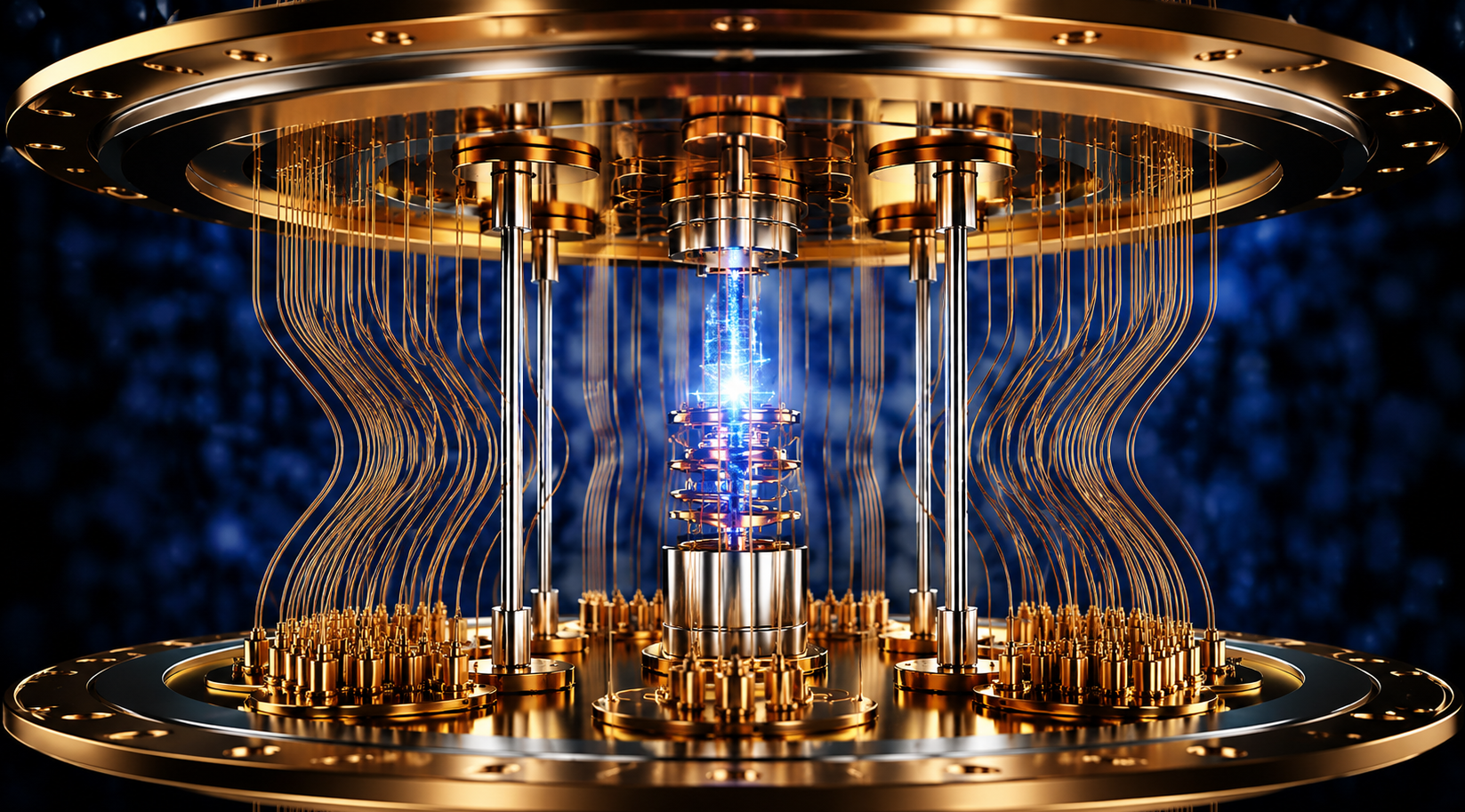
Quantum computing is not an ordinary upgrade from classical computing. A classical computer uses bits that represent 0 or 1, while a quantum computer uses qubits that can be manipulated through quantum effects such as superposition, entanglement, and interference. This does not make quantum computers better at everything. Instead, it may make them powerful for special categories of problems, such as simulating molecules, exploring complex systems, improving some optimization methods, and challenging today’s encryption systems. The future of quantum computing is not about replacing normal computers. It is about adding a new kind of machine for questions that normal computers were never built to answer efficiently.

What Is Consciousness? Why Science Still Cannot Fully Explain the Human Mind

02 25, 2026 -  By Carbonatix

Consciousness is the lived, subjective side of the mind: the fact that experiences feel like something from the inside. Science has made real progress in studying attention, memory, perception, brain activity, sleep, anesthesia, and disorders of consciousness. Yet the deepest question remains unresolved: how does physical activity in the brain become first-person experience? This article explores why consciousness is so difficult to explain, what science can already tell us, and why the human mind remains more than a simple machine-like process.

Why Nuclear Fusion Energy Is Called an “Artificial Sun”

02 25, 2026 -  By Carbonatix

Nuclear fusion energy is often called an “artificial sun” because it tries to use the same basic energy principle that powers the Sun: light atomic nuclei combine and release energy. On Earth, scientists do not build a tiny Sun in the ordinary sense. Instead, they create extremely hot plasma and try to control fusion reactions using advanced machines, magnetic fields, lasers, materials, cooling systems, and precise engineering. The phrase “artificial sun” is vivid, but the real story is more interesting: fusion is not magic sunlight in a bottle. It is one of humanity’s hardest attempts to turn a star-like physical process into a safe, reliable energy source.

The Future of Gene Editing: Curing Disease or Redesigning Humanity?

01 10, 2026 -  By Carbonatix

Gene editing has moved from a laboratory concept into one of the most important scientific debates of our time. It may help treat serious diseases, improve medical research, and give families hope where few options existed before. But the same technology also raises a harder question: if humans can edit DNA, where should we draw the line between healing and redesigning?

12
滚动至顶部