Health

Burning Feet: Causes, Symptoms, Diagnosis, Treatment Options, Home Care, and When to See a Doctor Article Summary: Bur

05 05, 2026 -  By Carbonatix

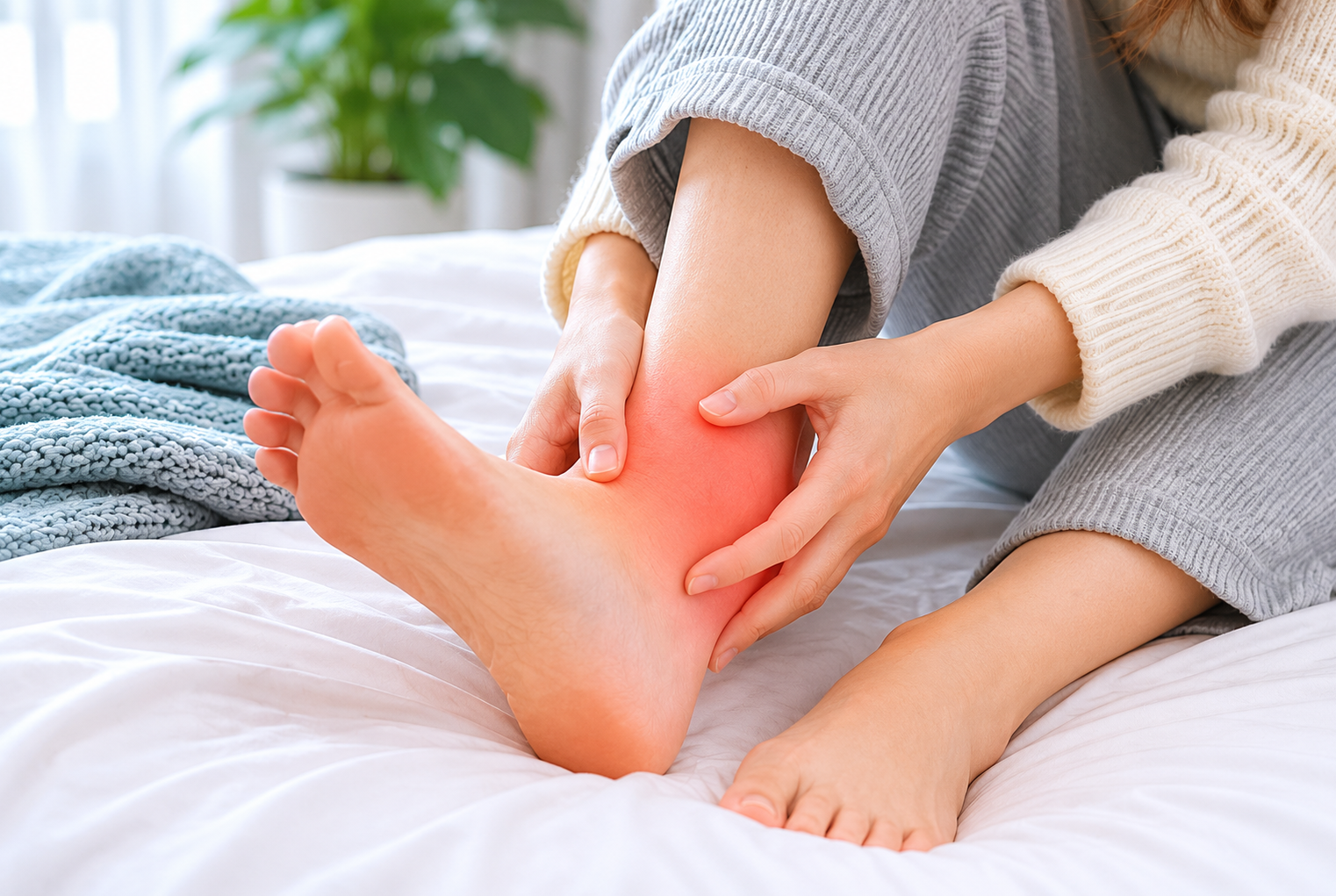
Burning feet, sometimes called burning feet syndrome or Grierson-Gopalan syndrome, describes a painful hot, tingling, stinging, or burning sensation in the feet. One of the most common causes is peripheral neuropathy, which often occurs when nerves in the legs and feet become damaged or overactive. Diabetes is a frequent cause, but burning feet can also be related to alcohol-related nerve damage, peripheral artery disease, athlete’s foot, hypothyroidism, vitamin B12 deficiency, kidney disease, certain medications, pregnancy-related hormone changes, and several other medical conditions. Treatment depends on the cause. For some people, controlling blood sugar, replacing vitamin deficiencies, treating fungal infection, improving circulation, or addressing medication side effects can help. Home care may include cooling the feet, wearing breathable socks, using comfortable footwear, sleeping in a cool room, and asking a doctor about topical pain relief.
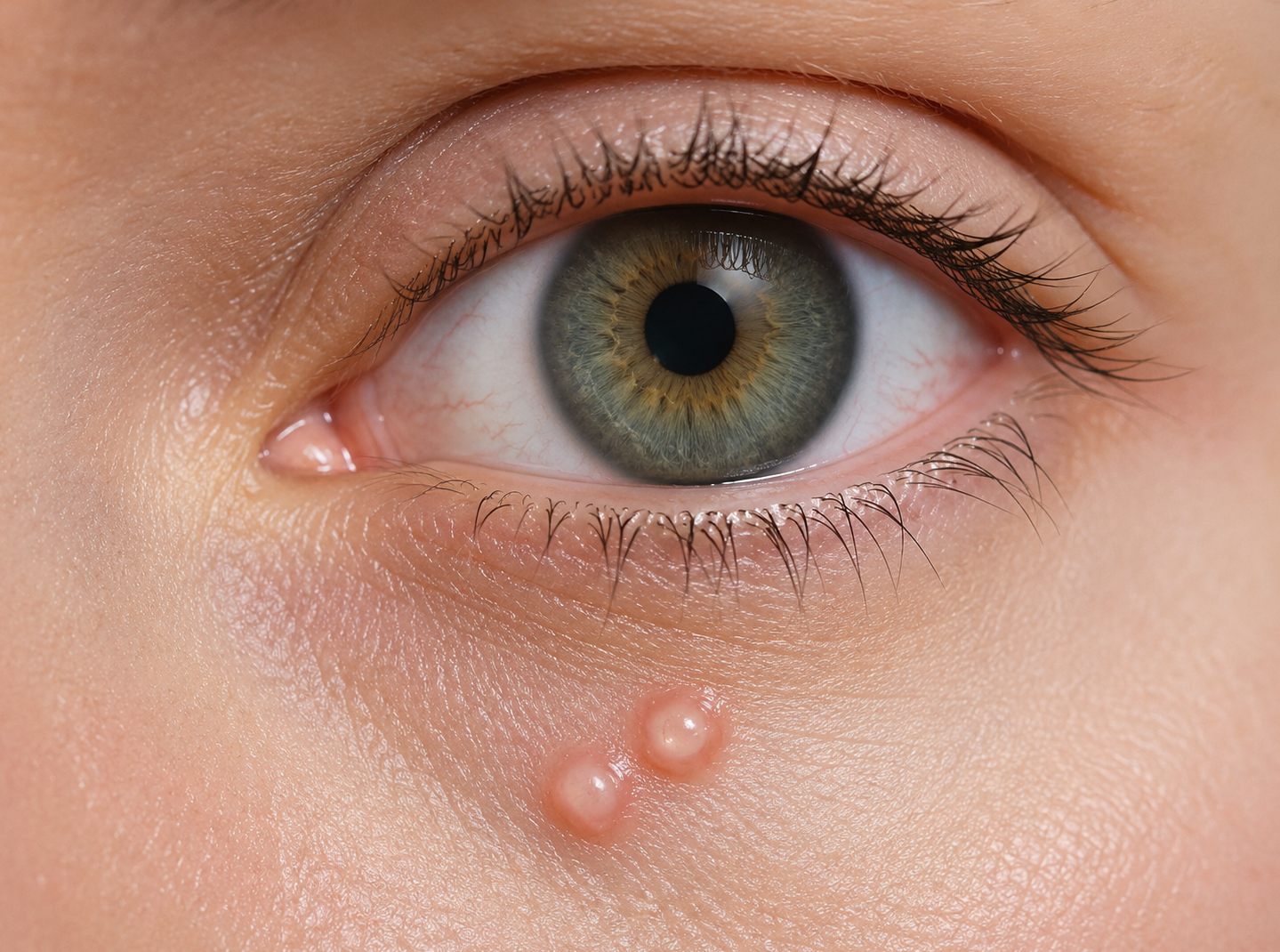
Molluscum Contagiosum: Symptoms, Causes, Treatment Options, Prevention, and Skin Care Tips

05 05, 2026 -  By Carbonatix

Molluscum contagiosum is a common viral skin infection that causes small, raised, smooth, pearl-like bumps on the skin. These bumps often have a tiny central dimple and may appear alone or in clusters. The condition is most common in children, but adults can get it too, especially through close skin contact or sexual contact. In people with healthy immune systems, molluscum often clears on its own over time, although the bumps may last for months and sometimes longer. Treatment is not always necessary, but it may be recommended when lesions are irritated, spreading, cosmetically bothersome, located near the genitals, or occurring in people with weakened immune systems. This guide explains what molluscum looks like, how it spreads, when to treat it, how to prevent it from spreading, and when to see a healthcare provider.

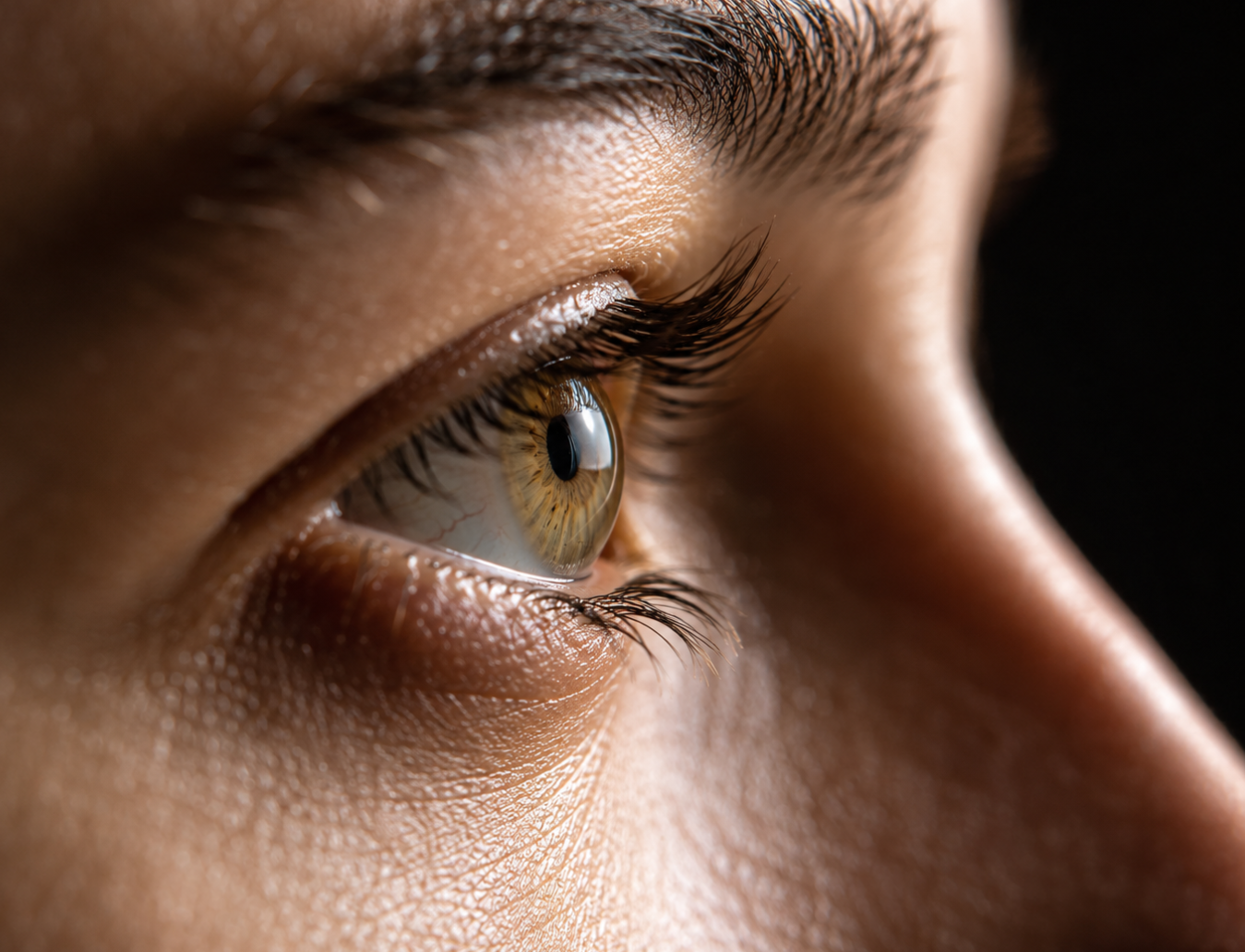
Keratoconus: Symptoms, Causes, Vision Changes, Treatment Options, and Daily Eye Care

05 03, 2026 -  By Carbonatix

Keratoconus is an eye condition in which the normally round, dome-shaped cornea gradually becomes thinner and bulges forward into a cone-like shape. Because the cornea helps focus light clearly into the eye, this irregular shape can cause blurry vision, distorted images, glare, halos around lights, ghosting, double vision in one eye, and frequent changes in glasses prescriptions. Keratoconus often begins during the teenage years or early adulthood, although it can appear earlier or later. Risk factors may include family history, eye rubbing, allergies, asthma, atopic eye disease, certain genetic or connective tissue conditions, and Down syndrome. Mild cases may be managed with glasses or soft contact lenses, while more advanced cases may require rigid gas permeable lenses, scleral lenses, corneal cross-linking, corneal ring segments, or corneal transplant. Early diagnosis matters because treatments such as corneal cross-linking may help slow or stop progression before vision becomes severely affected.

Scoliosis: Symptoms, Causes, Types, Treatment Options, and Living With a Curved Spine

05 01, 2026 -  By Carbonatix

Scoliosis is a condition in which the spine curves sideways, often forming a C-shaped or S-shaped curve. A curve greater than 10 degrees on an X-ray is usually considered scoliosis. It often appears during the growth years, especially between ages 10 and 15, although adults can also develop scoliosis as spinal joints and discs age. Some people notice uneven shoulders, a tilted waist, one hip sitting higher, a rib hump, or a visible curve in the back. Many mild cases only need monitoring, while moderate curves in growing children may require bracing. Severe or worsening curves may need surgery. This guide explains the symptoms, causes, types, diagnosis, curve degrees, treatment choices, exercises, complications, and everyday living tips for people with scoliosis.

Whiplash: Symptoms, Causes, Treatment, Recovery, Home Care, Exercises, and When to See a Doctor

04 28, 2026 -  By Carbonatix

Whiplash is a common neck injury caused by a sudden forceful movement of the head, usually forward and backward, or sometimes side to side. It is often linked to rear-end car accidents, but it can also happen after falls, sports injuries, physical trauma, or shaking. Whiplash can injure the neck muscles, ligaments, joints, discs, nerve roots, and soft tissues, leading to neck pain, stiffness, headaches, shoulder pain, dizziness, tingling, fatigue, sleep problems, and trouble concentrating. Mild cases often improve with time, gentle movement, ice, heat, and pain relief, while more serious symptoms may require medical evaluation, imaging, medication, physical therapy, injections, or other treatment. Warning signs such as passing out, limb weakness, numbness, trouble speaking, trouble swallowing, severe dizziness, or suspected fracture should be checked urgently.

Torticollis: Causes, Symptoms, Treatment, Baby Neck Stretches, and When to Worry

04 27, 2026 -  By Carbonatix

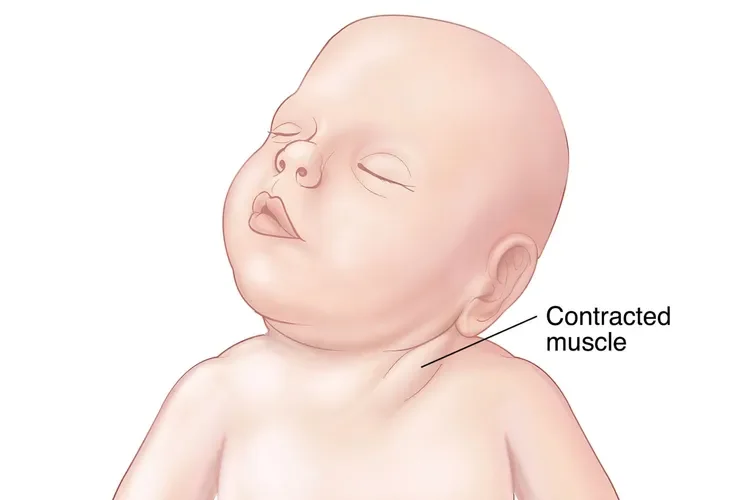
Torticollis, sometimes called wryneck, is a condition in which the neck muscles cause the head to tilt, twist, or turn to one side. In babies, the most common form is congenital muscular torticollis, often linked to tightness in the sternocleidomastoid muscle. It may cause a baby to prefer looking one way, have difficulty feeding on one side, develop a flat spot on the head, or show limited neck movement. In older children and adults, torticollis may be caused by injury, infection, medication reactions, muscle spasms, cervical dystonia, or other medical problems. Many infant cases improve with early stretching, positioning, tummy time, and physical therapy. Adults may need treatment based on the cause, including rest, physical therapy, medications, botulinum toxin injections, or specialist care. Severe pain, fever, headache, confusion, rash, injury, or sudden neurological symptoms should be evaluated urgently.

Zika Virus: Symptoms, Pregnancy Risks, Travel Safety, Testing, and Prevention

04 22, 2026 -  By Carbonatix

Zika virus is a mosquito-borne infection most often spread by Aedes mosquitoes, the same type of mosquito that can spread dengue, chikungunya, and yellow fever. Many people with Zika have no symptoms, while others may develop mild fever, rash, joint pain, red eyes, headache, or muscle pain. For most adults, Zika is usually mild, but it is especially important during pregnancy because infection can cause serious birth defects, including microcephaly and other brain, eye, and movement problems. Zika can also spread through sex and from a pregnant person to the fetus. This guide explains how Zika spreads, what symptoms look like, why pregnancy precautions matter, how testing works, how travelers can reduce risk, and when to speak with a healthcare provider.

Rosacea: Symptoms, Types, Triggers, Treatment Options, Skin Care Tips, and Long-Term Management

04 22, 2026 -  By Carbonatix

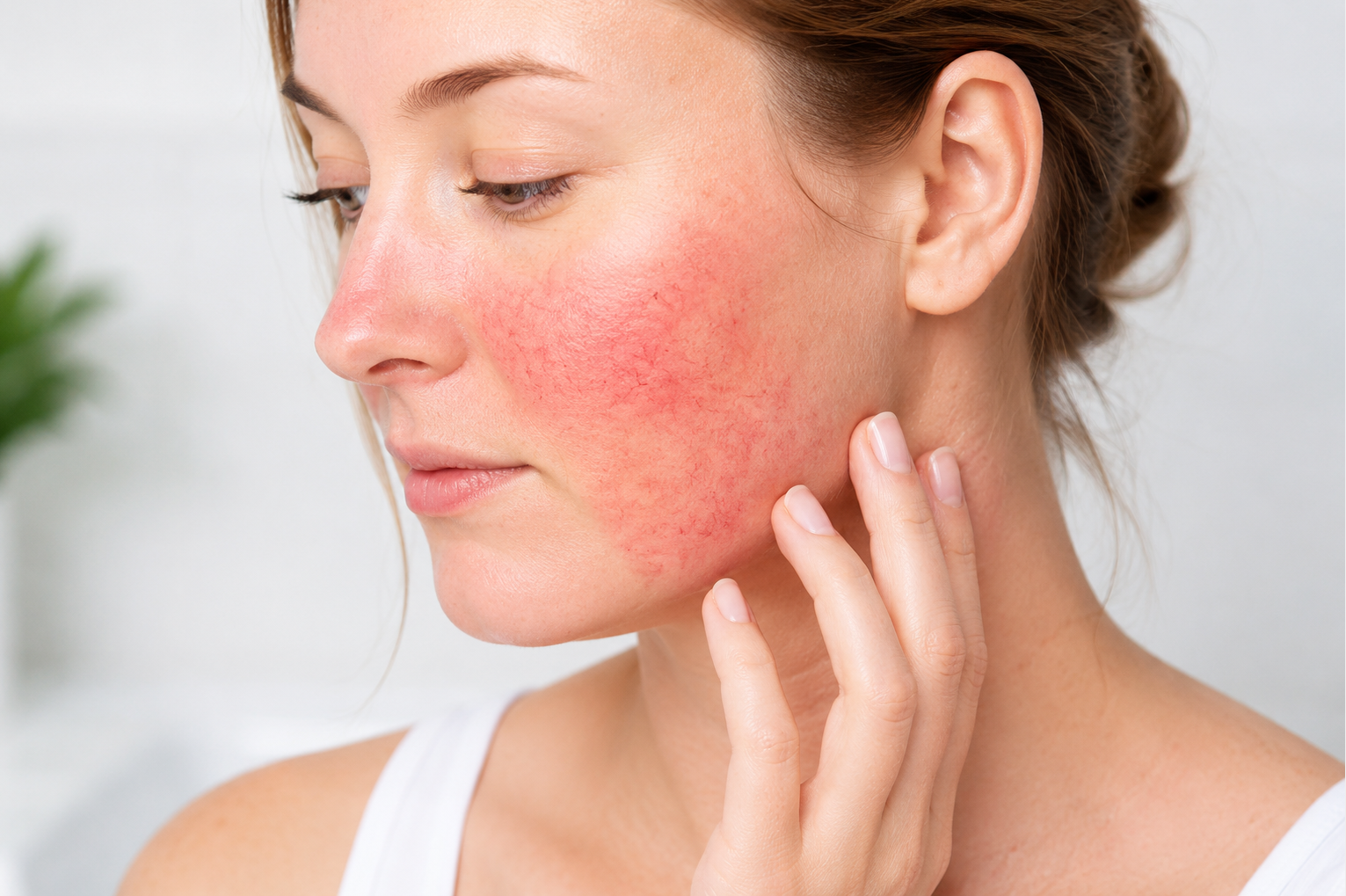
Rosacea is a chronic skin condition that commonly affects the face, causing flushing, visible blood vessels, sensitivity, burning, stinging, acne-like bumps, dry patches, enlarged pores, and sometimes eye irritation. It may look more obvious on lighter skin, but it can affect people of all skin tones and may be underdiagnosed in people with brown or Black skin because redness can be harder to see. The main types include erythematotelangiectatic rosacea, papulopustular rosacea, phymatous rosacea, and ocular rosacea. Although rosacea has no permanent cure, symptoms can often be managed with prescription creams, oral medicines, laser treatment, gentle skin care, sunscreen, trigger avoidance, and regular dermatology care.

How Circadian Rhythm Shapes Your Energy, Training, and Recovery

04 21, 2026 -  By Carbonatix

Circadian rhythm is your body’s internal timing system. It influences sleep, hormones, metabolism, digestion, body temperature, focus, strength, endurance, and tissue repair. By timing light exposure, meals, workouts, caffeine, recovery routines, and sleep more intelligently, you can support steadier energy, better training quality, deeper recovery, and a healthier long-term fitness lifestyle.

Spina Bifida: Causes, Types, Treatment, Prevention, and Living Well With a Split Spine

04 13, 2026 -  By Carbonatix

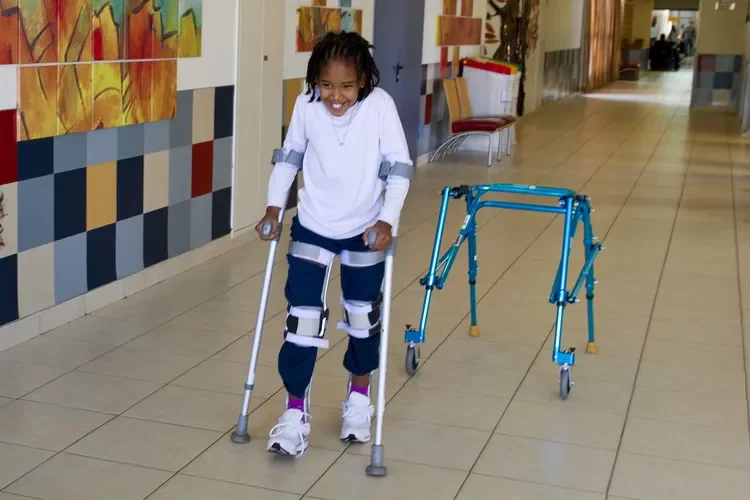
Spina bifida is a birth condition that affects how the spine and spinal cord develop before birth. It happens when the neural tube, which later forms the brain and spinal cord, does not close completely during early pregnancy. The condition can be mild and hidden, or it can be more serious and involve exposed spinal nerves, movement challenges, bladder and bowel problems, hydrocephalus, learning differences, and lifelong medical care. The three main types are spina bifida occulta, meningocele, and myelomeningocele. Treatment depends on the type and severity, and may include surgery, shunt placement, physical therapy, mobility support, bladder and bowel management, orthopedic care, special education, and adult transition planning. Folic acid before and during early pregnancy can significantly reduce the risk of neural tube defects.

滚动至顶部