
Health

Signs of Labor: Early Symptoms, True Contractions, Water Breaking, and When to Go to the Hospital

05 21, 2026 -  By Carbonatix

Labor is the body’s natural process of childbirth, beginning with regular uterine contractions and ending with the delivery of the baby and placenta. Early signs may include lightening, mucus plug discharge, lower back pain, cramps, loose stools, nesting energy, water breaking, cervical effacement, and dilation. However, not every person experiences labor in the same order. The most reliable sign of true labor is usually contractions that become stronger, longer, and closer together over time and do not stop with rest or position changes. If your water breaks, bleeding is heavier than spotting, your baby moves less than usual, contractions become very uncomfortable and regular, or you have labor signs before 37 weeks, contact your healthcare provider right away.

Pfeiffer Syndrome: Types, Causes, Symptoms, Diagnosis, Treatment, Complications, and Long-Term Care

05 20, 2026 -  By Carbonatix

Pfeiffer syndrome is a rare genetic birth condition that affects how a baby’s skull, face, hands, and feet develop. It happens when certain skull bones fuse too early, a process called craniosynostosis. Because the skull cannot expand normally as the brain grows, the head and face may develop a distinct shape. Children may have wide-set or bulging eyes, a sunken midface, a high forehead, a small upper jaw, broad thumbs and big toes, webbed fingers or toes, hearing loss, dental problems, breathing issues, sleep apnea, and developmental challenges. Pfeiffer syndrome has three main types. Type 1 is usually milder and often has a normal life expectancy with treatment, while types 2 and 3 are more severe and may require urgent, lifelong, multidisciplinary care. Treatment often begins soon after birth and may include skull surgery, airway support, midface surgery, hearing care, dental treatment, vision care, speech therapy, physical therapy, and developmental support.

Pneumonia: Symptoms, Causes, Types, Diagnosis, Treatment, Recovery, and Prevention

05 19, 2026 -  By Carbonatix

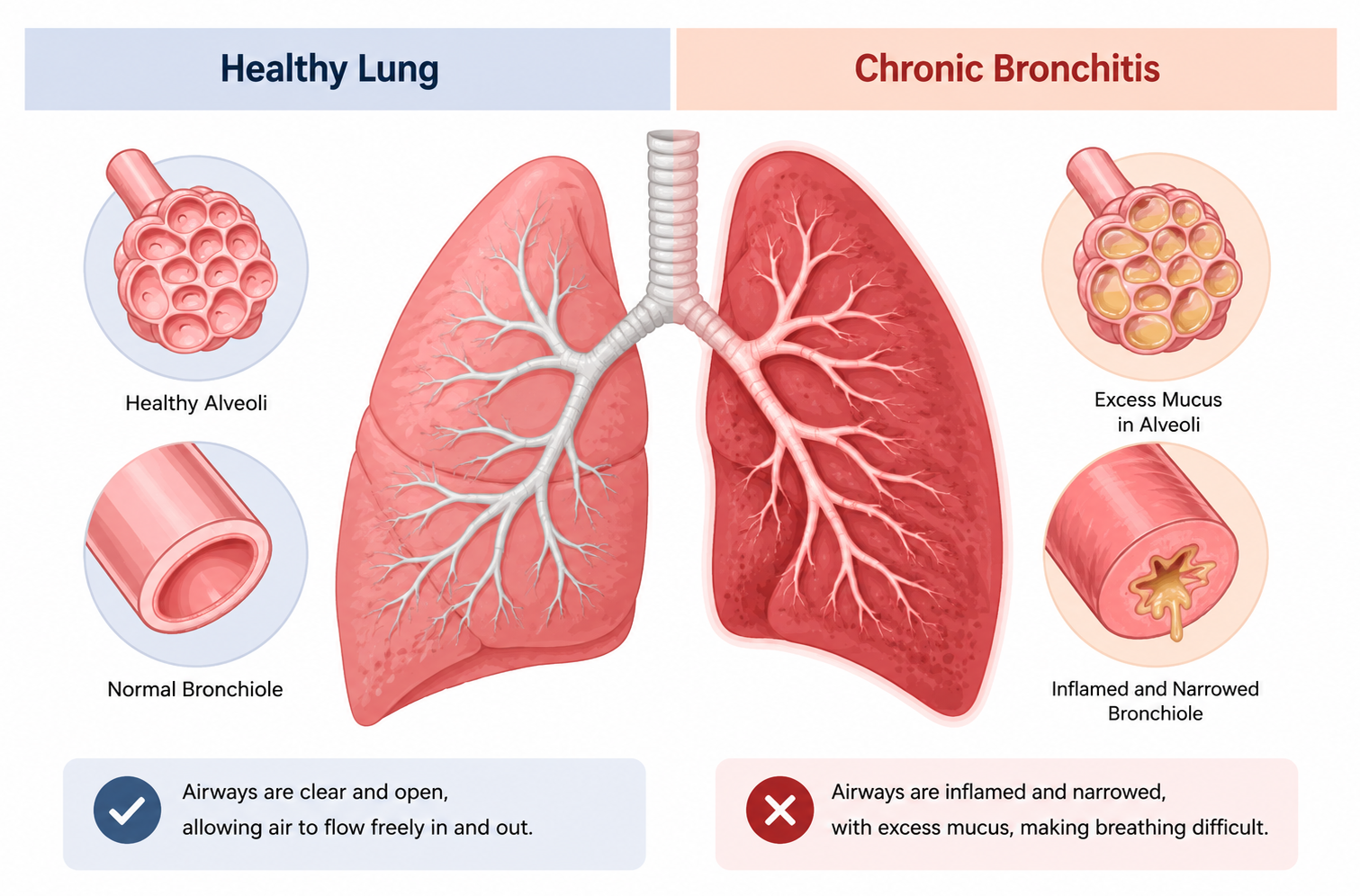
Pneumonia is a lung infection that causes the air sacs and small airways in the lungs to become inflamed and fill with fluid or pus. It can be mild enough to recover from at home, or severe enough to require hospitalization. Common symptoms include cough, fever, chills, chest pain, shortness of breath, fatigue, fast breathing, loss of appetite, and mucus production. Pneumonia may be caused by bacteria, viruses, fungi, or aspiration of food, saliva, or vomit into the lungs. Babies, older adults, smokers, people with chronic lung or heart disease, and those with weakened immune systems face higher risk. Treatment depends on the cause and may include antibiotics, antivirals, antifungals, oxygen therapy, fluids, breathing treatments, and rest. Vaccines, handwashing, avoiding smoke, and managing chronic illnesses can lower the chance of getting pneumonia.

Lymphedema: Causes, Symptoms, Stages, Treatment Options, Daily Care, and Prevention Tips

05 18, 2026 -  By Carbonatix

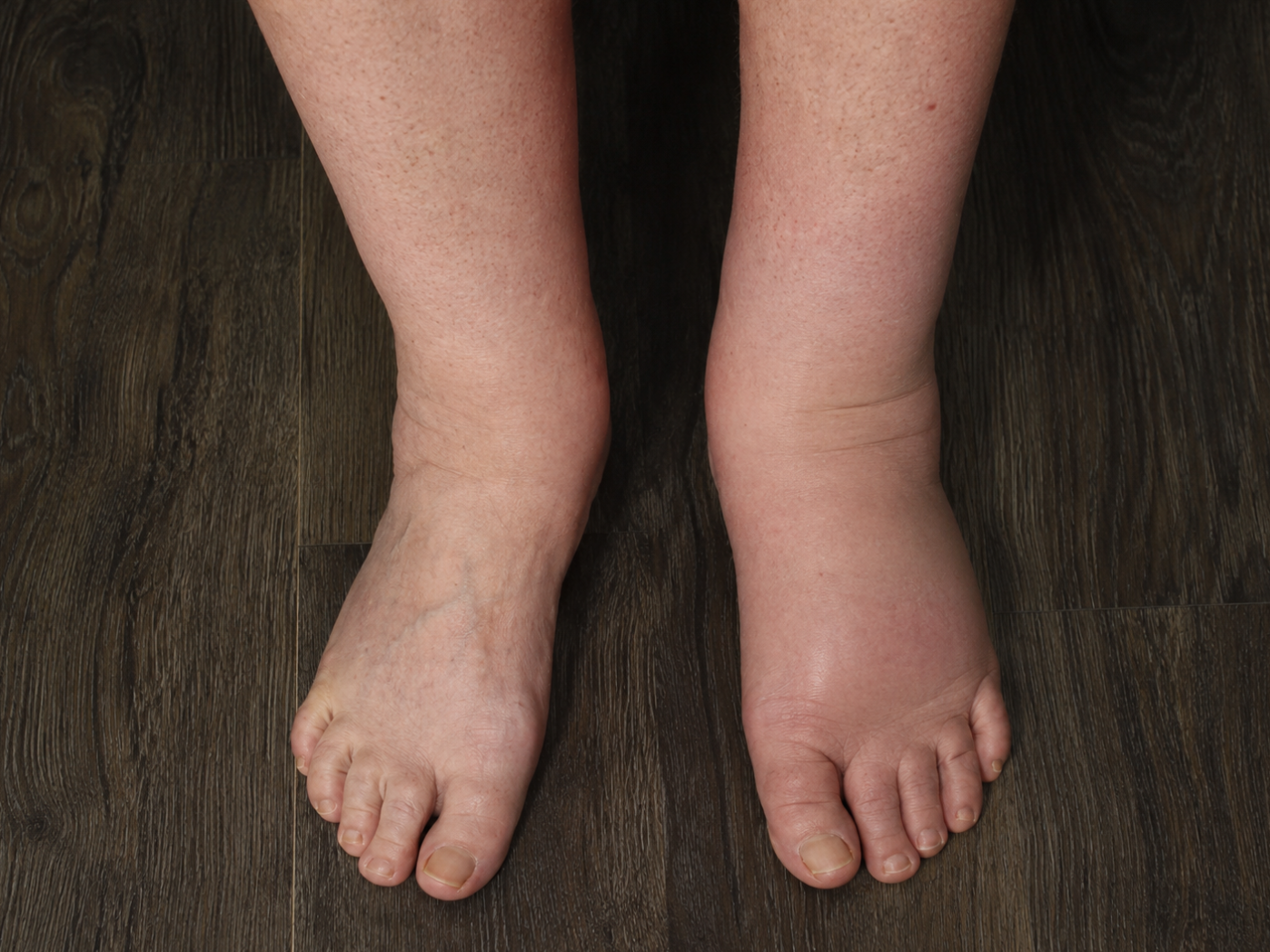
Lymphedema is long-term swelling caused by a buildup of lymph fluid, most often in an arm or leg, though it can also affect the chest, abdomen, face, genitals, or other areas. It happens when the lymphatic system is damaged, blocked, underdeveloped, or unable to drain fluid properly. Common causes include cancer treatment, lymph node surgery, radiation therapy, infection, injury, obesity, vascular disease, and inherited lymphatic problems. While lymphedema usually cannot be cured completely, it can often be managed with compression garments, bandaging, manual lymph drainage, exercise, skin care, weight management, and, in selected cases, surgery. Early recognition matters because untreated lymphedema can worsen over time and increase the risk of infection, skin changes, reduced mobility, and other complications.

Thyroid Cancer: Symptoms, Types, Stages, Causes, Treatment Options, Prognosis, and Prevention

05 17, 2026 -  By Carbonatix

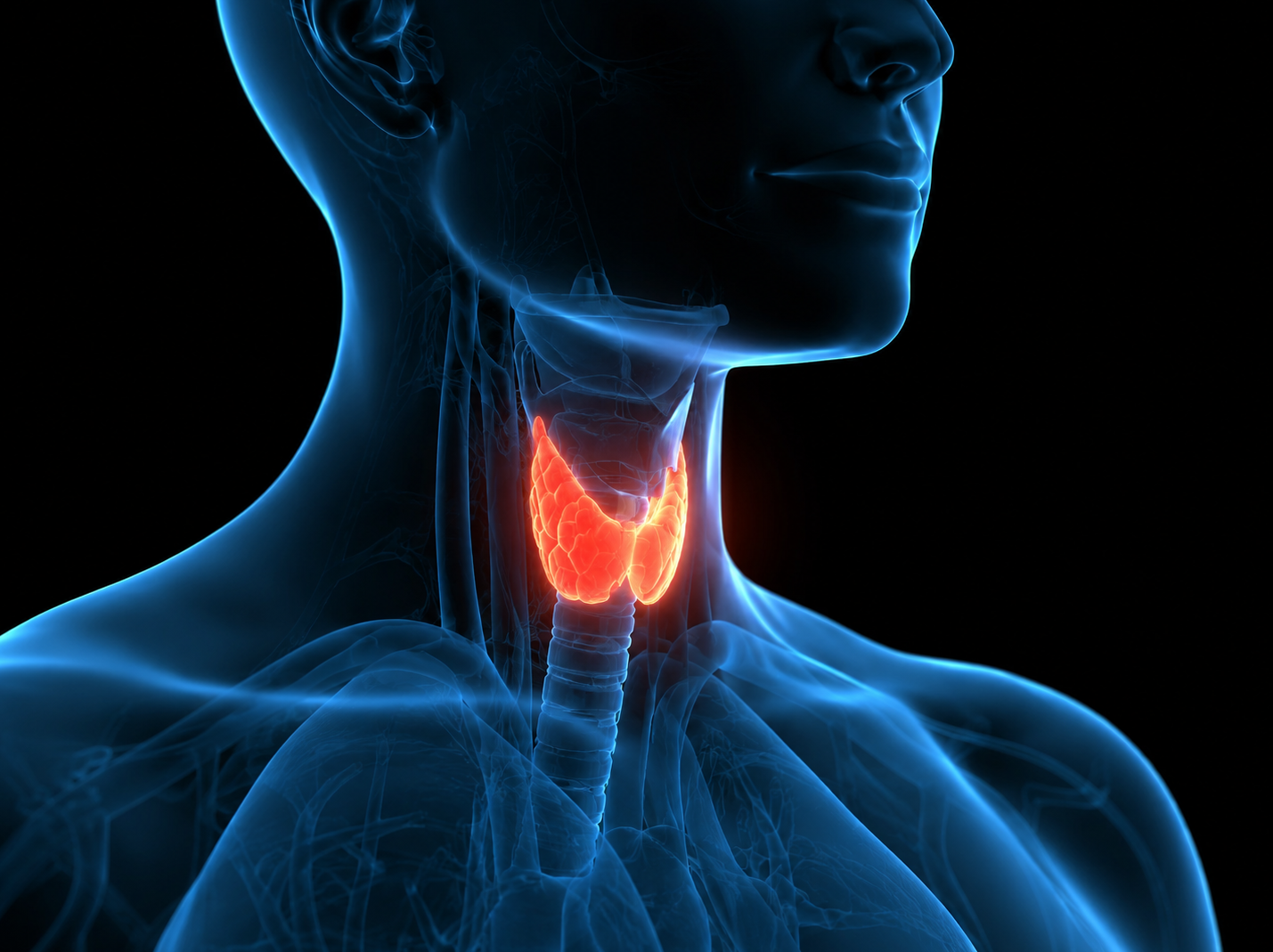
Thyroid cancer begins when abnormal cells grow inside the thyroid gland, a small butterfly-shaped gland in the lower front of the neck that helps regulate metabolism, body temperature, energy use, and hormone balance. Many thyroid cancers are found early because a person or doctor notices a lump or swelling in the neck. The most common types are papillary, follicular, medullary, and anaplastic thyroid cancer. Papillary and follicular thyroid cancers usually grow more slowly and often have excellent outcomes, while anaplastic thyroid cancer is rare but much more aggressive. Treatment commonly includes surgery, radioactive iodine therapy, thyroid hormone therapy, radiation, targeted therapy, or chemotherapy in selected cases. Although thyroid cancer is serious, many types are highly treatable, especially when diagnosed early and followed carefully after treatment.

Chiari Malformation: Symptoms, Causes, Types, Diagnosis, Treatment, and Daily Life Support

05 16, 2026 -  By Carbonatix

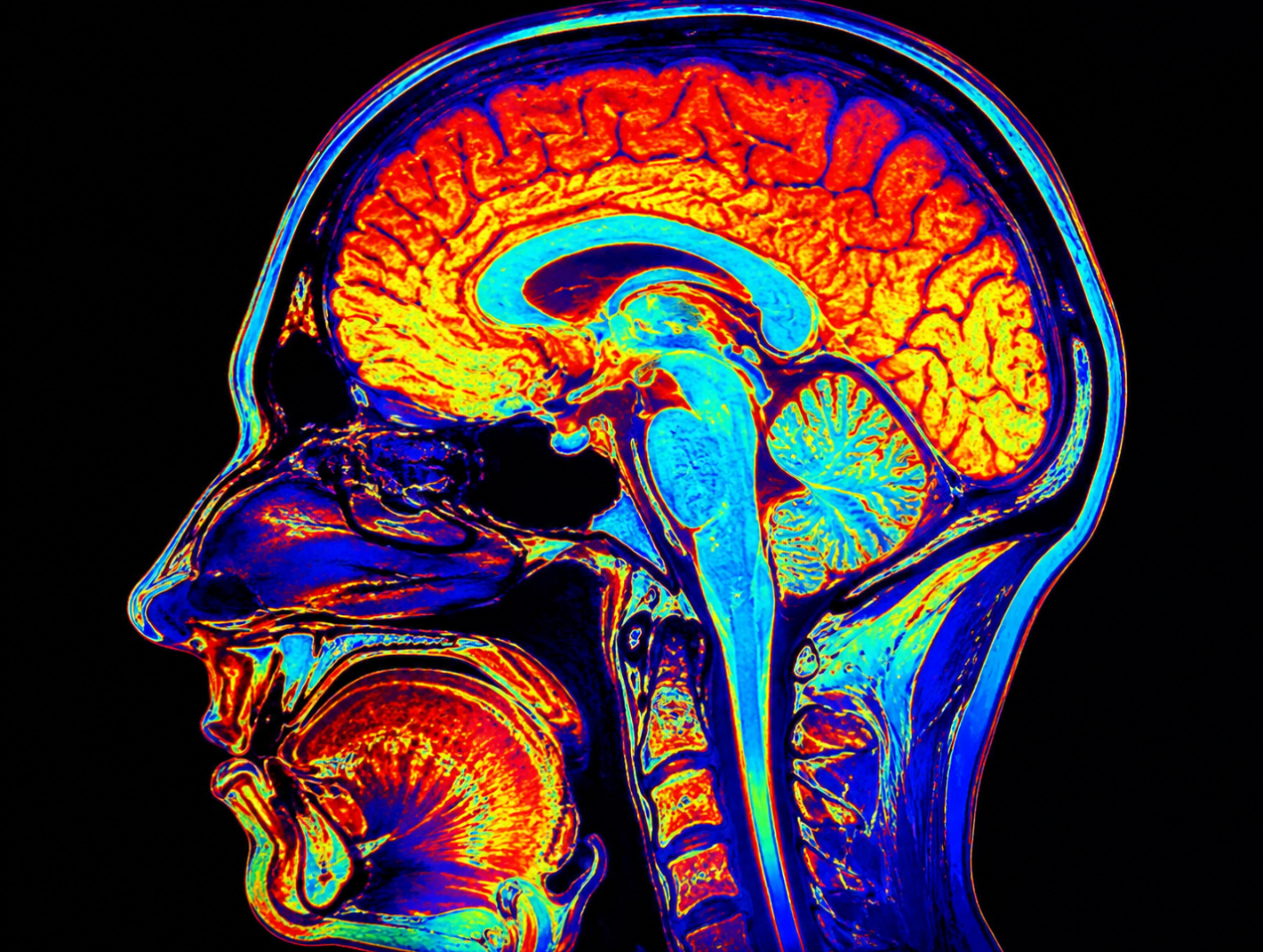
Chiari malformation is a group of structural conditions in which part of the lower brain, especially the cerebellum, sits lower than usual and may press toward or through the opening at the base of the skull, called the foramen magnum. This can affect the flow of cerebrospinal fluid and may put pressure on the brainstem or spinal cord. Some people have no symptoms and discover it only after imaging for another reason, while others experience headaches, neck pain, dizziness, balance problems, numbness, weakness, swallowing issues, sleep apnea, or vision changes. Chiari malformation is often present from birth, but it can also be acquired later due to conditions such as tumors, head injury, hydrocephalus, or spinal cord tethering. Treatment depends on the type, severity, symptoms, and imaging findings. Mild cases may only need monitoring, while more symptomatic cases may require medication, lifestyle adjustments, or surgery to relieve pressure and restore normal cerebrospinal fluid flow.

Mitral Valve Regurgitation: Symptoms, Causes, Stages, Treatment Options, Surgery, and Daily Heart Care

05 15, 2026 -  By Carbonatix

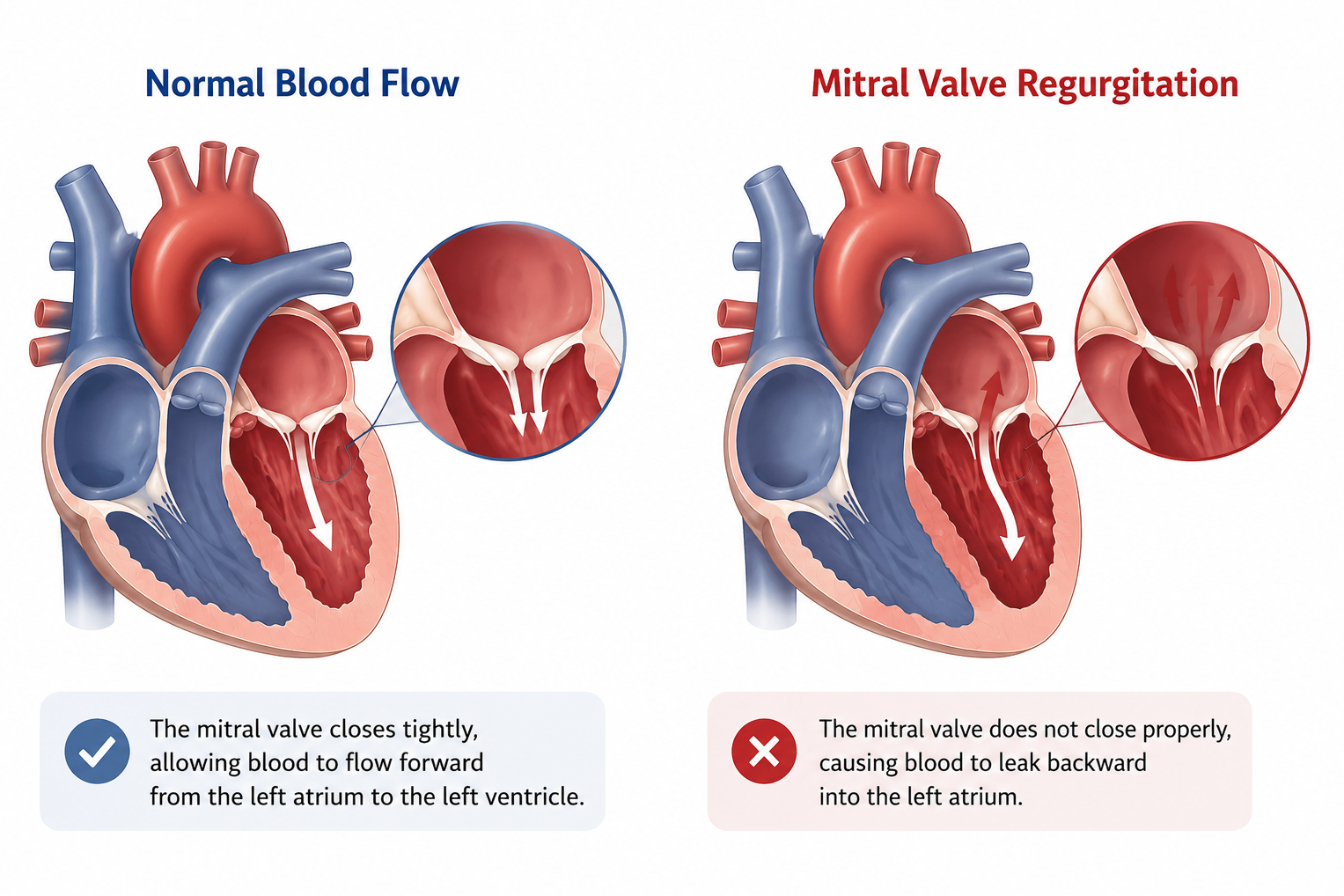
Mitral valve regurgitation is a heart valve condition in which the mitral valve does not close tightly, allowing some blood to leak backward from the left ventricle into the left atrium. Mild cases may cause no symptoms and only need regular monitoring, while more serious cases can lead to shortness of breath, fatigue, heart palpitations, fluid buildup, atrial fibrillation, pulmonary hypertension, and heart failure. Causes may include mitral valve prolapse, rheumatic heart disease, heart attack, cardiomyopathy, congenital valve problems, infective endocarditis, or damage to the cords that support the valve. Diagnosis often involves an echocardiogram, ECG, chest X-ray, cardiac MRI, stress testing, or catheter-based imaging. Treatment depends on severity and may include monitoring, medications, mitral valve repair, valve replacement, minimally invasive surgery, or catheter-based procedures such as TEER.

Nystagmus: Causes, Symptoms, Types, Diagnosis, Treatment, and Daily Vision Support

05 12, 2026 -  By Carbonatix

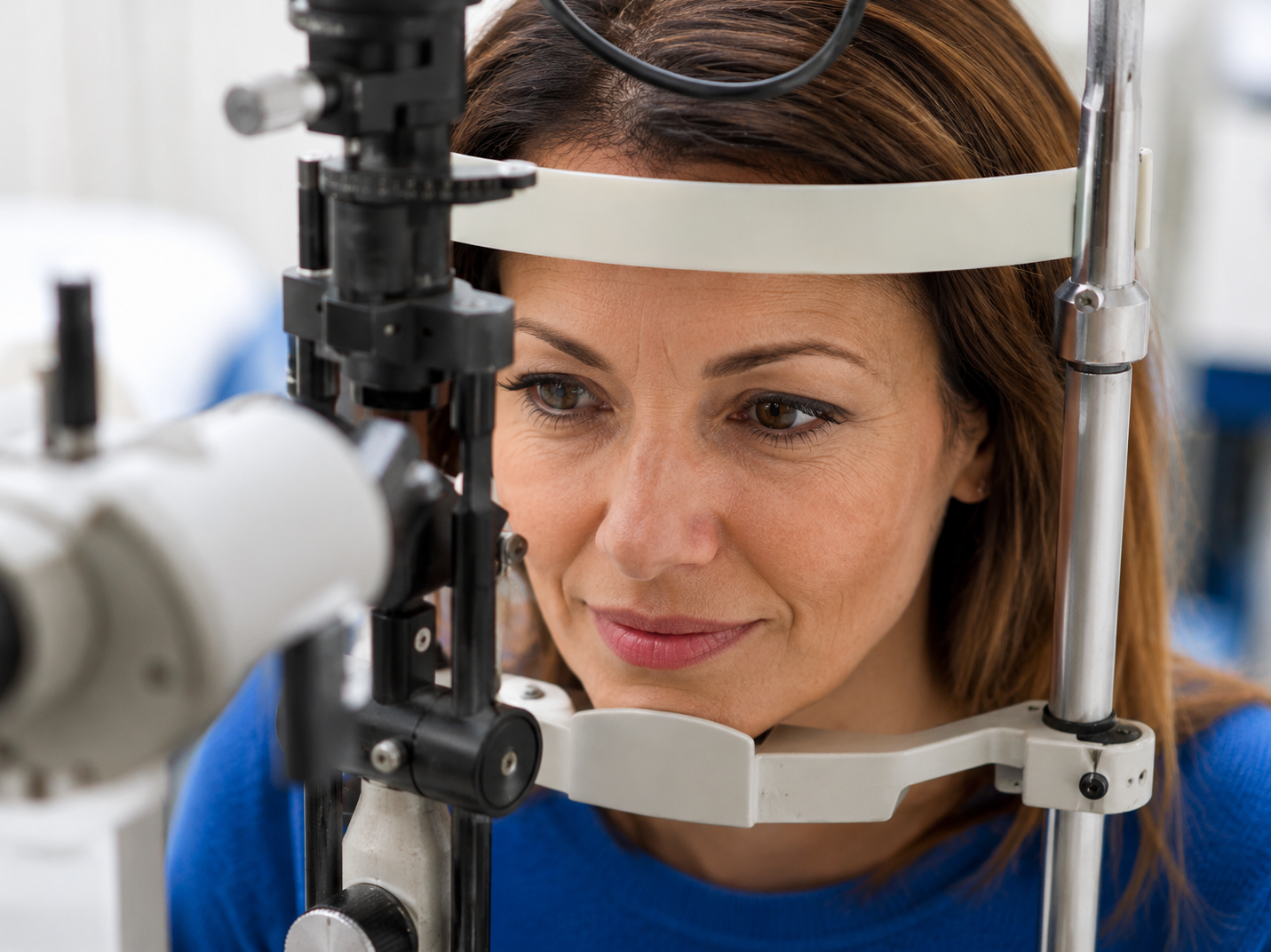
Nystagmus is a condition that causes the eyes to move rapidly and involuntarily. These movements may go side to side, up and down, or in a circular pattern, and they can affect one or both eyes. Some people are born with nystagmus or develop it during infancy, while others develop it later because of inner ear problems, neurological conditions, head injury, medication effects, alcohol or drug use, or eye disorders. Nystagmus may cause blurry or shaky vision, trouble seeing in the dark, light sensitivity, dizziness, balance problems, and unusual head positioning. Treatment depends on the cause, but glasses, contact lenses, treating underlying conditions, medication, surgery, visual aids, school support, and practical daily adjustments can all help improve quality of life.

Could I Have a Herniated Disk? Symptoms, Causes, Diagnosis, Treatment, and Recovery Tips

05 08, 2026 -  By Carbonatix

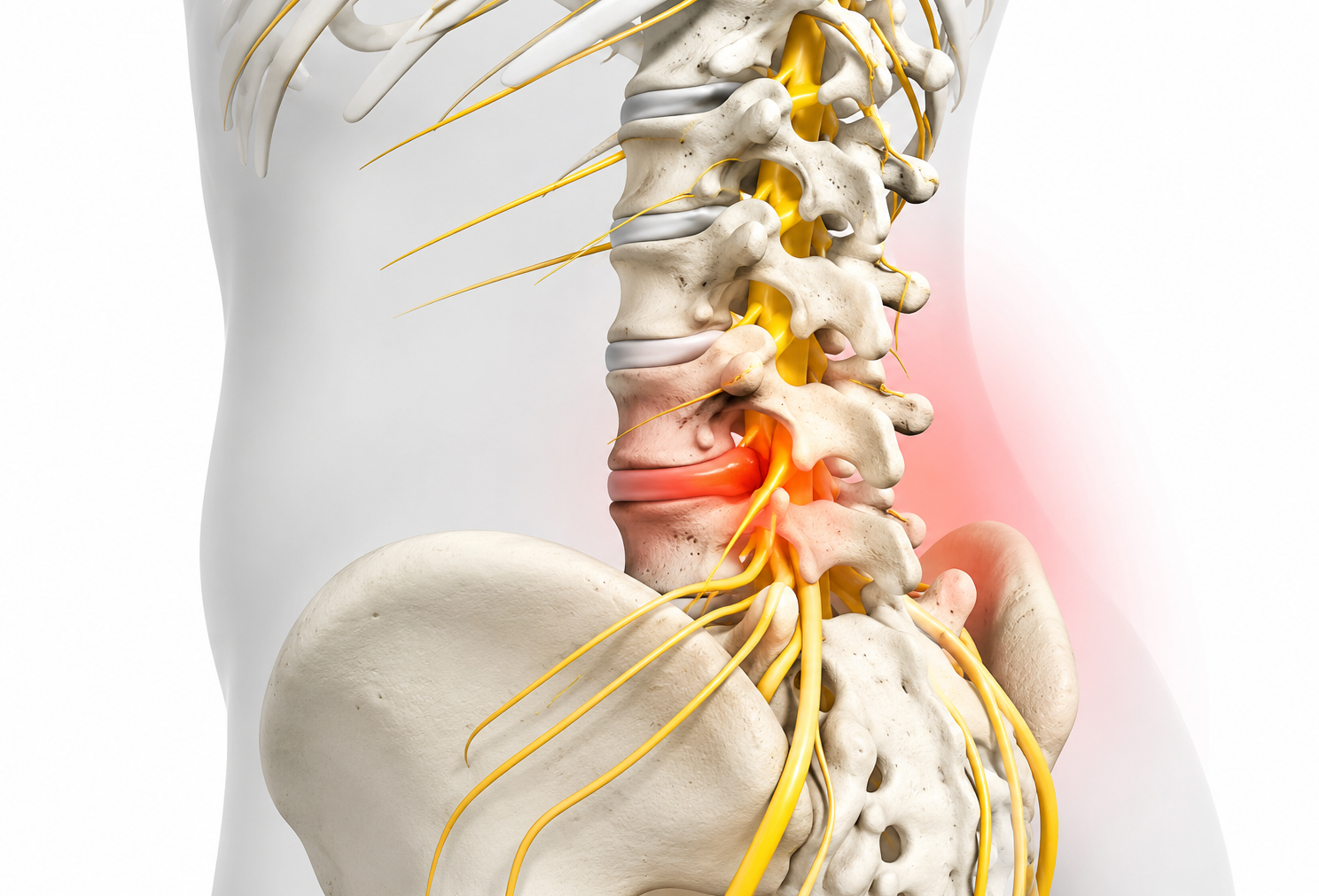
A herniated disk happens when the soft inner center of a spinal disk pushes through a tear or weak spot in the tougher outer layer. It can press on nearby nerves and cause sharp pain, burning pain, numbness, tingling, or muscle weakness. Herniated disks are most common in the lower back, where pain may travel into the buttocks, thigh, calf, or foot, but they can also occur in the neck and cause symptoms in the shoulder, arm, or hand. Many cases improve with time, rest, gentle movement, anti-inflammatory medication, and physical therapy. However, symptoms such as loss of bladder or bowel control, numbness in the saddle area, severe weakness, fever, or rapidly worsening pain should be treated as urgent warning signs.

滚动至顶部