Pneumonia: Symptoms, Causes, Types, Diagnosis, Treatment, Recovery, and Prevention
Article Summary: Pneumonia is a lung infection that causes the air sacs and small airways in the lungs to become inflamed and fill with fluid or pus. It can be mild enough to recover from at home, or severe enough to require hospitalization. Common symptoms include cough, fever, chills, chest pain, shortness of breath, fatigue, fast breathing, loss of appetite, and mucus production. Pneumonia may be caused by bacteria, viruses, fungi, or aspiration of food, saliva, or vomit into the lungs. Babies, older adults, smokers, people with chronic lung or heart disease, and those with weakened immune systems face higher risk. Treatment depends on the cause and may include antibiotics, antivirals, antifungals, oxygen therapy, fluids, breathing treatments, and rest. Vaccines, handwashing, avoiding smoke, and managing chronic illnesses can lower the chance of getting pneumonia.
Pneumonia is one of those illnesses that can look very different from person to person. One person may feel as though they have a stubborn chest cold that refuses to go away. Another may suddenly become weak, short of breath, feverish, and sick enough to need hospital care. This wide range is one reason pneumonia should be taken seriously, especially when breathing becomes difficult or symptoms keep getting worse.
At its core, pneumonia is an infection inside the lungs. The infection irritates and inflames the air sacs, making them fill with fluid or pus. When that happens, the lungs have a harder time moving oxygen into the bloodstream. This is why pneumonia can cause coughing, chest pain, rapid breathing, fatigue, and shortness of breath.
Some cases are caused by bacteria and may need antibiotics. Others are caused by viruses, fungi, or aspiration. The right treatment depends on the cause, the person’s age, their overall health, oxygen level, and how severe the infection has become. Knowing the warning signs can help you decide when home care is reasonable and when medical attention is needed.
Medical Reminder: This article is for general educational purposes only and should not replace medical advice. Seek medical care promptly if you have trouble breathing, chest pain, a fever of 102°F or higher, bluish lips or fingernails, confusion, worsening weakness, or a cough that does not improve.
What Is Pneumonia?
Pneumonia is an infection that affects the lungs. More specifically, it affects the tiny air sacs called alveoli and the small airways that connect to them. In healthy lungs, these air sacs fill with air when you breathe. In pneumonia, they may fill with fluid, mucus, or pus, making oxygen exchange harder.
Pneumonia can affect one lung or both lungs. When both lungs are involved, people may call it double pneumonia or bilateral pneumonia. Some milder cases are sometimes called walking pneumonia because the person may still be able to move around and continue some daily activities, even though they are infected.
Simple Explanation
Pneumonia means an infection has settled in the lungs. The air sacs become inflamed and may fill with fluid or pus, which can make breathing harder and reduce how much oxygen reaches the body.
Why Pneumonia Can Become Serious
The lungs are responsible for getting oxygen into the blood and removing carbon dioxide. When pneumonia fills parts of the lungs with fluid and inflammation, the body may not get enough oxygen. This can lead to fast breathing, rapid heartbeat, confusion, bluish lips or nails, and severe fatigue.
Pneumonia is especially concerning in young children, older adults, people with weak immune systems, and those with chronic conditions such as asthma, COPD, heart disease, diabetes, or kidney disease. In these groups, pneumonia can progress faster and cause complications more easily.
Breathing Strain
Fluid and inflammation make it harder for oxygen to move from the lungs into the blood.
Higher Risk Groups
Babies, older adults, smokers, and people with chronic illness are more likely to become seriously ill.
Complication Risk
Severe pneumonia can lead to respiratory failure, bloodstream infection, fluid around the lungs, or sepsis.
Main Types of Pneumonia
Pneumonia can be classified in several ways. One common method is by cause: bacterial, viral, fungal, mycoplasma, or aspiration pneumonia. Another method is by where the infection was caught, such as community-acquired pneumonia, hospital-acquired pneumonia, or ventilator-associated pneumonia.
Community-Acquired, Hospital-Acquired, and Ventilator-Associated Pneumonia
Doctors also classify pneumonia by where it was acquired. This matters because pneumonia caught in a hospital or healthcare facility may involve different bacteria, including bacteria that are harder to treat with common antibiotics.
Pneumonia Symptoms
Pneumonia symptoms can develop over several days, though some bacterial cases may feel more sudden. The exact pattern depends on the germ causing the infection, the person’s age, and their overall health. Some people have obvious fever and cough, while others mainly feel weak, confused, or short of breath.
Common pneumonia symptoms may include:
✓ Cough, often with mucus or phlegm.
✓ Fever, sweating, or chills.
✓ Sharp chest pain when breathing or coughing.
✓ Shortness of breath or fast breathing.
✓ Fatigue, weakness, or loss of appetite.
✓ Nausea, vomiting, or diarrhea.
✓ Headache or body aches.
✓ Bluish lips or fingernails in serious cases.
Seek Medical Care Promptly If You Have:
Trouble breathing or rapid breathing.
Chest pain that worsens when breathing or coughing.
A fever of 102°F or higher.
Cough that does not improve or keeps worsening.
Bluish lips, fingernails, or skin tone changes.
Confusion, extreme sleepiness, fainting, or severe weakness.
Symptoms in a baby, older adult, or person with a weak immune system.
Pneumonia Symptoms in Babies and Older Adults
Babies and older adults may not show the same symptoms as healthy adults. A baby with pneumonia may not have a strong cough, but may seem unusually tired, restless, feverish, or unwilling to feed. Breathing may look fast, labored, or noisy.
Older adults may have fewer classic symptoms. Instead of a high fever, they may have a lower-than-usual temperature, confusion, weakness, worsening balance, reduced appetite, or a sudden change in thinking. These subtle signs should not be ignored.
What Causes Pneumonia?
Pneumonia happens when germs or irritating substances overwhelm the body’s defenses and infect the lungs. The body usually has ways to trap and clear germs before they reach deep lung tissue, but those defenses can be weakened by illness, age, smoking, chronic disease, or immune system problems.
Is Pneumonia Contagious?
Some types of pneumonia are contagious, especially those caused by bacteria and viruses. The germs can spread through droplets when an infected person coughs, sneezes, talks, or touches surfaces. However, not everyone exposed to the germ will develop pneumonia. Some may get a mild cold or no illness at all.
Fungal pneumonia usually is not spread person to person. It is more often linked to environmental exposure. Aspiration pneumonia also is not contagious in the usual sense because it happens when material is inhaled into the lungs.
Practical Tip
If you have pneumonia caused by a virus or bacteria, limit close contact with others while you are sick. Cover coughs, wash hands often, clean shared surfaces, and follow your doctor’s advice about when it is safe to return to work, school, or group settings.
Pneumonia Risk Factors
Anyone can get pneumonia, but some people are more vulnerable. Risk increases when the lungs are already irritated, the immune system is weak, swallowing is impaired, or chronic illness makes it harder for the body to recover from infection.
Higher-risk groups include people who:
✓ Are younger than 2 or older than 50.
✓ Have asthma, COPD, heart disease, diabetes, or kidney disease.
✓ Have a weakened immune system.
✓ Smoke or breathe secondhand smoke.
✓ Misuse alcohol or drugs.
✓ Have trouble swallowing or a poor gag reflex.
✓ Spend time in hospitals or long-term care facilities.
✓ Use a ventilator or have frequent exposure to dust, fumes, or chemicals.
How Pneumonia Is Diagnosed
A doctor will usually begin by asking about your symptoms, how long you have been sick, whether you have been around ill people, your medical history, smoking status, and any underlying conditions. They will listen to your lungs with a stethoscope. Crackling, bubbling, or rumbling sounds may suggest infection or fluid in the lungs.
Testing helps confirm the diagnosis, estimate severity, and identify the cause when possible. Not every person needs every test. Mild cases may need only an exam and chest X-ray, while more serious cases may require blood tests, oxygen measurement, sputum testing, CT scan, or hospital-based evaluation.
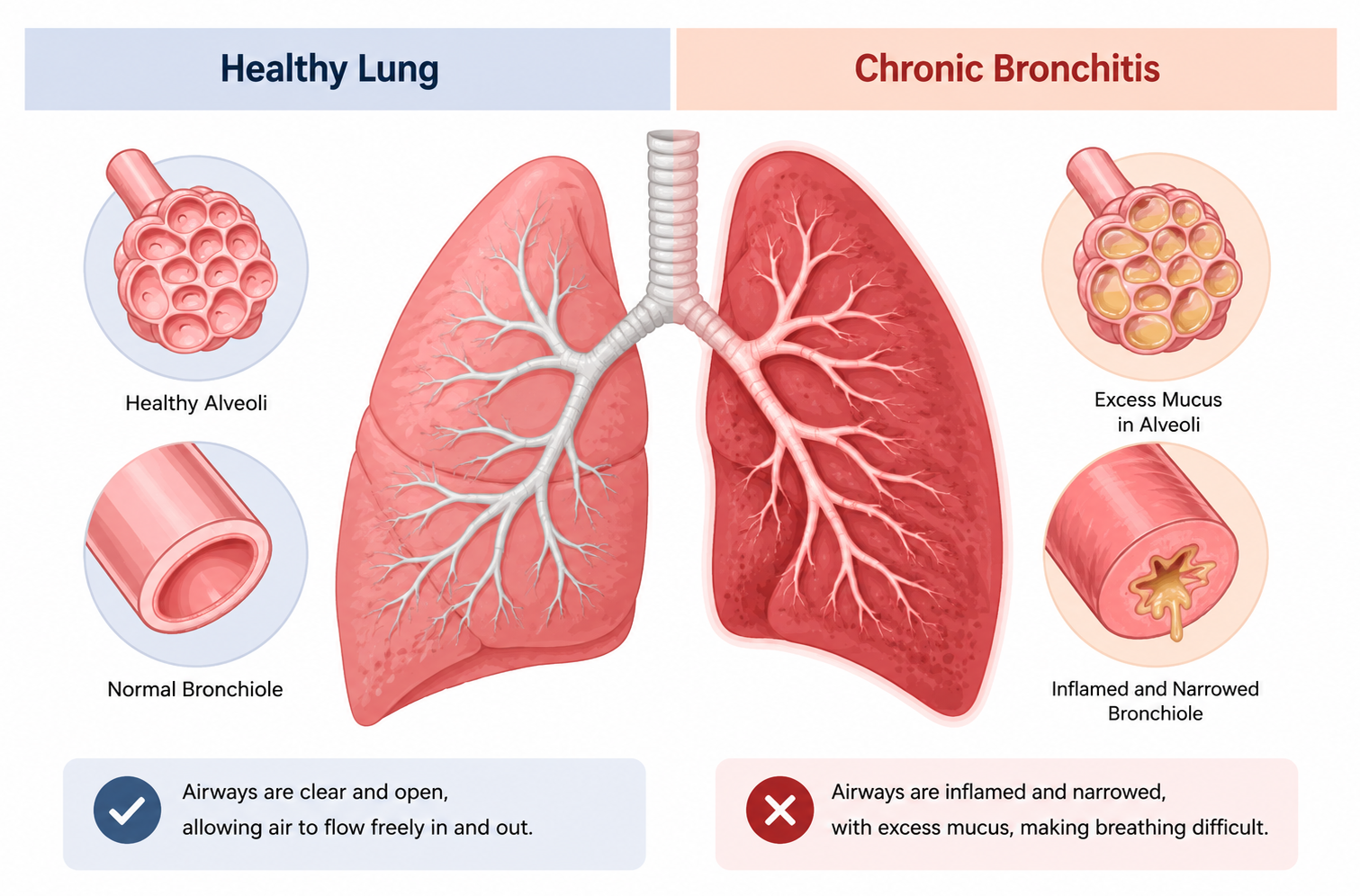
Pneumonia vs. Bronchitis
Pneumonia and bronchitis can both cause cough, chest discomfort, mucus, fever, and fatigue. The main difference is where the infection or inflammation is located. Bronchitis affects the bronchial tubes, which carry air into the lungs. Pneumonia affects the air sacs deep inside the lungs.
Possible Complications of Pneumonia
Many people recover from pneumonia without lasting problems. However, pneumonia can cause complications, especially in high-risk individuals or when treatment is delayed. Some complications affect the lungs directly, while others affect the bloodstream, kidneys, heart, or entire body.
Pneumonia Treatment
Treatment depends on what caused the pneumonia and how sick the person is. A healthy adult with mild bacterial pneumonia may recover at home with antibiotics and rest. A baby, older adult, or person with low oxygen levels may need hospital care.
Antibiotic Safety Note
If antibiotics are prescribed, take them exactly as directed. Stopping early because you feel better can allow the infection to return or make bacteria harder to treat. If side effects occur, contact your healthcare provider instead of stopping on your own.
When Hospitalization May Be Needed
Hospital care may be recommended if pneumonia is severe, oxygen levels are low, breathing is difficult, the person cannot keep fluids down, or there are other health conditions that raise complication risk. In the hospital, treatment can be adjusted quickly if symptoms worsen.
Hospital treatment may include:
✓ Oxygen therapy.
✓ IV antibiotics or fluids.
✓ Breathing treatments.
✓ Monitoring of oxygen levels and heart rate.
✓ Drainage of fluid around the lungs if needed.
✓ Ventilator support in severe respiratory failure.
Home Care and Recovery
If your doctor says you can recover at home, rest becomes part of the treatment. Pneumonia can leave you exhausted even after fever improves. It is common to feel tired for several weeks, and trying to return to full activity too quickly can slow recovery.
Home recovery checklist
✓ Rest as much as possible.
✓ Drink water, warm tea, broth, or other fluids.
✓ Take prescribed medication exactly as directed.
✓ Use fever or pain medicine only as advised.
✓ Avoid smoking and secondhand smoke.
✓ Use a humidifier if it helps loosen mucus.
✓ Avoid cough suppressants unless your doctor approves.
✓ Call your doctor if symptoms worsen instead of improving.
How Long Does Pneumonia Last?
Recovery time depends on the type of pneumonia, severity, age, and overall health. Some people begin feeling better within a week, while others need several weeks or longer to fully regain energy. Fatigue can linger even after fever and cough improve.
How to Prevent Pneumonia
Pneumonia cannot always be prevented, but the risk can be reduced. Prevention is especially important for people at higher risk of severe infection. Vaccines, hygiene, smoke avoidance, and good management of chronic conditions all play a role.
Prevention Tip
Vaccination is one of the most useful prevention tools, especially for children, older adults, smokers, and people with chronic medical conditions. Ask your healthcare provider which pneumonia, flu, COVID-19, RSV, or other vaccines are appropriate for your age and risk level.
Pneumonia prevention checklist
✓ Wash hands thoroughly and often.
✓ Stay away from people who are sick when possible.
✓ Cover coughs and sneezes with a tissue, sleeve, or elbow.
✓ Clean frequently touched surfaces.
✓ Do not smoke, and avoid secondhand smoke.
✓ Manage asthma, COPD, diabetes, and heart disease carefully.
✓ Stay current with recommended vaccines.
✓ Support immunity with sleep, nutrition, movement, and hydration.
Pneumonia Vaccines and Other Protective Vaccines
Pneumococcal vaccines help protect against infection with pneumococcus, a common bacterial cause of pneumonia. Vaccine schedules depend on age, medical conditions, immune status, and previous vaccine history. Children, adults age 50 and older, smokers, and people with long-term health conditions may be advised to receive pneumococcal vaccination.
Other vaccines can also reduce pneumonia risk by preventing infections that may lead to pneumonia. These may include flu, COVID-19, RSV, Hib, measles, whooping cough, and chickenpox vaccines, depending on age and risk.
Questions to Ask Your Doctor
What type of pneumonia do I likely have?
Do I need a chest X-ray or oxygen level check?
Do I need antibiotics, antivirals, or another medication?
How long should it take before I start feeling better?
What symptoms mean I should go to urgent care or the emergency room?
Should I avoid work, school, or close contact with others?
Do I need a follow-up visit or repeat imaging?
Which vaccines should I receive after I recover?
Is my asthma, COPD, heart disease, diabetes, or immune condition increasing my risk?
When can I safely return to exercise or normal activities?
Frequently Asked Questions About Pneumonia
Can pneumonia go away on its own?
Some mild viral cases may improve with rest and supportive care, but pneumonia should not be ignored. Bacterial pneumonia usually needs antibiotics, and severe pneumonia can become dangerous quickly.
How do I know if pneumonia is getting better?
Fever should improve, breathing should become easier, chest pain should lessen, mucus may decrease, and coughing should gradually become less intense. Fatigue can last longer than other symptoms.
Is walking pneumonia still contagious?
It can be. Walking pneumonia is often caused by mycoplasma bacteria, which can spread through respiratory droplets. People should use good hygiene and avoid close contact while actively sick.
Can the flu or COVID-19 turn into pneumonia?
Yes. Influenza and COVID-19 can directly cause viral pneumonia. They can also weaken the body and make it easier for a secondary bacterial pneumonia to develop.
Should I take cough medicine for pneumonia?
Ask your doctor first. Coughing helps clear mucus from the lungs, so suppressing it is not always helpful. Your provider can tell you what is safe based on your symptoms and medical history.
How often do adults need a pneumonia vaccine?
The schedule depends on age, health conditions, and which pneumococcal vaccine was given before. Adults 50 and older and younger adults with certain risk factors should ask their healthcare provider which vaccine schedule applies to them.
Final Thoughts: Pneumonia Deserves Careful Attention
Pneumonia is more than a bad cough. It is an infection inside the lungs that can make breathing difficult and reduce oxygen delivery to the body. Some cases are mild, but others can become serious, especially in young children, older adults, smokers, and people with chronic medical conditions.
The most important step is recognizing when symptoms need medical attention. A cough that worsens, chest pain with breathing, high fever, fast breathing, confusion, bluish lips, or severe fatigue should not be brushed aside. Early diagnosis and the right treatment can reduce the risk of complications.
Recovery takes patience. Even after the infection begins improving, tiredness can linger. Rest, fluids, medication adherence, smoke avoidance, and follow-up care all help the lungs heal. Prevention also matters: vaccines, handwashing, healthy habits, and good chronic disease control can reduce your chances of getting pneumonia again.
Final Reminder: Pneumonia can range from mild to life-threatening. If you have trouble breathing, chest pain, high fever, confusion, bluish lips or nails, or symptoms that are getting worse instead of better, seek medical care promptly.