Lymphedema: Causes, Symptoms, Stages, Treatment Options, Daily Care, and Prevention Tips
Article Summary: Lymphedema is long-term swelling caused by a buildup of lymph fluid, most often in an arm or leg, though it can also affect the chest, abdomen, face, genitals, or other areas. It happens when the lymphatic system is damaged, blocked, underdeveloped, or unable to drain fluid properly. Common causes include cancer treatment, lymph node surgery, radiation therapy, infection, injury, obesity, vascular disease, and inherited lymphatic problems. While lymphedema usually cannot be cured completely, it can often be managed with compression garments, bandaging, manual lymph drainage, exercise, skin care, weight management, and, in selected cases, surgery. Early recognition matters because untreated lymphedema can worsen over time and increase the risk of infection, skin changes, reduced mobility, and other complications.
Lymphedema can begin quietly. At first, a sleeve, ring, shoe, or bracelet may feel tighter than usual. One arm or leg may feel heavy at the end of the day. The swelling may improve after rest, so it is easy to dismiss it as ordinary fluid retention, tiredness, or a minor circulation problem.
But lymphedema is not the same as temporary puffiness. It happens when lymph fluid cannot move through the lymphatic system as efficiently as it should. Over time, that trapped fluid can cause swelling, tightness, discomfort, skin changes, and a higher risk of infection. For some people, it also affects confidence and daily movement, especially when the swelling changes how clothing fits or how an arm or leg feels.
The encouraging part is that lymphedema can be managed. Treatment usually focuses on reducing swelling, keeping lymph fluid moving, protecting the skin, preventing infection, and helping the affected area stay as functional as possible. The earlier it is noticed and cared for, the easier it is to control.
Medical Reminder: This article is for general educational purposes only. If you have new swelling, swelling that does not go away, one-sided limb swelling, skin redness, warmth, fever, sudden pain, shortness of breath, or swelling after cancer treatment, speak with a healthcare professional promptly.
What Is Lymphedema?
Lymphedema is swelling caused by too much lymph fluid collecting in body tissues. Lymph is a clear, protein-rich fluid that moves through lymph vessels. It helps carry waste, bacteria, viruses, excess fluid, and immune cells toward lymph nodes, where unwanted material is filtered.
When lymph vessels or lymph nodes are missing, blocked, injured, removed, or overloaded, lymph fluid can build up under the skin. This buildup most often affects the arms or legs, but it can also appear in the trunk, breast, abdomen, face, neck, genitals, or pelvis.
Simple Explanation
Lymphedema means lymph fluid is not draining properly. Instead of moving smoothly through lymph vessels and lymph nodes, the fluid collects in one area and causes swelling, tightness, heaviness, and sometimes skin changes.
How the Lymphatic System Works
The lymphatic system is part of the body’s immune and fluid-balance network. Unlike the bloodstream, which has the heart to pump blood, the lymphatic system depends heavily on body movement, muscle contraction, breathing, and healthy lymph vessels to keep fluid moving.
This is why inactivity, injury, surgery, scarring, obesity, or lymph node removal can make drainage harder. When the system is damaged or overwhelmed, fluid can accumulate slowly and become harder to move over time.
Lymph Fluid
Carries excess fluid, proteins, waste, and immune cells away from tissues.
Lymph Nodes
Filter lymph fluid and help the immune system respond to infection and abnormal cells.
Muscle Movement
Gentle movement helps push lymph fluid through vessels and away from swollen areas.
What Causes Lymphedema?
Lymphedema develops when the lymphatic system cannot drain fluid normally. This can happen because the lymph vessels or nodes are damaged, blocked, removed, scarred, compressed, or not formed properly. Sometimes the cause is genetic. More often, lymphedema develops after another condition or treatment injures the lymphatic system.
Cancer and cancer treatment are common causes, especially when lymph nodes are removed or treated with radiation. But lymphedema can also be related to infection, injury, tumors, vascular disease, kidney disease, heart disease, obesity, inactivity, or scar tissue after surgery.
Cancer and Lymphedema
Cancer can affect the lymphatic system in several ways. A tumor may physically block lymph drainage. Leukemia and other blood-related cancers may affect lymphatic tissue. Surgery to remove lymph nodes can reduce drainage capacity, and radiation therapy can cause scarring that makes lymph flow less efficient.
Breast cancer treatment is one of the most familiar examples, because lymph nodes under the arm may be removed or treated with radiation. However, cancers in the abdomen, pelvis, genital area, head and neck, and other regions near lymphatic pathways can also lead to lymphedema.
After Cancer Treatment
Lymphedema does not always appear immediately. It may develop months or even years after lymph node surgery, radiation, or cancer-related lymphatic damage. New swelling after cancer treatment should always be discussed with your care team.
Primary vs. Secondary Lymphedema
Doctors usually divide lymphedema into two broad categories: primary and secondary. The difference is based on why the lymphatic system is not working properly.
Genital and Scrotal Lymphedema
Lymphedema can also affect the genital region. Scrotal lymphedema is a rare but often distressing form that affects the scrotum. Genital lymphedema can also involve the penis, pelvis, vulva, or labia. It may be primary, but it is often secondary to infection, cancer, cancer treatment, surgery, or lymphatic obstruction.
Because genital swelling can affect walking, urination, sexual activity, hygiene, and emotional wellbeing, it should not be ignored. A specialist can help identify the cause and discuss compression, skin care, infection prevention, and surgical options if needed.
Sensitive-Area Swelling
Swelling in the genital area can have several causes, including infection, hernia, tumor, fluid retention, or lymphedema. It is best evaluated by a healthcare professional rather than self-diagnosed.
Symptoms of Lymphedema
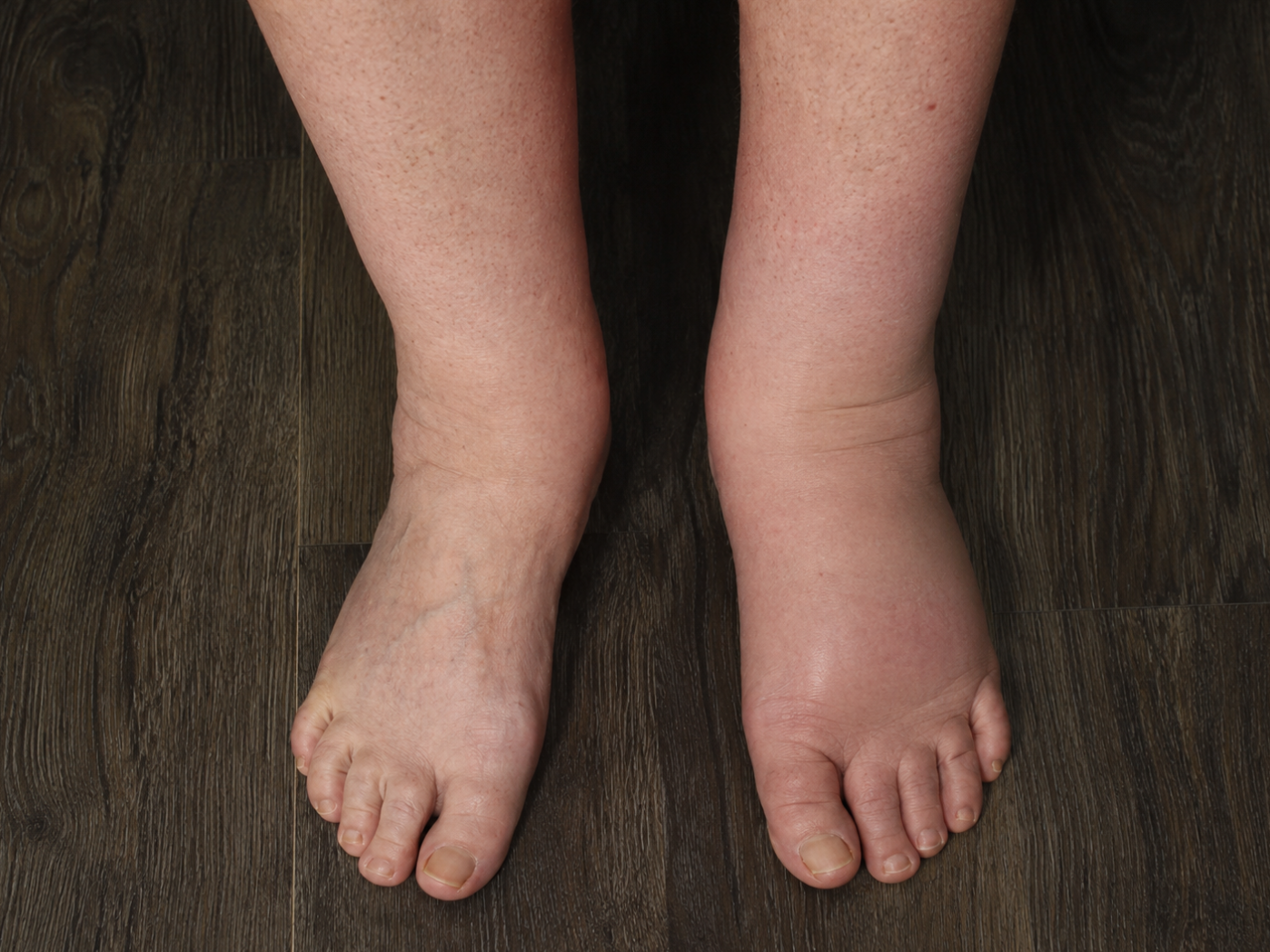
The main symptom of lymphedema is swelling. It may affect part of a limb or the entire arm or leg, sometimes extending into the fingers or toes. Early swelling may feel soft and come and go. Later, it may become firmer, heavier, and harder to reduce.
People often describe the affected area as tight, heavy, full, aching, itchy, burning, numb, or harder to move. Clothing, shoes, rings, watches, or bracelets may suddenly feel too tight.
Common symptoms people may notice
✓ Swelling in one or both arms or legs.
✓ Fingers or toes that look puffy.
✓ Tightness, heaviness, or fullness in the limb.
✓ Jewelry, shoes, or clothing feeling too tight.
✓ Reduced movement or stiff joints.
✓ Skin that looks thick, red, puffy, or firm.
✓ Repeated skin infections.
✓ Tingling, burning, itching, or aching sensations.
What Does Lymphedema Pain Feel Like?
Lymphedema pain is not always sharp. Many people describe it as pressure, heaviness, tightness, soreness, burning, itching, or a feeling that the skin is stretched too tightly. Some people feel numbness or tingling, especially when swelling puts pressure on nearby tissues.
In the abdomen or genital area, lymphedema may make walking, sitting, sexual activity, or daily hygiene uncomfortable. Pain that is sudden, severe, hot, red, or linked with fever may suggest infection or another urgent problem.
Stages of Lymphedema
Lymphedema is often grouped into stages based on swelling, skin changes, tissue firmness, and whether the swelling improves with elevation or rest. Staging helps doctors and therapists choose the right treatment plan.
Lymphedema vs. Edema vs. Lipedema
Not all swelling is lymphedema. Edema is a broad word that simply means swelling. It can happen because of heart disease, kidney disease, vein problems, medication side effects, injury, or other causes. Lymphedema is specifically swelling related to lymphatic system problems.
Lipedema is different again. It involves abnormal fat buildup, usually on both sides of the lower body, and does not respond normally to diet and exercise. Some people can have both lipedema and lymphedema, which makes proper diagnosis important.
How Lymphedema Is Diagnosed
Diagnosis begins with a medical history and physical exam. Your doctor may ask when the swelling began, whether it affects one side or both, whether it improves with elevation, whether you have had cancer treatment or surgery, and whether you have pain, redness, fever, or skin changes.
Because many conditions can cause swelling, imaging tests may be used to confirm lymphatic problems or rule out other causes such as blood clots, tumors, vein disease, heart problems, or kidney-related fluid retention.
Tests that may be used
| Lymphoscintigraphy | Uses a small amount of radioactive tracer to show lymph flow and blockages. |
| ICG lymphography | Uses medical dye to observe lymphatic drainage patterns. |
| Ultrasound | Helps check for blood clots, vascular issues, or other causes of swelling. |
| CT scan | Can show structural blockages, tumors, or deeper tissue changes. |
| MRI | Creates detailed images of tissues and may show lymphatic or soft-tissue changes. |
Treatment Options for Lymphedema
Lymphedema treatment is usually focused on control rather than cure. The main goals are to reduce swelling, improve movement, prevent infection, soften tissue, protect the skin, and help the person manage symptoms long-term.
Many people are treated with a combination of compression, manual lymph drainage, exercise, skin care, and education. This is often called complete decongestive therapy. Treatment should ideally be guided by a clinician or physical therapist trained in lymphedema care.
Surgery for Lymphedema
Surgery may be considered when lymphedema is advanced, difficult to control, or not responding well to conservative treatment. Surgical options depend on the cause, stage, tissue changes, and the person’s overall health.
Some procedures try to improve lymph drainage by connecting lymphatic channels to nearby veins. Others move healthy lymph nodes from another part of the body. In advanced cases with thickened tissue, surgery or liposuction may be used to remove fibrotic tissue or reduce limb size.
Before Considering Surgery
Ask your surgeon what stage of lymphedema you have, whether conservative therapy has been optimized, what outcome is realistic, whether compression will still be needed, and what risks apply to your specific case.
Possible Complications of Lymphedema
Lymphedema is not only a swelling problem. When fluid remains trapped in tissues, the skin can become more vulnerable to infection and injury. Over time, severe swelling can also cause thickened skin, reduced mobility, fluid leakage, and, very rarely, a type of soft tissue cancer called lymphangiosarcoma.
Seek Medical Care Promptly If You Notice:
Fever, chills, or feeling suddenly unwell.
Skin that becomes red, hot, painful, or more swollen than usual.
Red streaks, pus, or rapidly spreading tenderness.
Sudden swelling in one leg, especially with pain.
Shortness of breath or chest pain.
Fluid leaking through the skin.
A new lump, wound, or skin change that does not heal.
Living With Lymphedema: Daily Care That Helps
Managing lymphedema is often about consistency. Small daily habits can reduce swelling flares, protect the skin, and lower infection risk. Skin care is especially important because stretched, swollen skin can be more easily injured.
Movement also matters. Gentle muscle activity helps lymph fluid move. The goal is not to push through pain, but to keep the affected area active in a safe, gradual way.
Daily lymphedema care checklist
✓ Wash and moisturize skin regularly.
✓ Treat small cuts or scrapes right away.
✓ Wear compression garments as directed.
✓ Elevate the affected limb when helpful.
✓ Keep moving with gentle, approved exercise.
✓ Avoid tight jewelry, clothing, or shoes on the swollen area.
✓ Protect skin from burns, bug bites, and scratches.
✓ Call your doctor if swelling suddenly worsens.
Diet, Hydration, and Weight Management
There is no single “lymphedema diet” that cures swelling. However, balanced nutrition can support overall health, help with weight management, and reduce extra strain on the lymphatic system. A practical approach includes fruits, vegetables, whole grains, lean proteins, healthy fats, and enough fluids.
Salt can contribute to fluid retention in some people, so reducing very salty processed foods may help with overall swelling control. Hydration is also important. Drinking enough water supports normal body function and may help prevent the body from holding onto excess fluid.
Choose balanced meals
Fruits, vegetables, whole grains, and lean proteins can support energy and tissue health.
Limit excess salt
Very salty foods may worsen fluid retention for some people.
Manage weight steadily
Extra weight can add pressure to lymphatic pathways and make swelling harder to control.
What to Avoid With Lymphedema
Avoiding triggers can help reduce flare-ups and infection risk. The goal is not to live in fear of everyday activities, but to protect the affected area and respond quickly to problems.
Questions to Ask Your Doctor or Lymphedema Therapist
What is most likely causing my swelling?
Is this lymphedema, edema, lipedema, a blood clot, or another condition?
What stage of lymphedema do I have?
Should I see a certified lymphedema therapist?
What type of compression garment do I need?
Should I use bandaging, manual lymph drainage, or a pump?
What exercises are safe for my situation?
How should I care for my skin to prevent infection?
What symptoms mean I should call urgently?
Could surgery be an option if conservative treatment is not enough?
Frequently Asked Questions About Lymphedema
Can lymphedema go away?
Mild swelling may improve, especially when treated early, but established lymphedema often becomes a long-term condition. Treatment can reduce swelling, improve comfort, and prevent complications.
Is lymphedema life-threatening?
Lymphedema itself is usually not life-threatening, but complications such as cellulitis and sepsis can be serious. This is why skin care and infection prevention are so important.
What is the most common cause of lymphedema?
In many countries, cancer treatment, especially lymph node removal and radiation therapy, is a common cause. In other parts of the world, certain infections that block lymph vessels can also be a major cause.
Does exercise make lymphedema worse?
Gentle, well-planned exercise usually helps lymph flow and supports strength. The key is to start slowly, avoid painful overexertion, and follow guidance from a healthcare professional or lymphedema therapist.
Can I massage lymphedema myself?
Some people are taught self-manual lymph drainage techniques, but it should be learned from a trained therapist. Deep or aggressive massage is not the same as lymph drainage and may not be appropriate.
When should I worry about swelling?
Swelling should be checked if it is new, one-sided, persistent, painful, red, warm, or linked with fever, shortness of breath, or sudden worsening. These symptoms may point to infection, blood clot, or another urgent condition.
Final Thoughts: Lymphedema Is Manageable With Consistent Care
Lymphedema can affect comfort, movement, appearance, and confidence, but it does not have to define daily life. With the right plan, many people reduce swelling, prevent infections, and keep doing the activities that matter to them.
The most important step is recognizing the pattern early. A heavy limb, tight skin, recurring swelling, or swelling after cancer treatment should not be ignored. A trained healthcare provider can help confirm the cause and build a treatment plan that fits your stage and lifestyle.
Lymphedema care is often a routine, not a one-time fix. Compression, movement, skin protection, weight management, infection prevention, and follow-up support all work together. Small daily habits can make a real difference over time.
Final Reminder: Lymphedema is swelling caused by impaired lymph drainage. It may not be curable, but it is often manageable with compression, gentle exercise, skin care, manual lymph drainage, and infection prevention. New, painful, red, warm, or rapidly worsening swelling should be evaluated promptly.