
Kawasaki Disease in Children: Symptoms, Treatment, Heart Risks, and Recovery
Article Summary: Kawasaki disease is a childhood illness that causes inflammation in blood vessels throughout the body. It most often affects children under age 5 and can cause fever, rash, red eyes, swollen hands and feet, cracked lips, a red “strawberry tongue,” swollen lymph nodes, stomach symptoms, and peeling skin. The biggest medical concern is inflammation of the coronary arteries, which supply blood to the heart. When Kawasaki disease is recognized early and treated in the hospital with intravenous immunoglobulin and doctor-directed aspirin therapy, most children recover well. This guide explains the symptoms, causes, risk factors, diagnosis, treatment, complications, follow-up care, and when parents should seek urgent medical help.
Kawasaki disease can be frightening for parents because it often starts suddenly and looks like several illnesses at once. A child may have a high fever that does not improve as expected, red eyes, a rash, swollen hands, cracked lips, and unusual tiredness or irritability. At first, it may look like a viral infection, an allergic reaction, scarlet fever, measles, or another childhood illness.
The reason doctors take Kawasaki disease seriously is not only the fever or rash. The main concern is the heart. Kawasaki disease can inflame the coronary arteries, the blood vessels that bring oxygen-rich blood to the heart muscle. If these arteries become damaged, widened, or weakened, a child may need close heart monitoring even after the fever goes away.
The encouraging news is that Kawasaki disease is treatable. When doctors recognize it early and begin treatment promptly, most children recover without long-term problems. Because timing matters, parents should know the warning signs and seek medical care when a child has a persistent fever with symptoms involving the eyes, mouth, skin, hands, feet, or lymph nodes.
Important Health Note: This article is for general educational purposes only. Kawasaki disease needs medical evaluation and treatment. If your child has a fever lasting several days along with rash, red eyes, swollen hands or feet, cracked lips, red tongue, swollen neck glands, unusual irritability, or peeling skin, contact a doctor promptly.
What Is Kawasaki Disease?
Kawasaki disease is a form of vasculitis, which means inflammation of blood vessels. It can affect blood vessels throughout the body, including arteries that supply the heart. The disease is most often seen in young children, especially those under age 5, though older children can get it too.
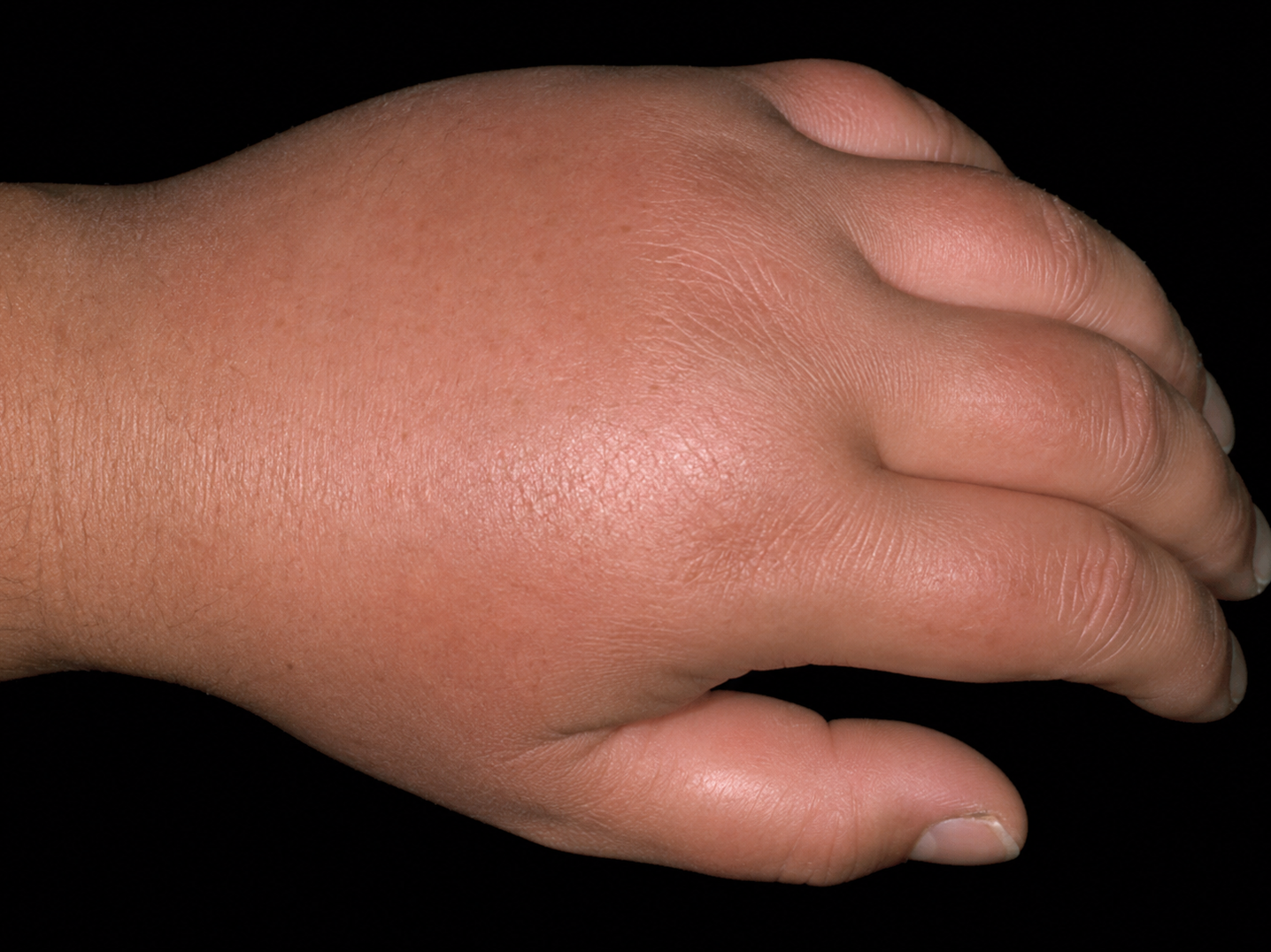
The illness usually develops in stages. The first stage often includes a high fever, red eyes, rash, swollen hands and feet, mouth changes, and swollen lymph nodes. Later, children may develop peeling skin, joint pain, stomach pain, vomiting, or diarrhea. Some symptoms fade before others appear, which can make diagnosis more challenging.
Kawasaki disease is not simply a skin condition or a fever illness. It is a systemic inflammatory disease, meaning it affects the body more broadly. That is why doctors often order blood tests and heart tests even when a child begins to look better.
Simple Explanation
Kawasaki disease is an inflammatory illness in children. It can cause fever, rash, red eyes, mouth changes, swollen hands and feet, and swollen neck glands. Doctors watch it closely because it can affect the heart’s blood vessels.
Why Kawasaki Disease Matters
Many childhood fevers improve with time, fluids, and supportive care. Kawasaki disease is different because untreated inflammation can involve the coronary arteries. These arteries are small but essential because they deliver blood to the heart muscle.
If the coronary arteries become inflamed, they may widen into aneurysms. An aneurysm is a bulging or weakened area in a blood vessel wall. Depending on its size and severity, it can raise the risk of blood clots, narrowed arteries, heart muscle damage, or other heart complications later.
This is why early treatment is so important. Kawasaki disease is one of the major acquired heart disease risks in children, but the risk of serious complications can be greatly reduced when the condition is diagnosed and treated promptly.
What Causes Kawasaki Disease?
The exact cause of Kawasaki disease is still not known. Researchers suspect that it may involve an unusual immune reaction in a child who is genetically susceptible. Infections, environmental exposures, seasonal patterns, and immune system responses have all been studied, but no single cause has been proven.
Kawasaki disease does not appear to spread in the same simple way as a cold or flu. It may occur in clusters in certain communities or seasons, but it is not usually considered directly contagious from one child to another.
Parents should also know that Kawasaki disease is not caused by poor hygiene, food choices, vaccines, parenting mistakes, or anything a child did wrong. When a child develops it, the focus should be on recognizing symptoms quickly and getting the right medical treatment.
Parent Reassurance: Kawasaki disease is not caused by a parent’s mistake. Scientists are still studying why it happens, but early medical care is the most important step once symptoms appear.
Risk Factors for Kawasaki Disease
Kawasaki disease can affect any child, but some children have a higher risk. Age is one of the strongest factors. Most cases occur in children younger than 5. Boys are affected more often than girls, and children of Asian or Pacific Islander descent have higher rates.
Season may also play a role. In many places, Kawasaki disease is seen more often during winter and spring. Family history may matter too, although most children with Kawasaki disease do not have a close relative who had it.
Early Symptoms of Kawasaki Disease
Kawasaki disease often begins with a fever that lasts several days. The fever may be high and may not respond well to usual fever-reducing medicine. A child may also look very uncomfortable, tired, or unusually irritable.
The classic signs involve several areas of the body: eyes, mouth, skin, hands, feet, and lymph nodes. Not every symptom appears at the same time. Some signs may show up early, while others appear later after the fever has continued.
Persistent Fever
Fever often lasts 5 days or more and may remain high despite usual care.
Red Eyes
Both eyes may look red, often without thick discharge.
Mouth Changes
Lips may become red, dry, cracked, or bleeding; the tongue may look bright red and bumpy.
Swollen Hands and Feet
The palms or soles may appear red, swollen, warm, or tender.
Kawasaki Disease Symptoms by Stage
Kawasaki disease is often described in phases, although real-life symptoms may overlap. A child may not follow the textbook pattern exactly. This is one reason parents should focus on the overall picture: persistent fever plus several unusual body-wide symptoms.
Call a Doctor Promptly If: Your child has a fever lasting 4 to 5 days with red eyes, rash, cracked lips, red tongue, swollen hands or feet, swollen neck glands, peeling skin, severe irritability, or stomach symptoms.
What Does the Kawasaki Disease Rash Look Like?
The rash of Kawasaki disease can vary. It may appear as flat red patches, blotchy areas, or slightly raised bumps. It often appears on the trunk, groin area, or between the chest and legs. On lighter skin, the rash may look red or pink. On darker skin, it may be harder to see and may appear as darker, purplish, or subtle uneven areas.
Because the rash can look different from child to child, it should not be used as the only clue. A child can have Kawasaki disease even if the rash is mild, hard to see, or appears after other symptoms. Fever duration and the full pattern of symptoms matter more.
Skin Tone Reminder
Redness can be harder to recognize on darker skin. Parents and clinicians should also watch for swelling, warmth, peeling, cracked lips, eye redness, unusual irritability, and changes from the child’s normal appearance.
Kawasaki Disease and MIS-C After COVID-19
Multisystem inflammatory syndrome in children, known as MIS-C, is a rare but serious inflammatory condition that can occur after COVID-19 infection. It can share symptoms with Kawasaki disease, including fever, rash, red eyes, stomach symptoms, and inflammation.
Because the two conditions can look similar, parents should not try to tell them apart at home. A doctor may ask about recent COVID-19 infection or exposure and may order blood tests, heart tests, and other evaluations to decide what is happening.
Both Kawasaki disease and MIS-C can involve the heart, so persistent fever with body-wide inflammation signs should always be taken seriously.
How Kawasaki Disease Is Diagnosed
There is no single simple test that proves Kawasaki disease in every child. Diagnosis is usually based on symptoms, physical exam, fever duration, blood test findings, and heart evaluation. Doctors also consider other illnesses that can look similar.
Classically, doctors look for fever lasting at least several days plus several major signs, such as red eyes, mouth changes, rash, swollen hands or feet, and swollen lymph nodes. However, some children have incomplete Kawasaki disease, meaning they do not show all classic signs but may still be at risk for heart problems.
Incomplete Kawasaki Disease
Incomplete Kawasaki disease happens when a child does not meet all classic criteria but still has enough signs and test findings to raise concern. This form can be especially difficult because the child may look like they have a viral illness, persistent fever, or another inflammatory condition.
Infants are more likely to have incomplete presentations, and they may also have a higher risk of heart complications if diagnosis is delayed. A baby with prolonged fever and unusual irritability, rash, red eyes, swelling, or lab evidence of inflammation may need careful evaluation even if not all classic symptoms are present.
Infant Warning: In babies, Kawasaki disease may not look textbook. Persistent fever in an infant should always be discussed with a healthcare professional, especially if the baby is unusually irritable, feeding poorly, or has rash, eye redness, or swelling.
Treatment for Kawasaki Disease
Treatment usually happens in the hospital. Hospital care allows the medical team to give IV medicine, monitor the child’s fever and inflammation, evaluate the heart, and watch for complications. The main treatment is intravenous immunoglobulin, often called IVIG, which is given through a vein.
IVIG is a concentrated mixture of antibodies that helps calm the immune system’s inflammatory response. It works best when given early in the illness, usually within the first 10 days from the start of fever, though treatment may still be needed later if inflammation or heart concerns remain.
Aspirin may also be used under medical supervision. This is one of the unusual situations where a child may receive aspirin, but parents should never give aspirin for fever or suspected Kawasaki disease unless a doctor specifically directs it. Aspirin use in children needs careful medical guidance.
Medication Safety: Aspirin is not usually recommended for children unless a doctor prescribes it for a specific condition such as Kawasaki disease. Always follow the pediatric care team’s exact instructions.
Why Heart Follow-Up Is Important
Even after fever improves, heart follow-up may still be needed. Coronary artery changes can appear during or after the early illness, so doctors often repeat echocardiograms over time. The exact schedule depends on the child’s symptoms, test results, and whether the coronary arteries look normal.
Children with normal heart tests may only need short-term follow-up. Children with coronary artery enlargement or aneurysms may need long-term care from a pediatric cardiologist. They may also need medicines to reduce clot risk and activity guidance depending on the severity.
Follow-Up Reminder: Do not skip heart follow-up appointments after Kawasaki disease. A child can look better on the outside while doctors still need to confirm that the coronary arteries remain healthy.
Possible Complications of Kawasaki Disease
Most children recover well with treatment, but Kawasaki disease can sometimes cause complications. The most important complications involve the heart and blood vessels. Coronary artery aneurysms are the complication doctors worry about most because they can affect long-term heart health.
Other possible complications include inflammation of the heart muscle, heart valve problems, abnormal heart rhythms, or inflammation of other blood vessels. Severe complications are less common when treatment begins early, but careful monitoring is still important.
Recovery and Outlook
With prompt treatment, most children with Kawasaki disease recover and return to normal activities. Fever often improves after treatment, but tiredness, peeling skin, joint aches, or irritability may take longer to resolve.
The outlook depends heavily on whether the heart is affected. Children with no coronary artery changes generally do very well. Children with coronary artery enlargement or aneurysms may need longer follow-up, medication, and activity guidance from a pediatric cardiologist.
Parents should keep copies of hospital records, echocardiogram results, discharge instructions, and medication plans. If the family changes doctors later, these records can help future providers understand the child’s history.
Care at Home After Hospital Treatment
After discharge, parents may need to give medicine, watch for fever returning, attend follow-up appointments, and help the child rest. Recovery can be emotionally stressful because a child may look better while the family is still worried about the heart.
Follow the discharge instructions closely. If the child is prescribed aspirin or another medicine, give it exactly as directed. Ask the medical team what to do if the child develops fever, vomiting, flu-like illness, chickenpox exposure, unusual bleeding, or other new symptoms.
Vaccines After IVIG Treatment
IVIG can affect how the body responds to certain live vaccines. Because of this, some vaccines may need to be delayed after treatment. Parents should not guess the timing on their own. The pediatrician or specialist can explain which vaccines should wait and when the child should catch up.
If a child is taking aspirin after Kawasaki disease, doctors may also discuss flu vaccination and other precautions because viral illnesses can affect aspirin safety. This is another reason follow-up with the pediatrician is important.
Vaccine Reminder: After IVIG, ask your child’s doctor when live vaccines such as MMR or varicella should be given. Bring the hospital discharge papers to vaccine visits.
When to Seek Urgent Medical Help
Parents should seek medical help if Kawasaki disease is suspected, especially when fever lasts several days and is paired with red eyes, rash, mouth changes, swelling, or peeling. After diagnosis and treatment, parents should also watch for symptoms that may suggest fever recurrence, medication problems, or heart concerns.
Call a Doctor or Seek Urgent Care If Your Child Has:
Fever lasting 4 to 5 days or longer.
Fever plus red eyes, rash, cracked lips, red tongue, or swollen hands and feet.
Severe irritability, unusual sleepiness, or poor feeding.
Chest pain, trouble breathing, fainting, or fast heartbeat.
Fever returning after hospital treatment.
Unusual bleeding, black stools, vomiting blood, or easy bruising while on aspirin.
Symptoms that look like Kawasaki disease after recent COVID-19 infection or exposure.
Questions Parents Can Ask the Doctor
Kawasaki disease can move quickly, and hospital conversations may feel overwhelming. Writing down questions can help parents understand the diagnosis, treatment plan, and follow-up schedule.
Helpful Questions for the Care Team
Does my child have classic or incomplete Kawasaki disease?
Were the coronary arteries normal on the echocardiogram?
Will my child need another echocardiogram, and when?
What medicine should my child take at home, and for how long?
What symptoms should make us return to the hospital?
Can my child return to school or daycare?
Are there any activity restrictions?
Should any vaccines be delayed after IVIG?
Does my child need a pediatric cardiologist?
Frequently Asked Questions About Kawasaki Disease
Is Kawasaki disease contagious?
Kawasaki disease is not usually considered contagious in the way common colds or flu are. The exact cause remains unknown.
Can Kawasaki disease go away without treatment?
Symptoms may eventually improve, but untreated Kawasaki disease has a higher risk of coronary artery complications. Medical treatment is important.
Why is aspirin used if children are usually told not to take it?
Kawasaki disease is a special situation where doctors may prescribe aspirin because the benefits can outweigh the risks. Parents should only give aspirin when a doctor specifically instructs them to do so.
Will my child have heart problems forever?
Many children recover without lasting heart problems, especially with early treatment. If the coronary arteries are affected, a pediatric cardiologist will guide long-term monitoring and care.
Final Thoughts: Early Treatment Protects the Heart
Kawasaki disease can look confusing at first because it combines fever, rash, eye redness, mouth changes, swelling, and sometimes stomach symptoms. Parents may not immediately connect these symptoms to a blood vessel inflammation condition, and that is understandable.
The key message is timing. A persistent fever with several Kawasaki-like symptoms should be evaluated promptly. Early treatment with IVIG and doctor-guided care can significantly reduce the chance of serious heart complications.
Most children recover well, but follow-up matters. Even after the fever fades, heart checks, medication instructions, vaccine timing, and activity guidance may still be part of recovery. With the right medical care and careful follow-up, many children return to normal life without lasting problems.
Final Reminder: Kawasaki disease is treatable, but it should not be ignored. If a child has several days of fever with red eyes, rash, mouth changes, swollen hands or feet, or peeling skin, prompt medical care can help protect the child’s heart and support a full recovery.