Salmonella Infection: Symptoms, Causes, Food Risks, Treatment, Recovery, and Prevention
Article Summary: Salmonella is a type of bacteria that can cause a foodborne illness called salmonellosis. People usually get infected after eating contaminated foods such as undercooked poultry, eggs, meat, unpasteurized dairy products, raw produce, or processed foods exposed to contamination. It can also spread through contact with infected animals, especially reptiles, birds, and some household pets. Common symptoms include diarrhea, stomach cramps, fever, chills, nausea, vomiting, headache, and sometimes bloody stool. Most healthy people recover at home within 3 to 7 days, but young children, older adults, pregnant people, and those with weakened immune systems may face a higher risk of dehydration or serious complications. Treatment usually focuses on fluids and electrolytes, while antibiotics may be needed for severe or high-risk cases. Safe food handling, proper cooking, handwashing, and avoiding cross-contamination are the best ways to reduce risk.
Salmonella infection is one of the most common causes of food poisoning. It often begins quietly: a meal that looked normal, a piece of chicken that seemed cooked enough, a cutting board used twice, or a quick snack handled after touching a pet. Hours or days later, the stomach cramps, diarrhea, fever, and weakness begin.
For many people, salmonella is unpleasant but short-lived. They stay home, drink fluids, rest, and slowly feel better over several days. But in some cases, the infection can become more serious. Severe diarrhea can cause dehydration, and in rare cases, the bacteria can move beyond the intestines into the bloodstream or other parts of the body.
Understanding how salmonella spreads is useful because many infections are preventable. Small habits in the kitchen — washing hands, separating raw meat from ready-to-eat foods, cooking poultry thoroughly, and cleaning surfaces — can make a real difference.
Medical Reminder: This article is for general educational purposes only. Seek medical care if diarrhea is severe or lasts more than a few days, if you have bloody stool, persistent high fever, signs of dehydration, severe abdominal pain, or if symptoms occur in a baby, older adult, pregnant person, or someone with a weakened immune system.
What Is Salmonella?
Salmonella is a group of bacteria that can live in the intestines of people and animals. When the bacteria enter the body through contaminated food, water, hands, or surfaces, they can cause an infection called salmonellosis. This infection mainly affects the digestive system.
Salmonella usually causes gastrointestinal symptoms, including diarrhea, fever, and stomach cramps. Symptoms often start within 12 to 96 hours after exposure, though in some cases they may take longer to appear. Most infections improve within a week, but the illness can feel intense while it lasts.
Simple Explanation
Salmonella is a bacteria that can make you sick when it gets into your stomach and intestines. It often spreads through contaminated food, especially raw or undercooked poultry, eggs, meat, and foods touched by raw meat juices.
Salmonella vs. E. Coli: What Is the Difference?
Salmonella and E. coli are both bacteria that can cause foodborne illness, but they are not the same. Both can cause diarrhea, stomach cramps, nausea, fever, and digestive upset. The difference is that they come from different bacterial families, may have different common sources, and can carry different complication risks.
How Salmonella Spreads
Salmonella spreads when bacteria from feces, contaminated food, raw meat juices, infected animals, or unclean hands reach the mouth. The most common route is contaminated food, but the infection can also spread through poor handwashing or contact with animals that carry the bacteria.
One of the tricky parts is that contaminated food may not look, smell, or taste spoiled. A piece of chicken can appear normal and still carry bacteria if it has not been cooked thoroughly or if its juices contaminate a salad, fruit, utensil, plate, or countertop.
Food Route
Bacteria can spread through undercooked poultry, eggs, meat, unpasteurized dairy, produce, and contaminated processed foods.
Surface Route
Raw meat juice can contaminate cutting boards, knives, plates, refrigerator shelves, sinks, and hands.
Animal Route
Reptiles, birds, cats, dogs, and other animals may carry salmonella even if they appear healthy.
Common Food Sources of Salmonella
Salmonella is often associated with raw or undercooked poultry and eggs, but it can appear in many foods. It may contaminate raw meat, produce, unpasteurized milk products, nut butters, frozen foods, and processed items if food safety breaks down at any stage.
Why Chicken Is a Common Source
Chicken is one of the best-known sources of salmonella. Raw chicken can carry bacteria on the surface and in juices. The danger is not only eating chicken that is undercooked. Cross-contamination is just as important: raw chicken juice can touch hands, counters, cutting boards, utensils, refrigerator drawers, or ready-to-eat foods.
One common mistake is washing raw chicken. It may seem cleaner, but rinsing chicken can splash bacteria around the sink and nearby surfaces. The safer approach is to cook chicken thoroughly and clean anything that raw chicken touched.
Kitchen Safety Warning
Do not wash raw chicken before cooking. Washing can spread bacteria to your sink, counter, utensils, and nearby foods. Cooking chicken to the correct internal temperature is what kills salmonella.
Salmonella Symptoms
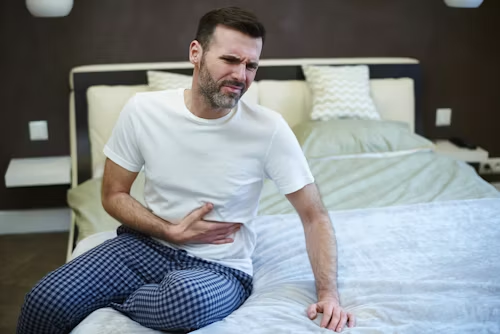
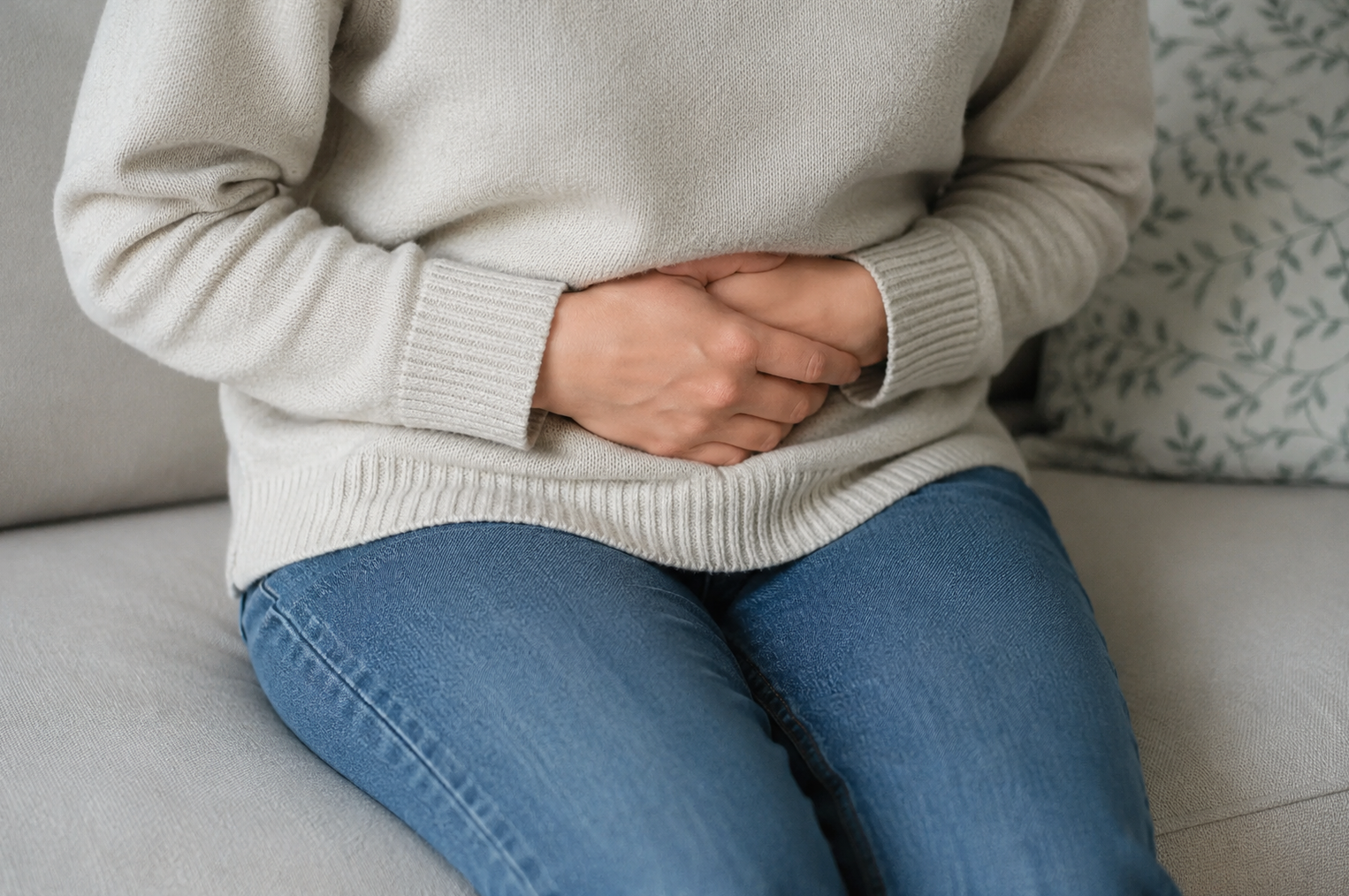
Salmonella mainly affects the stomach and intestines. Symptoms can range from mild discomfort to intense diarrhea and cramping. Many people feel like they have a severe stomach bug, with symptoms arriving after a delay rather than immediately after eating.
Common symptoms may include:
✓ Diarrhea, sometimes severe.
✓ Stomach pain or cramping.
✓ Fever or chills.
✓ Nausea or upset stomach.
✓ Vomiting.
✓ Headache or body weakness.
✓ Bloody stool in some cases.
✓ Signs of dehydration if fluid loss is significant.
Salmonella Incubation Period and Recovery Timeline
The incubation period is the time between exposure and symptoms. Salmonella symptoms often start within 12 to 96 hours after infection, though it may take up to a week in some cases. Most people recover within 3 to 7 days, but bowel habits and energy levels may take longer to feel completely normal.
Who Is at Higher Risk?
Anyone can get salmonella, but not everyone has the same risk of severe illness. Some people are more likely to become infected, become dehydrated, or develop complications. This includes young children, older adults, pregnant people, and anyone whose immune system is weakened.
Higher-risk groups include people who:
✓ Are younger than 5 years old.
✓ Are older adults.
✓ Are pregnant.
✓ Have weakened immune systems.
✓ Take medicines that reduce stomach acid.
✓ Take steroids, cancer medicines, or immune-suppressing drugs.
✓ Have inflammatory bowel disease.
✓ Travel to places with poor sanitation.
When to Call a Doctor
Many salmonella infections improve without medical treatment, but some situations need professional care. The biggest concern is dehydration, especially when diarrhea or vomiting prevents the body from keeping enough fluid and electrolytes.
Seek Medical Care If You Have:
Bloody stool or black-looking stool.
High fever that continues or worsens.
Diarrhea lasting more than several days.
Severe abdominal pain or worsening cramps.
Signs of dehydration, such as very little urination, dry mouth, dizziness, or sunken eyes.
Symptoms in a baby, older adult, pregnant person, or someone with a weakened immune system.
Confusion, fainting, severe weakness, or inability to keep fluids down.
Possible Complications
Most salmonella infections stay in the digestive tract and resolve within a week. However, complications can happen, especially in high-risk people or when dehydration becomes severe. Rarely, salmonella can move into the bloodstream and spread to other body areas.
How Salmonella Is Diagnosed
A doctor may suspect salmonella based on symptoms, recent foods, travel history, contact with sick people, exposure to animals, or a known food outbreak. Because many stomach infections look similar, testing may be used when symptoms are severe, long-lasting, bloody, or occur in high-risk patients.
Salmonella Treatment
The main treatment for most salmonella infections is hydration. Diarrhea and vomiting can remove fluid and electrolytes from the body. Replacing those losses helps prevent dehydration and supports recovery while the immune system clears the infection.
Antibiotics are not always needed. In uncomplicated cases, antibiotics may not shorten the illness and may sometimes extend the time bacteria are carried in the body. However, doctors may prescribe antibiotics for severe illness, bloodstream infection, or people at high risk of complications.
Hydration Tip
Water helps, but if diarrhea is frequent, an oral rehydration solution can replace both fluid and electrolytes. Watch urine color and frequency. Very little urination can be a warning sign of dehydration.
What to Eat While Recovering
During the worst part of the illness, appetite may be low. The first priority is usually fluids. As symptoms improve, bland, easy-to-digest foods may be better tolerated. Avoid heavy, greasy, spicy, or very sugary foods if they worsen diarrhea.
Usually Easier
Rice, toast, crackers, bananas, applesauce, soup, broth, potatoes, oatmeal, and simple meals.
Use Caution
Greasy foods, alcohol, spicy meals, large dairy servings, caffeine, or foods that worsen cramps.
Go Slowly
Return to normal eating gradually as diarrhea, nausea, and cramping improve.
Salmonella During Pregnancy
Pregnancy makes food safety especially important. Most salmonella infections during pregnancy do not cause serious pregnancy complications, but dehydration, high fever, and severe illness should be addressed quickly. In rare cases, salmonella can enter the bloodstream and create risks for both the pregnant person and the baby.
Pregnancy Safety Note
If you are pregnant and develop diarrhea, fever, vomiting, dehydration, or symptoms after eating a high-risk food, contact your healthcare provider. Also ask before taking anti-diarrheal medicine or antibiotics.
Salmonella Outbreaks and Food Recalls
A salmonella outbreak happens when two or more people become sick from the same contaminated food, drink, or exposure source. Outbreaks may involve restaurant foods, packaged products, produce, eggs, meat, pet foods, or animal contact.
If there is a salmonella recall or outbreak:
✓ Identify the exact recalled food or product.
✓ Do not eat it, even if it looks normal.
✓ Throw it away or return it according to recall instructions.
✓ Wash surfaces, drawers, containers, and utensils it touched.
✓ Watch for diarrhea, fever, cramps, or vomiting.
✓ Contact a doctor if symptoms are severe or you are high-risk.
How to Prevent Salmonella at Home
Preventing salmonella is mostly about breaking the chain of contamination. That means keeping raw foods separate, cooking foods thoroughly, washing hands carefully, storing food at safe temperatures, and cleaning surfaces after handling raw meat or eggs.
Salmonella prevention checklist
✓ Wash hands before and after handling food.
✓ Avoid raw or undercooked eggs, meat, and poultry.
✓ Choose pasteurized milk, juice, and dairy products.
✓ Do not wash raw poultry before cooking.
✓ Use separate cutting boards for raw meat and produce.
✓ Cook meat to safe internal temperatures.
✓ Refrigerate leftovers and perishable foods promptly.
✓ Wash hands after touching pets, reptiles, birds, animal bedding, or pet toys.
Preventing Salmonella From Pets and Animals
Animals can carry salmonella without looking sick. Reptiles, amphibians, birds, chicks, ducklings, cats, dogs, and small mammals can all spread bacteria through feces, bedding, cages, tanks, toys, or the surfaces they touch.
Pet Safety Tip
Wash hands after touching animals, pet food, pet bowls, bedding, cages, litter boxes, or tanks. Keep reptiles, amphibians, chicks, and ducklings away from kitchens and food preparation areas.
Questions to Ask Your Doctor
Do my symptoms suggest salmonella or another stomach infection?
Do I need a stool test or blood test?
Am I dehydrated, and do I need oral rehydration solution or IV fluids?
Should I avoid anti-diarrheal medicine in my situation?
Do I need antibiotics, or should I recover without them?
How long should symptoms last before I call again?
When can I return to work, school, or food preparation?
Should anyone else in my household be tested or monitored?
Could this be connected to a food recall or outbreak?
What foods should I avoid while recovering?
Frequently Asked Questions About Salmonella
How long does salmonella last?
Many people feel better within 3 to 7 days. Some symptoms, such as tiredness or bowel changes, may take longer to fully settle. Call a doctor if symptoms last more than a week or worsen.
How long are you contagious with salmonella?
A person can spread salmonella while the bacteria remain in the body, which may last for days or sometimes much longer. Careful handwashing is important even after symptoms improve.
Can salmonella go away without antibiotics?
Yes. Most healthy people recover without antibiotics. Treatment usually focuses on fluids and electrolytes. Antibiotics may be used for severe illness, bloodstream infection, or high-risk patients.
Can you get salmonella from chicken?
Yes. Raw or undercooked chicken is a common source. Salmonella can also spread when raw chicken juice contaminates cutting boards, utensils, counters, or ready-to-eat foods.
How long can salmonella live on surfaces?
Salmonella can survive on surfaces long enough to spread if counters, cutting boards, utensils, or refrigerator shelves are not cleaned properly. Wash contaminated surfaces with hot soapy water and sanitize when needed.
Should I stay home if I have salmonella symptoms?
Yes, especially while you have diarrhea, vomiting, or fever. Avoid preparing food for others while sick. People who work in food service, healthcare, or childcare may need specific clearance before returning.
Final Thoughts: Salmonella Is Common, but Prevention Works
Salmonella infection is common, but that does not mean it should be dismissed. For many people, it causes several days of diarrhea, fever, cramps, and weakness. For babies, older adults, pregnant people, and people with weakened immune systems, the same infection can become more serious.
The best first step during illness is hydration. Replace fluids early, rest, and watch for warning signs such as bloody stool, high fever, severe pain, dizziness, or very little urination. When symptoms are intense or last too long, medical care can help prevent complications.
Prevention is practical and powerful. Cook food thoroughly, separate raw and ready-to-eat foods, clean surfaces, wash hands after using the bathroom or touching animals, and avoid unpasteurized products. These habits may feel small, but they are the habits that keep salmonella out of the kitchen and away from the people most likely to get seriously ill.
Final Reminder: Salmonella usually causes diarrhea, fever, and stomach cramps, and most people recover within a week. Seek medical care for bloody stool, persistent high fever, severe dehydration, worsening symptoms, or illness in a high-risk person.