Why French Fashion Culture Shapes Global Taste
Article Summary: French fashion influences global aesthetics not only because Paris is home to famous luxury houses, but because French style has created a powerful cultural language around elegance, restraint, craftsmanship, individuality, and effortless beauty. From haute couture and Parisian street style to perfume, cinema, art, and luxury branding, French fashion teaches the world that style is not simply about wearing beautiful clothes. It is about attitude, proportion, confidence, and the ability to make simplicity feel unforgettable.
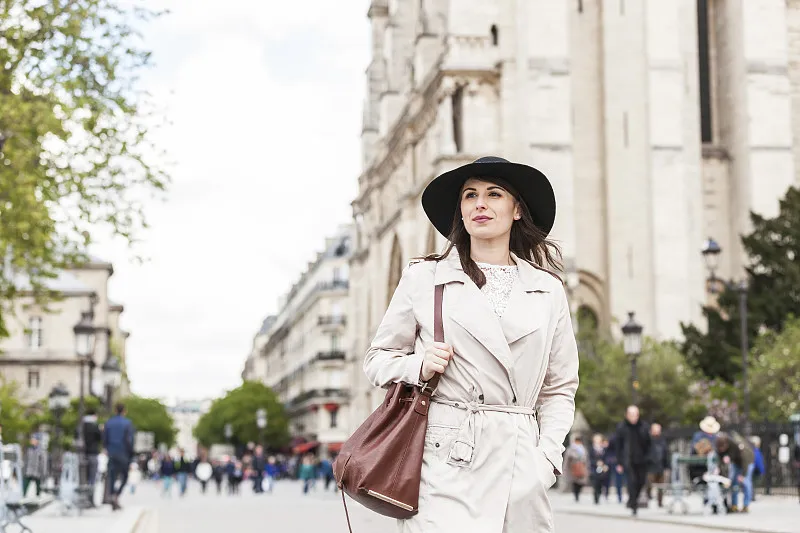
French fashion has a strange kind of power. It rarely needs to shout, yet the world keeps listening. A white shirt tucked into tailored trousers, a silk scarf tied without looking too perfect, a black dress that seems almost too simple, a red lip worn with bare skin, a trench coat moving through a rainy Paris street — these images have traveled far beyond France.
What makes French fashion so influential is not just clothing. It is a way of seeing beauty. French style suggests that elegance does not have to be loud, luxury does not have to be excessive, and confidence does not need constant explanation. It is less about chasing attention and more about creating presence.
This is why French fashion continues to shape global taste. It offers something many people desire but find difficult to define: the feeling of looking refined without looking overdone. The feeling of being dressed, but not dressed up too obviously. The feeling that style belongs not only to the runway, but to everyday life.
The French Fashion Secret
French fashion became globally powerful because it turned restraint into desire. It made simplicity feel intelligent, imperfection feel charming, and personal style feel more important than obvious decoration.
Paris Is Not Just a City. It Is a Fashion Stage.
To understand French fashion culture, it helps to understand Paris. The city itself has become part of the style mythology. Its narrow streets, old apartment buildings, cafés, galleries, bookshops, bridges, and grand avenues create a setting where fashion feels naturally connected to daily life.
In Paris, style is not only displayed on runways. It appears on sidewalks, in cafés, at museum entrances, on bicycles, in bakeries, and during quiet walks along the Seine. This matters because French fashion is not only about special occasions. It is about how ordinary moments can be given shape, mood, and elegance.
Paris became a global fashion capital because it learned how to turn the city into a visual language. The buildings, the light, the history, and the people all support the idea that fashion is not separate from culture. It is culture moving through the street.
French fashion feels powerful because it has a world around it.
The clothes are important, but so is the atmosphere: the café table, the museum wall, the old street, the quiet confidence of someone who does not need to explain their taste.
The Beauty of Not Trying Too Hard
One of the most famous ideas attached to French style is effortlessness. This does not mean French fashion requires no effort. In fact, the opposite is often true. The effort is simply hidden. The result appears natural, relaxed, and quietly polished.
A French-inspired look often depends on balance: a masculine blazer with soft hair, denim with a refined shoe, a simple dress with one strong accessory, natural makeup with a bold lipstick, or an old coat worn as if it has become part of the person’s life. The charm lies in contrast.
This approach influenced global aesthetics because it offered an alternative to obvious glamour. It told people they did not need to look perfect to look stylish. They needed taste, proportion, and attitude.
The French Style Equation
Simplicity
Clean lines, neutral colors, timeless pieces, and fewer unnecessary details.
Imperfection
Hair that is not too controlled, makeup that does not look heavy, and outfits that feel lived-in.
Confidence
The belief that personal presence matters more than following every trend.
Haute Couture Made Fashion Feel Like Art
France’s influence on global fashion also comes from haute couture. Couture is not simply expensive clothing. It is a tradition of craftsmanship, precision, handwork, imagination, and technical mastery. It treats the garment as something closer to sculpture than ordinary apparel.
Haute couture helped make Paris the place where fashion could be taken seriously as art. A dress was not only fabric. It could be architecture, fantasy, history, rebellion, theater, or poetry. The runway became a stage where designers could express ideas about femininity, power, beauty, modernity, and identity.
This artistic dimension gave French fashion a special authority. Around the world, people looked to Paris not only for what to wear, but for what fashion could become.
Couture Insight
Haute couture gave French fashion its aura. It showed that clothing could be more than practical or decorative — it could be a cultural object, a dream, and a technical masterpiece.
French Luxury Taught the World How to Desire
French luxury houses understand something essential about desire: people do not buy only objects. They buy stories, heritage, craftsmanship, symbols, and the feeling of entering a world. A handbag, perfume, scarf, lipstick, or pair of shoes can become meaningful because it carries an entire cultural atmosphere behind it.
This is one of France’s greatest fashion strengths. It knows how to connect material things with emotion. A perfume is not only a scent; it is memory. A bag is not only leather; it is status, identity, and belonging. A dress is not only a dress; it is a gesture toward elegance.
Global fashion branding has learned deeply from this. The modern luxury industry does not simply sell products. It sells a mythology. French fashion helped write the rules of that mythology.
French luxury is powerful because it makes objects feel storied.
The product matters, but the dream surrounding the product often matters even more.
The French Woman Became a Global Style Myth
Few fashion myths are as powerful as the image of the French woman. She is imagined as elegant but not overdone, intelligent but not cold, sensual but not obvious, independent but not loud. She wears simple clothes well. She does not seem desperate to impress. She owns her style instead of chasing approval.
Of course, this image is partly fantasy. Real French women are diverse, and no single aesthetic can represent an entire country. But the myth has still shaped global beauty culture. It has influenced makeup trends, hair styling, wardrobe choices, lifestyle branding, and even ideas about confidence.
The reason the myth survives is emotional. It promises freedom from trying too hard. It suggests that a woman can be stylish without becoming a product of trends. She can age, move, think, and live without needing to appear perfectly polished at every second.
What the “French Girl” Aesthetic Really Sells
Ease
The idea that beauty should feel natural, not overly engineered.
Individuality
The belief that personal attitude matters more than copying every seasonal trend.
Controlled Imperfection
The charm of looking refined without appearing too carefully manufactured.
French Fashion Understands the Power of Restraint
Many fashion cultures celebrate abundance: bold colors, heavy decoration, dramatic silhouettes, or constant novelty. French fashion often works differently. It frequently uses restraint as a source of power.
A French look may depend on one strong detail instead of many. A clean coat, beautiful shoes, a sharp shoulder, a perfectly cut pair of trousers, or one red lip can carry the entire image. The eye is not overwhelmed. It is guided.
This restraint has influenced global aesthetics because it feels timeless. Trends change quickly, but proportion, quality, and simplicity remain persuasive. French fashion reminds the world that what is removed can be as important as what is added.
Style Lesson
French style often asks one quiet question: what can be removed so that what remains feels stronger?
Cinema, Art, and Literature Made French Style Feel Intellectual
French fashion does not live alone. It is surrounded by cinema, art, literature, philosophy, photography, and café culture. This gives French style a certain intellectual atmosphere. A striped shirt is not only a shirt. A black turtleneck is not only a garment. A trench coat is not only outerwear. These pieces carry associations with artists, writers, actresses, students, rebels, and thinkers.
French cinema helped turn everyday clothing into visual poetry. A woman smoking outside a café, a couple walking through Paris, a character in a simple coat staring out a window — these images made ordinary garments feel cinematic. They taught audiences that style could be quiet and still emotionally charged.
This connection between fashion and culture made French style feel deeper than trend. It became attached to mood, thought, romance, melancholy, and artistic self-expression.
French fashion feels cultural because it is rarely just fashion.
It borrows atmosphere from films, books, paintings, cafés, streets, perfume, music, and the idea of a life lived with taste.
Perfume Turned Style Into Memory
French fashion culture also extends beyond clothing into scent. Perfume is one of France’s most powerful contributions to global beauty culture because it makes style invisible but unforgettable.
A perfume can change how a person is remembered. It can suggest elegance, mystery, softness, sensuality, freshness, or confidence before a word is spoken. French perfumery helped teach the world that beauty is not only seen. It is experienced through atmosphere.
This is why French aesthetics often feel complete. Clothing shapes the silhouette. Makeup frames the face. Perfume leaves the emotional trace. Together, they create a full sensory identity.
Sensory Elegance
French fashion culture understands that style is not only visual. The most memorable elegance may be seen, felt, and even scented.
Global Influence and the Risk of Romanticizing France
The global fascination with French fashion is real, but it is also important to be honest: the world often romanticizes France. Not every French person dresses elegantly. Not every Paris street looks like a fashion editorial. Not every “French girl” aesthetic reflects the diversity of real women in France.
The French fashion myth can be inspiring, but it can also become narrow. It may overrepresent thin bodies, white beauty standards, expensive lifestyles, and a limited idea of effortless chic. Like all fashion cultures, it deserves both admiration and critique.
Still, criticism does not erase its influence. It simply helps us understand it more clearly. French fashion is powerful not because it is perfect, but because it has created one of the most recognizable aesthetic languages in the world.
A Balanced View
French style is worth studying, but not blindly copying. Its best lesson is not to become someone else — it is to refine your own taste with more intention.
Why French Fashion Still Feels Modern
French fashion remains influential because it adapts without losing its core. It can be classic or rebellious, minimal or theatrical, romantic or intellectual. Paris can host couture gowns that look like dreams, while also inspiring everyday wardrobes built from jeans, coats, flats, blazers, and simple shirts.
This flexibility is crucial. French fashion is not only a museum of old elegance. It continues to absorb streetwear, gender fluidity, sustainability, multicultural influences, and younger ideas of identity. The best French style today is not frozen in nostalgia. It is in conversation with the present.
What remains consistent is the emphasis on taste. Trends may enter, but they are filtered. The question is rarely “Is this new?” The question is “Does this feel right?”
Why the French Aesthetic Keeps Traveling
It Feels Timeless
The focus on proportion, quality, and restraint makes many looks feel relevant beyond one season.
It Feels Personal
French style encourages attitude and individuality rather than only trend-following.
It Feels Aspirational
It connects clothing with lifestyle, culture, romance, intelligence, and the dream of elegance.
The Real Lesson of French Fashion
The greatest lesson of French fashion is not that everyone should dress like Parisians. That would miss the point. The real lesson is that style becomes more powerful when it is intentional.
French fashion asks people to notice cut, fabric, proportion, posture, scent, gesture, and mood. It encourages editing rather than accumulation. It suggests that personal style is not built by owning more things, but by understanding what suits you, what lasts, and what expresses your inner life with quiet clarity.
In that sense, French fashion is not only about aesthetics. It is about self-possession. It is about knowing yourself well enough not to be controlled by every trend.
French fashion does not say, “Look at me.”
At its best, it says, “I know who I am.”
Final Thoughts
French fashion culture influences global aesthetics because it offers more than beautiful clothes. It offers an attitude toward beauty. It teaches that elegance can be quiet, that luxury can be emotional, that simplicity can be powerful, and that personal style can carry more meaning than obvious display.
Its global power comes from many layers: Paris as a cultural stage, haute couture as art, luxury houses as storytellers, perfume as memory, cinema as mood, and everyday dressing as a kind of personal philosophy. Together, these layers have created one of the most influential fashion languages in the world.
But the most valuable part of French fashion is not the fantasy of becoming French. It is the invitation to look more carefully at your own taste. To buy less but choose better. To dress with more intention. To let one detail speak. To understand that style is not only what you wear, but how you carry yourself through the world.
That may be why French fashion never fully disappears from global imagination. It does not only follow beauty. It teaches people how to see it.
Final Reflection: French fashion remains globally influential because it turns style into culture. It reminds us that true elegance is not about wearing the most expensive thing, but about choosing with taste, moving with confidence, and allowing beauty to feel effortless without losing its depth.