
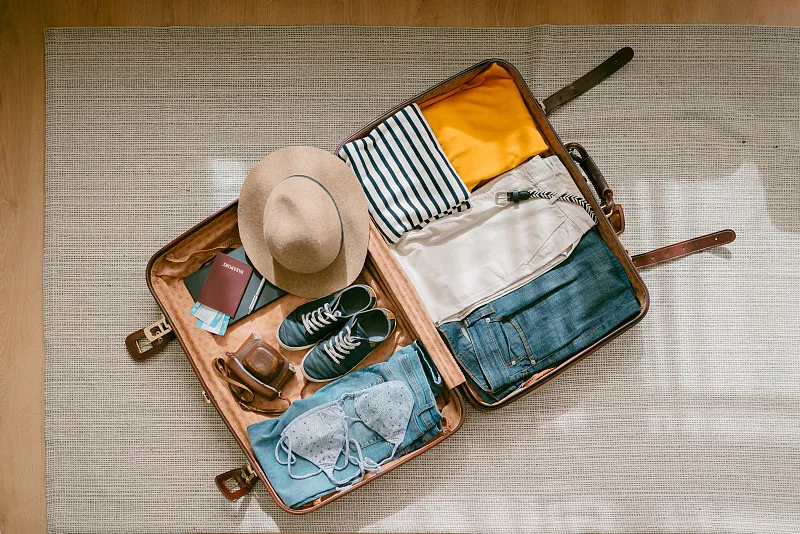
Packing Hacks for Traveling With Only a Carry-On
Travel Packing & Smart Trips
Traveling with only a carry-on sounds restrictive at first, but it can completely change the way a trip feels. No checked-bag fees, no baggage claim, no waiting at the carousel, and no worrying about whether your suitcase made the same connection you did. The secret is not packing less randomly — it is packing more deliberately.
Article Summary: Carry-on-only travel is not about surviving with almost nothing. It is about choosing versatile clothing, planning outfits before packing, using your personal item wisely, reducing bulky toiletries, organizing by category, and keeping travel essentials easy to reach. With a few practical packing habits, one carry-on can handle weekend trips, city breaks, business travel, and even longer vacations.
Most people overpack because they are trying to protect themselves from every possible scenario. What if it gets cold? What if we go somewhere nice? What if I need extra shoes? What if I spill something? What if I suddenly want a completely different outfit? Before long, the suitcase is full, heavy, and somehow still missing the one thing you actually need.
Carry-on travel forces a different mindset. Instead of asking, “What could I possibly need?” you start asking, “What will I actually use?” That one question changes everything. It makes you pack for real plans, real weather, real outfits, and real comfort instead of imaginary emergencies.
The reward is freedom. You move through the airport faster. You avoid baggage claim. You can change trains, hop into a rideshare, climb stairs, or walk a few blocks without dragging half your closet behind you. A lighter bag does not just save space. It makes the entire trip feel easier.
The Carry-On Mindset
Do not pack for every version of the trip. Pack for the trip you are actually taking: the weather, the activities, the dress code, the number of days, and the laundry options available.
Start With the Right Bag, Not the Biggest Bag
A good carry-on begins with the bag itself. The goal is not to find the largest suitcase you can force into an overhead bin. The goal is to choose a bag that fits airline limits, opens easily, organizes well, and feels manageable when you have to lift it, roll it, or carry it through a crowded airport.
A hard-shell suitcase can be helpful if you want structure and protection. A soft-sided bag may give you more flexible pockets. A travel backpack can be better if you are moving between trains, stairs, cobblestone streets, hostels, or multiple cities. The best choice depends on how you travel, not what looks best online.
Pay attention to weight before you even start packing. A heavy suitcase eats into your allowance before your clothes go in. If your bag is already difficult to lift when empty, it will only become more annoying during the trip.
Bag Choice Tip
Before choosing between a suitcase and backpack, think about your arrival day. If you will walk a lot, use public transportation, or climb stairs, mobility matters as much as capacity.
Build Outfits Before You Pack Clothes
One of the easiest ways to overpack is to throw individual pieces into the suitcase without planning outfits. A shirt you like, pants you might wear, a dress just in case, two sweaters, three extra tops — they all seem reasonable separately. Together, they become a bag full of options that may not actually work with each other.
Instead, lay out full outfits before anything enters the bag. Think by day and activity. What will you wear on the plane? What will you wear for walking around? What will you wear to dinner? Do you need one nicer outfit, or are casual clothes enough? Can the same pants work with three tops? Can one lightweight layer handle cool evenings?
This method keeps you honest. If an item does not belong to a real outfit, it probably does not need to come. Carry-on travel rewards clothes that mix well, repeat well, and do more than one job.
Outfit Rule
Every clothing item should work with at least two other items in your bag. If it only works in one very specific situation, reconsider it.
Choose a Simple Color Palette
A limited color palette is one of the quiet secrets of carry-on packing. It does not mean dressing boringly. It means choosing clothes that naturally work together. Neutral bottoms, a few tops in related colors, one light layer, and one pair of shoes that matches most outfits can save a surprising amount of space.
For example, black, white, denim, beige, olive, navy, and soft gray tend to mix easily. Add one color you enjoy through a shirt, scarf, jewelry, or lightweight accessory. This gives your outfits variety without forcing you to pack completely separate looks.
The goal is to avoid packing clothes that compete with each other. When everything works together, you can create more outfits with fewer pieces.
A smaller wardrobe feels bigger when everything matches.
Carry-on packing is less about the number of clothes and more about how many combinations those clothes can create.
Roll, Fold, and Compress With Intention
Rolling clothes can save space and make items easier to see, especially for T-shirts, casual pants, workout clothes, pajamas, and soft fabrics. Folding may work better for structured pieces, sweaters, button-down shirts, or items you want to keep flatter. The best method is not one technique for everything. It is using the right technique for each item.
Packing cubes can help because they turn a chaotic suitcase into sections. One cube for tops, one for bottoms, one for underwear and socks, one for sleepwear or activewear. Compression cubes can save even more room, but they can also make it easy to overpack. If the cube feels like a brick, you may have solved a space problem while creating a weight problem.
Leave a little room if you plan to shop, bring souvenirs, or carry food during the trip. A perfectly stuffed carry-on on departure day usually becomes frustrating by day three.
Packing Cube Strategy
Use one cube for everyday clothes, one for underwear and socks, and one small pouch for items that may get dirty or need to be separated.
Do not use compression as an excuse to bring things you already know you probably will not wear.
Be Ruthless With Shoes
Shoes are the fastest way to ruin a carry-on. They are bulky, heavy, awkwardly shaped, and often packed for fantasy versions of the trip. A pair for walking, a pair for dinner, a pair for the beach, a pair for workouts, a pair “just in case” — suddenly half the suitcase is footwear.
For most trips, two pairs are enough: one comfortable pair you wear on travel days and one backup pair that serves a specific purpose. That backup might be sandals, flats, lightweight sneakers, or dressier shoes depending on your destination. If a shoe is uncomfortable at home, it will be worse while traveling.
Use shoe space wisely. Stuff socks, small accessories, belts, or chargers inside shoes. Pack shoes in a bag or separate pouch so the soles do not touch clean clothing.
Shoe Rule
Wear your bulkiest shoes on the plane and pack only the lightest pair that truly fills a different need.
Downsize Toiletries Before They Take Over the Bag
Toiletries are another place where people overpack without noticing. Full-size shampoo, conditioner, body wash, lotion, cleanser, sunscreen, hair products, makeup, shaving cream, perfume, and skincare can quickly become heavier than the clothes themselves.
Start by asking what you truly need for the number of days you are gone. Travel-size containers, solid toiletries, sample packets, multi-use products, and destination purchases can all reduce bulk. A small solid shampoo or bar soap can last longer than you expect and avoids liquid limits entirely.
Keep airport rules in mind when packing liquids, gels, creams, pastes, and aerosols. Use properly sized containers and keep them together so security screening is easier. For medications or special needs, check current rules before your trip rather than guessing at the airport.
Toiletry Hack
Pack toiletries by routine, not by category. Morning routine, shower routine, night routine. If a product does not fit into a routine you will actually do while traveling, leave it out.
Use Your Personal Item Like a Mini Command Center
Your carry-on suitcase holds the trip. Your personal item should hold the flight. That distinction makes airport days much easier. Instead of opening your suitcase in the aisle or digging overhead for headphones, keep the things you need during travel under the seat in front of you.
A good personal item might include your passport or ID, wallet, phone, charger, power bank, headphones, medication, glasses, snacks, reusable water bottle, light layer, hand sanitizer, lip balm, pen, and anything valuable or fragile. If your carry-on gets gate-checked, your essentials still stay with you.
Do not turn the personal item into a second overstuffed suitcase. It should be organized enough that you can find things quickly while seated. Small pouches help: one for tech, one for documents, one for comfort items.
Personal Item Rule
Anything you cannot afford to lose, check, or be separated from should go in your personal item, not in the overhead suitcase.
Pack Tech Carefully and Keep Power Banks Accessible
Tech items are small, but they create clutter quickly. Chargers, adapters, headphones, camera batteries, cables, power banks, watches, tablets, laptops, and memory cards can tangle into a mess unless you give them a home.
Use one tech pouch. Keep cords wrapped, adapters together, and small accessories in zippered sections. Before packing every cable you own, ask what devices you are actually bringing and whether one charger can cover more than one item.
Keep spare batteries and power banks accessible in your carry-on or personal item, and always check current airline and aviation safety rules before flying. If your bag is gate-checked, remove items that must remain with you in the cabin.
A clean tech pouch can save an airport day.
The less time you spend untangling cords at the gate, the more relaxed the whole travel day feels.
Wear the Bulkiest Items on Travel Day
If you need a jacket, boots, jeans, or a sweater, wear the bulkiest version on the plane. It frees up space in the suitcase and keeps your bag lighter. This works especially well for cold-weather trips, city breaks, and destinations where temperatures change between day and night.
The key is comfort. Do not wear something so bulky or stiff that the flight becomes miserable. Choose layers you can remove easily, especially if you are moving between warm airports, cold planes, and changing destination weather.
A lightweight jacket with pockets can also help on travel days. It gives you a place for boarding passes, earbuds, lip balm, or small items you want close without constantly opening your bag.
Plan for Laundry Instead of Packing More
For trips longer than a few days, laundry is the difference between smart packing and overpacking. You do not need a fresh complete outfit for every single day if you can rewear, rinse, or wash a few pieces during the trip.
Choose fabrics that dry quickly and resist wrinkles. Pack a small laundry bag, a few detergent sheets, or a tiny amount of travel detergent. Even if you do not plan to do a full wash, being able to rinse socks, underwear, or a lightweight top can extend your wardrobe.
If you are staying in an apartment rental, hotel with laundry, hostel, cruise cabin, or long-stay accommodation, check laundry options before you pack. Knowing you can wash clothes on day four may cut your clothing pile in half.
Laundry Packing Tip
Pack enough for half the trip, then plan one laundry reset. This works especially well for trips of one week or longer.
Keep One Small “Just in Case” Kit
Carry-on packing does not mean ignoring real needs. It means limiting the “just in case” category so it does not take over the bag. A small pouch can hold basic problem-solvers without becoming a travel junk drawer.
Good small items include a few bandages, pain reliever, motion-sickness tablets if needed, safety pins, stain remover wipe, mini sewing kit, blister patches, hair tie, spare contact lenses, earplugs, and a small amount of any personal medication you rely on.
The pouch should stay small. If it grows into a full medical cabinet, you have gone too far. Pack for likely inconveniences, not every possible emergency.
Smart “Just in Case” Rule
If you can easily buy it at your destination and it is not urgent, expensive, or personal, it probably does not need space in your carry-on.
Leave Space for the Trip to Change
A common carry-on mistake is packing the bag to absolute capacity before leaving home. It feels efficient for about five minutes. Then you buy a book at the airport, pick up snacks, add a souvenir, or need to repack quickly in a hotel room, and suddenly the suitcase becomes a puzzle you have to solve every morning.
Leave a little empty space. It makes the bag easier to close, easier to organize, and more forgiving when travel gets messy. A small foldable tote can also help if you need a temporary market bag, beach bag, laundry bag, or overflow bag for the return trip.
Carry-on travel should make you feel lighter, not trapped. If every repack feels like engineering, you brought too much.
A Simple Carry-On Packing Flow
First, plan the outfits. Then remove anything that does not match the plan.
Next, pack shoes, toiletries, tech, and essentials in separate sections or pouches.
Finally, close the bag without forcing it. If you have to sit on the suitcase, edit again.
What to Avoid When Packing Carry-On Only
The biggest carry-on mistakes are usually emotional, not technical. Packing clothes for a fantasy itinerary. Bringing shoes that hurt. Carrying full-size toiletries because they feel familiar. Adding extra outfits because choosing feels hard. Packing too many devices because you imagine using them all.
Avoid packing from fear. If you are worried about weather, bring one flexible layer instead of three separate options. If you are worried about looking too casual, bring one outfit that can be dressed up with accessories. If you are worried about running out of clothes, plan laundry instead of doubling the suitcase.
Carry-on packing gets easier every time you travel because you begin to notice what you actually use. Pay attention after each trip. The items you never touched are teaching you how to pack better next time.
The best packing list is the one you edit after every trip.
What you did not wear, use, or need should not automatically come with you next time.
Final Thoughts
Traveling with only a carry-on is not about proving how minimalist you are. It is about making the trip smoother. You move faster, worry less, avoid baggage claim, and keep your most important things close. Once you experience that freedom, it becomes hard to go back to dragging more than you need.
The key is packing with intention. Build outfits, choose a color palette, limit shoes, downsize toiletries, organize tech, use your personal item wisely, and leave a little space for the trip itself. A carry-on can hold more than you think when every item earns its place.
The best carry-on bag is not the one packed with the most things. It is the one that supports the trip you actually want to have: lighter, calmer, easier, and more flexible from the moment you leave home.
Final Reminder: Carry-on-only travel becomes easy when you stop packing for every possibility and start packing for real use. Choose versatile pieces, keep essentials accessible, respect airline rules, and give yourself the gift of traveling lighter.