My Minimalist Packing List for Traveling Europe in Winter
Winter Travel & Minimalist Packing
My Minimalist Packing List for Traveling Europe in Winter
Traveling through Europe in winter sounds romantic until you are dragging a heavy suitcase over cobblestones, lifting it onto a train, or trying to fit it into a tiny hotel room. After a few cold-weather trips, I learned that minimalist packing is not about being uncomfortable. It is about choosing fewer things that work harder.
Article Summary: Winter packing for Europe is less about bringing a huge suitcase and more about building a smart layering system. A minimalist list should include one reliable coat, warm base layers, repeatable outfits, waterproof or water-resistant shoes, compact accessories, simple toiletries, and a few practical travel items for trains, old apartments, rainy streets, and long walking days. This guide shares a realistic carry-on-friendly winter packing list that works for city breaks, Christmas markets, train trips, and multi-country European itineraries.
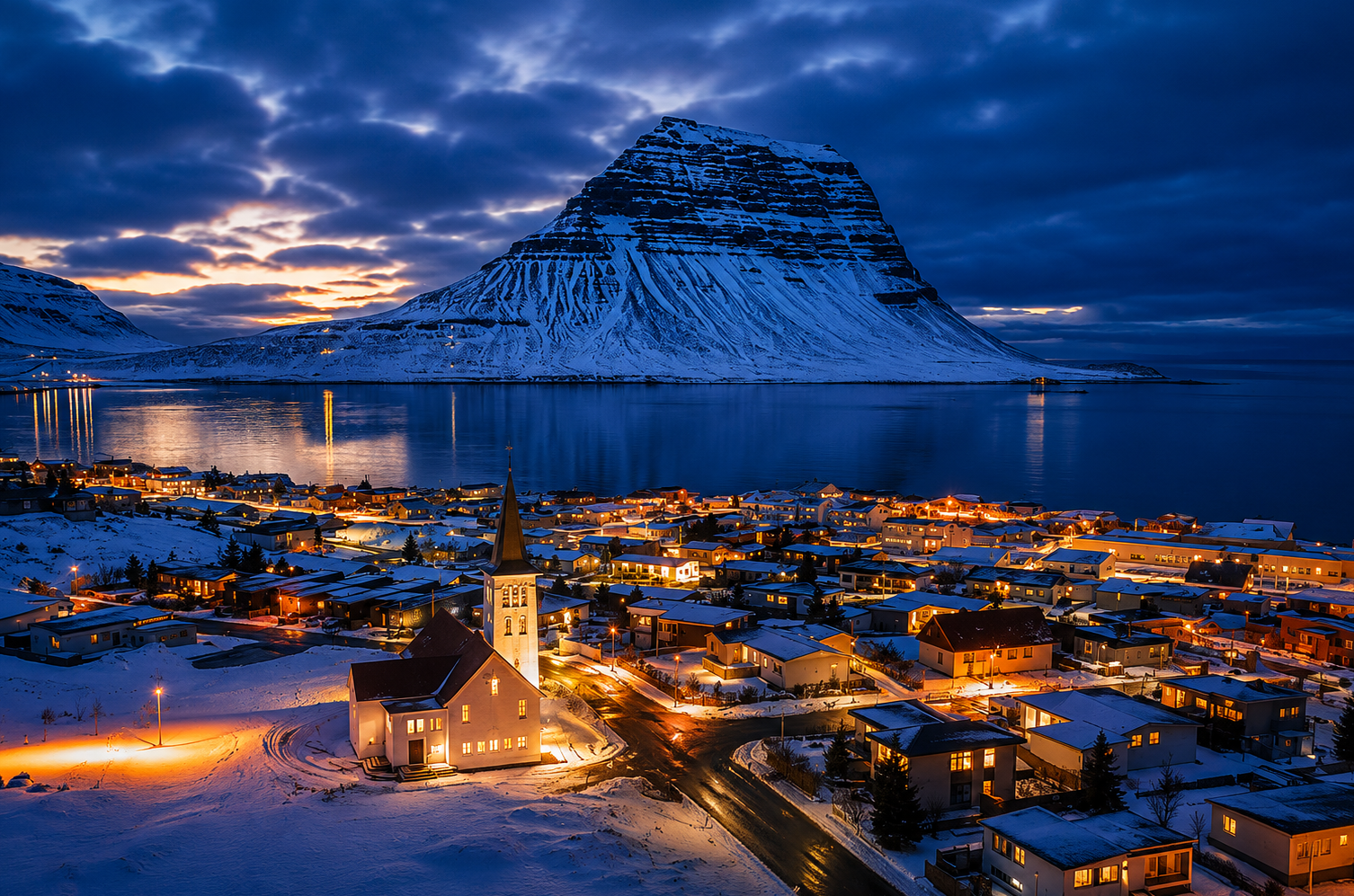
Europe in winter has a very specific charm. Train stations smell like coffee and cold air. Streets glow earlier in the evening. Bakeries feel warmer. Museums are quieter. Christmas markets, old stone buildings, riverside walks, and foggy mornings can make even a simple city break feel cinematic.
But winter travel also punishes bad packing. Heavy luggage becomes annoying quickly. Oversized coats take up half the bag. Extra shoes feel like bricks. Cotton sweaters dry slowly. Tiny hotel elevators, steep apartment stairs, wet sidewalks, and crowded trains all make you regret bringing things “just in case.”
My minimalist approach is simple: I pack for warmth, walking, layering, and repeat outfits. I do not pack for imaginary events. I do not bring five different coats. I do not bring shoes that only match one outfit. And I do not pretend I need a completely new look every day. In winter, most people see your coat anyway.
The Minimalist Winter Rule
Pack fewer visible pieces and better layers. In winter, warmth and comfort matter more than having a different outfit in every photo.
The Real Challenge of Packing for Europe in Winter
Winter in Europe is not one single climate. London may be damp and gray. Paris may be chilly but manageable. Prague may feel icy. Vienna can be elegant and cold. Amsterdam may bring wind and rain. Northern Europe can require serious layers, while southern cities like Barcelona, Rome, or Lisbon may feel mild during the day but cool at night.
That variety is exactly why minimalist packing works. Instead of packing separate outfits for every temperature, you pack a flexible layering system. A base layer, a sweater, a coat, and accessories can handle much more variation than one bulky item that only works in one condition.
The goal is to stay warm outside, avoid overheating inside, and move easily between trains, cafés, museums, hotels, and walking routes. European winter travel often means going in and out all day. You need clothes that adjust with you.
My Winter Packing System
Layer 1: Base
Thermal top, fitted long sleeve, or lightweight merino-style layer close to the skin.
Layer 2: Warmth
Sweater, cardigan, fleece, or warm knit that can be worn repeatedly.
Layer 3: Protection
One coat that blocks cold, wind, and light rain well enough for daily walking.
Layer 4: Accessories
Scarf, gloves, warm socks, and a hat. These small pieces change the whole outfit’s warmth.
My Carry-On Setup
For winter Europe, I prefer a carry-on suitcase or a travel backpack, plus one personal item. If the trip involves lots of trains, stairs, old towns, or budget hotels, I lean toward lighter luggage rather than bigger luggage. A giant suitcase may look convenient at home, but it becomes a problem in narrow train aisles and small elevators.
My main bag holds clothes, shoes, toiletries, and laundry items. My personal item holds flight essentials, electronics, documents, snacks, medication, and anything valuable. If the carry-on gets gate-checked, I still have the important things with me.
I use packing cubes, but not to squeeze in more. I use them to keep the bag organized. Winter clothes are bulky enough already. If I have to sit on the suitcase to close it, I know I packed too much.
Luggage Tip
If your Europe trip includes trains, metro stations, cobblestones, or old apartment rentals, pack as if you will carry your bag up two flights of stairs. Because at some point, you probably will.
The Clothing List I Actually Use
I pack around repeat outfits. The pieces do not need to be fancy, but they need to work together. My winter travel colors are usually black, gray, navy, cream, denim, and one warmer accent color. That way, every top works with every bottom, every sweater works under the coat, and nothing feels random.
For a one to two-week Europe winter trip, I would rather pack five strong outfits I can repeat than ten outfits that only work once. Rewearing clothes is normal when traveling. Laundry, airing out clothes, and layering make it easy.
Minimalist Winter Clothing Checklist
1 warm coat: ideally long enough to cover the hips, comfortable for walking, and good against wind.
2 sweaters: one heavier knit and one lighter layer, both neutral enough to wear several times.
3 base tops: thermal tops, long sleeves, or fitted layers that fit under sweaters.
2 bottoms: jeans, warm trousers, or black pants that work for walking and casual dinners.
1 comfortable travel outfit: soft pants or leggings plus a warm layer for flight or train days.
Underwear and socks: enough for about one week, then plan a laundry reset.
One Coat Is Enough If You Choose the Right One
The coat is the most important winter packing decision. It is also the item that takes up the most space, so I never pack multiple coats unless the trip has a very specific need. I wear my coat on the plane and build the rest of the wardrobe around it.
A good winter Europe coat should be warm enough for long walks, easy to layer under, not too delicate, and neutral enough to match everything. A longer wool coat can look polished in cities, but it may not handle rain well. A puffer coat is practical and warm, but some styles feel too casual. A water-resistant insulated coat is often the most useful if the trip includes rain, wind, and mixed weather.
The right answer depends on your route. Paris and Vienna may call for something polished. Amsterdam, Copenhagen, Edinburgh, or Brussels may make you grateful for weather protection. If I had to choose only one, I would pick warmth and practicality over fashion.
In winter Europe, your coat is the outfit.
Since most photos and street moments happen outdoors, a simple coat, scarf, and good shoes matter more than packing endless hidden outfits.
Shoes: The Category I Refuse to Overpack
Shoes are where minimalist packing either succeeds or fails. Europe in winter means walking. You may walk through museums, train stations, wet sidewalks, Christmas markets, old town streets, and long scenic routes. If your shoes are uncomfortable, the whole trip suffers.
I usually bring one main pair of shoes and, only if necessary, one lighter backup pair. The main pair should be comfortable, broken in, warm enough, and water-resistant if possible. Ankle boots, weather-friendly sneakers, or simple walking shoes can all work depending on your style and route.
What I do not bring: heels I might wear once, delicate shoes that hate rain, bulky boots that hurt after two miles, or shoes that only match one outfit. In winter travel, the best shoes are the ones you forget about because your feet are fine.
Shoe Rule
Never test new shoes for the first time in Europe. Winter streets, stairs, rain, and long walking days will expose a bad shoe quickly.
Accessories Do More Work Than Extra Clothes
Accessories are small, but they change the comfort level of the entire trip. A warm scarf can make a lighter coat feel warmer. Gloves make winter photography and phone navigation less miserable. A hat or beanie can save a windy day. Good socks can make average shoes feel much better.
I prefer accessories that are practical but still look decent in photos. One scarf, one hat, one pair of gloves, and several pairs of warm socks are enough for most trips. If the route is especially cold, I add thin thermal leggings or tights that can go under pants.
This is where minimalist packing feels smart rather than restrictive. Instead of packing another sweater, I pack a scarf that makes every outfit warmer and more finished.
Small Items That Make the Biggest Difference
Warm scarf: useful on planes, trains, cold streets, and drafty hotel rooms.
Touchscreen gloves: especially helpful when using maps outside.
Warm socks: better than packing extra shoes.
Thin thermal layer: adds warmth without taking much suitcase space.
Toiletries: Keep Them Boring and Small
Winter is not the season when I experiment with a complicated beauty routine on the road. Cold air, indoor heating, and long travel days can make skin feel dry, so I pack the basics I know work: cleanser, moisturizer, lip balm, sunscreen, deodorant, toothbrush, toothpaste, hair essentials, and any personal medication.
I avoid full-size bottles unless the trip is very long. Travel-size containers, solid products, and small refillable bottles are enough for most trips. If I run out of something basic, I can usually buy it in Europe. I only protect the items that are personal, prescription, or hard to replace.
One thing I do not skip is lip balm. Winter wind and airplane air are a terrible combination. A tiny tube can make the whole trip more comfortable.
Toiletry Rule
Bring what your skin and health actually need. Buy ordinary extras later if necessary. Do not let toiletries take over your carry-on.
Tech and Travel Essentials
Europe winter travel often involves navigation, translation, train tickets, hotel confirmations, museum bookings, and digital boarding passes. That means a dead phone is more than an inconvenience. I keep tech simple but reliable.
My essentials are a phone, charger, power bank, universal adapter, headphones, downloaded maps, digital copies of important documents, and a small pouch for cords. If I am working while traveling, I bring a laptop or tablet, but only if I truly need it. Otherwise, it is extra weight and extra worry.
I also keep a small paper backup: hotel address, emergency contact, and key travel details. It feels old-fashioned until your phone battery drops to 3% in a train station.
A power bank is not optional in winter.
Cold weather can drain batteries faster, and winter travel often means using maps, tickets, and translation apps throughout the day.
What I Pack in My Personal Item
My personal item is not a second suitcase. It is my travel-day survival kit. It holds everything I need if my carry-on is out of reach, delayed, or gate-checked. This is especially important in winter, when delays and weather changes are more common.
I keep documents, wallet, phone, charger, power bank, medication, lip balm, hand cream, headphones, snacks, reusable water bottle, scarf, and one extra layer in the personal item. If I am arriving at night, I also make sure my hotel address and transport plan are easy to find.
The key is access. Airport days are much easier when you do not need to open your main suitcase in public just to find a charger or medicine.
Personal Item Rule
Anything valuable, fragile, medical, or essential for the first 24 hours should stay in your personal item, not buried in the overhead bag.
Laundry Is What Makes Minimalist Packing Work
The real secret of packing light is not owning perfect travel clothes. It is being willing to do laundry. For a winter Europe trip longer than one week, I plan at least one laundry reset. That may mean using a hotel sink, a laundromat, an apartment washing machine, or a laundry service depending on the trip.
I bring a small laundry bag and a few detergent sheets or a tiny travel detergent. I also avoid packing too many slow-drying items. Thick cotton can be comfortable, but it is frustrating when it stays damp in a cold room overnight.
Rewearing outer layers is normal. Washing base layers, underwear, and socks is what keeps the bag small and the trip comfortable.
Laundry Tip
Pack for one week, even if the trip is longer. Then schedule one laundry reset. This keeps your bag light and your outfits realistic.
My Sample 10-Day Winter Europe Packing List
This is the kind of list I would use for a 10-day winter trip through cities like Paris, Amsterdam, Prague, Vienna, Munich, Copenhagen, or London. If the trip is farther north or includes snow-heavy areas, I would add stronger thermals and warmer footwear. If the trip is southern Europe, I would lighten the layers slightly.
10-Day Minimalist Winter Packing Flow
Wear on Travel Day
Coat, warm sweater, comfortable pants, main walking shoes, scarf, and socks.
Pack in Main Bag
2 base tops, 1 extra sweater, 1 pair of pants, sleepwear, underwear, socks, thermals, and laundry pouch.
Pack for Comfort
Gloves, hat, lip balm, hand cream, reusable bottle, power bank, and small medicine kit.
Plan Mid-Trip
Wash base layers, underwear, and socks around day five or six.
What I Do Not Pack Anymore
Some packing mistakes only become obvious after you have carried them through three train stations. I no longer pack multiple coats, “maybe” dresses, uncomfortable shoes, big hair tools, heavy books, large bottles, bulky backup outfits, or anything that only works for one imaginary evening.
I also avoid packing too many thick sweaters. They feel cozy, but they take up space fast. One heavier sweater and one lighter sweater are usually enough when layered with thermal tops and a good coat.
The more I travel, the more I realize that comfort comes from the right basics, not from having endless choices. A smaller bag makes the whole trip easier.
The best packing list is also an editing list.
Every item you leave behind is one less thing to carry, organize, repack, and worry about.
Adjusting the List by Destination
A minimalist list should still adapt to the route. For northern Europe, I add stronger thermals, warmer socks, a better hat, and more serious weatherproofing. For central Europe, I focus on layers, comfortable shoes, and a warm coat. For southern Europe, I keep the coat lighter and bring more breathable layers.
City trips usually need polished basics: dark pants, neutral sweaters, simple coat, scarf, and comfortable shoes that still look decent. Nature-heavy winter trips need more practical gear: waterproof shoes, thermal layers, gloves, and possibly a more technical jacket.
The important thing is not to pack for “Europe” as if it is one place. Pack for your actual itinerary.
Route Check Before Packing
Check the forecast for every city on your route, not just the first destination. A Paris and Rome trip packs differently from a Copenhagen and Prague trip.
Final Thoughts
Minimalist packing for Europe in winter is not about suffering through cold weather with one sweater and a brave attitude. It is about being honest about what you will actually wear, how much walking you will do, and how often you want to carry your bag.
A good winter packing list should make travel easier. It should help you move through airports, trains, old streets, small hotel rooms, and long walking days without feeling weighed down. The right coat, the right shoes, warm accessories, repeatable layers, and a laundry plan will do more for your trip than a suitcase full of “just in case” clothes.
In the end, the best minimalist winter packing list is the one that lets you forget about your luggage. You step off the train, button your coat, pull on your gloves, and walk into the city without feeling like your bag is controlling the trip.
Final Reminder: For winter Europe, pack around layers, not outfits. Choose one excellent coat, one reliable pair of shoes, warm accessories, a small toiletry kit, and clothes that can be worn in different combinations. The lighter your bag, the easier the journey feels.