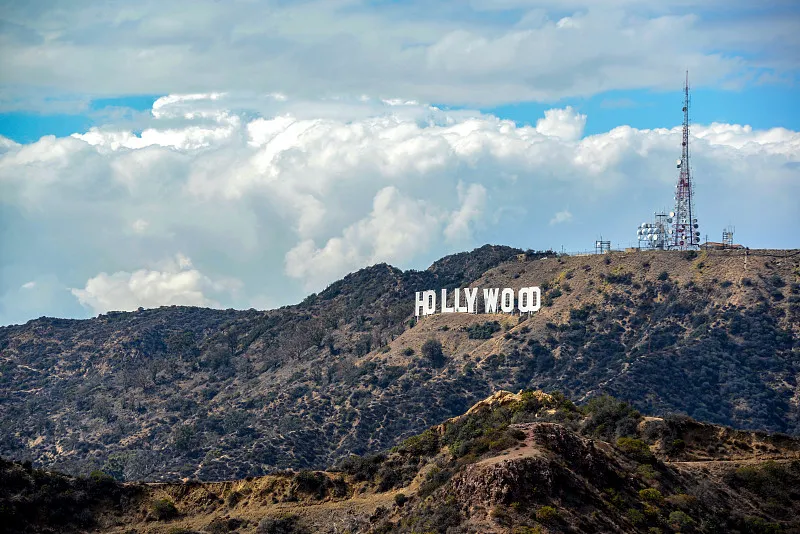
How Hollywood Shapes Global Pop Culture
Article Summary: Hollywood is more than a film industry. It is a global storytelling machine that has shaped fashion, music, language, celebrity culture, beauty standards, consumer habits, and even how people imagine success, romance, danger, freedom, and heroism. Its influence is powerful because movies do not only entertain; they travel across borders, enter daily conversations, create shared symbols, and quietly teach the world what dreams can look like on screen.
A person can grow up thousands of miles from Los Angeles and still recognize the shape of a Hollywood story. The lonely hero walking into danger. The romantic kiss under city lights. The high school hallway filled with lockers. The detective in a dim room. The superhero rising after defeat. The red carpet, the flash of cameras, the perfect soundtrack swelling at exactly the right moment.
That is the strange power of Hollywood. It does not simply produce films for American audiences. It produces images that travel. It exports moods, gestures, fantasies, fears, clothing, slang, music, and ideas about what life could be. Sometimes the influence is obvious, like a blockbuster poster on a city bus. Sometimes it is subtle, like the way people imagine romance, ambition, glamour, rebellion, or fame.
Hollywood’s impact on global pop culture is not only about entertainment. It is about imagination. It has helped create a shared visual language that millions of people understand, even when they do not share the same country, religion, language, or daily reality.
The Big Idea
Hollywood became globally influential not just because its movies were widely distributed, but because its stories were easy to recognize, emotionally direct, visually memorable, and endlessly reusable across cultures.
Hollywood Turned Stories Into Global Symbols
Every culture has stories. What Hollywood did exceptionally well was turn stories into symbols that could cross borders quickly. A cowboy hat, a spaceship, a superhero cape, a red carpet gown, a police siren, a college party, a wedding scene, a car chase — these images are not just parts of movies. They have become cultural shorthand.
People may never visit New York, Los Angeles, Las Vegas, or a small American town, yet they may feel they already “know” these places because Hollywood has shown them again and again. The version on screen is not always accurate, but it is emotionally powerful. It creates familiarity before experience.
This is one reason Hollywood became a cultural force. It did not only tell viewers what happened. It gave them images they could remember, repeat, imitate, and remix.
A Hollywood scene rarely stays inside the cinema.
It becomes a reference, a meme, a fashion mood, a music video style, a Halloween costume, a wedding idea, or a childhood dream.
The Star System Made Fame Feel Universal
Hollywood did not only sell movies. It sold stars. Actors and actresses became more than performers; they became global personalities. Their clothes, relationships, interviews, diets, hairstyles, scandals, and public appearances became part of the entertainment itself.
This changed how the world understood fame. A Hollywood star could become familiar to someone who did not speak English fluently, because charisma travels beyond language. A face on a poster, a dramatic performance, a red carpet look, or a famous movie quote could make an actor feel close to audiences across continents.
Today’s influencer culture owes something to this Hollywood model. The idea that a public figure’s lifestyle can be as marketable as their work did not begin with social media. Hollywood perfected it long before Instagram and TikTok.
How Hollywood Fame Spreads
The Screen Image
A character becomes unforgettable, and the actor becomes attached to that emotional memory.
The Public Persona
Interviews, fashion, gossip, and personal branding turn stars into cultural products.
The Imitation Effect
Fans copy hairstyles, makeup, outfits, attitudes, gestures, and even life goals inspired by celebrities.
Fashion Learned to Move Through Film
Long before fashion trends moved instantly through social media, movies helped people imagine how they wanted to dress. A leather jacket, a black dress, oversized sunglasses, denim jeans, combat boots, a sharp suit, or a glamorous evening gown could become desirable because a character wore it with confidence.
Hollywood fashion works because it is emotional. Clothes are not shown as isolated products. They are connected to stories. A dress becomes romantic because of the scene around it. A suit becomes powerful because of the character wearing it. A messy hairstyle becomes rebellious because the film gives it attitude.
This is why film costume design often influences real wardrobes. People do not only want the clothing. They want the mood that clothing seemed to carry on screen.
Fashion Insight
Hollywood does not simply show people what to wear. It teaches them what a certain look might feel like — powerful, mysterious, romantic, dangerous, rich, free, or unforgettable.
Music, Soundtracks, and the Global Memory of Emotion
Hollywood also changed how music travels. A song placed at the right moment in a film can become attached to an emotion forever. People may hear it years later and immediately remember a scene, a character, a first love, a heartbreak, or a feeling they had while watching the movie.
Soundtracks helped turn films into cultural events. They created another path for Hollywood influence to enter daily life. A movie might end, but the song continues on radios, playlists, weddings, parties, advertisements, and social media edits.
In this sense, Hollywood did not only export stories. It exported emotional soundscapes — music that taught audiences how a romantic ending, a heroic sacrifice, or a tragic goodbye should feel.
Sometimes people remember the feeling of a movie through a song.
That is why Hollywood soundtracks can become part of personal memory, not just pop culture history.
Hollywood Changed the Language of Everyday Life
Movie lines have a special way of escaping the screen. A memorable quote can become a joke, a reaction, a caption, a meme, or a phrase people use even when they have never seen the full movie. Hollywood helped turn English-language expressions into global cultural references.
This influence is not only linguistic. It is social. When people quote the same film, they share a cultural password. A single line can signal humor, nostalgia, taste, or belonging. Pop culture references help strangers feel briefly connected.
Even people who do not watch Hollywood films closely may still encounter their language through advertisements, internet culture, music videos, short videos, and online jokes. Hollywood phrases become part of a larger global vocabulary.
From Movie Scene to Daily Culture
A Line Is Spoken
A character says something memorable at an emotional or dramatic moment.
Fans Repeat It
The quote spreads through conversation, media, captions, and online humor.
It Becomes Cultural Shorthand
The line no longer belongs only to the film; it becomes part of how people express emotion or humor.
The Superhero Era and the Global Imagination of Power
Few modern Hollywood exports have influenced global pop culture as visibly as superhero films. They changed not only cinema, but also toys, fashion, theme parks, gaming, streaming, cosplay, fan conventions, and online discussion.
Superheroes became global because their stories are simple at the surface but emotionally flexible underneath. They are about power, responsibility, identity, trauma, sacrifice, and the desire to protect others. These themes are easy to translate across cultures, even when the characters come from American comic books.
At the same time, the superhero era shows both Hollywood’s strength and its risk. When one type of story dominates too strongly, global pop culture can begin to feel repetitive. Spectacle becomes bigger, but surprise can become smaller. Audiences around the world may enjoy the shared excitement while also craving fresher voices and different kinds of heroes.
Cultural Tension
Hollywood’s global reach can create shared excitement, but it can also make entertainment feel standardized when too many stories follow the same formula.
Soft Power: When Entertainment Carries Values
Hollywood films often carry values even when they are not trying to be political. Individual freedom, personal ambition, romantic choice, rebellion against authority, reinvention, justice, fame, wealth, self-expression, and the idea of following one’s dream appear again and again.
These ideas do not enter global culture as lectures. They enter through characters people love. A viewer may not consciously think, “This movie is teaching me about individualism.” They simply watch a character leave home, chase a dream, speak boldly, fall in love freely, or refuse to obey an unfair system. Over time, these stories shape expectations.
This is one of the reasons Hollywood has been such a powerful form of soft power. It makes cultural ideas feel emotional before they feel ideological.
Movies can make values feel natural.
A story does not need to explain an idea directly when it can make audiences feel the idea through a character’s journey.
The World Does Not Only Copy Hollywood
It would be too simple to say that Hollywood influences the world and the world passively follows. Culture does not move in one direction anymore. Audiences reinterpret what they watch. Local filmmakers borrow Hollywood techniques and mix them with their own traditions. Fans create edits, memes, fan fiction, commentary, and new meanings that studios cannot fully control.
Bollywood, Korean dramas, Japanese anime, Chinese cinema, Latin American music videos, European art films, African digital creators, and global streaming platforms have all changed the cultural conversation. Hollywood remains influential, but it is no longer the only center of global imagination.
In many ways, the most interesting pop culture today happens in the exchange. Hollywood inspires local cultures, local cultures challenge Hollywood, and audiences move easily between them.
Today’s Pop Culture Is a Two-Way Street
Hollywood Exports
Blockbusters, celebrity culture, visual effects, genre formulas, and global marketing strategies.
Local Cultures Respond
Filmmakers and fans remix Hollywood styles with local humor, history, music, and social realities.
Global Audiences Choose
Viewers now move between American films, Korean series, anime, local cinema, short videos, and independent creators.
Streaming Changed Hollywood’s Global Reach
Streaming has transformed Hollywood’s influence. In the past, global distribution depended on cinemas, television deals, DVDs, and local release schedules. Today, a film or series can appear on millions of screens almost instantly. Viewers in different countries can watch, react, discuss, and meme the same content within hours.
This speed has made pop culture feel more synchronized. A trailer release, celebrity interview, award show moment, or controversial scene can become part of global online conversation almost immediately.
But streaming has also changed the balance of power. Hollywood now competes on the same platforms as international content. A viewer may watch an American blockbuster one night, a Korean thriller the next, and a Spanish crime drama after that. The global screen has become more crowded, and that may be healthy for culture.
Streaming Insight
Hollywood still has enormous influence, but streaming has made global audiences more adventurous. People are no longer limited to one cultural center.
The Criticism: Whose Dreams Get Exported?
Hollywood’s influence is not always celebrated. Critics have long questioned whose stories are promoted, whose beauty standards are normalized, whose accents are treated as powerful, and whose cultures are simplified for mass entertainment.
For many years, Hollywood presented a narrow version of heroism, romance, wealth, and beauty. Certain bodies, races, countries, and lifestyles were centered, while others were pushed to the margins or represented through stereotypes. When one industry has global reach, its blind spots also travel globally.
This is why representation matters. Global audiences are not only asking to be entertained. They are asking to be seen with complexity. They want stories where their cultures are not just backgrounds, jokes, villains, or exotic settings, but living worlds with their own emotional truth.
Influence comes with responsibility.
When stories travel everywhere, they can inspire people — but they can also limit imagination if they repeat the same narrow images too often.
Why Hollywood Still Matters
Despite criticism, competition, and changing media habits, Hollywood still matters because it remains one of the world’s most powerful factories of shared dreams. Its best films do what popular culture has always done at its highest level: they make private emotions feel public.
A good Hollywood movie can make people from different countries laugh at the same joke, fear the same danger, cry over the same loss, or cheer for the same impossible victory. That shared emotional experience is rare. It is one of the reasons cinema remains powerful even in an age of short videos and endless scrolling.
Hollywood’s future influence may depend less on controlling global culture and more on participating in it with humility. The world no longer wants only one dream factory. It wants many. But Hollywood still has the scale, craft, history, and myth-making ability to shape what those dreams look like.
The Future of Hollywood Influence
Hollywood will likely remain influential, but its strongest future may come from collaboration, diversity, and stories that speak globally without flattening local cultures.
Final Thoughts
Hollywood has shaped global pop culture because it understands the emotional power of images. It knows how to turn a kiss, a battle, a song, a costume, a star, or a line of dialogue into something people carry with them long after the screen goes dark.
Its influence can be glamorous, inspiring, excessive, commercial, imaginative, problematic, and deeply moving — sometimes all at once. It has given the world common symbols, shared heroes, unforgettable songs, and a visual language that millions of people understand.
But global culture is no longer a one-way road from Los Angeles to the rest of the world. Audiences now respond, remix, criticize, and create their own centers of influence. Hollywood still speaks loudly, but it is now part of a larger conversation.
Perhaps that is the most exciting change. The dream machine still exists, but the world is no longer only watching. It is answering back.
Final Reflection: Hollywood’s greatest cultural power is not simply that it makes movies. It creates shared dreams. The question for the future is whether those dreams can become broader, richer, and more open to the many cultures that now shape global imagination.