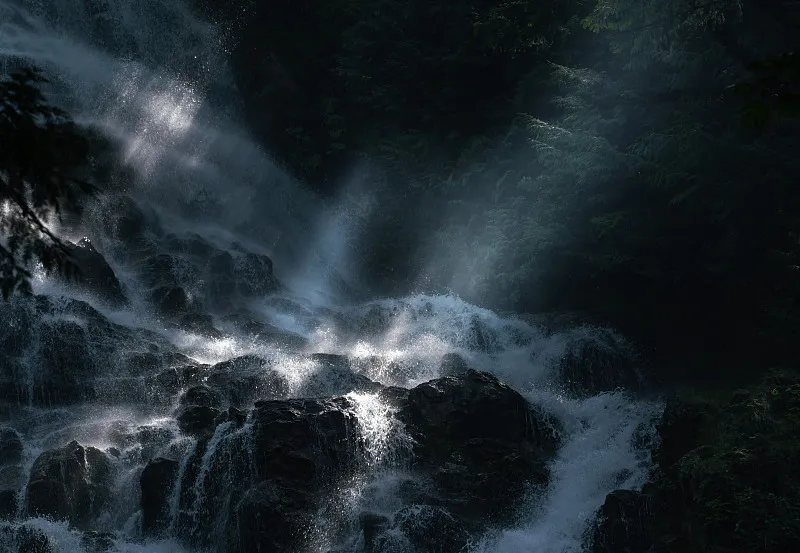
Chasing Waterfalls and Island Dreams on an RV Trip to Vancouver Island
RV Travel & Island Road Trip
Chasing Waterfalls and Island Dreams on an RV Trip to Vancouver Island
Vancouver Island is the kind of place that makes an RV trip feel slower in the best possible way. There are ferry crossings, misty forests, small coastal towns, waterfall stops, ocean roads, quiet campgrounds, and the feeling that every bend in the road could lead to a beach, a river, or a trail you did not plan for.
Article Summary: An RV trip to Vancouver Island is not about rushing from one attraction to the next. It is about building a route around ferry timing, forest walks, waterfall breaks, seaside campgrounds, and unhurried island towns. This guide walks through a relaxed Vancouver Island RV journey, with practical tips for planning the ferry, choosing waterfall stops, managing campground time, packing for changing weather, and making the trip feel more like a coastal escape than a checklist.
Some road trips begin when you start the engine. A Vancouver Island RV trip begins earlier than that — at the ferry terminal. There is something about waiting in line with other cars, campers, bikes, dogs, kayaks, and half-packed vacation coolers that makes the trip feel ceremonial. You are still close to the mainland, but mentally you have already crossed over.
Once the ferry pulls away, the pace changes. The city feels farther behind. The water opens up. The air seems softer. You begin to understand why Vancouver Island is not just a destination, but a rhythm: drive a little, walk a little, stop for coffee, follow a sign to a waterfall, sleep near trees, wake up to damp morning air, and repeat.
Traveling by RV suits the island well because Vancouver Island rewards flexibility. You can plan a route, but the best moments often come from small changes: an extra hour at a river, a quiet picnic beside a lake, a last-minute beach stop, or deciding to stay one more night because the campground feels too peaceful to leave.
The Vancouver Island RV Mindset
Do not plan this trip like a race. Vancouver Island is best experienced slowly: fewer long driving days, more forest walks, earlier campground arrivals, and enough room in the schedule for weather, ferry changes, and spontaneous stops.
Start With the Ferry, Because the Island Sets Its Own Clock
The first practical decision is how you will get your RV onto the island. Most travelers arrive by ferry from the Vancouver area, with common routes connecting the mainland to Victoria or Nanaimo. For RV travelers, this step deserves more attention than a normal car crossing because vehicle length, reservation availability, arrival time, and seasonal demand can all affect the experience.
Booking ahead is usually wise, especially in summer, on weekends, and around holidays. A ferry delay may not ruin the trip, but it can affect your first campground arrival, grocery stop, or check-in time. Try not to schedule a long driving day immediately after the crossing. Give yourself enough room to land on the island without rushing.
The ferry is also a good moment to reset. Walk around the deck if conditions allow, stretch your legs, take in the water, and let the trip begin before you even drive off the ship.
Ferry Planning Tip
If you are traveling with an RV, check vehicle length, ferry reservation rules, terminal arrival times, and campground check-in windows before locking in your first day’s schedule.
Choose a Route That Feels Like an Island, Not a Highway Errand
Vancouver Island looks manageable on a map, but it is larger than many first-time visitors expect. Distances can take longer than planned, especially if you are driving an RV, stopping often, or traveling on winding roads. The goal is not to see every corner in one trip. The goal is to build a route with enough variety to feel complete.
A relaxed route might begin around Victoria or Nanaimo, then move toward Parksville and Qualicum Beach for waterfalls and easy coastal access. From there, you can continue toward Campbell River for more rugged nature, or head west toward Port Alberni, Ucluelet, and Tofino if you want rainforest, surf beaches, and a more dramatic Pacific coast atmosphere.
The best route depends on your time. With three or four days, stay central and avoid overdriving. With a week, you can add the west coast. With ten days or more, you can move more deeply into the island’s northern or interior regions. The island is generous, but it asks you to slow down.
A Simple RV Route Flow
Short trip: Nanaimo, Parksville, Qualicum Beach, Englishman River Falls, and Little Qualicum Falls.
One-week trip: Add Port Alberni, Cathedral Grove, Ucluelet, Tofino, or Campbell River depending on your travel style.
Longer trip: Build in slower campground days, northern island stops, extra hikes, and time for weather changes.
Make Waterfalls the Natural Breaks in Your Drive
Waterfalls are one of the best reasons to road trip Vancouver Island by RV. They give structure to the journey without making the route feel overplanned. Instead of driving for hours and then searching for something to do, you can let waterfalls become your pauses: stretch stops, picnic stops, photo stops, and moments to feel the forest.
Englishman River Falls is a strong first waterfall stop near Parksville. It has forest trails, river views, bridge viewpoints, and a feeling of being properly in the island’s green interior without requiring a difficult expedition. It is the kind of place where you can step out of the RV and almost immediately feel the trip become quieter.
Little Qualicum Falls is another classic central-island stop. The water moves through rocky gorge scenery, surrounded by forest, trails, and picnic areas. It works well for families, first-time visitors, and anyone who wants a beautiful nature break without a long backcountry commitment.
Waterfall Travel Tip
Waterfall trails can be wet, shaded, rooty, and slippery even when the weather feels dry elsewhere. Wear shoes with grip and give yourself time to walk slowly.
The Joy of an RV Stop Is Not Having to Rush Back to a Hotel
One of the small luxuries of RV travel is that your base is always close. After a waterfall walk, you can return to dry socks, a snack, a warm drink, a clean shirt, or a quiet seat. You do not need to search for a restaurant every time someone gets hungry. You do not need to repack the whole car after every stop. The RV becomes a moving comfort zone.
This matters on Vancouver Island because the weather can shift quickly. A sunny morning can become a misty afternoon. A trail may be wetter than expected. A beach stop may leave everyone sandy and cold. Having layers, towels, snacks, and hot drinks nearby makes the trip easier and more enjoyable.
The trick is to keep the RV organized enough that it actually supports the trip. If every stop turns into digging through bags, the advantage disappears. Keep a small day-use basket or pouch near the door with rain jackets, trail snacks, a towel, bug spray, and a basic first-aid kit.
The RV changes the pace of a waterfall trip.
You can hike, return, make lunch, change socks, drink coffee, and move on without the day feeling like a series of small inconveniences.
Do Not Skip the Small Coastal Towns
The waterfalls may be the headline, but the island towns make the road trip feel complete. Parksville, Qualicum Beach, Nanaimo, Coombs, Port Alberni, Campbell River, Ucluelet, Tofino, and smaller communities along the way each offer their own version of island life. Some are polished and visitor-friendly. Others are quieter, practical, and better for groceries, fuel, or a simple coffee stop.
RV travelers should treat towns as part of the route, not just supply points. Walk a waterfront path. Buy local bread or fruit. Stop at a small café. Visit a market if one is open. Ask about road conditions or trail suggestions. These small interactions often become the parts of the trip that feel most personal.
A good island trip is not only wilderness. It is the balance between forest and town, ocean and grocery store, campground and bakery, waterfall mist and a warm meal afterward.
Small-Town RV Tip
Restock before you head into more remote stretches. Fuel, groceries, drinking water, propane, and dump stations may become less convenient depending on your route.
Build in a Forest Day, Not Just a Driving Day
Vancouver Island is not a place where every day needs a new destination. Some of the best memories come when you stay put long enough to feel where you are. A forest day might mean waking up without an alarm, making breakfast outside, walking a short trail, reading under trees, cooking dinner at the campsite, and listening to rain on the roof at night.
This kind of day can feel unproductive if you are used to checklist travel. But in an RV, slow days are part of the point. They give everyone a chance to recover from driving, laundry, hiking, weather, and constant decision-making.
If your schedule allows it, choose one campground for two nights instead of moving every day. A two-night stay makes the whole route feel calmer. You can explore nearby waterfalls or beaches without packing up the RV every morning.
Slow Travel Reminder
If every morning begins with packing, dumping, driving, parking, and setting up again, the RV trip can start to feel like work. Add at least one two-night stop when possible.
Pack for Rain, Mud, Sun, and Cool Evenings
Vancouver Island weather can feel moody in a way that makes the landscape beautiful but packing slightly tricky. You may get sun on the coast, mist in the forest, cooler air near the water, and damp trails around waterfalls. The best packing strategy is layers, not bulky extremes.
Bring rain jackets, warm layers, quick-dry clothing, extra socks, trail shoes, sandals or camp shoes, towels, and a place to hang wet gear. In an RV, wet clothing can quickly make the space feel messy, so create a simple system before the first rainy hike. A small laundry line, hooks, or a designated wet-gear bin can help.
Do not forget bug spray, sunscreen, a reusable water bottle, and a small daypack. Even short waterfall walks are more enjoyable when you are not carrying everything in your hands.
Vancouver Island RV Packing Priorities
For trails: grippy shoes, extra socks, rain layer, daypack, water bottle, and a small first-aid kit.
For camp: warm layers, camp shoes, towels, headlamp, easy meals, and a wet-gear storage spot.
For the RV: leveling blocks, water hose, power adapters, dump supplies, paper maps, and campground reservation details.
Follow the Water West If You Have More Time
If your schedule allows, the west side of Vancouver Island gives the trip a more dramatic edge. The road toward Ucluelet and Tofino moves through forest, mountain scenery, lakes, and eventually toward the open Pacific. This is where the island starts to feel wilder: surf beaches, wind-shaped trees, fog, boardwalk trails, and long ocean views.
RV travelers should plan this stretch carefully. Roads can be winding, campgrounds can book early, and services are not as frequent as in the central island towns. Arriving late without a reservation is risky in busy seasons. If Tofino feels too crowded or expensive, Ucluelet can be a calmer base with beautiful coastal walks and strong island atmosphere.
The west coast is not only about checking off famous beaches. It is about weather, mood, and patience. Sometimes the fog becomes part of the beauty. Sometimes the best moment is not a sunny beach day, but standing in a rain jacket with the ocean roaring below.
The west coast of Vancouver Island is less about perfect weather and more about atmosphere.
Mist, rain, wind, surf, cedar trees, and gray ocean light are all part of the experience.
Keep Meals Simple and Island-Friendly
RV meals on Vancouver Island do not need to be complicated. In fact, simple food often feels best after a day of hiking, ferry travel, or coastal driving. Think soups, sandwiches, grilled vegetables, pasta, breakfast wraps, rice bowls, oatmeal, eggs, local bread, fruit, and easy picnic lunches for trail days.
It is also worth leaving room in the budget for local treats: coffee in a small town, fish and chips near the water, bakery stops, farmers market produce, or seafood when you find a good place. The RV kitchen saves money, but local food adds texture to the trip.
A good balance is to cook breakfast and most lunches in the RV, then choose a few local meals that feel special. That keeps the budget reasonable without making the trip feel too controlled.
RV Food Tip
Prepare a few “rainy day meals” before the trip: soup, pasta, chili, or rice bowls. When the weather turns wet and everyone is tired, easy food feels like luxury.
Respect the Island While You Travel
Vancouver Island is beautiful because it still feels alive: forests, rivers, beaches, wildlife, small communities, and Indigenous lands with deep histories. RV travel should move through that landscape respectfully. Stay in legal camping areas, follow campground rules, pack out trash, use proper dump stations, and avoid blocking narrow roads, trailheads, or residential access.
Waterfalls and beaches can be fragile and dangerous at the same time. Stay on established trails where posted, respect closures, keep a safe distance from cliff edges and fast water, and do not treat natural areas like photo props. The best kind of road trip leaves places just as good for the next traveler.
This matters even more in popular seasons. RV travelers are visible, and how you park, camp, drive, and dispose of waste affects how communities feel about future visitors.
Responsible RV Travel Reminder
Use legal campsites, official dump stations, marked parking areas, and established trails. A beautiful route only stays beautiful when travelers protect it.
A Relaxed 5-Day Vancouver Island RV Flow
If you only have a handful of days, do not try to cover the whole island. A shorter route can still feel rich if you choose stops that give you forest, waterfalls, coastline, and campground time. The following flow is not a rigid itinerary, but it shows how an RV trip can feel balanced without becoming rushed.
Sample Route: Waterfalls, Coast, and Slow Island Miles
Day 1: Ferry Arrival and Easy Camp Setup
Arrive on the island, grocery shop, settle into the first campground, and keep the day intentionally simple.
Day 2: Englishman River Falls and Parksville Area
Walk forest trails, enjoy waterfall viewpoints, and spend the afternoon near the coast or campground.
Day 3: Little Qualicum Falls and Cameron Lake
Follow the river gorge, stop for a picnic, and let the day move slowly rather than packing in too much.
Day 4: Choose West Coast or Campbell River Direction
Head toward Ucluelet/Tofino for surf and rainforest mood, or Campbell River for a more northern island feel.
Day 5: Slow Morning and Ferry Return
Leave room for packing, dumping, fuel, food, and ferry timing instead of turning the final day into a rush.
Who Will Love This Trip Most?
This RV route is ideal for travelers who like nature but do not want every day to feel extreme. It works well for couples, families, slow travelers, photographers, casual hikers, and anyone who enjoys forest trails, waterfalls, coastal towns, simple camp meals, and the feeling of sleeping close to the landscape.
It may not be the best fit if you want nonstop nightlife, luxury resort service, or a packed city-style itinerary. Vancouver Island is more rewarding when you accept a quieter pace. The island does not need to impress you every minute. Sometimes its best gift is the space between things.
If you enjoy the idea of waking up near trees, walking to a waterfall before lunch, eating outside in a fleece jacket, and falling asleep while rain taps on the roof, this trip will probably stay with you.
Vancouver Island is not a place to conquer.
It is a place to move through gently: by ferry, by forest trail, by coastal road, and by slow mornings that do not need much explanation.
Final Thoughts
An RV trip to Vancouver Island is not just about where you go. It is about how the island changes your pace. The ferry slows you down before you even arrive. The forests ask you to walk quietly. The waterfalls give you a reason to stop. The coastal towns remind you to restock, linger, and look around. The campgrounds turn ordinary evenings into part of the trip.
If you are planning this kind of journey, resist the urge to overfill the itinerary. Pick a few waterfall stops, choose a route that makes sense for your time, book the important campgrounds, and leave space for weather and surprise. The best island road trips are not perfect on paper. They are flexible enough to feel alive.
Somewhere between the ferry deck, the first waterfall, the sound of tires on wet road, and the quiet light of a campground morning, Vancouver Island starts to feel less like a destination and more like a mood. That is what makes the trip worth taking slowly.
Final Reminder: For a smoother Vancouver Island RV trip, reserve ferry space and campgrounds early, pack for wet trails and changing weather, plan fewer driving miles than you think you can handle, and let waterfalls become part of the rhythm rather than just stops on a list.