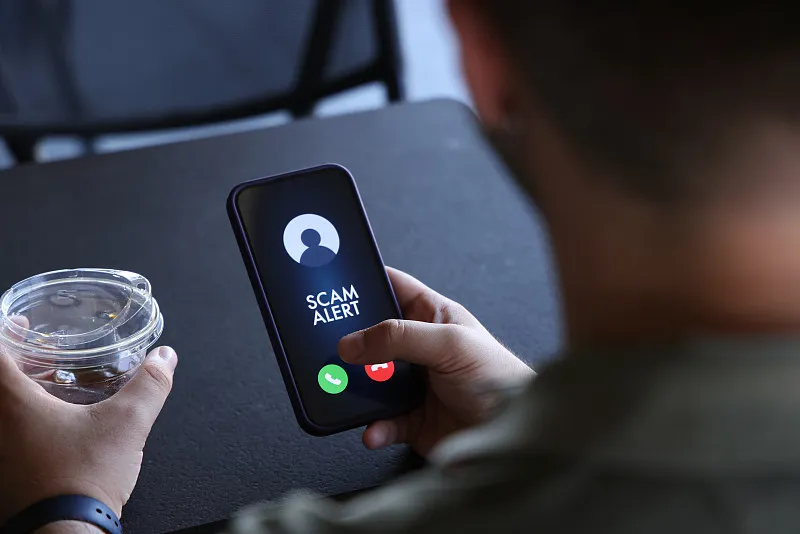
The financial scams ordinary people are most likely to encounter rarely look like scams at first. They often appear as “safe investments,” “side job opportunities,” “customer service alerts,” “bank security checks,” “friend recommendations,” “romantic relationships,” “exclusive projects,” or “urgent account notices.” What makes them dangerous is not only their technical tricks, but the way they target very human emotions: the desire to earn more, fear of missing out, fear that an account is at risk, longing for love, pressure to support family, and the hope of finally changing one’s life. Investment scams, cryptocurrency scams, impersonation scams, fake task jobs, phishing links, romance-investment scams, Ponzi schemes, and loan scams are especially common. The key to protecting yourself is not becoming suspicious of everything, but learning when to stop: when someone pressures you to act immediately, promises high returns with no risk, asks for cryptocurrency or gift cards, requires you to pay before earning, or pushes you away from official channels, the safest move is to pause before money leaves your hands.