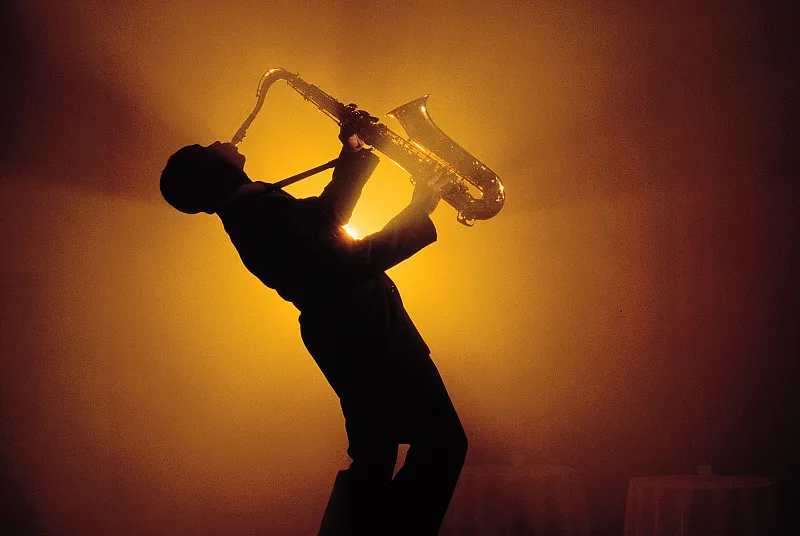
How Jazz Grew From a Local Sound Into World Culture
Article Summary: Jazz did not begin in grand concert halls. It grew out of New Orleans streets, church songs, brass bands, dance halls, blues traditions, and the lived experience of African American communities. With improvisation, swing, sorrow, freedom, and vitality at its core, jazz traveled from one city’s local sound to a global cultural language. Its power lies not only in how it sounds, but in how it invites every musician, city, and culture to join the conversation with a voice of their own.
Some music feels as if it was carefully written onto paper. Jazz feels as if it rose from the street.
Imagine early New Orleans: humid air, crowded streets, harbor noise, horse carriages, laughter spilling from bars, hymns drifting from churches, brass bands moving through neighborhoods, and dancers filling the night with footsteps. Somewhere between the church, the street, the dance hall, the funeral procession, and the blues singer’s voice, jazz began to take shape.
It was not invented neatly by one person in one room. It was not first defined by a music academy. Jazz grew out of life itself — messy, emotional, restless, and alive. It carried African rhythms, European instruments, Caribbean influence, church music, marching band traditions, blues feeling, labor songs, and the historical experience of Black America.
Later, jazz left New Orleans. It moved to Chicago, New York, Paris, Shanghai, Tokyo, Havana, Johannesburg, and countless small clubs, late-night bars, festival stages, film soundtracks, and radio programs around the world. But even as it became global, it kept something essential: the belief that music is not only performed — it is created in the moment.
The Core Idea
Jazz became world culture because it was never a closed musical system. It was born from mixture, shaped by struggle, carried by migration, and built around the idea that every voice can enter the rhythm and say something new.
A Music That Grew Out of the Street
Jazz did not begin as polished concert music. It began close to people’s bodies and daily lives. It was heard in neighborhoods, parades, dance halls, brothels, bars, churches, and community gatherings. It was music for movement, mourning, celebration, survival, and release.
That origin matters. Jazz has always carried the smell of the street — not in a cheap way, but in the sense that it knows real life. It knows joy that is not clean. It knows sorrow that still keeps rhythm. It knows laughter after hardship, dancing after exhaustion, and beauty that appears in places where people were not expected to create beauty at all.
Its first power came from this closeness to life. Jazz was never only sound. It was atmosphere. It was bodies moving. It was people answering one another. It was music that did not ask permission to exist.
Jazz was not born from silence.
It grew from noise, heat, grief, dance, prayer, and the crowded energy of a city where many cultures met.
Why New Orleans Could Give Birth to Jazz
New Orleans was not an ordinary city. It was a port city, and port cities rarely belong to only one sound. Ships arrived, people arrived, goods arrived, languages arrived, and rhythms arrived with them.
French, Spanish, African, Caribbean, Creole, and Southern American influences moved through the city. Brass band traditions lived beside church music. Dance music met blues feeling. Street parades carried rhythm into public space. Different communities did not always meet gently, but their sounds could not remain completely separate.
Jazz was born from this collision. It was not pure in the narrow sense. It was mixed, restless, flexible, and open from the beginning. That is one reason it later traveled so well. Jazz already knew how to absorb, respond, and transform.
New Orleans Insight
New Orleans gave jazz more than a birthplace. It gave jazz a habit of mixture — the ability to let many histories speak at once.
Improvisation: The Soul of Jazz
If one word can explain the spirit of jazz, it may be improvisation.
In many musical traditions, performers are expected to reproduce a written score as faithfully as possible. In jazz, the written tune is often only the starting point. The real music happens in the room, between musicians, in the decisions that no one can fully predict before the first note is played.
The saxophonist may stretch a phrase. The trumpet may answer. The pianist may shift the harmony. The drummer may change the pressure of the groove. The bassist may hold the whole thing together while gently bending the direction. A jazz band can sound like people talking in a language made of rhythm, surprise, and trust.
But improvisation is not randomness. Good improvisation requires deep skill, sharp listening, harmonic knowledge, rhythmic control, and emotional intelligence. A jazz musician cannot only show off. They must listen. They must know when to speak, when to leave space, when to support, and when to step forward.
What Improvisation Really Requires
Technique
Freedom on stage depends on years of practice, control, and musical vocabulary.
Listening
A great solo still depends on hearing what everyone else is doing.
Trust
The band must believe that each player can take risks without destroying the whole conversation.
Swing: The Rhythm the Body Understands First
Jazz is not only melody and harmony. It also carries something harder to describe: swing.
Swing is not merely speed, and it is not simply having a beat. It is a rhythmic elasticity. It makes music feel alive rather than mechanical. It creates a forward motion that seems to lean, breathe, and bounce.
A listener may not understand syncopation, blue notes, walking bass lines, or complex harmony. But when jazz begins to swing, the body often understands before the mind does. A foot taps. A shoulder loosens. The room feels less stiff.
This physical feeling is one reason jazz crossed language barriers so powerfully. Even without knowing the lyrics, the history, or the theory, people could feel the pull of the rhythm.
Jazz reaches the body before it asks to be explained.
Its rhythm invites people into motion, even when they do not yet know the language of the music.
The Freedom in Jazz Came From an Unfree History
Jazz is often associated with freedom: freedom to improvise, freedom to bend a melody, freedom to stretch a rhythm, freedom to turn one song into something new every night.
But the freedom in jazz did not grow from an easy history. It is deeply connected to African American experience: slavery, segregation, poverty, racism, exclusion, and the long struggle for dignity. Blues sadness, gospel intensity, work-song rhythm, and the call-and-response tradition all carry traces of people finding ways to speak under pressure.
This is why jazz freedom has weight. It is not the light freedom of doing whatever one wants. It is the deeper freedom of creating space where space was denied. It is the sound of people turning pain into beauty, limitation into invention, and survival into art.
Historical Depth
Jazz does not escape history. It transforms history’s wounds into rhythm, voice, and a refusal to remain silent.
From New Orleans to Chicago: Music Followed Migration
Before jazz became global, it first had to move within the United States. In the early twentieth century, many African Americans left the South for northern cities in search of work, safety, and opportunity. This movement helped carry jazz from New Orleans to Chicago, New York, and beyond.
Chicago made jazz more urban. New York made it more complex, modern, and ambitious. Harlem became a vital cultural center where jazz mixed with literature, dance, nightlife, fashion, racial consciousness, and the energy of the Harlem Renaissance.
Music does not travel alone. It moves with people, jobs, trains, housing, clubs, recording studios, radio, racism, dreams, and survival. Jazz became national because it followed the routes of American life itself.
Jazz on the Move
New Orleans
The birthplace of early jazz mixture: brass bands, blues, church music, dance, and street rhythm.
Chicago
A northern city where jazz became sharper, louder, and more tied to modern urban nightlife.
New York
A center of clubs, recording, experimentation, and the cultural force of Harlem.
Recording, Radio, and Film Gave Jazz a World Audience
Jazz depends heavily on live performance. Its most exciting moments often happen once, in one room, between musicians who may never play the same way again. Without modern media, much of that energy might have remained local.
Recording changed everything. A performance that belonged to one night could now travel across cities, countries, and generations. Radio carried jazz into homes, cafés, shops, and cars. Film linked jazz with modern cities, nightlife, romance, rebellion, and style.
The world began to hear jazz. Paris heard it. Tokyo heard it. Shanghai heard it. Havana heard it. Young listeners, dancers, writers, artists, and musicians discovered that this music sounded like modern life: fast, emotional, uncertain, and full of possibility.
Media Insight
Jazz became global not only because musicians traveled, but because sound itself learned how to travel through records, radio, and film.
Every City Heard Jazz Differently
Once jazz traveled abroad, it did not remain unchanged. Each city heard it through its own desires, memories, and nightlife.
In Paris, jazz became linked with modern art, literature, café culture, nightlife, and a sense of freedom from old European forms. It felt American, but also cosmopolitan. It gave the city a new rhythm of modernity.
In Shanghai, jazz entered dance halls, films, nightclubs, and urban entertainment culture. It became part of the city’s modern imagination — a sound connected to glamour, movement, East-West encounters, and the restless energy of city life.
In Japan, jazz developed a deep listening culture. Jazz cafés, record collecting, local musicians, and major festivals showed that Japanese engagement with jazz was not shallow imitation. It became serious study, devotion, and reinterpretation.
Jazz did not simply conquer the world.
The world listened back, changed it, colored it with local feeling, and made it speak in many accents.
Why Jazz Works as a World Language
Jazz became world culture because it has an unusually open structure. It is not tied completely to one language, one fixed text, or one unchanging form. It can absorb rhythms, instruments, melodies, and emotions from many places.
Latin jazz, European jazz, Japanese jazz, African jazz, and fusion jazz all show how flexible the form can be. Jazz offers a shared grammar, but it does not erase the speaker’s accent.
A Brazilian musician can bring samba into jazz. A Cuban musician can deepen its rhythmic heat. A Japanese pianist can bring a different sense of space and restraint. A European ensemble can make jazz cooler, more experimental, or closer to chamber music. An African musician can reconnect jazz to older rhythmic roots.
Global Language Insight
Jazz became global not by losing its roots, but by having roots deep enough to support many branches.
Jazz Values the Individual Voice
In jazz, people often speak of a musician’s “sound.” This means more than tone. It means the way a player handles melody, rhythm, silence, mood, phrasing, and risk.
The same saxophone can sound like a whisper in one musician’s hands and like fire in another’s. The same piano can feel sharp, tender, stormy, or lonely depending on who plays it. The same standard can become a love letter, a question, a memory, or an argument.
Jazz values this difference. It does not ask every musician to sound the same. It asks them to learn the tradition deeply enough that they can eventually say something personal within it.
Jazz teaches a difficult kind of freedom.
Learn the rules, listen to others, respect the form — and still find a voice that is unmistakably your own.
A Jazz Band Can Feel Like an Ideal Society
People often say jazz has a democratic spirit. This does not mean jazz is a political system, but its performance style can feel like an ideal version of public life.
In a jazz band, everyone can speak. The trumpet may take a solo. The saxophone may answer. The piano may step forward. The drums may suddenly become the center of attention. But no one can dominate forever without harming the music.
The drummer is not merely background. The bassist is not merely support. The pianist is not only accompaniment. The soloist is not free to ignore everyone else. The music works only when freedom and responsibility exist together.
The Social Lesson of Jazz
Freedom is not everyone shouting at once. It is each person finding a place inside a shared rhythm, making room for others, and knowing when silence matters.
Why Jazz Feels Like Night
Many people imagine jazz at night: dim lights, glasses at the bar, rain on city streets, a double bass in the corner, a saxophone line floating above the room, and conversations that have not yet ended.
Part of this comes from jazz’s history in bars, dance halls, nightclubs, and late-night venues. But there is another reason. Jazz is especially good at expressing emotions that daylight does not easily organize.
It can be elegant and tired at the same time. Romantic and lonely. Joyful and wounded. Playful and serious. A bright melody may sit on top of a sad harmony. A fast rhythm may hide exhaustion. A long solo may feel like someone finally saying what could not be said during the day.
Nighttime Emotion
Jazz does not flatten emotion into one simple mood. It allows happiness, loneliness, desire, fatigue, and hope to exist in the same song.
From the Margins to the Canon
Jazz was not always treated with respect by mainstream institutions. It came from Black communities, dance halls, bars, and street entertainment. Some critics once considered it vulgar, chaotic, morally suspicious, or not serious enough to be called art.
Over time, this changed. Jazz entered universities, conservatories, concert halls, major festivals, museums, archives, and cultural history. It became studied, preserved, analyzed, and celebrated.
That transformation matters. Jazz forced people to rethink what “serious music” could be. It showed that sophistication does not only live in written scores. Improvisation can be profound. Rhythm can be intellectually rich. Music from the street can become world art.
Yet jazz also faces a risk when it becomes too institutional. If it is only placed in textbooks and concert halls, it can lose the danger, warmth, and adventure that made it alive in the first place.
Jazz can enter the concert hall, but it should never forget the street.
Its power comes from holding refinement and raw life together.
Why Jazz Still Matters Today
Today’s world has many global sounds: hip-hop, electronic music, rock, Latin pop, K-pop, Afrobeats, and countless hybrid genres. Jazz may no longer be the most mainstream sound, but it remains deeply important.
Jazz teaches more than musical taste. It teaches how to create inside uncertainty, how to cooperate across difference, how to find freedom inside rules, how to listen without disappearing, and how to turn mistakes into new directions.
We live in a fast, unstable, mixed world. Plans change. Cultures collide. People speak over one another. Emotions become complicated. Jazz offers a way to face that complexity: listen first, respond honestly, leave space, take risks, and keep the rhythm alive.
Why Jazz Endures
Jazz remains relevant because it is not only a style. It is a method for living with change, difference, risk, and creative possibility.
Final Thoughts
Jazz grew from New Orleans streets, churches, bars, parades, dance halls, and Black American historical experience. It carried African rhythm, blues feeling, European instruments, American city energy, and the sound of people turning hardship into invention.
Through migration, recording, radio, film, travel, clubs, festivals, and generations of musicians, jazz became a global cultural language. But its true worldliness is not only that it spread to many countries. It is that it allowed many countries, cities, and musicians to enter it with their own voices.
Jazz does not demand that every performance repeat the past. It gives the world a shared rhythm and leaves room for improvisation. It respects tradition, but it also asks every player to make the music alive again, here and now.
It came from a particular history, yet speaks to universal feelings. It came from suffering, yet creates joy. It has rules, but does not reject freedom. It celebrates individual voice, but depends on cooperation. It belongs to the past, yet only truly exists when someone plays it in the present.
Perhaps that is why jazz still moves people. It reminds us that culture is not a stone locked in place. Culture can also be like an improvisation — growing again every time people meet, listen, answer, and dare to create something new together.
Final Reflection: Jazz became world culture because it never stopped being alive. It carries roots, pain, rhythm, freedom, and conversation — and every time a musician plays, it proves that culture can keep growing in the moment.