Indian Festival Culture: Color, Faith, and Community
Article Summary: Indian festival culture is a vivid blend of color, faith, family, food, music, ritual, and community life. From the bright powders of Holi to the lamps of Diwali, from Eid gatherings to Christmas celebrations, from regional harvest festivals to temple processions, Indian festivals are not only moments of celebration. They are living traditions that connect people to memory, belief, identity, and one another.
India is a country where festivals do not simply appear on a calendar. They arrive in the streets, in kitchens, in temples, in markets, in courtyards, in songs, in clothing, and in the emotional rhythm of everyday life. A festival in India is rarely just an event. It is a change in atmosphere.
One day, a neighborhood may feel ordinary. The next, doorways are decorated, sweets are prepared, lights are hung, relatives are expected, prayers are offered, and the air seems to carry a different kind of energy. People dress more carefully. Children wait with excitement. Elders remember how the same festival felt decades ago. Shops become brighter. Homes become fuller. Even strangers may exchange greetings with unusual warmth.
To understand Indian festival culture, one must look beyond spectacle. The colors are beautiful, but they are not decoration alone. The rituals are ancient, but they are not frozen in the past. The crowds are lively, but they are not only chaos. Beneath everything is a deep cultural idea: celebration is not meant to be kept private. Joy becomes more meaningful when it is shared.
The Heart of Indian Festivals
Indian festivals are not only about worship or entertainment. They are a social language — a way for families, neighbors, communities, and entire cities to renew connection through ritual, food, color, music, and shared memory.
Color as Emotion, Not Decoration
Color is one of the first things people notice about Indian festivals. It appears in clothing, flowers, powders, lights, painted walls, rangoli designs, wedding fabrics, temple decorations, and market stalls. But color in Indian festival culture is not simply visual beauty. It carries emotion.
During Holi, colored powder becomes a language of playfulness and renewal. It breaks social distance for a moment. Faces become covered in pink, yellow, green, and blue until identity feels softened by laughter. During Diwali, golden lamps and warm lights create a feeling of hope, welcome, and spiritual brightness. During regional festivals, flowers, fabrics, and food colors often reflect local landscapes, harvest cycles, and family traditions.
What makes the color so powerful is that it is public. It does not stay inside museums or private homes. It spills into streets. It touches skin. It marks thresholds. It turns ordinary spaces into ceremonial ones. In Indian festivals, color is not something people only look at. It is something they enter.
In Indian festivals, color becomes atmosphere.
It is not only seen in clothing or decoration. It is felt in movement, celebration, memory, and the temporary transformation of everyday life.
Faith Lives Through Repetition
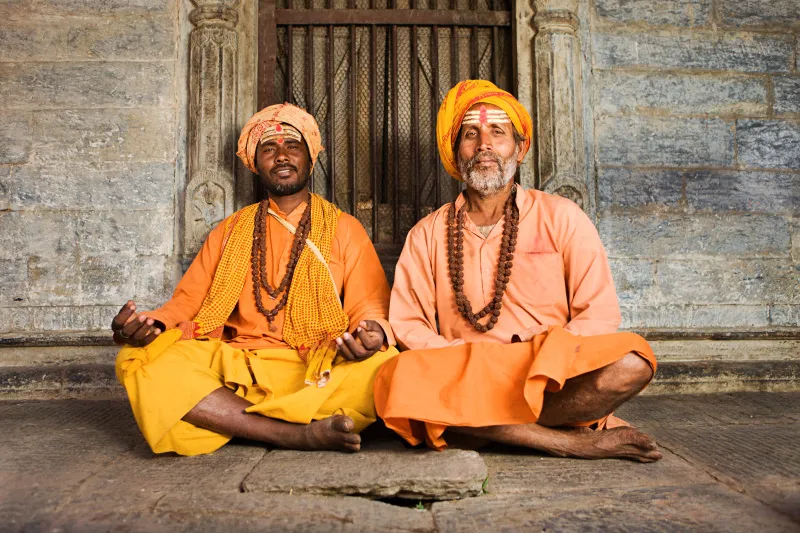
Many Indian festivals are rooted in faith. Some are connected to Hindu mythology, some to Islamic traditions, some to Sikh history, some to Christian celebrations, some to Buddhist, Jain, or regional spiritual practices. India’s religious landscape is vast, and its festival culture reflects that complexity.
But faith during festivals is not only expressed through formal prayer. It appears in repeated gestures: lighting a lamp, offering flowers, fasting, preparing special food, visiting a place of worship, touching the feet of elders, decorating a doorway, listening to devotional music, or telling children the meaning behind a ritual.
These actions may seem small, but repetition gives them power. A child watches a grandmother prepare sweets every year. A family lights lamps in the same corner of the home. A community gathers at the same temple, mosque, church, gurdwara, or public ground. Over time, the ritual becomes memory, and memory becomes identity.
Cultural Insight
Festivals keep faith alive not only through belief, but through repeated family actions. What is done every year becomes part of how people remember who they are.
The Festival Begins Before the Festival
One of the most beautiful parts of Indian festival culture is that the celebration often begins long before the official day. Preparation is part of the ritual. Homes are cleaned. New clothes are bought. Markets become crowded. Ingredients are gathered. Gifts are selected. Travel plans are made. Relatives are called. Children begin counting the days.
This preparation creates anticipation. It also brings people together through work. A festival meal may require several hands. Decorations may become a family activity. Shopping may become a social outing. Even cleaning the home can take on symbolic meaning, as if the house is being prepared not only for guests, but for blessing, freshness, and renewal.
The Emotional Timeline of an Indian Festival
Preparation
Homes are cleaned, food is planned, clothes are chosen, and markets become part of the celebration.
Ritual
Prayers, offerings, fasting, lighting lamps, music, and symbolic actions give the festival its spiritual depth.
Gathering
Families, neighbors, and communities come together through meals, greetings, gifts, and shared celebration.
Food Is Memory Served on a Plate
No Indian festival feels complete without food. Sweets, snacks, festive meals, shared plates, and regional specialties are central to the experience. Food does more than satisfy hunger. It carries memory, hospitality, and affection.
During Diwali, sweets are exchanged as gestures of goodwill. During Eid, families and friends gather around special dishes that mark the end of fasting and the joy of togetherness. During Pongal and Onam, harvest foods reflect gratitude for land, season, and abundance. During Christmas in Indian Christian communities, cakes, cookies, and regional dishes often carry both religious and local flavor.
What matters is not only what is cooked, but who cooks it, who receives it, and who remembers it. A festival dish can carry the voice of a mother, the hands of a grandmother, the smell of childhood, and the emotional geography of home.
Festival food is never just food.
It is hospitality, memory, blessing, family history, and community care made edible.
Community Turns Celebration Into Belonging
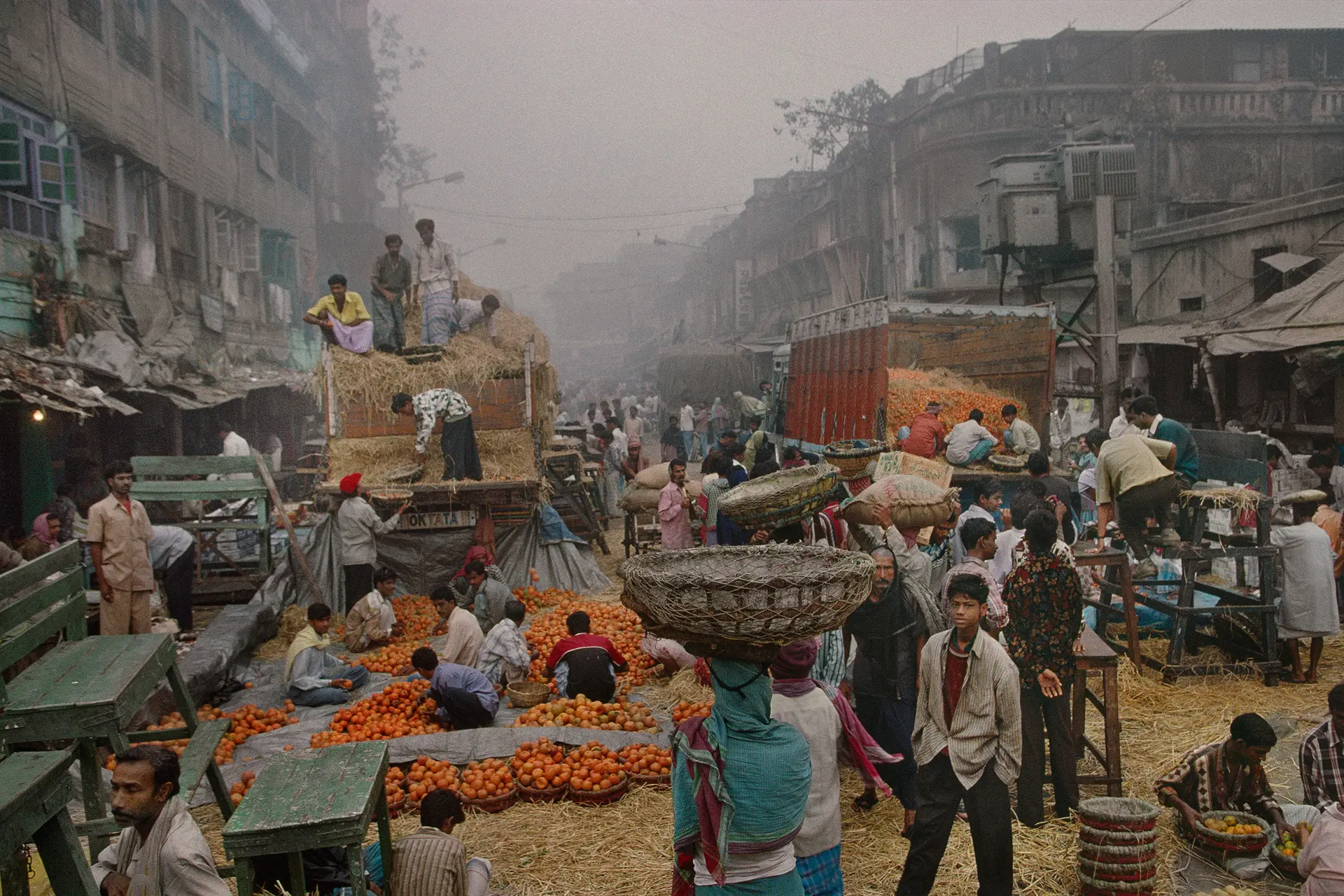
Indian festivals often blur the line between private and public life. A home may host relatives, but the street also becomes part of the celebration. Neighbors exchange sweets. Children visit each other’s houses. Public spaces fill with music, lights, processions, fairs, or performances.
This communal spirit is one reason festivals feel so emotionally powerful. They remind people that identity is not lived alone. A person belongs to a family, a neighborhood, a language, a faith tradition, a region, and a larger social fabric. Festivals make that belonging visible.
Even in large cities, where life can feel rushed and anonymous, festivals can briefly restore a sense of shared rhythm. Apartment buildings decorate together. Offices hold celebrations. Friends from different backgrounds join one another’s traditions. The city becomes less private and more human.
Social Meaning
Festivals remind people that community is not only built through serious obligations. It is also built through shared meals, music, greetings, laughter, and the willingness to celebrate together.
India’s Festivals Are Not One Single Story
It is impossible to describe Indian festival culture as one uniform tradition. India is too diverse for that. A festival may look different from one state to another, from one language community to another, and from one family to another. The same celebration may carry different foods, songs, clothing styles, rituals, and emotional meanings depending on where it is practiced.
Durga Puja in Bengal has a different public energy from Navratri garba nights in Gujarat. Onam in Kerala carries a different visual and culinary language from Baisakhi in Punjab. Pongal in Tamil Nadu speaks deeply to harvest, cattle, sun, and agrarian life. Eid may be celebrated with different dishes and customs across different Muslim communities. Christmas in Goa may feel different from Christmas in Kerala or Northeast India.
This diversity is not a complication. It is the beauty of the culture. Indian festivals show how one country can hold many calendars, many memories, and many ways of celebrating the sacred and the social.
A Few Festival Worlds Within India
Festivals of Light
Celebrations such as Diwali use lamps, candles, and brightness as symbols of hope, renewal, and spiritual victory.
Festivals of Harvest
Pongal, Onam, Baisakhi, and other harvest festivals connect food, land, labor, gratitude, and seasonal abundance.
Festivals of Devotion
Temple rituals, fasting, music, processions, and prayer gatherings turn faith into shared public experience.
Music, Dance, and the Body of Celebration
Indian festivals are rarely silent. Music and movement often form the emotional heartbeat of the celebration. Drums, devotional songs, folk dances, film music, temple bells, chanting, and community performances all create energy that words alone cannot express.
During Navratri, dance becomes devotion as people gather for garba and dandiya. During processions, drums can turn streets into moving stages. During weddings and festival gatherings, Bollywood songs may blend with folk rhythms and family laughter. Even religious ceremonies often have a sonic texture: bells, chants, recitations, and songs that mark sacred time.
Music and dance make festivals physical. They allow belief and joy to move through the body. They make community visible not only through gathering, but through rhythm.
In many Indian festivals, joy has a sound.
It can be a drumbeat, a prayer song, a dance circle, a film melody, a temple bell, or the noise of a street suddenly alive with people.
Modern Life Has Changed the Celebration, But Not the Need for It
Indian festivals today are changing. Families are more spread out. Many people live in cities far from their hometowns. Work schedules can make long rituals difficult. Social media has made festivals more visual and more performative. Online shopping has changed how people buy decorations, gifts, and clothing.
Yet the emotional need behind festivals remains strong. People still want moments that break routine. They still want to return home if they can. They still want to dress beautifully, eat familiar food, call relatives, light lamps, say prayers, take photos, and feel part of something older than themselves.
In some ways, modern life has made festivals even more important. When daily life becomes fast, individualistic, and digital, festivals offer a return to touch, taste, sound, family, faith, and physical presence.
Modern Reflection
Technology may change how festivals are shared, but it has not replaced the deeper desire to gather, remember, bless, forgive, feast, and begin again.
The Visitor’s Lesson: Participate With Respect
For travelers or outsiders, Indian festivals can be unforgettable. The colors, crowds, rituals, and energy may feel overwhelming at first, but they can also offer a deep look into Indian social and spiritual life. The key is to participate with respect, not only curiosity.
This means learning the meaning of the festival before joining. It means dressing appropriately when visiting religious spaces. It means asking before photographing people closely. It means understanding that some rituals are sacred, not performances staged for visitors. It also means accepting that each region and community may celebrate differently.
A respectful visitor does not treat culture as a background for pictures. They listen, observe, ask gently, and remember that what looks colorful from outside may carry generations of faith and memory inside.
Travel Etiquette Reminder
Enjoy the beauty of Indian festivals, but do not forget their depth. Behind every lamp, color, song, and ritual is a living community, not a tourist display.
What Indian Festivals Teach Us About Life
At their deepest level, Indian festivals teach that life needs rhythm. There must be days for work, but also days for worship. Days for routine, but also days for beauty. Days for private struggle, but also days when people come together and remember that they belong to something larger.
They teach that faith can be joyful. That food can carry love. That color can express emotion. That community is renewed through repeated gestures. That families need moments to gather before life scatters them again. That tradition survives not by staying untouched, but by being lived.
They also remind us that celebration is not a luxury. It is one of the ways humans make meaning. To celebrate is to say that life is not only survival. It is gratitude, memory, prayer, beauty, and connection.
A festival is a community saying, “We are still here.”
We remember. We believe. We cook. We sing. We light lamps. We wear color. We visit one another. We begin again.
Final Thoughts
Indian festival culture is powerful because it refuses to separate beauty from belief, family from food, ritual from joy, or private memory from public celebration. It brings together the sacred and the everyday until the boundary between them feels beautifully thin.
Its colors are unforgettable, but the colors are only one layer. Beneath them are prayers, stories, harvests, migrations, family recipes, regional pride, childhood memories, and the ongoing work of keeping community alive.
In a world that often pushes people toward speed and isolation, Indian festivals offer another rhythm. They invite people to pause, gather, decorate, cook, remember, forgive, give, and celebrate. They remind us that culture is not only preserved in books or museums. It is preserved whenever people come together and repeat what matters.
Perhaps that is why Indian festivals feel so alive. They are not simply traditions from the past. They are living acts of faith, color, and community — renewed every year by the people who continue to celebrate them.
Final Reflection: Indian festivals remind us that celebration is not only about joy in the moment. It is about belonging across generations — to family, faith, land, language, memory, and the shared human need to turn ordinary days into meaning.