Understanding Japanese Workplace Culture: Silence, Respect, Pressure, and Quiet Discipline
Article Summary: Japanese workplace culture is often described through familiar words such as hierarchy, overtime, politeness, and teamwork. But behind these surface impressions lies a deeper system built on harmony, responsibility, indirect communication, patience, and social awareness. This article explores how Japanese offices really function, why silence can carry meaning, why decisions may take time, how respect is expressed, and how modern Japan is slowly reshaping its traditional work style.
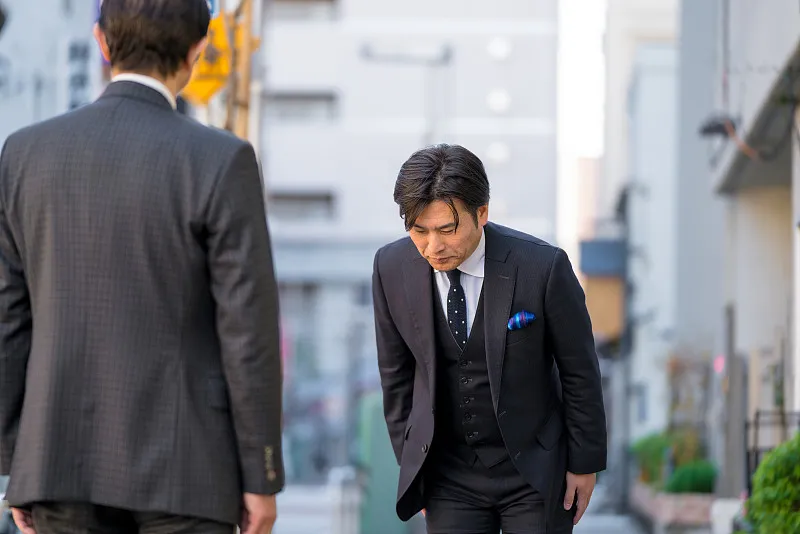
Japanese workplace culture is easy to summarize from the outside, but difficult to truly understand from a distance. People often talk about bowing, long working hours, formal language, crowded trains, and employees staying late at the office. These images are not entirely wrong, but they are incomplete.
The Japanese office is not only a place where people work. It is a carefully balanced social space where respect, timing, silence, responsibility, and group awareness all matter. A person may not say “no” directly, but the hesitation in their voice may already be an answer. A meeting may appear calm on the surface, but many important decisions may have been prepared quietly before anyone enters the room.
To understand Japanese workplace culture, one has to look beyond the obvious. It is not simply strict. It is not simply polite. It is a culture shaped by the desire to avoid conflict, protect harmony, respect seniority, and ensure that no one is embarrassed publicly.
The First Thing to Understand
In many Japanese workplaces, being professional does not only mean doing your job well. It also means reading the room, respecting hierarchy, communicating carefully, and considering how your actions affect the group.
The Office as a Social System, Not Just a Workplace
In some countries, work is treated mainly as a contract: you perform tasks, receive payment, and go home. In Japan, especially in more traditional companies, the workplace can feel more like a long-term community. The company is not only an employer. It can become an identity, a social circle, and sometimes even a second family.
This creates loyalty and stability, but it can also create pressure. Employees may feel responsible not only for their own performance, but also for the reputation of their team, department, and company. A mistake is rarely viewed as purely individual. It may affect the group’s trust and rhythm.
That is why many Japanese workers pay close attention to small details: arriving on time, using the correct greeting, preparing documents carefully, reporting progress, and avoiding sudden surprises. These habits may look rigid from the outside, but inside the culture, they are often seen as signs of consideration.
In Japan, reliability is a form of respect.
Being prepared, punctual, and careful is not only about efficiency. It shows that you do not want to create trouble for others.
Hierarchy: The Invisible Structure Behind Daily Communication
Hierarchy plays a strong role in Japanese workplaces. Age, experience, job title, and years within the company can all influence how people speak, behave, and make decisions. This does not always mean that younger employees have no voice, but it does mean that communication often follows a careful order.
A junior employee may hesitate to challenge a senior person directly in a meeting. A manager may avoid criticizing someone openly. A team may discuss an idea privately before presenting it formally. These behaviors are not always about fear. Often, they are about preserving face and keeping the workplace atmosphere stable.
Language reflects this structure. Japanese business communication uses honorific expressions, humble forms, and careful phrasing. Even a simple request can sound much softer and more indirect than it would in English. The goal is not only to transfer information, but to protect the relationship while doing so.
How Hierarchy Appears in Daily Work
Speech
Employees often adjust their language depending on rank, age, relationship, and situation.
Decision Flow
Ideas may move slowly upward through managers before becoming official decisions.
Meeting Behavior
Direct disagreement may be softened, delayed, or discussed privately to avoid open conflict.
The Art of Reading the Room
One of the most important skills in a Japanese workplace is not always written in the job description. It is the ability to “read the air” — to understand the mood, timing, and unspoken expectations of a situation.
In Japanese, this is often connected to the idea of kuuki wo yomu, which means reading the atmosphere. It is a subtle skill. It means knowing when to speak, when to wait, when to soften your opinion, and when silence is more appropriate than direct expression.
For foreigners or people from more direct communication cultures, this can be confusing. A Japanese colleague may not reject your idea clearly, but they may say, “That might be difficult,” or “We should consider it carefully.” In many cases, this is not a neutral comment. It may be a polite warning that the idea is unlikely to move forward.
Communication Insight
In Japanese business culture, indirect language is often not weakness or avoidance. It is a way to communicate disagreement while preserving respect and social balance.
Nemawashi: Why Decisions Can Feel Slow
A common misunderstanding about Japanese companies is that meetings are where decisions happen. In reality, many decisions are shaped before the meeting begins. This process is often connected to nemawashi, a word that originally refers to preparing the roots of a tree before transplanting it.
In business, nemawashi means building informal agreement before making something official. Instead of presenting a surprising proposal and asking everyone to react immediately, a person may speak privately with stakeholders, listen to concerns, adjust the plan, and slowly create support.
To outsiders, this can feel slow. But inside the system, it reduces conflict and makes implementation smoother. Once a decision is formally announced, many people already understand it and are prepared to cooperate.
Japanese decisions may move slowly at first, then quickly after consensus is formed.
The time is often spent not on indecision, but on reducing future resistance.
Overtime and the Weight of Responsibility
No discussion of Japanese workplace culture can avoid the topic of overtime. Japan has long been associated with long working hours, late nights at the office, and a strong sense of duty toward the company. Although many companies are now trying to improve work-life balance, the cultural memory of long hours still remains.
The pressure does not always come from a direct order. Sometimes it comes from atmosphere. If everyone else is still working, leaving early may feel uncomfortable. If a senior colleague is staying late, a younger employee may hesitate to go home first. This is where group awareness becomes both supportive and heavy.
To be fair, modern Japanese workplaces are not all the same. Startups, international companies, creative industries, and younger teams may have more flexible habits. Remote work and labor reforms have also changed expectations. But in many traditional environments, the idea of “showing commitment” can still be tied to time spent at work.
The Double Side of Japanese Work Ethic
The Strength
A deep sense of responsibility can create reliable teams, careful service, and strong commitment.
The Cost
When commitment becomes overwork, employees may struggle with stress, exhaustion, and private sacrifice.
Nomikai: After-Work Drinking and the Social Office
Another familiar part of Japanese work culture is the nomikai, or after-work drinking gathering. For many years, these gatherings functioned as an unofficial extension of the office. People could speak more freely, build relationships, and soften the distance created by hierarchy during the workday.
For some employees, nomikai can be enjoyable. It offers a chance to connect with colleagues outside formal roles. A quiet junior employee may finally hear a senior manager speak casually. A team that feels distant during the day may become warmer after sharing food and drinks.
But this culture is also changing. Younger workers are often less willing to spend personal time on work-related social events, especially if attendance feels forced. Many companies are becoming more aware that real work-life balance means respecting people’s time after office hours.
Changing Social Norms
After-work gatherings once played a major role in building workplace relationships. Today, many Japanese workers are rethinking how much of their private life should belong to the company.
The Beauty and Burden of Team Harmony
Team harmony is one of the most admired aspects of Japanese workplace culture. When it works well, it creates cooperation, trust, and a strong sense of shared responsibility. People help each other, avoid careless disruption, and think carefully before acting.
But harmony can also become heavy if it discourages honest disagreement. When people avoid conflict too much, problems may remain hidden. Creative ideas may be softened before they become bold. Employees may keep stress private because they do not want to disturb the group.
This is one of the central tensions in Japanese work culture: the desire to protect the group and the need to allow individuals to speak openly. The healthiest workplaces are often those that preserve respect while making space for more direct feedback.
Harmony is powerful when it protects people.
But harmony becomes fragile when it forces everyone to hide what they really think.
How Japanese Workplace Culture Is Changing
Japan’s work culture is not frozen in the past. It is changing, slowly but noticeably. Younger employees often value flexibility, mental health, personal time, and clearer boundaries more than previous generations. Many companies are also adopting remote work, flexible schedules, diversity policies, and more global management styles.
The traditional image of the salaryman who devotes his entire life to one company still exists, but it no longer represents every worker. More people are changing jobs, starting businesses, freelancing, or choosing careers that allow more personal freedom.
This does not mean Japanese workplace culture is becoming exactly like Western workplace culture. Instead, Japan is negotiating its own version of change: how to keep reliability, professionalism, and respect while reducing unnecessary pressure.
Traditional Culture vs. New Work Values
Traditional Value
Loyalty, patience, hierarchy, group harmony, and long-term belonging.
Modern Pressure
Global competition, digital speed, labor shortages, and changing employee expectations.
Emerging Direction
More flexibility, clearer boundaries, better mental health awareness, and international work styles.
What Foreigners Should Know Before Working in Japan
For foreigners entering a Japanese workplace, the biggest challenge is often not the work itself. It is understanding the unspoken rules. Being talented is important, but it is not enough. You also need patience, humility, and the ability to observe before judging.
It helps to be careful with direct criticism, especially in group settings. It helps to confirm expectations clearly, even if people seem polite and agreeable. It helps to understand that “yes” may sometimes mean “I heard you,” not necessarily “I agree.” It helps to build trust gradually rather than trying to force fast results.
Most importantly, it helps to avoid comparing everything immediately to your own culture. Japanese workplace culture has strengths and problems, like any system. The goal is not to romanticize it or reject it completely, but to understand how it works and where you fit within it.
Practical Advice
Observe first, speak carefully, confirm details, respect hierarchy, and pay attention to what is not said. In Japan, the silence around a sentence can be as important as the sentence itself.
The Emotional Core of Japanese Work Culture
Beneath the formal greetings, careful emails, long meetings, and polished manners, Japanese workplace culture carries an emotional core: the wish not to trouble others. This idea appears again and again in small daily behaviors. People apologize for inconvenience. They prepare thoroughly. They avoid sudden conflict. They consider how their actions affect the group.
This sensitivity can create beautiful professionalism. It can also create hidden exhaustion. When people care too much about not burdening others, they may carry too much alone. When everyone tries to maintain the surface of harmony, private stress may remain invisible.
That is why the future of Japanese workplace culture may depend on balance. Respect should remain. Responsibility should remain. Carefulness should remain. But employees also need space to speak honestly, rest properly, and live as people outside the company.
The best version of Japanese work culture may not be less Japanese.
It may be a version that keeps respect and responsibility, while making more room for openness, health, and individual life.
Final Thoughts
Japanese workplace culture is not a simple story. It is disciplined and polite, but also pressured. It values harmony, but sometimes avoids conflict too much. It creates reliable teams, but can place heavy emotional weight on individuals. It respects tradition, yet it is slowly changing under the influence of younger workers, global business, and new ideas about life and work.
To understand it well, we need to look beyond stereotypes. Japanese workers are not robots. Japanese offices are not all the same. Behind the formal language and quiet meetings are real people trying to balance duty, ambition, politeness, fatigue, loyalty, and personal dreams.
Perhaps the most important lesson from Japanese workplace culture is this: work is never only about tasks. It is also about relationships, atmosphere, timing, and mutual consideration. When these elements are healthy, they create trust. When they become excessive, they create silence and pressure.
The future of work in Japan will likely be shaped by the search for a better balance — between company and individual, harmony and honesty, responsibility and rest. And that search is not only Japanese. It is a question every modern workplace must eventually face.
Final Reflection: Japanese workplace culture reminds us that professionalism is not only about efficiency. It is also about respect, patience, and awareness of others. But the healthiest workplace is one where respect does not become silence, and responsibility does not become exhaustion.