Exploring Arches National Park Off the Beaten Path
National Park Travel Guide
Arches National Park is famous for Delicate Arch, Balanced Rock, and the Windows section, but the park becomes much more interesting when you move beyond the first postcard view. With a little planning, an early start, and respect for the desert landscape, you can find quieter trails, wider views, sandstone fins, hidden corners, and a deeper sense of what makes this red-rock park unforgettable.
Article Summary: Arches National Park rewards travelers who slow down and look beyond the most crowded stops. This guide focuses on a more thoughtful way to explore the park: visiting popular areas at better times, choosing lesser-used trails like Park Avenue, Broken Arch, Skyline Arch, and Tower Arch, considering deeper routes in Devils Garden, and building a realistic plan around heat, water, road conditions, and desert preservation. The goal is not to find “secret” places at any cost, but to experience Arches with more space, patience, and respect.
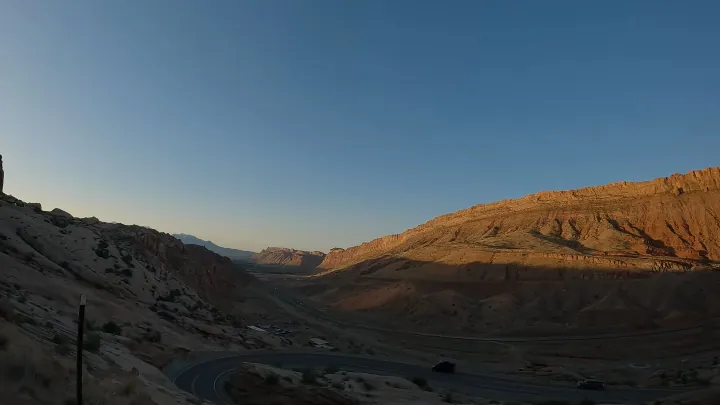
Arches National Park is one of those places that can feel both wildly open and surprisingly crowded. The landscape itself is huge: red rock, open sky, fins, canyons, arches, balanced stones, and distant mountain views. But the visitor experience can feel concentrated around a few famous stops. Everyone wants Delicate Arch. Everyone wants the Windows. Everyone wants the classic photo.
Those places are famous for a reason. Delicate Arch is genuinely moving. The Windows area is easy, dramatic, and accessible. Balanced Rock is a perfect roadside introduction to the park. But if you only follow the busiest route at the busiest time of day, Arches can feel like a parking-lot tour of beautiful landmarks.
The better version of Arches begins when you adjust the pace. Start earlier. Stay later. Walk a little farther than the first viewpoint. Choose one quieter trail instead of five rushed stops. Let the desert feel spacious again. Off-the-beaten-path travel in Arches is not about ignoring the rules or chasing secret spots. It is about making smarter choices inside a fragile, popular, and unforgettable park.
A Better Mindset for Arches
Do not treat “off the beaten path” as permission to wander anywhere. In Arches, responsible exploration means staying on established trails, walking on durable rock or sand where appropriate, and protecting fragile desert soil.
Start Earlier Than You Think You Need To
The easiest way to make Arches feel less crowded is not complicated: arrive early. The park changes completely before the main wave of visitors arrives. Parking is easier, the air is cooler, the light is softer, and the trails feel less rushed. Even popular areas can feel surprisingly peaceful if you reach them before the day builds momentum.
Early morning also matters because Arches is a desert park with limited shade. A trail that feels pleasant at 7 a.m. can feel harsh by midday. If you want to hike, take photos, or explore quieter corners, the morning hours are your best friend.
Sunset is another strong option, but it comes with a different rhythm. Popular sunset locations can still be busy, especially Delicate Arch. Instead of joining the densest crowd, consider a quieter viewpoint or a shorter trail where the rocks catch warm evening light without requiring a difficult hike back in the dark.
Timing Tip
If you only have one day, plan your most important hike for early morning. Save shorter viewpoints, scenic pullouts, and easier walks for later in the day.
Begin With Park Avenue Instead of Rushing Deeper Into the Park
Many visitors drive past Park Avenue on their way to more famous arches. That is a mistake. Park Avenue does not have a single famous arch as its headline, but it gives one of the best introductions to the scale of Arches National Park. Tall sandstone walls rise like a natural city skyline, and the trail drops you into a corridor that feels grand without being complicated.
The walk can be done as an out-and-back or point-to-point if someone in your group can shuttle the car. It is especially beautiful in softer light, when the cliffs begin to glow and the shadows make the formations feel taller. Because it is near the front of the park, it also works well as a first stop before the deeper parking areas fill.
Park Avenue is a reminder that Arches is not only about arches. The park is also about fins, walls, washes, towers, and the feeling of walking through stone shaped slowly by time.
Walk Beyond the First Viewpoint at the Windows
The Windows section is one of the busiest parts of Arches, but it still has pockets of quiet if you do more than step out, take a photo, and leave. Most visitors stay close to the obvious viewpoints. If you walk the full loop and take your time, the area begins to open up.
North Window, South Window, and Turret Arch are all impressive, but the more rewarding experience comes from slowing down and seeing how they relate to the surrounding landscape. Walk around. Look back. Watch how the openings frame sky, rock, and distant desert. The same arch can feel completely different from another angle.
If the main viewpoints feel crowded, do not give up too quickly. Move farther along the loop, wait a few minutes, and let the rush pass. In Arches, patience often creates space.
Photo Tip
Instead of taking only the standard front-facing photo, look for side angles, framed views, and wider compositions that show the arch inside the landscape.
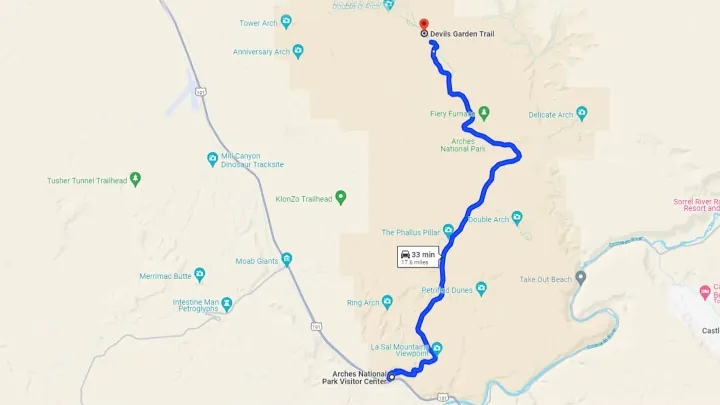
Choose Sand Dune Arch and Broken Arch for a Quieter Short Adventure
Sand Dune Arch is not exactly unknown, but it feels different from many other stops. Tucked between sandstone fins, it has a cooler, more sheltered feeling, with soft sand underfoot and tall rock walls around you. It is a good place to slow down, especially if you are traveling with kids or want a shorter walk.
From there, continuing toward Broken Arch can turn a quick stop into a more satisfying loop. The trail gives you a little more movement, more open space, and more chances to feel away from the parking-lot rhythm of the park. It is not remote wilderness, but it is often calmer than the biggest-name viewpoints.
This is a good example of how to explore Arches better: take a popular short stop and extend it into a fuller experience. You do not always need to choose the hardest hike. Sometimes you just need to walk past the first obvious stopping point.
The best quiet moments in Arches are often not far away.
You may only need to walk ten or fifteen minutes beyond the busiest viewpoint to feel the park become spacious again.
Try Skyline Arch When You Want a Short, Simple Stop
Skyline Arch is a useful stop for travelers who want something easy but less emotionally crowded than the biggest attractions. The trail is short, the arch is visible from a distance, and the walk does not demand much time. That makes it a good choice when you are between longer hikes, traveling with mixed energy levels, or trying to avoid overloading the day.
What makes Skyline Arch appealing is its simplicity. It does not require a big plan. It gives you a clean desert view, a strong arch formation, and a quieter pause. Not every stop in Arches needs to be dramatic. Some are valuable because they give you room to breathe.
If you are visiting in warmer months, shorter stops like this can also help you build a safer day. Instead of forcing one long midday hike, you can combine brief walks, shaded breaks, scenic pullouts, and early or late hiking.
Go Deeper Into Devils Garden, But Know Your Limits
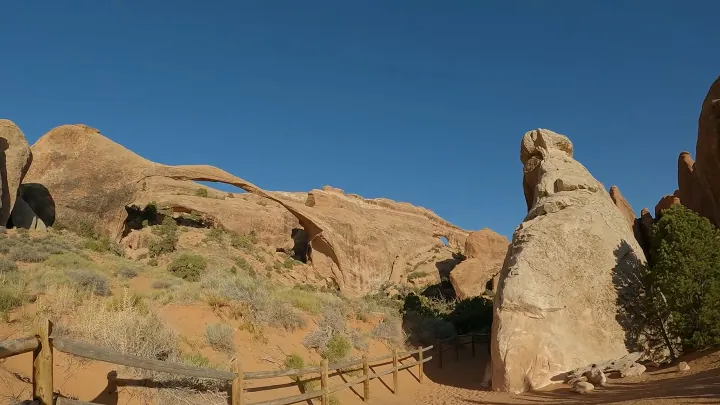
Devils Garden is one of the most rewarding areas in Arches because it lets you choose how far you want to go. Many visitors walk to Landscape Arch and turn around. That is a perfectly good choice, especially in heat or with limited time. Landscape Arch is long, delicate, and worth seeing.
But if you are prepared, Devils Garden can become much more than a quick arch stop. Continuing farther brings a different kind of experience: narrower fins, more demanding route-finding, slickrock sections, and a stronger sense of moving through the park rather than simply viewing it.
This is not the place to overestimate yourself. The primitive sections can include exposure, uneven surfaces, heat, and confusing terrain. Bring enough water, start early, follow cairns carefully, and turn around before you are tired. A deeper route is only worth it if you can do it safely.
Devils Garden Reminder
Landscape Arch is a good turnaround point for many visitors. Continue deeper only if you have enough water, time, energy, footwear, and comfort with more challenging desert terrain.
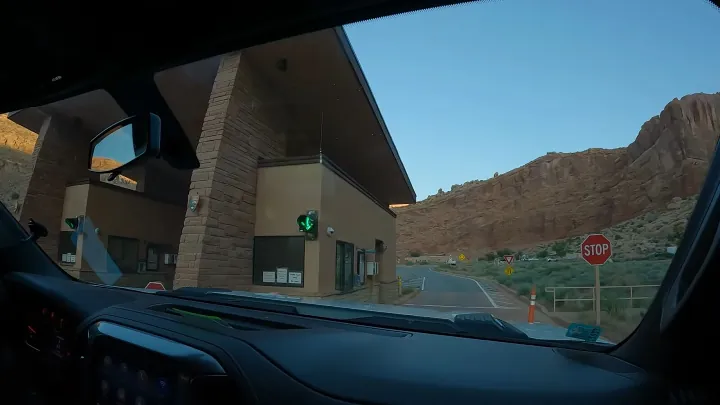
Tower Arch: A Better Choice for Travelers Who Want Space
If you want a more off-the-beaten-path experience inside Arches, Tower Arch is one of the strongest options. It sits in the Klondike Bluffs area, away from the main flow of casual sightseeing. Getting there usually requires driving an unpaved road, so conditions matter. If the road is wet, muddy, or recently affected by storms, this is not the time to push it.
The reward is a quieter trail and a different mood from the famous central stops. Tower Arch feels less like a quick photo location and more like a small desert outing. You get sand, rock, open views, formations like the Marching Men, and the satisfaction of reaching a place many visitors skip.
This is the kind of route that makes Arches feel larger. It is not necessarily difficult in a technical sense, but it does require more planning than a roadside stop. Check conditions, bring water, download maps, and do not count on strong cell service.
Tower Arch Works Best If You Want:
Fewer crowds: it sits away from the main cluster of famous stops.
A real hike: not extremely long, but more involved than a roadside viewpoint.
A quieter desert mood: sand, rock, open air, and more space to hear the silence.
Use Scenic Pullouts More Thoughtfully
Not every good Arches experience requires a named hike. Some of the best moments happen when you stop at a viewpoint and actually stay for a while. Many visitors treat pullouts like quick photo errands: park, snap, leave. But if you give a place ten quiet minutes, you may notice more than you expected.
Panorama Point is one place where the wider landscape becomes the subject. Instead of focusing only on arches, look toward the La Sal Mountains, the changing light, and the way the red rock formations sit inside a much larger desert system. Late afternoon and evening can be especially rewarding when the light softens.
This is one of the underrated lessons of Arches: the park is not only a collection of individual formations. It is a landscape. When you stop chasing one famous arch after another, the whole place starts to make more sense.
Consider Fiery Furnace Only If You Are Prepared
Fiery Furnace is one of the most intriguing areas in Arches, with narrow passages, sandstone fins, and maze-like terrain. It is also a fragile and more controlled area, so access is not the same as walking a standard front-country trail. Depending on current conditions and staffing, visitors may need a permit or ranger-led option, and availability can change.
This is not a casual “let’s just wander in” destination. The terrain can be confusing, the route is not always obvious, and the ecosystem is sensitive. If you want to visit, check the official park information before your trip and be honest about your navigation skills, fitness, and comfort with tight spaces.
For the right traveler, Fiery Furnace can be unforgettable. For the unprepared traveler, it can become stressful quickly. In Arches, knowing when not to attempt something is part of good travel judgment.
Permit Reminder
Always check current NPS information before planning Fiery Furnace. Access rules, permits, guided options, and availability can change.
Build a Better One-Day Off-the-Beaten-Path Route
A one-day visit to Arches does not have to be a race through every famous stop. In fact, the more you rush, the less the park feels like a place and the more it feels like a checklist. A better one-day plan balances one or two iconic views with quieter trails and enough downtime to handle heat, traffic, and parking.
Start with an early hike. Park Avenue is a strong first choice if you want scale and atmosphere without immediately joining the biggest crowds. After that, move toward the Windows area before it gets too busy, but take the full loop instead of only stopping for the obvious angle.
During the warmer middle of the day, choose shorter stops: Sand Dune Arch, Skyline Arch, Balanced Rock, or a scenic viewpoint. If the weather is hot, this is also a good time to rest, refill water, visit the visitor center, or leave the park for lunch in Moab before returning later.
In the late afternoon, choose one final deeper experience. If road conditions are good and you are prepared, Tower Arch can be a quieter adventure. If you want to stay on the paved main route, Devils Garden to Landscape Arch is a classic and rewarding option.
A More Spacious Arches Day
Early Morning: Park Avenue
Start with canyon-like sandstone walls and softer light near the front of the park.
Morning: Windows Area With the Full Loop
See the famous arches, but walk farther than the first photo spot.
Midday: Short Walks and Water Breaks
Use Sand Dune Arch, Skyline Arch, Balanced Rock, or the visitor center to avoid overexertion.
Late Afternoon: Tower Arch or Devils Garden
Choose one deeper route instead of rushing through several crowded stops.
Pack Like the Desert Is Serious — Because It Is
Arches can look friendly from the road, but the desert environment deserves respect. Heat, exposure, limited shade, dry air, and weak cell service can turn a simple hike into a problem if you are careless. Bring more water than you think you need. Wear sun protection. Use real walking shoes. Carry snacks. Download maps before entering the park.
Water is especially important. Many visitors underestimate how quickly they lose moisture in dry desert air. You may not feel sweaty in the same way you would in a humid climate, but your body is still working hard. If you are halfway through your water, you should be thinking seriously about turning around.
Do not rely on your phone as your only safety tool. Service can be limited or unavailable in parts of the park. A downloaded map, paper map, clear plan, and realistic turnaround time are much more dependable than assuming you can simply search your way out.
Desert Safety Reminder
Start early, carry enough water, avoid hard hikes during peak heat, and tell someone your plan if you are doing a quieter trail. A beautiful desert day can still become dangerous if you are underprepared.
Protect the Landscape While You Explore
The desert around Arches may look tough, but parts of it are extremely fragile. Cryptobiotic soil crust, desert plants, rock art areas, and soft sandstone surfaces can be damaged by careless footsteps, climbing, carving, or shortcutting. A single boot track may last much longer than you expect.
This is why responsible off-the-beaten-path travel matters. Stay on marked trails where they exist. Do not create shortcuts. Do not build your own cairns. Do not carve names into rock. Do not climb on arches. Do not walk across fragile soil just to get a slightly different photo angle.
The best travelers leave the park looking unchanged. In a place shaped over millions of years, that is the least we can do.
Off the beaten path should never mean off the rules.
In fragile desert parks, the most respectful adventures are the ones that protect the place for the next traveler.
Stay in Moab, But Plan Your Food and Timing
Moab is the natural base for visiting Arches. It is close to the park entrance and has hotels, campgrounds, restaurants, gear shops, coffee spots, and outfitters. That convenience is helpful, but Moab also gets busy during peak seasons. Lodging can fill, restaurants can have waits, and early starts become much easier if you prepare the night before.
Before your park day, fill your water containers, pack snacks or lunch, download maps, check road and weather conditions, and decide which route matters most. If you wait until morning to figure everything out, you may lose the quiet hours that make Arches feel special.
A cooler in the car can be useful, especially if you plan to leave the park during the hottest hours and return later. Simple food, cold drinks, and a flexible schedule can make the whole day feel less stressful.
Who Should Explore Arches This Way?
This style of Arches trip is best for travelers who do not want to spend the whole day fighting crowds at the most famous stops. It is ideal for hikers, photographers, repeat visitors, road-trippers, and anyone who wants the park to feel like a landscape rather than a checklist.
It is also good for first-time visitors who still want to see the highlights but do not want the entire day to revolve around Delicate Arch. You can absolutely see famous places and still make room for quieter trails. The secret is not skipping the icons. The secret is not letting them consume the whole trip.
If you are traveling with very young children, limited mobility, or very little time, choose shorter walks and scenic stops. If you are experienced and prepared, add one deeper hike. Arches is flexible if you build the day around your actual energy, not someone else’s itinerary.
Best Travel Approach
Choose one iconic stop, one quieter trail, one scenic viewpoint, and one flexible backup plan. That structure usually creates a better day than trying to see every named formation in the park.
Final Thoughts
Arches National Park is famous, but it does not have to feel predictable. The park becomes richer when you step beyond the obvious rhythm: drive, park, photo, leave. Walk farther. Arrive earlier. Stay quieter. Look at the fins, shadows, washes, mountains, and empty spaces between the famous arches.
Off-the-beaten-path travel in Arches is not about finding secret locations to post online. It is about giving the park enough attention to reveal more than its most photographed side. Park Avenue, Broken Arch, Skyline Arch, Tower Arch, deeper Devils Garden routes, and quiet scenic pullouts can all help you experience Arches with more room to breathe.
The best version of an Arches trip is not always the busiest itinerary. Sometimes it is one early trail, one long pause under red rock, one quiet view across the desert, and the feeling that you saw the park not just as a visitor, but as a guest who paid attention.
Final Reminder: Explore Arches with curiosity, but also with restraint. Bring water, start early, check current park conditions, respect closures and permits, stay on durable surfaces, and remember that the quietest places are only worth finding if we help keep them protected.