Bali Travel Guide: Beaches, Temples, Waterfalls, Surf Towns and Island Escapes
Bali Travel Experience
Bali Travel Guide: Beaches, Temples, Waterfalls, Surf Towns and Island Escapes
Bali is not a perfect postcard, and that is exactly why it is interesting. It has luxury resorts, crowded beaches, sacred temples, jungle waterfalls, surf towns, volcanic mountains, dramatic cliffs and nearby islands with clear blue water. If you come only for quiet beaches, Bali may surprise you. But if you travel it with the right expectations, the island becomes rich, layered and unforgettable.
Article Summary: Bali is best understood by regions. Kuta is energetic and beginner-friendly for surfing. Seminyak is more stylish and polished. Canggu is relaxed, creative and popular with surfers and digital nomads. Uluwatu has cliffs, temples and world-class waves. Ubud offers rice terraces, art, waterfalls and a slower inland mood. East Bali is more remote, while Nusa Lembongan, Nusa Ceningan and Nusa Penida offer clearer water and more dramatic island scenery. This guide helps you plan Bali with realistic expectations, smoother routes and a more enjoyable pace.
Bali is often described as a paradise, but that word can create the wrong expectation. The island is beautiful, yes, but not always in the polished way people imagine before arriving. Some beaches are crowded. Some roads are slow. Some famous attractions are better in photos than in real life. And yet, Bali has a charm that keeps people returning again and again.
The real beauty of Bali is variety. One day you may be taking a surf lesson in Kuta, the next day walking through rice terraces in Ubud, and later standing on a cliff in Uluwatu while the ocean crashes far below. If you add the nearby islands into the trip, Bali becomes even more interesting: clear water, dramatic coastlines, snorkeling, diving and raw island roads that feel far from the main tourist areas.
To enjoy Bali properly, the most important thing is not to chase every famous spot. The island is bigger and slower than it looks on a map. A good Bali trip is not about doing everything. It is about choosing the right base, allowing enough travel time and knowing which places match your own travel style.
First-Time Bali Advice
Do not plan Bali by distance alone. A route that looks short on the map may take much longer because of traffic, narrow roads, ceremonies, mountain routes or ferry schedules. Plan by travel time, not kilometers.
Understanding Bali Before You Build Your Route
Bali is a large island. It stretches roughly 140 kilometers from east to west and about 80 kilometers from north to south. That may not sound huge, but the actual travel experience can be slow. Roads are often narrow, traffic in the south can be heavy, and driving from one region to another can easily take two or three hours.
This is why choosing where to stay matters. If you stay in Kuta or Seminyak and try to visit Ubud, East Bali, waterfalls and Nusa Penida all from one base, you will spend too much time in cars. A better way is to divide your trip into two or three parts: South Bali for beaches and nightlife, Ubud for rice fields and culture, and one island or eastern area if you want adventure.
A Simple Way to Think About Bali
South Bali is where most travelers begin. It includes Kuta, Seminyak, Jimbaran and Uluwatu. This area is best for beaches, resorts, surfing, sunset dining and nightlife.
Central Bali is centered around Ubud. It is better for rice terraces, temples, art, cafés, waterfalls, yoga, villas and a quieter inland mood.
Offshore islands such as Nusa Lembongan, Nusa Ceningan and Nusa Penida are where you go for clearer water, cliff scenery, snorkeling, diving and a more adventurous island feeling.
Before You Go: Small Preparations That Make the Trip Easier
Bali is easy to enjoy, but a little preparation makes the journey smoother. First, prepare mobile data. You can buy a local SIM card at the airport or use an eSIM. Having internet is important because you will rely on maps, ride-hailing apps, hotel messages and ferry information.
Grab and Gojek are the most useful transport apps in Indonesia. They work similarly to ride-hailing apps in other countries and are usually clearer than negotiating with random taxis. In some tourist areas, pickup points may be restricted, so your driver may ask you to walk a short distance.
Cash is still important. Cards are accepted in many hotels, restaurants and shops, but small warungs, parking areas, local boats, temple donations and remote islands often require Indonesian rupiah. If you plan to visit Nusa Penida or Nusa Lembongan, bring enough cash before leaving Bali’s main island.
For accommodation, book popular villas and unique stays early, especially around Ubud, Uluwatu and the island areas. Some private villas with jungle views, swings or infinity pools are limited and become expensive during high season.
Practical Packing Note
Bring sunscreen, swimwear, light breathable clothes, sandals, a hat, a power adapter, mosquito repellent and a small dry bag if you plan to take boats or do water activities.
Kuta: Loud, Crowded, Imperfect — But Great for Beginner Surfing
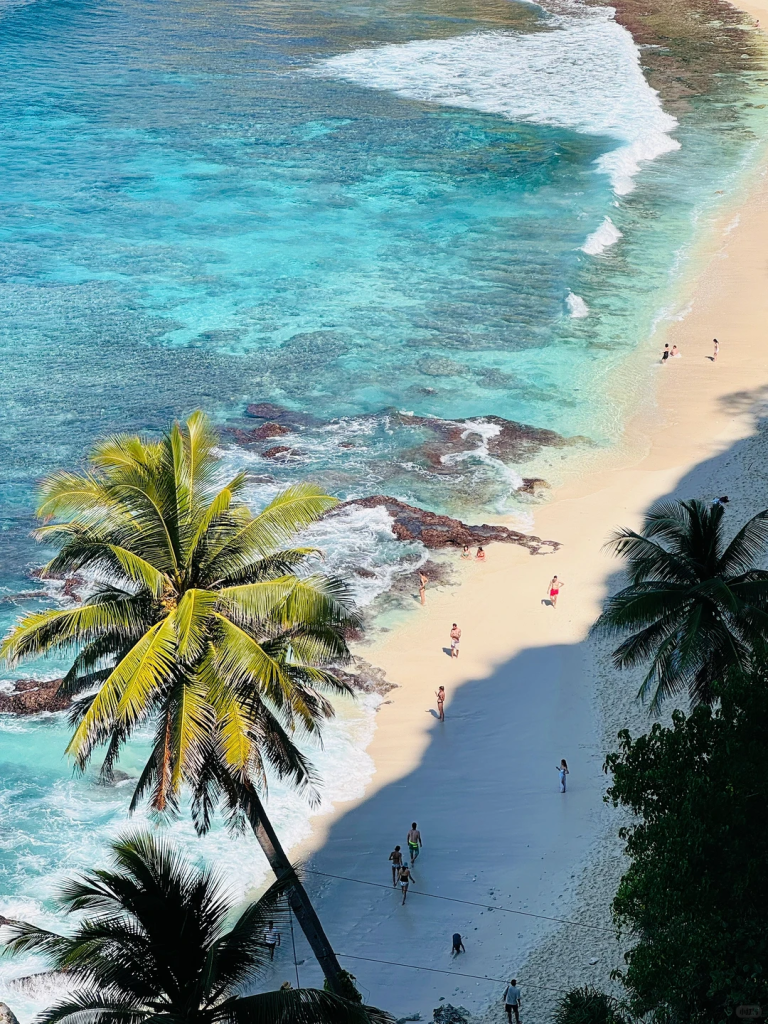
Kuta is not the most beautiful beach in Bali, but it has a strong reason to exist: surfing. The beach has a soft sandy bottom, consistent waves and many surfboard rental shops. For beginners, this is one of the easiest places to try surfing for the first time.
During the day, Kuta is busy. You will see surfboards, beach vendors, tourists, cold drinks, sun umbrellas and beginners falling into the waves again and again. It is not peaceful, but it has energy. If you are young, curious and want your first surf lesson, Kuta can be fun.
At night, Kuta becomes even louder. Bars, clubs, music and crowds fill the streets. Some travelers love it. Others leave after one night. If you want quiet romance, Kuta is probably not your best base. If you want cheap nightlife and easy surf access, it works.
Surfing Tip for Beginners
Take a lesson if it is your first time. Wear proper surf clothing, apply strong sunscreen and avoid crowded sections. First-time surfers often get skin irritation from rubbing against the board, so a rash guard or surf suit is more practical than a bikini or loose cotton shirt.
Seminyak: A More Stylish Version of the South Bali Beach Scene
Seminyak sits north of Kuta and feels more polished. The beach is still part of the same long coastline, but the atmosphere is more refined. You will find boutique hotels, beach clubs, designer shops, cocktail bars and more stylish restaurants.
If Kuta feels like a noisy backpacker and beginner surf area, Seminyak feels like its older, better-dressed sibling. It is more expensive, but also more comfortable. Couples, small groups and travelers who want sunset drinks, beach clubs and good food often prefer staying here.
Seminyak is a good choice if you want convenience without giving up comfort. It is not the wild side of Bali, but it is an easy base for a relaxed beach holiday.
Canggu: Surf Culture, Cafés and a Creative Island Mood
Canggu has become one of the most popular areas in Bali, especially among surfers, digital nomads, skaters and café lovers. The beaches here are not classic postcard beaches. The sand is darker, the waves are stronger, and swimming is not always ideal. But the atmosphere is relaxed and creative.
You can spend a morning in a café, watch surfers at Batu Bolong or Echo Beach, ride a scooter through small lanes, visit a skatepark, then end the day with sunset drinks. Canggu is not as polished as Seminyak, but it has more character.
The downside is traffic. Canggu has grown quickly, and some roads are now very busy. If you stay here, do not plan too many cross-island trips. Enjoy Canggu for what it is: a social, surf-centered, slow-living area with plenty of modern Bali energy.
Choosing Between Kuta, Seminyak and Canggu
Choose Kuta if you want beginner surfing, affordable nightlife and a very busy tourist atmosphere.
Choose Seminyak if you prefer stylish restaurants, beach clubs, shopping and a more comfortable beach stay.
Choose Canggu if you like surf culture, cafés, digital nomad energy, casual bars and a more creative lifestyle atmosphere.
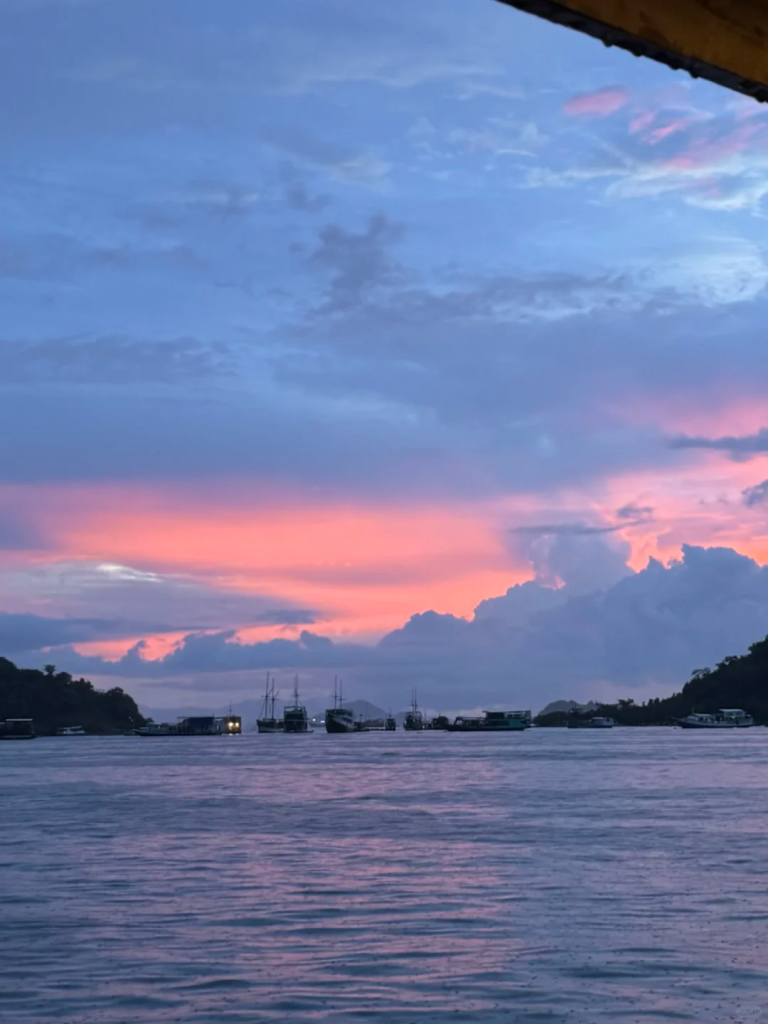
Jimbaran: Seafood, Soft Waves and a Sunset Dinner Mood
Jimbaran Beach is one of the most pleasant beaches on Bali’s main island. It is calmer than Kuta, more relaxed than Seminyak and especially suitable for a sunset seafood dinner. The sea feels gentler here, and the beach atmosphere is more family-friendly.
The classic Jimbaran experience is simple: arrive before sunset, choose a seafood restaurant on the sand, order grilled fish or prawns, and watch the sky slowly turn orange. It may not be the most untouched experience in Bali, but it is easy, comfortable and romantic.
If you are traveling as a couple or with family, Jimbaran is a good place to slow down for an evening. It does not have the excitement of Canggu or the nightlife of Kuta, but it has a softer charm.
Uluwatu: Cliffs, Monkeys, Temples and Powerful Waves
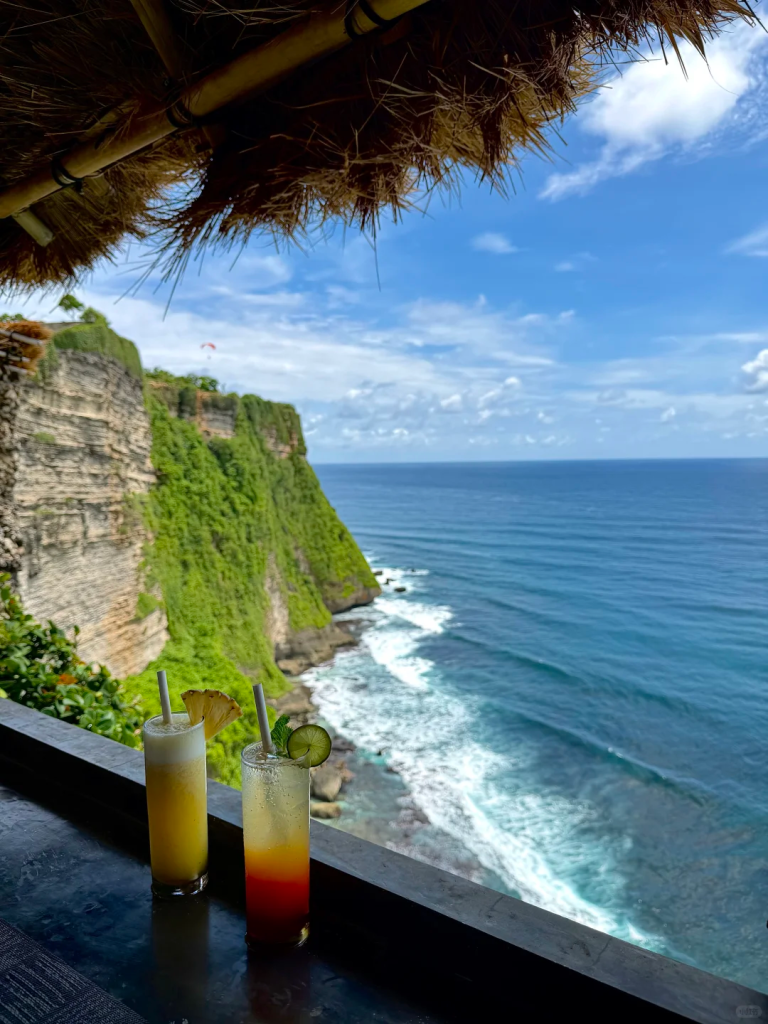
Uluwatu sits on Bali’s southwestern peninsula and feels very different from the crowded southern beach towns. Here, the coastline becomes dramatic. Cliffs drop into the ocean, waves break below limestone rocks, and the sunsets can feel theatrical.
Uluwatu Temple is one of the area’s most famous sites. It stands on a cliff above the sea, and at sunset, visitors can watch a traditional Kecak performance. The combination of temple, ocean and fire dance creates a strong cultural atmosphere. Be careful with the monkeys near the temple, as they are known for grabbing sunglasses, hats and small items.
Uluwatu is also famous among experienced surfers. Blue Point and nearby breaks are not beginner-friendly playgrounds. They are serious waves with reef, current and strong ocean power. For many travelers, the best experience is simply to watch skilled surfers from the cliffside cafés.
Nearby Padang Padang Beach is a more intimate stop. Hidden under cliffs, it is smaller and more romantic than the wide beaches of Kuta. Depending on conditions, it can be good for surfing or simply relaxing by the water.
Ocean Safety Reminder
Many Bali beaches are better for surfing than swimming. Always check signs, waves and local advice before entering the water. Beautiful beaches can still have strong currents, reef and sudden waves.
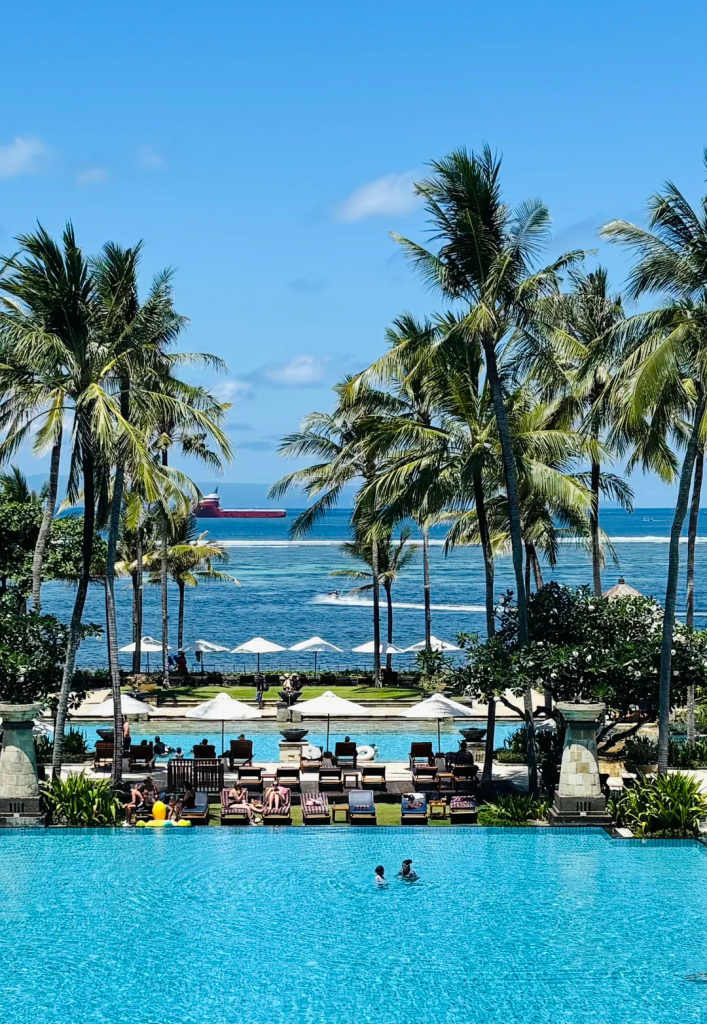
Ubud: Rice Terraces, Art and the Inland Soul of Bali
After a few days by the sea, Ubud feels like a different kind of Bali. The air is softer, the pace is slower, and the scenery changes from surf and sand to rice fields, jungle valleys, temples, craft shops and small cafés. Ubud is not untouched anymore, but it still has a cultural and rural atmosphere that many travelers love.
Ubud town itself has markets, galleries, restaurants and Ubud Palace. The palace is easy to visit and gives a quick taste of Balinese architecture. Around Ubud, you can visit temples, rice terraces and waterfalls, or simply stay in a villa and enjoy a slower rhythm.
Tegallalang Rice Terrace is one of the most photographed places near Ubud. The view is especially beautiful in the morning, when the light is soft and the crowds are smaller. Yes, it has become commercial in parts, with swings and photo platforms, but the layered green fields are still worth seeing if you go with realistic expectations.
If you want something quieter than the famous swing parks, try Campuhan Ridge Walk. It is easy to reach from Ubud and gives you a peaceful walk through gentle hills, greenery and village scenery. It is not a dramatic attraction, but it is one of those places that feels better in person than it sounds on a list.
Ubud is best when you stop treating it as a checklist.
Stay two nights if possible. Walk slowly, visit one or two places a day, and leave space for cafés, rain, rice fields and quiet mornings.
Bali Swings: Viral, Beautiful and Sometimes Overrated
Bali swings became famous because they look perfect in photos: a flowing dress, jungle valley, open sky and a dramatic swing over the landscape. Some private villas and swing parks around Ubud offer this experience. It can be fun, but it is worth choosing carefully.
Some swing locations are beautiful and feel special. Others are more like staged photo parks with lines, props and a very commercial atmosphere. If your main goal is photography, you may enjoy it. If you prefer natural travel experiences, you might find it less meaningful than expected.
My advice is simple: do not build your whole Ubud day around a swing unless the location itself is special. Bali has too many real landscapes to spend too much time chasing a photo that thousands of people have already taken.
East Bali: Gates of Heaven, Mount Agung and a More Remote Feeling
East Bali is quieter and more remote than the southern and central areas. The famous “Gates of Heaven” at Lempuyang Temple is the best-known attraction here. The name sounds magical, and the photo can look spectacular: temple gates, open sky and Mount Agung in the background.
The reality is more complicated. The drive from Kuta or Seminyak can take around three hours one way. The famous reflection effect is often created with a mirror near the camera. The line for photos can be long, especially later in the day. If you go, start early. Morning usually gives better visibility, fewer crowds and a calmer experience.
Mount Agung, Bali’s sacred volcano, dominates the eastern landscape. On a clear day, it looks powerful and almost unreal. Travelers with more time can stay in Sidemen, a peaceful area with rice fields, mountain views and quiet villas. For most casual visitors, Mount Agung is better admired from a distance rather than climbed.
Should You Visit East Bali?
Visit East Bali if you have enough time, enjoy photography, want mountain views, or plan to combine Lempuyang, Tirta Gangga, Sidemen, Amed or Tulamben. If your trip is short, do not spend six hours on the road just for one photo.
Jungle Waterfalls: Bali’s Most Underrated Natural Beauty
Many people think of Bali as a beach destination, but its waterfalls are often more impressive than its main beaches. Hidden in valleys, caves and jungle paths, they show a wilder and more refreshing side of the island.
Tukad Cepung Waterfall is one of the most atmospheric. It sits inside a cave-like rock formation, and when sunlight enters at the right angle, the scene becomes almost magical: water, mist, stone walls and beams of light. It is a good choice if you are staying in Ubud or heading toward East Bali.
Sekumpul Waterfall is much farther and more demanding, but it is one of the grandest waterfall experiences in Bali. The road is longer, the walk is more physical, and you may need to cross streams or go down many steps. But the reward is huge: multiple waterfalls dropping through lush green cliffs. For waterfall lovers, this may be one of Bali’s best natural sights.
Tegenungan Waterfall is easier to reach from Ubud and therefore more commercial. It is not hidden, but it is convenient. If you have limited time and want a simple waterfall stop, it works. If you want a more adventurous experience, go farther.
Waterfall Tip
Wear shoes with grip, bring a small towel, protect your phone from water and do not underestimate the walk back up. Some waterfalls look easy in photos but require steep stairs or slippery paths.
Nusa Lembongan: Clear Water and a Slower Island Rhythm
If you feel Bali’s main island does not have the clear water you imagined, Nusa Lembongan is a good answer. It is a small island southeast of Bali, reachable by fast boat from Sanur. The sea is cleaner, the pace is slower, and the island atmosphere is more relaxed.
Many people visit Lembongan as a day trip, but staying one night is much better if you enjoy water activities. You can go snorkeling, diving, surfing, try water activities or simply ride around the island slowly. The island is small enough to explore easily, though some roads can be bumpy.
Dream Beach has some of the prettiest water on the island, though the waves can be strong. Devil’s Tear is a dramatic cliff area where waves crash into rock openings and spray high into the air. Mushroom Beach is calmer and more convenient, with restaurants and boats nearby. The mangrove area in the north offers a quiet boat ride through green waterways when you want a break from open sea views.
Nusa Ceningan: Blue Lagoons and a Rougher Small-Island Charm
Nusa Ceningan is connected to Lembongan by the Yellow Bridge. You can cross by scooter or on foot. The island is smaller, less developed and rougher around the edges, but that is part of its charm.
The Blue Lagoon area is the main highlight, with bright blue water and cliff views. Some travelers come here for cliff jumping, but this should be treated seriously. Conditions can change, waves can be dangerous, and the safest way to enjoy the place is often simply to admire the water from above.
Ceningan is best visited together with Lembongan. It is not a place for luxury infrastructure. It is a small island for scooters, cliff views, simple cafés and a slightly wilder mood.
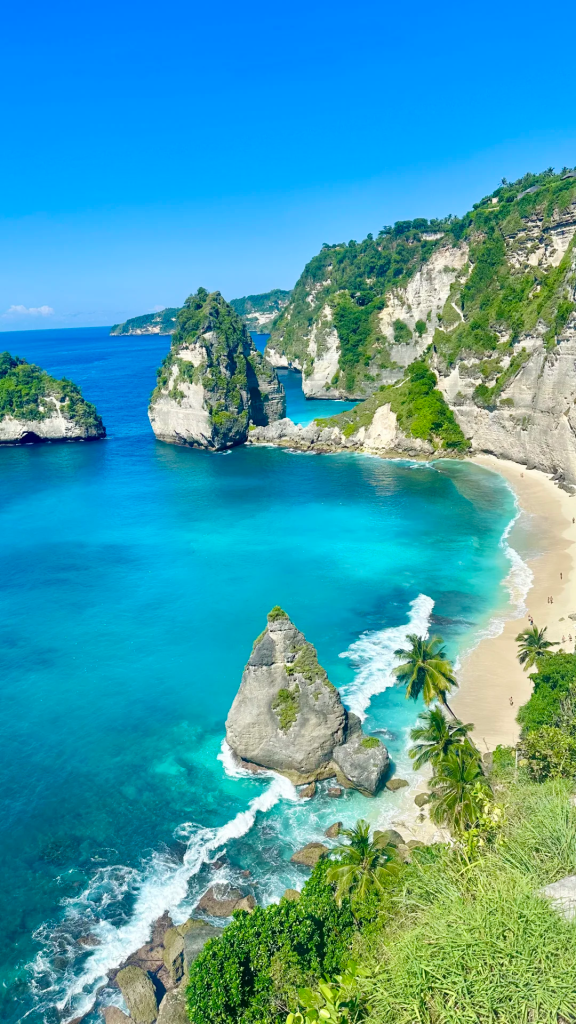
Nusa Penida: Bali’s Most Dramatic Offshore Island
Nusa Penida is larger and much more dramatic than Nusa Lembongan. It is also rougher, more spread out and less developed. In recent years, it has become famous because of places like Kelingking Beach, Broken Beach, Angel’s Billabong and Manta Bay. Unlike some overhyped attractions on Bali’s main island, Penida’s scenery can genuinely feel breathtaking.
The island is reachable by fast boat from Sanur, usually in around 40 minutes depending on the boat and sea conditions. Many travelers do day trips, but I recommend staying at least one night if you want to experience it properly. The roads can be rough, and the attractions are not close to each other. A rushed day trip often becomes more driving than enjoying.
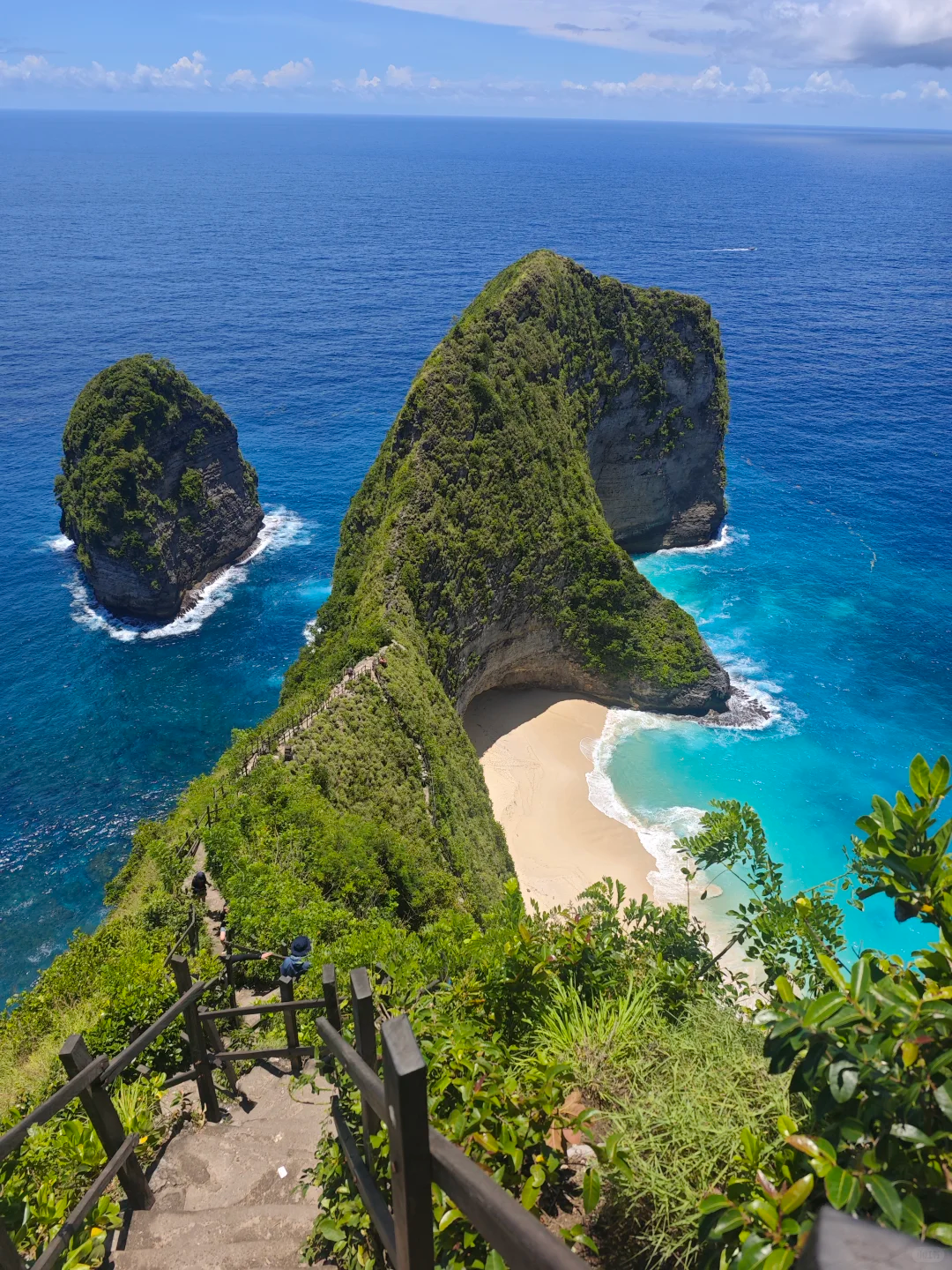
Kelingking Beach is the island’s most famous viewpoint. From above, the cliff stretches into the sea like a giant creature’s spine, with a hidden beach below. The descent is steep, hot and physically demanding. If you are short on time or not confident with difficult paths, enjoy the view from above. That alone is worth the visit.
Broken Beach is a natural arch where the ocean flows through a giant opening in the cliff. Nearby Angel’s Billabong is a natural rock pool that looks beautiful when calm, but visitors must be careful because waves near the open sea can be unpredictable. Crystal Bay is more accessible and works well for snorkeling or a more relaxed beach stop.
How to Experience Nusa Penida Better
Stay overnight if possible. It gives you more time, less pressure and a better chance to see viewpoints outside the busiest hours.
Hire a driver if you are not experienced with rough island roads. Riding a scooter on Penida can be risky for beginners because of steep hills, broken surfaces and narrow turns.
Bring cash, water, sunscreen and patience. Penida is beautiful, but it is not as convenient as Bali’s main tourist areas.
Snorkeling, Diving and Manta Rays Around the Islands
The waters around Nusa Lembongan, Nusa Ceningan and Nusa Penida are among the best reasons to leave Bali’s main island. Snorkeling trips may include coral areas, clear water and underwater statues near Lembongan and Ceningan. Around Penida, many boat tours search for manta rays near Manta Bay or Manta Point.
Diving enthusiasts may also be interested in seasonal mola mola sightings, especially around deeper dive sites. This is not a casual beginner activity. Currents around these islands can be strong, and diving should only be done with qualified operators.
If you are not a diver, snorkeling is still very rewarding. Choose a reputable local operator, check sea conditions and listen carefully to safety instructions. The ocean around these islands is beautiful, but it should always be treated with respect.
Water Activity Reminder
Do not choose the cheapest operator only because of price. For snorkeling, diving or manta trips, safety, guide experience and boat condition matter more than saving a small amount of money.
A More Realistic Bali Route
For a first Bali trip, I would not recommend changing hotels every night. It sounds efficient, but it becomes tiring quickly. A better route is to choose two or three bases and explore from there.
If you have five days, stay two nights in Seminyak or Jimbaran, then two nights in Ubud, leaving one flexible day for Uluwatu, a waterfall route or a relaxed beach sunset. This gives you a taste of beach, food, culture and inland scenery without rushing too much.
If you have seven days, add Nusa Lembongan or Nusa Penida. You can spend the first part of the trip in South Bali, the middle in Ubud, and the final part on an offshore island. This route feels much more complete because it includes both Bali’s cultural interior and clearer island water.
If you have ten days or more, consider going deeper: Seminyak or Canggu, Uluwatu, Ubud, Sidemen or East Bali, then Nusa Lembongan and Nusa Penida. This is a richer route, but only if you are comfortable with moving around and spending time on the road or boats.
A Smooth 7-Day Bali Flow
Days 1–2: Seminyak, Jimbaran or Canggu
Adjust to Bali, enjoy the beach, try surfing, eat well and watch sunset.
Day 3: Uluwatu
Visit cliff beaches, Uluwatu Temple and the Kecak performance at sunset.
Days 4–5: Ubud
Explore rice terraces, waterfalls, cafés, local crafts and a slower inland atmosphere.
Days 6–7: Nusa Lembongan or Nusa Penida
Choose Lembongan for a gentler island stay, or Penida for dramatic cliffs and adventure.
Who Will Enjoy Bali Most?
Bali is ideal for travelers who enjoy variety. You can surf, eat, explore temples, stay in villas, walk through rice fields, visit waterfalls and take boats to nearby islands. It is especially good for couples, surfers, photographers, digital nomads, food lovers and people who enjoy tropical landscapes with cultural depth.
Bali may not be ideal if you want empty beaches, perfect traffic, quiet luxury everywhere or completely untouched nature. It is commercial in many places. It can be crowded. It can be chaotic. But it also has a strong life force that polished resort islands sometimes lack.
The people who love Bali most are usually those who stop expecting one perfect island and start enjoying its different personalities: the noisy surf of Kuta, the stylish evenings of Seminyak, the creative rhythm of Canggu, the cliffs of Uluwatu, the green calm of Ubud and the wild blue scenery of Nusa Penida.
Bali is not perfect, and that is exactly why it feels alive.
It is beautiful, crowded, spiritual, commercial, relaxing, chaotic, wild and stylish — sometimes all in the same day.
Final Thoughts
Bali is worth visiting, but it should be visited honestly. Do not expect every beach to be perfect. Do not expect every famous attraction to feel magical. Do not overpack your itinerary or underestimate traffic. The island becomes much more enjoyable when you accept its imperfections and choose your route carefully.
For a first trip, combine South Bali with Ubud and one island escape if time allows. Start with beaches and sunsets, move inland for rice terraces and waterfalls, then finish with Nusa Lembongan or Nusa Penida for clearer water and dramatic scenery. This gives you a fuller version of Bali instead of only one crowded corner of it.
The best Bali memories are often not the most famous ones. They may be a first surf lesson, a slow scooter ride through rice fields, a seafood dinner at sunset, the sound of a waterfall in the jungle, a cliff view in Uluwatu, or a quiet morning on a small island before the day tours arrive.
Final Reminder: Bali is not just a beach destination. It is a place of surf towns, temples, villas, jungle paths, volcano views, waterfalls and island escapes. Travel it slowly, choose your base wisely, and let the island show more than its famous photos.