Why Memes Are Not Just Jokes, but a Modern Language
Digital Culture
Why Memes Are Not Just Jokes, but a Modern Language
Reading Time
9 min
A meme can say “I understand,” “this is awkward,” “I disagree,” “I am tired,” or “you are not alone” faster than a paragraph.
That is why memes are not only decoration in digital conversations. They have become emotional shortcuts, social signals, and cultural grammar.
Article Summary: Memes are often dismissed as internet jokes, but they now work like a modern visual language. They carry tone, emotion, irony, identity, social commentary, and shared cultural memory. In online communication, a meme can replace a facial expression, soften criticism, create belonging, or explain a complicated feeling in seconds. This article explores why memes matter, how they function like language, and why understanding them helps us understand how people communicate in the digital age.
At first glance, a meme looks simple. It may be a funny image, a reaction GIF, a screenshot with text, a cartoon face, a short phrase, or a sticker sent in a chat. It appears quickly, gets a laugh, and disappears into the flow of messages. Because of that, many people treat memes as light entertainment — something unserious, temporary, and easy to ignore.
But if you look closely at how people actually use memes, the story becomes more interesting. A meme is rarely just a joke. It often carries a feeling that would be awkward to explain directly. It can express sarcasm, affection, embarrassment, exhaustion, disagreement, support, or shared frustration. Sometimes it says what words cannot say without sounding too dramatic.
This is why memes have become a modern language. Not a language in the traditional sense of grammar books and dictionaries, but a living communication system. People learn it through use. They understand its tone through context. They borrow, remix, and translate it across communities. Like slang, memes change quickly. Like gestures, they depend on timing. Like jokes, they need shared knowledge. And like language, they help people belong.
Memes Fill the Emotional Gap in Digital Communication
Text messages are convenient, but they are also incomplete. In face-to-face conversation, we read tone, facial expression, pause, eye contact, and body language. Online, much of that disappears. A sentence like “Sure” can sound friendly, bored, angry, or sarcastic depending on context. This is where memes become useful.
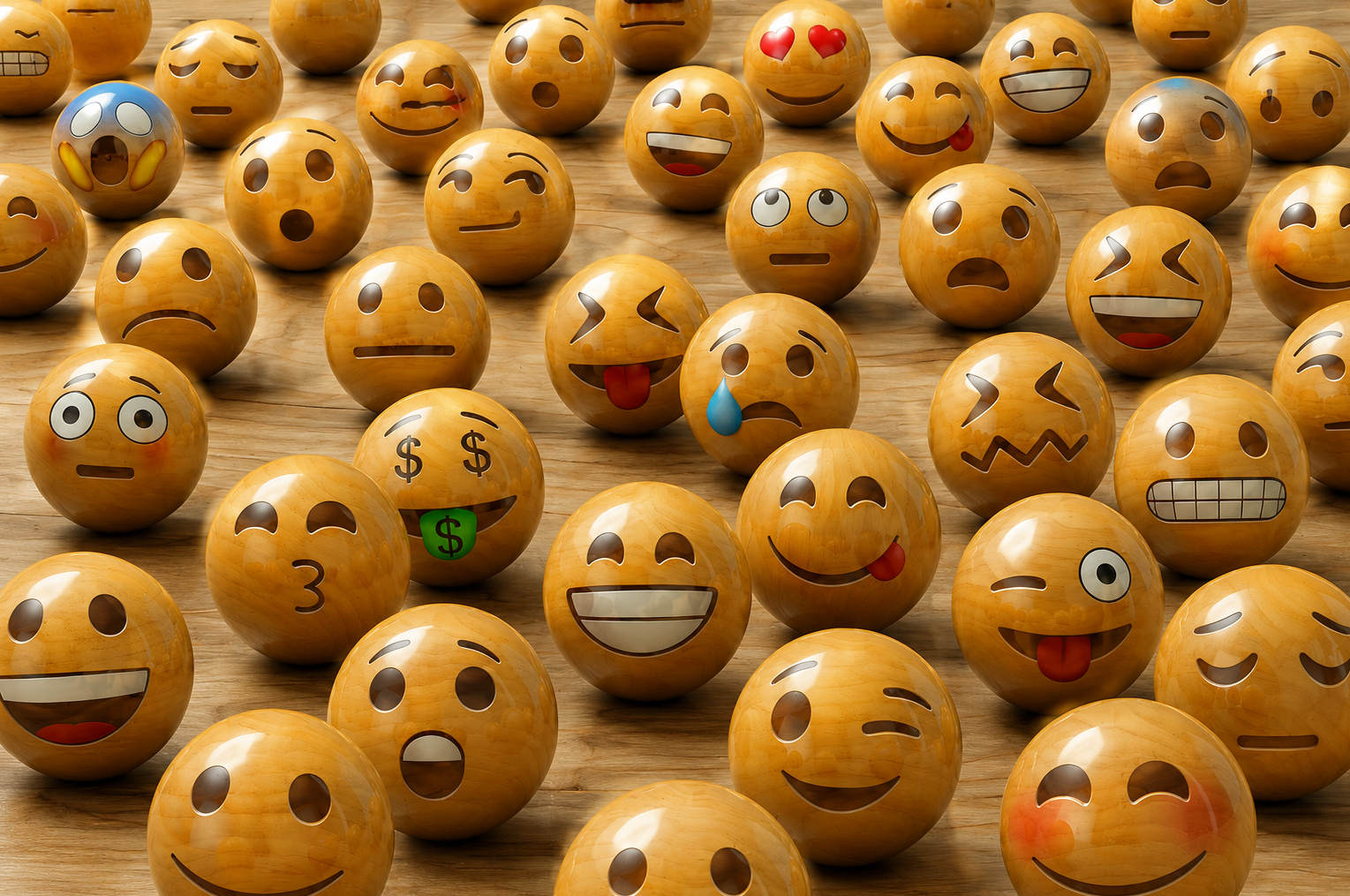
A meme adds emotional color. It tells the other person how to read the message. A laughing reaction image can soften a complaint. A tired cartoon face can explain burnout better than saying “I am exhausted” for the tenth time. A dramatic GIF can make ordinary frustration feel playful instead of aggressive.
In this sense, memes act like facial expressions for the internet. They help restore some of the feeling that plain text removes. They are not always precise, but they are often emotionally efficient.
The Hidden Job of a Meme in Conversation
A Meme Is a Compressed Story
A strong meme works because it carries a small story inside it. Sometimes that story comes from a movie scene, a celebrity expression, a cartoon character, a viral moment, or a common life situation. The viewer does not need a full explanation because the context is already packed into the image.
This is why memes can feel so fast. They skip the long path. Instead of saying, “I am trying to act calm, but internally I am panicking,” someone sends a meme that already contains that exact social script. The receiver understands the feeling instantly because the meme carries both image and situation.
In other words, a meme is not just a picture. It is a shortcut to a shared scene. The more people recognize the scene, the more powerful the meme becomes.
Memes Work Because They Depend on Shared Knowledge
Language depends on shared rules. Memes depend on shared references. If someone sends a meme and you understand it immediately, that means you and the sender share some cultural background. Maybe you know the movie. Maybe you understand the internet trend. Maybe you recognize the social situation. Maybe you simply understand the emotional pattern.
This is why memes can create a strong feeling of belonging. When a group uses the same memes, the memes become inside language. Friends, fandoms, workplace groups, students, gaming communities, and online subcultures all develop their own meme vocabulary. To outsiders, it may look random. To insiders, it feels natural.
But this also means memes can exclude. If you do not understand the reference, you may feel outside the conversation. Like slang, memes can build connection and distance at the same time.
Cultural Note
A meme is often funny only if the audience shares the background. Without shared context, the same image may feel confusing, flat, or even inappropriate.
Memes Are Emotional Translation Tools
One reason memes spread so easily is that they translate emotional states into social content. Many feelings are difficult to describe directly. Saying “I feel overwhelmed by small responsibilities and slightly embarrassed that I cannot handle them” sounds too heavy for a casual chat. A meme can express that same feeling with humor and distance.
This distance is important. Memes allow people to reveal emotion without feeling too exposed. They can say “I am stressed” without making the conversation too serious. They can say “I am lonely” in a way that invites connection but protects pride. They can say “this situation is ridiculous” without writing an angry essay.
In this way, memes often function like emotional masks that tell the truth. They hide and reveal at the same time.
What People Say With Memes Without Saying It Directly
“I am not angry, but this is ridiculous.”
A sarcastic reaction meme softens the complaint.
“I am tired and barely functioning.”
A sleepy character sticker makes exhaustion feel shared.
“I agree, and I feel seen.”
A dramatic “exactly” meme turns agreement into connection.
Memes Can Carry Social Criticism
Not all memes are light. Many are small forms of social commentary. They joke about work pressure, school stress, rising costs, dating culture, technology addiction, family expectations, and political frustration. Humor becomes a way to say something serious without sounding like a lecture.
This is one reason memes move quickly during public events. When people are confused, angry, or overwhelmed, memes give them a way to process the moment together. They turn private reactions into shared language. A meme can become a tiny public square where people laugh, complain, criticize, and recognize one another.
Of course, this power has risks. Memes can oversimplify serious issues. They can spread stereotypes, misinformation, or cruelty. Like any language, they can be used carelessly. But their ability to carry criticism shows that memes are not merely distractions. They are part of how modern people talk about society.
Why Memes Travel Faster Than Formal Language
Memes travel quickly because they are easy to copy, modify, and recognize. A formal essay belongs mostly to one author. A meme template belongs to everyone once it enters circulation. People can change the caption, adjust the context, translate it into another language, or remix it for a new community.
This makes memes extremely adaptable. The same image can be used for school stress, office life, gaming, parenting, politics, travel, or relationship jokes. Each new caption gives it a slightly different meaning while keeping the emotional structure familiar.
That is why memes feel alive. They are not fixed objects. They are circulating patterns. A meme survives when people keep finding new ways to use it.
Memes Change How We Build Identity Online
What people share online says something about who they are, or at least who they want to appear to be. A person’s meme choices can signal personality, humor, taste, political attitude, age group, fandom, lifestyle, and emotional style. Some people use dry irony. Some use cute stickers. Some use chaotic reaction images. Some use niche references only a small group understands.
This is not superficial. Identity has always been built through signs: clothing, accent, music taste, handwriting, favorite books, inside jokes, and social rituals. Memes are simply a new set of signs for digital life. They help people say, “This is my kind of humor,” “This is my community,” or “This is how I see the world.”
In group chats especially, memes become part of the group’s personality. Over time, certain images become repeated jokes. They collect history. A meme that once responded to one funny situation may later become a symbol of the whole friendship.
A meme can become a tiny badge of identity.
The memes people choose often reveal how they want to be read: funny, exhausted, ironic, gentle, rebellious, cute, intellectual, chaotic, or emotionally honest.
The Risk: Memes Can Flatten Complex Ideas
If memes are a language, they also have weaknesses. Their strength is speed, but speed can reduce complexity. A meme can make a political argument look obvious when it is actually complicated. It can turn a person into a stereotype. It can make cruelty feel acceptable because everyone is laughing.
Memes also remove context easily. An image can be reused in ways the original creator never intended. A joke can move from one community to another and become more aggressive. A satirical meme can be mistaken for a factual claim. A funny format can make weak reasoning feel persuasive.
This does not mean memes are bad. It means meme literacy matters. People need to understand not only how to enjoy memes, but also how to question them. What is this meme asking me to assume? Who is being mocked? What context is missing? Is the joke helping people cope, or is it making harm feel normal?
Critical Reminder
A meme can be funny and still be unfair, misleading, or incomplete. Humor does not automatically remove responsibility.
Meme Literacy Is Becoming a Real Skill
To understand modern online culture, people need more than reading literacy. They also need visual and cultural literacy. They need to understand how images create meaning, how humor frames opinion, how references travel, and how digital communities build shared codes.
Meme literacy does not mean becoming overly serious about every joke. It means knowing that jokes do social work. They can comfort, connect, attack, persuade, disguise, or reveal. A person who understands memes understands more than internet humor. They understand a major part of contemporary communication.
This matters for parents, teachers, marketers, writers, community managers, and anyone who spends time online. Memes influence how people react to news, brands, public figures, social issues, and each other. They are not outside serious communication. They are woven into it.
Three Questions for Better Meme Literacy
What is the reference?
Understanding the source often changes the meaning.
What emotion is it carrying?
Memes often persuade through mood before logic.
Who is included or excluded?
A meme can create belonging, but it can also push people outside the joke.
Why Memes Will Keep Evolving
Memes will not stay the same because digital communication does not stay the same. New platforms create new formats. Short videos create new reaction clips. AI tools create new remix possibilities. Private chats create sticker cultures. Global communities blend languages, images, and humor across borders.
But the basic reason memes survive is simple: people need quick ways to express complicated feelings. As long as online communication lacks the full richness of face-to-face interaction, people will keep inventing visual shortcuts. They will keep turning images into reactions, reactions into jokes, jokes into identity, and identity into culture.
Memes may look disposable, but many of them capture the emotional atmosphere of a period better than formal records do. Years later, a meme can bring back not only a joke, but a whole mood of a time.
Final Thoughts
Memes are funny, but they are not only funny. They are one of the ways modern people express tone, emotion, identity, criticism, and belonging. They help digital conversations feel less flat. They turn private feelings into shared signals. They make complicated moods easier to send.
Like any language, memes can be kind, clever, lazy, cruel, truthful, misleading, warm, or sharp. Their value depends on how people use them. The same meme culture that creates connection can also spread shallow thinking or unfair jokes. That is why understanding memes matters more than simply laughing at them.
In the end, memes show that language is not limited to sentences. Humans have always communicated with gesture, image, rhythm, tone, and shared symbols. The internet did not create that need. It simply gave it new forms. A meme is one of those forms: small, fast, emotional, and deeply human.
Final Reminder: Memes are not just jokes passing through the internet. They are emotional punctuation, cultural shorthand, social commentary, and identity signals. To understand memes is to understand how people speak when words alone are too slow, too serious, or not quite enough.