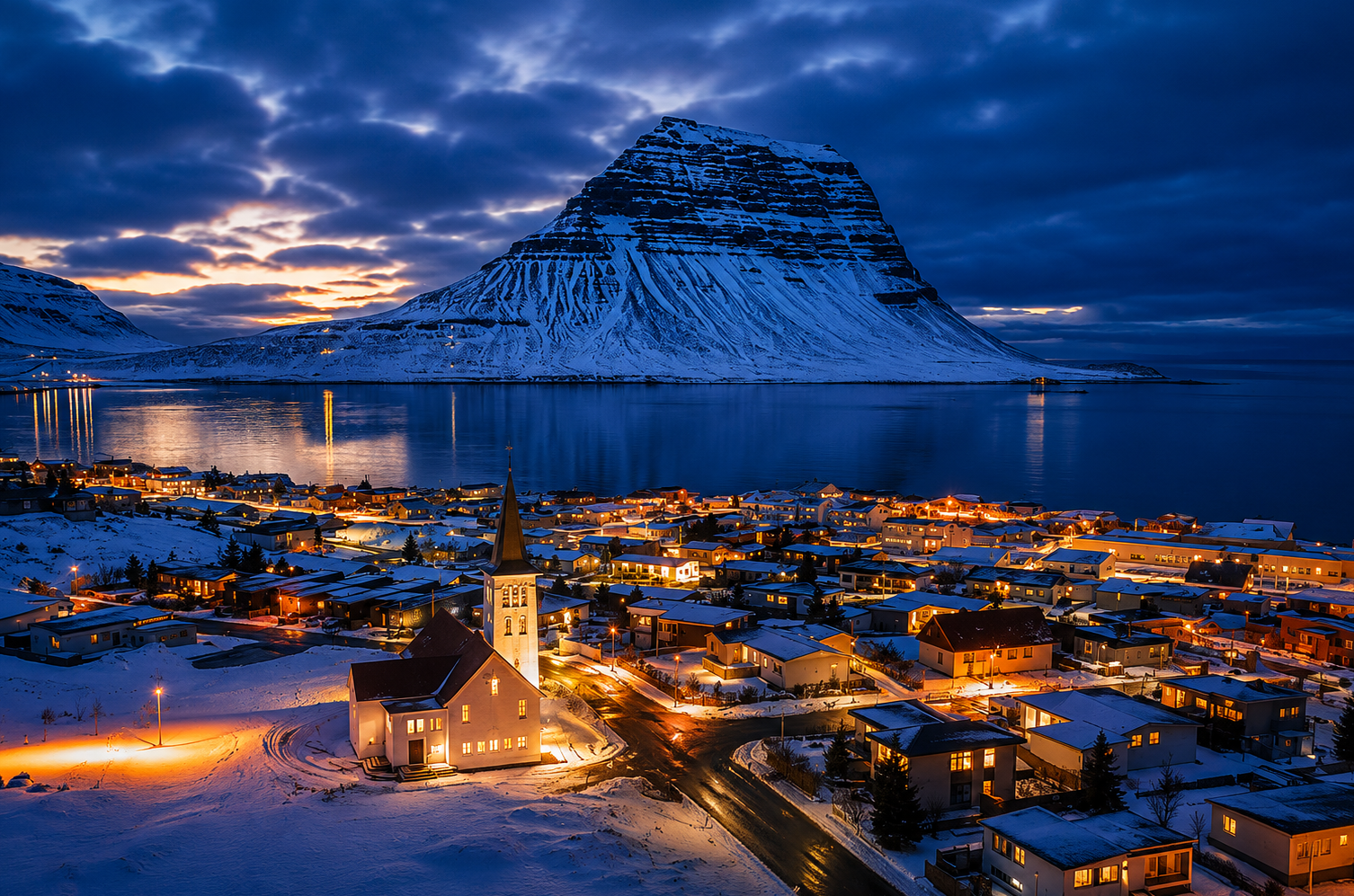
Iceland Travel Experience: A Journey Through Fire, Ice, Wind, and Silence
Article Summary: Iceland is a destination shaped by contrast: black sand beaches and white glaciers, steaming geothermal pools and cold Atlantic winds, quiet roads and powerful waterfalls. This travel experience article shares what it feels like to visit Iceland, how to plan a realistic route, what moments are truly worth slowing down for, and why the country leaves many travelers with a sense of humility. It is not a place to rush through. Iceland rewards patience, flexibility, and respect for nature.
First Impression
Iceland does not try to impress you gently.
It greets you with open sky, rough lava fields, sudden weather, and landscapes that seem unfinished in the best possible way.
The first thing many travelers notice in Iceland is space. Not empty space, but breathing space. The road may stretch for miles with nothing but lava fields, moss, mountains, and low clouds. The horizon feels wide enough to make ordinary thoughts quiet down.
Iceland is not polished in the way some destinations are polished. It is raw, open, and sometimes uncomfortable. The weather can change quickly. A sunny morning can turn into a gray afternoon. A perfect plan can be rewritten by wind. But that unpredictability is part of the experience. You do not go to Iceland to control every hour. You go there to be reminded that nature still has the first word.
This is why an Iceland trip feels different from a typical vacation. It is not only about checking attractions off a list. It is about standing near a waterfall and feeling the ground shake slightly, walking on black sand while waves crash like thunder, or sitting in warm geothermal water while cold air touches your face.
Reykjavik: A Small Capital With a Quiet Personality
Reykjavik is often the starting point of an Iceland trip, and it feels different from many European capitals. It is not grand in a heavy, imperial way. It feels low, colorful, walkable, and close to the sea. The streets are calm, the buildings are bright, and the pace is slower than many travelers expect.
A good first day in Reykjavik does not need to be packed. Walk around the city center, visit the harbor area, step into a local café, and let your body adjust to the light, weather, and time zone. If you arrive after a long flight, this slower start is worth it. Iceland becomes more enjoyable when you are not exhausted.
Reykjavik is also a useful place to prepare. Buy snacks, check your layers, confirm road conditions if you are driving, and make sure you understand your route. Once you leave the capital area, convenience becomes less predictable. Iceland rewards travelers who prepare before they head into the landscape.
Reykjavik Works Best as a Gentle Beginning
The Golden Circle: Popular, But Still Worth Seeing
The Golden Circle is popular for a reason. It gives first-time visitors a compact introduction to Iceland’s geology, water, and open landscapes. Some travelers avoid famous routes because they fear crowds, but popularity does not automatically remove beauty. The key is to travel with patience and avoid expecting private silence at every stop.
What makes the Golden Circle memorable is not only the individual sites. It is the feeling that Iceland’s natural forces are visible everywhere. Water cuts through stone. Geothermal energy rises from below. Wide plains sit under shifting skies. The land feels active, as if it is still being written.
If your schedule is short, the Golden Circle is a practical choice. If your trip is longer, it can still serve as a strong opening chapter before moving toward the South Coast, Snæfellsnes, the north, or the Ring Road.
The South Coast: Where Iceland Becomes Cinematic
The South Coast is where many travelers feel Iceland become truly cinematic. Waterfalls drop from cliffs. Black sand beaches stretch beside violent waves. Glaciers appear in the distance. The road itself becomes part of the experience, with each bend offering another view that makes you want to stop.
This is also where time management becomes important. On a map, distances may seem manageable. In reality, Iceland makes you stop more often than planned. A waterfall that was supposed to take twenty minutes may hold you for an hour. A viewpoint may become a place where you simply stand and listen to wind. Leave space in the day for these unplanned pauses.
If you visit black sand beaches, respect the ocean. The waves can be powerful and unpredictable. Iceland is beautiful, but it is not a theme park. The best travel experience comes from admiration mixed with caution.
Travel Safety Reminder
In Iceland, never treat warning signs as decoration. Weather, waves, roads, glaciers, and wind can change a beautiful moment into a dangerous one if you ignore local guidance.
The Weather Is Part of the Story
It is impossible to write honestly about Iceland without writing about weather. The weather does not stay in the background. It shapes the trip. It changes how long you can stay outside, how carefully you drive, whether you see a mountain clearly, and whether a planned activity still makes sense.
This can be frustrating if you expect every day to follow the itinerary exactly. But once you accept the weather as part of the experience, Iceland becomes easier to enjoy. A cloudy day can make lava fields feel mysterious. A windy viewpoint can make you feel the scale of the coast. A sudden break in the clouds can feel like a gift.
The best mindset is flexible planning. Know your priorities, but do not overfill the day. Have indoor or shorter alternatives. Check conditions before long drives. Most of all, do not take risks just because a hotel booking or photo plan is waiting.
Iceland Weather Mindset
Do not overpack the day
Leave extra time for weather delays, slow driving, and spontaneous stops.
Dress in layers
Windproof and waterproof layers often matter more than looking stylish.
Respect road updates
Driving plans should change if weather or road conditions become difficult.
Accept the surprise
Some of the most memorable Iceland moments happen when the plan changes.
Geothermal Pools: The Softer Side of Iceland
After hours of wind, driving, and cold air, Iceland’s geothermal pools feel less like a tourist activity and more like a form of recovery. Sitting in warm water while the air stays cool creates one of the country’s most memorable contrasts. It is both relaxing and strangely grounding.
Famous lagoons can be beautiful, but smaller local pools can also be rewarding. They offer a quieter sense of daily Icelandic life. If you only visit the most photographed places, you may miss this softer rhythm: families swimming, locals chatting, travelers warming up after long drives, and steam rising into gray sky.
A geothermal stop is especially good near the middle of a trip. It gives the body a break and reminds you that travel does not always have to mean movement. Sometimes the best part of the day is doing nothing in warm water.
Iceland is not only dramatic. It can also be deeply calming.
The same country that gives you glaciers and wild coastlines also gives you quiet pools, warm steam, and slow evenings.
Chasing the Northern Lights: Beautiful, But Never Guaranteed
Many people dream of seeing the Northern Lights in Iceland, and the dream is understandable. Few natural experiences feel as strange and emotional as watching green light move across a dark sky. But this is also one of the experiences travelers should approach with realistic expectations.
Seeing the aurora depends on season, darkness, solar activity, cloud cover, and luck. A winter trip improves the chance, but it does not promise success. Some travelers see the lights on their first night. Others spend a week under clouds. Iceland teaches patience in many ways, and aurora hunting is one of them.
The healthiest approach is to treat the Northern Lights as a gift, not the only reason for the trip. If they appear, the moment may become unforgettable. If they do not, the waterfalls, coastlines, hot springs, glaciers, and quiet roads can still make the journey worthwhile.
Driving in Iceland: Freedom With Responsibility
Driving in Iceland can be one of the best parts of the trip. The open road gives you freedom to stop, wait, turn around, and follow the pace of the landscape. Some of the most meaningful travel moments happen between famous sites: a distant mountain, a group of Icelandic horses, a small church in an empty field, a patch of sunlight on black rock.
But driving also requires respect. Weather can change quickly, wind can be stronger than expected, and road conditions can vary by season and region. Winter driving is especially serious. If you are not comfortable driving in challenging conditions, guided tours may be the better choice.
A self-drive trip works best when you plan with humility. Do not chase too many locations in one day. Do not stop in unsafe places for photos. Do not ignore closures or warnings. Iceland gives freedom, but it expects responsibility in return.
Self-Drive Reality Check
The Dream
Endless empty roads and perfect stops
Freedom, scenery, flexibility, and spontaneous photo moments.
The Responsibility
Weather, roads, fuel, time, and safety
A good road trip is not just scenic. It is prepared, flexible, and safe.
A Realistic 5-Day Iceland Travel Flow
If it is your first time in Iceland and you do not have many days, it is better to plan a focused trip than a rushed one. Trying to see the entire country in a few days often turns the journey into constant driving. A slower route gives you more space to actually feel where you are.
A simple five-day route can include Reykjavik, the Golden Circle, the South Coast, a glacier or lagoon area depending on season and conditions, and at least one geothermal experience. It will not show you everything, but it can give you a meaningful first impression.
Sample First-Time Iceland Route
Day 1: Reykjavik and recovery
Walk the city, eat well, prepare your route, and avoid starting the trip exhausted.
Day 2: Golden Circle
Choose a classic scenic route and give yourself enough time at each stop.
Day 3: South Coast waterfalls and black sand
Plan fewer stops than you think you can handle. The coast deserves time.
Day 4: Glacier, lagoon, or slower nature day
Choose based on season, road conditions, weather, and your comfort level.
Day 5: Geothermal pool and return
End with warmth, reflection, and a slower final day instead of a stressful race.
What Iceland Teaches You About Travel
Iceland teaches that travel is not always about comfort. Sometimes it is about scale. Sometimes it is about standing somewhere that makes your daily worries feel smaller. Sometimes it is about realizing that beauty can be cold, loud, windy, and inconvenient.
It also teaches that the best travel memories are not always the famous ones. You may remember a small roadside stop more than a landmark. You may remember the silence after getting out of the car. You may remember the smell of rain on lava rock, the color of low winter light, or the way steam lifted from a pool into the evening air.
The country has a way of making you pay attention. In a world full of fast images and crowded itineraries, that may be one of Iceland’s greatest gifts.
Iceland is not a place you only see. It is a place that changes your pace.
You may arrive with a list of places. You may leave remembering the wind, the silence, and the feeling of being very small in a very beautiful world.
Practical Tips Before You Go
A better Iceland trip starts before you land. The country is easy to enjoy but not always easy to improvise. Accommodation can be limited in certain areas, food can be expensive, weather can shift quickly, and distances can feel longer than expected when every view tempts you to stop.
Pack for function first. Waterproof shoes, warm layers, wind protection, gloves, and a good outer shell are more important than stylish travel outfits. Bring a refillable bottle, snacks for long drives, and patience for changing plans.
Who Will Love Iceland Most?
Iceland is ideal for travelers who love nature, photography, road trips, quiet landscapes, geology, hot springs, and the feeling of being far from ordinary city life. It is especially rewarding for people who enjoy slow observation rather than constant entertainment.
It may be less ideal for travelers who want guaranteed sunshine, low-cost luxury, nightlife every evening, or a perfectly predictable schedule. Iceland can be expensive, windy, cold, and logistically demanding. But for the right traveler, those challenges become part of the story rather than reasons to avoid it.
The people who love Iceland most usually do not love it because it is easy. They love it because it feels honest. The land does not perform for you. It simply exists with force, beauty, and indifference. That is exactly what makes it unforgettable.
Honest Travel Note
Iceland is not the cheapest or easiest destination, but it can be one of the most memorable if you value landscapes, silence, weather, and a sense of wonder.
Final Thoughts
An Iceland travel experience stays with you because it feels elemental. Fire, ice, water, stone, wind, steam, darkness, and light all seem close to the surface. The country does not hide the forces that shaped it. You feel them in the weather, the roads, the cliffs, the beaches, and the hot water rising from below the ground.
The best way to travel Iceland is not to chase every famous place. It is to leave room for the land to surprise you. Plan carefully, but not too tightly. Respect the weather, but do not resent it. Take photos, but remember to stand still without the camera sometimes.
Iceland is not just a destination for dramatic pictures. It is a place that teaches you how small you are, how powerful nature is, and how beautiful the world can be when it is left wild enough to speak for itself.
Final Reminder: Go to Iceland with a plan, but do not travel as if the plan is more important than the place. The real magic of Iceland often appears between destinations: in the weather, the silence, the steam, the road, and the feeling that the Earth is still very much alive.