
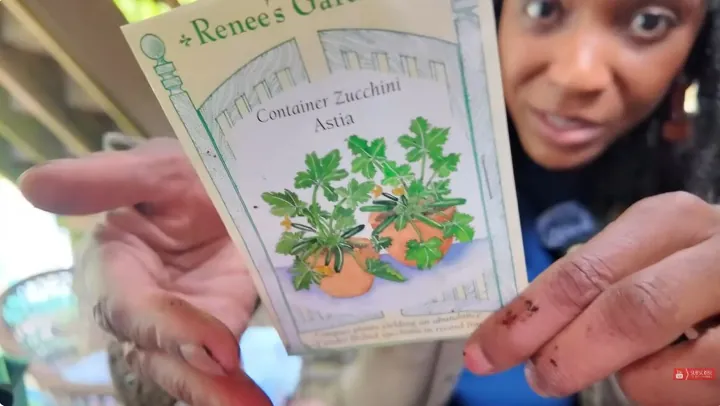
5 Summer Crops to Plant Now, Even in a Small Space
Small-Space Gardening
5 Summer Crops to Plant Now, Even in a Small Space
You do not need a big backyard, raised beds, or a perfect garden setup to grow useful summer food. A few containers, a sunny balcony, a patio corner, or even a small deck can be enough if you choose crops that grow fast, produce well, and actually make their way into your meals.
Article Summary: Small-space gardening works best when you grow crops that give you a real return in the kitchen. Cucumbers, basil, beans, zucchini, and peppers are all strong summer choices because they grow well in warm weather, can fit into container setups, and are easy to use in everyday meals. This guide explains why each crop is worth planting, how to start it, and how to make the most of limited space with simple vertical growing ideas.
A lot of people imagine gardening as something that requires land. Rows of soil, big tools, raised beds, compost piles, and hours of free time. That version of gardening is wonderful, but it is not the only version. For many people, the real garden begins with one pot on a balcony, one sunny corner beside the door, or a few containers lined up against a railing.
The secret is choosing crops that make sense for your space. Some plants take up a lot of room and give very little back. Others grow quickly, produce often, and become part of your daily cooking. Those are the crops that earn their place in a small garden.
Summer is especially generous for this kind of gardening. Warm soil, long daylight, and regular watering can turn a small setup into something surprisingly productive. You may not grow all your food, but you can grow enough to change the way your summer meals feel: fresher, cheaper, and more connected to the season.
Small Garden Rule
In a small space, do not grow something just because it looks nice in a seed catalog. Grow what you will actually eat, harvest often, and enjoy using in your kitchen.
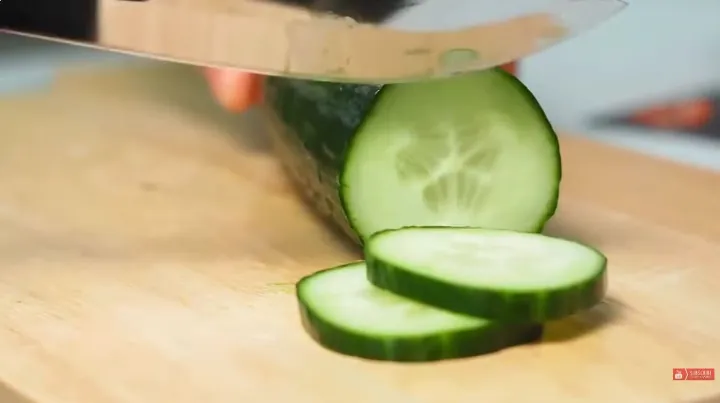
1. Cucumbers: Fresh, Fast, and Perfect for Summer Meals
Cucumbers may seem ordinary, but they are one of the most useful summer crops you can grow. A fresh cucumber can turn into a salad, a sandwich topping, a quick pickle, a side dish, tzatziki, infused water, or a cool snack straight from the fridge. When you grow them yourself, you also avoid the familiar problem of buying too many from the store and finding them soft a few days later.
Cucumbers are especially satisfying because they grow quickly in warm weather. They do not need to be started months ahead. If your spring crops are finishing or you suddenly have an empty container, cucumbers can fill that space and start producing while summer is still in full swing.
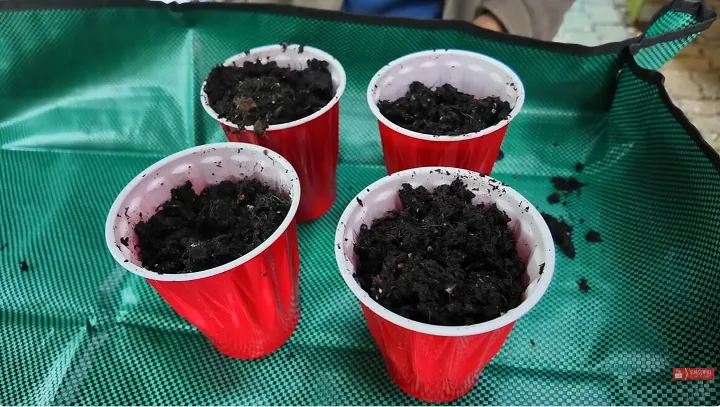
For small-space gardeners, choose a container with good drainage and use potting mix instead of heavy garden soil. Plant two seeds in a starter cup or container about half an inch to one inch deep. Keep the soil moist but not soggy. Once the seedlings appear, keep the strongest one and snip the weaker seedling at the soil line.
Cucumber Growing Tip
If space is tight, train cucumbers upward with a trellis or support. Vertical growing keeps the leaves off the ground, saves space, and makes harvesting easier.
2. Basil: The Herb That Pays for Itself Quickly
Basil is one of the best crops for small spaces because even a few leaves can change a meal. Store-bought herbs can be expensive, and they often wilt before you use the whole bunch. A small basil plant, on the other hand, can give you fresh leaves whenever you need them.
Basil works beautifully in summer cooking. Add it to eggs, salads, tomato dishes, pasta, pesto, dressings, sandwiches, grilled vegetables, or simple olive oil. It is one of those plants that makes your kitchen feel more alive because you can cut a few leaves right before eating.
To plant basil, fill a small pot or cup with potting mix. Sprinkle a few tiny seeds over the surface, then cover them lightly with a thin layer of soil. Water gently, preferably with a misting bottle or a soft stream so the seeds do not wash away. Keep the soil evenly moist while they germinate.
The best thing about basil is that it responds well to harvesting. Instead of picking one leaf at a time from the bottom, pinch or cut above a set of leaves to encourage the plant to branch. The more carefully you harvest, the bushier the plant becomes.
Basil Tip
Do not let basil flower too early if you want tender leaves. Once it starts flowering, the plant puts more energy into seed production and the leaves can become less sweet.
3. Beans: Easy, Productive, and Great for Beginners
Beans are one of the most encouraging crops for new gardeners. They germinate quickly, grow with little drama, and produce food you can actually use. Steam them, sauté them, add them to stir-fries, pickle them, or freeze extras for later. They are practical, not just pretty.
There are two basic types to think about: bush beans and pole beans. Bush beans stay more compact, which makes them better for containers and small patios. Pole beans climb and can produce more over time, but they need a trellis, pole, fence, or some kind of support.
Plant beans about one inch deep. You can start them in cups or sow them directly into a container or garden bed. Water lightly after planting and keep the soil moist while they sprout. Once they begin growing, they usually do not need much fuss.
If you are short on space, bush beans are the simpler option. If you have a railing, trellis, or vertical frame, pole beans can make excellent use of height. Either way, beans are a smart crop because they give you visible progress quickly, which is exactly what many beginner gardeners need.
Bush Beans or Pole Beans?
Choose bush beans if you want a compact crop that fits easily into containers and does not require much structure.
Choose pole beans if you want to grow upward and have space for a trellis, railing, pole, or vertical support.
4. Zucchini: Big Summer Production From One Plant
Zucchini is famous for producing generously. One healthy plant can give you enough zucchini for roasting, sautéing, grilling, baking, fritters, casseroles, noodles, soups, and freezer storage. If you cook at home often, zucchini earns its place quickly.
The catch is space. Zucchini plants get large. Their leaves spread wide, and they need good air circulation to stay healthy. If you are gardening on a balcony or patio, look for compact or container-friendly varieties instead of full-size sprawling types.
Start zucchini in a large container or roomy planter. Plant one seed per cup or container about one inch deep. Give it plenty of sun and avoid crowding it with too many other plants. Zucchini is not a crop to squeeze into a tiny corner and forget. It rewards you best when it has enough room to breathe.
Once zucchini starts producing, check the plant often. Smaller zucchini are usually more tender and flavorful than oversized ones. Harvesting regularly also encourages the plant to keep producing.
Zucchini Tip
If you have very limited space, grow only one zucchini plant and give it a large container. One strong plant is better than several crowded plants that struggle all summer.
5. Peppers: A Heat-Loving Crop for Late Summer Meals
Peppers love warm weather. Once summer heat settles in, they often become stronger and more productive. They are also one of the most flexible crops in the kitchen. You can roast them, grill them, sauté them, stuff them, slice them raw, add them to eggs, toss them into salads, or freeze extras for later meals.
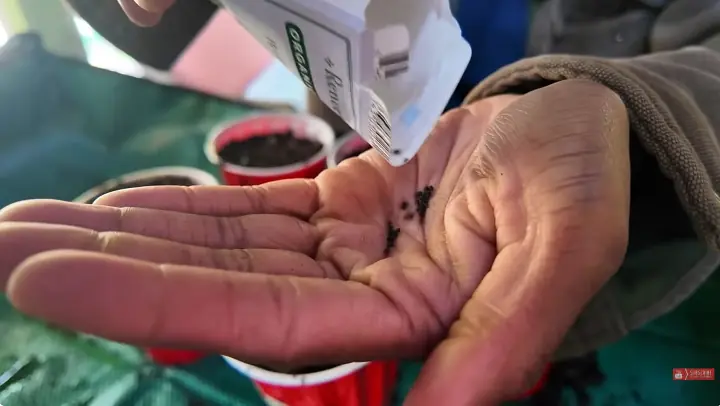
Peppers are a little slower than beans or cucumbers, so starting them with protection can help. Plant one seed per cup about a quarter to half an inch deep, depending on the seed packet instructions. Keep them warm and protected while temperatures are still inconsistent. Once the weather is reliably warm, they can move into a larger pot or container.
For small spaces, peppers are excellent because they are more upright than many other summer crops. They do not sprawl like zucchini, and several varieties grow well in containers. Give them sun, warmth, steady watering, and enough room for their roots.
The reward may come later than basil or beans, but it is worth it. By the time other plants begin to struggle in peak heat, peppers often settle into their best season.
Peppers are a patient gardener’s crop.
They may not feel instant, but once warm weather is steady, a healthy pepper plant can become one of the most useful plants in a container garden.
Bonus: Grow Upward When You Cannot Grow Outward
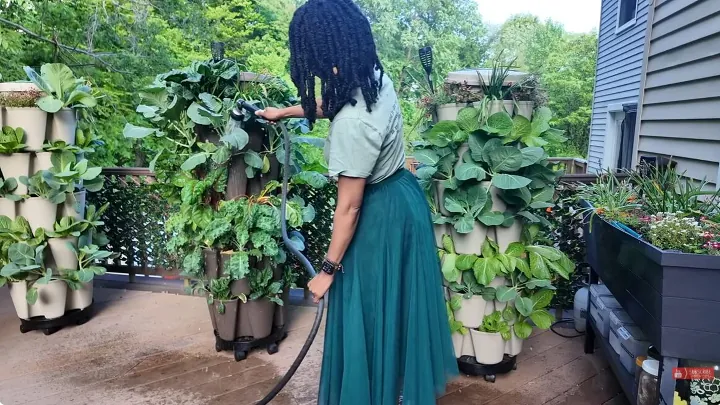
Small-space gardening becomes much easier when you stop thinking only in rows. A balcony, deck, patio, or narrow side yard may not have much floor space, but it may have vertical space. That space matters.
Cucumbers and pole beans can climb. Herbs can sit on shelves. Smaller containers can fit into stacked planters, hanging pockets, rail planters, or vertical racks. Group plants by sunlight needs so the sun-loving crops get the brightest spot and herbs that tolerate slightly softer light are placed nearby.
The goal is not to turn your balcony into a crowded jungle. The goal is to use the space intelligently. A few well-placed containers are easier to water, easier to harvest, and more enjoyable to maintain than too many plants fighting for the same corner.
Simple Small-Space Growing Ideas
Use a trellis for cucumbers or pole beans so the plants grow upward instead of spreading across the floor.
Place herbs like basil near the kitchen door or balcony entrance so you remember to harvest them often.
Choose compact varieties for zucchini and peppers if you are growing in containers.
Keep your watering setup simple. If watering feels annoying, you will do it less often, and summer containers dry out quickly.
Start Small, Then Build Confidence
One of the biggest mistakes new gardeners make is starting too big. They plant too many things, forget what needs water, run out of space, and feel discouraged when everything becomes messy. A better approach is to start with one or two crops you genuinely want to eat.
If you cook often, basil and peppers may be the best starting point. If you want quick success, try beans. If you love salads and fresh snacks, plant cucumbers. If you have one large sunny container, grow zucchini and enjoy the satisfaction of a big, productive plant.
Gardening becomes easier when you connect it to real meals. A cucumber you slice into lunch, basil you tear over pasta, beans you sauté for dinner, or peppers you grill on a summer evening will teach you more than a garden full of crops you never use.
Final Thoughts
Growing food does not have to mean building a huge garden. It can begin with one pot, one seed packet, one sunny corner, and one crop you are excited to harvest. Cucumbers, basil, beans, zucchini, and peppers are all strong summer choices because they are useful, productive, and realistic for small spaces when planted thoughtfully.
You do not need acres to make summer food feel fresher. You only need to grow something you will actually use. A few handfuls of basil, a fresh cucumber, a bowl of beans, a homegrown zucchini, or peppers picked from your own container can change the way you experience the season.
Start with what fits your space and your kitchen. Keep the setup simple. Harvest often. Learn as you go. A small garden that you enjoy caring for is far better than a large garden that becomes a chore.
Final Reminder: A productive summer garden does not depend on the size of your yard. It depends on smart crop choices, enough sunlight, steady watering, and growing food you are genuinely excited to eat.