Top 10 Rivers in China: A Journey Through the Middle Kingdom’s Waterways
China is a land shaped by water. Across its vast territory, rivers flow through mountains, plains, cities, forests, farmland, and ancient cultural regions. These waterways have supported Chinese civilization for thousands of years, providing transportation, irrigation, food, trade routes, and inspiration for poetry, painting, and travel.
From the world-famous Yangtze River to the historic Yellow River and the scenic Li River, China’s rivers are more than natural landscapes. They are part of the country’s identity. Some rivers are known for their dramatic scenery, some for their cultural importance, and others for their role in modern economic development.
For travelers, exploring China’s rivers is one of the best ways to understand the country’s geography, history, and regional diversity. Whether you are interested in river cruises, ancient towns, mountain views, or city skylines, China’s waterways offer unforgettable experiences.
Here are the top 10 rivers in China worth knowing and visiting.
1. Yangtze River
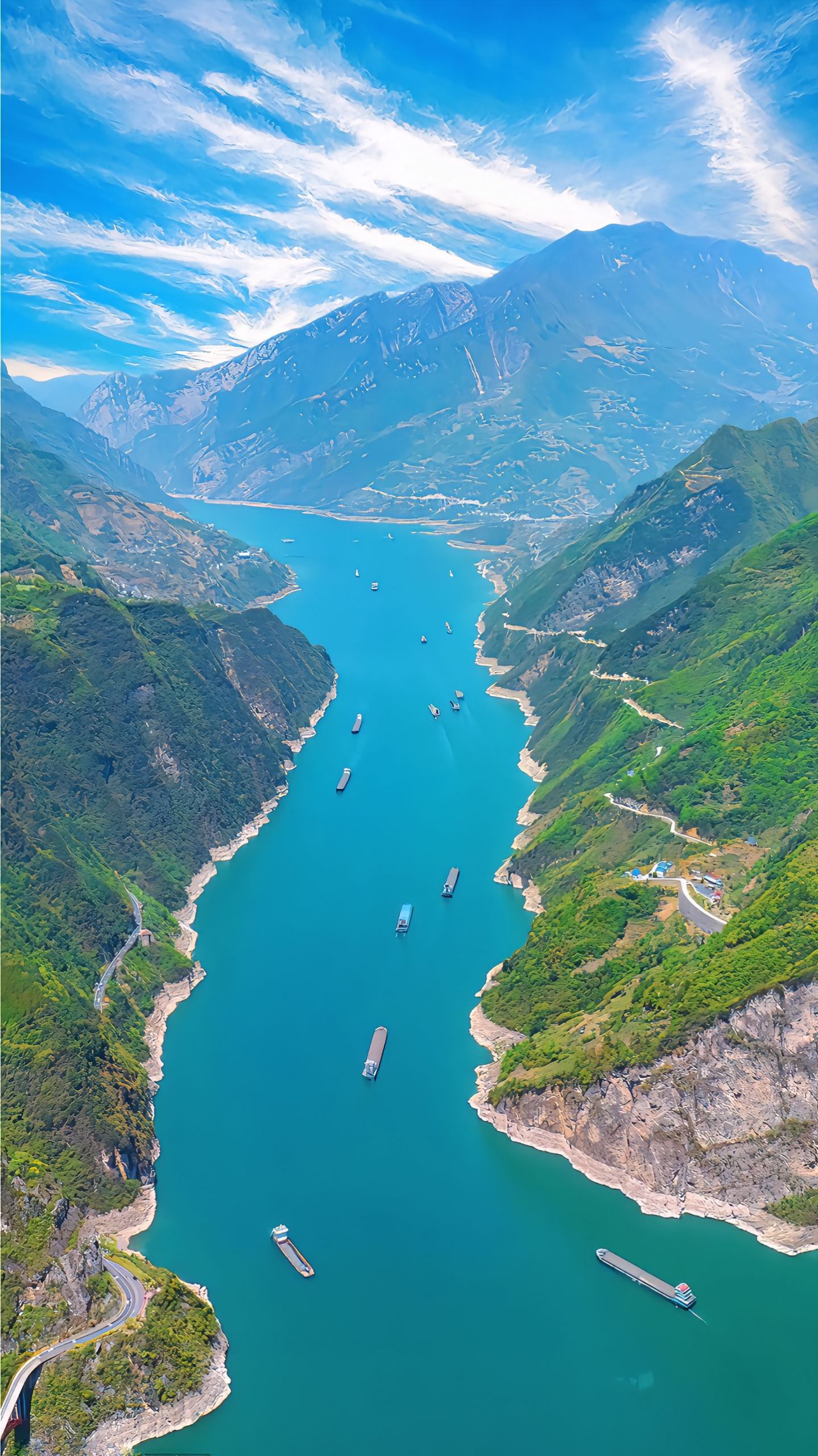
The Yangtze River is the longest river in China and one of the most important rivers in the world. It flows from the Tibetan Plateau through central and eastern China before reaching the East China Sea near Shanghai.
The Yangtze has played a major role in Chinese history, agriculture, transportation, and trade. Today, it is also one of China’s most famous travel routes.
One of the best ways to experience the river is by taking a Yangtze River cruise, especially through the Three Gorges region. This area is known for steep cliffs, misty mountains, deep waters, and impressive natural scenery.
Major highlights include:
- Three Gorges
- Three Gorges Dam
- Chongqing
- Yichang
- Riverside towns
- Yangtze River cruises
The Yangtze is ideal for travelers who want a mix of nature, culture, and modern engineering.
2. Yellow River
The Yellow River, also known as Huang He, is often called the “Mother River of China.” It is deeply connected to the birth and development of Chinese civilization.
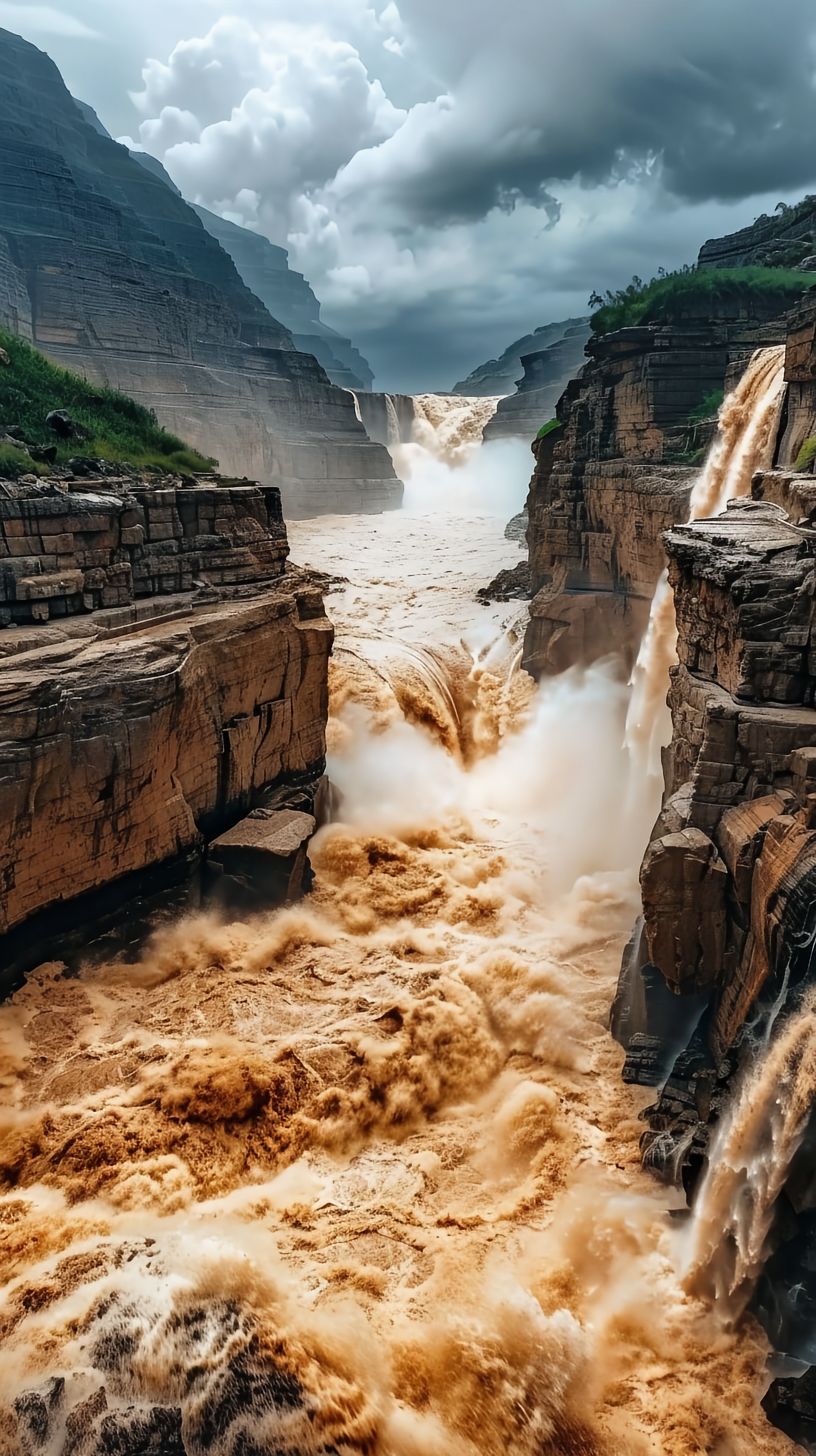
The river gets its name from the yellowish color of its water, caused by large amounts of loess soil carried from northern China. For thousands of years, the Yellow River basin was home to early Chinese farming communities, ancient capitals, and important cultural centers.
Although the river has also been known for flooding throughout history, it remains one of the most meaningful symbols in Chinese culture.
Travel highlights include:
- Lanzhou Yellow River scenery
- Hukou Waterfall
- Zhengzhou
- Luoyang nearby cultural sites
- Yellow River scenic areas
For history lovers, the Yellow River offers a powerful connection to China’s ancient past.
3. Pearl River
The Pearl River is one of southern China’s most important waterways. It flows through the Pearl River Delta, one of the country’s most developed and economically active regions.
Cities such as Guangzhou, Shenzhen, Hong Kong, and Macau are closely connected to this river system. The Pearl River has played an important role in trade, urban growth, and international exchange.
For travelers, the Pearl River is especially famous for night cruises in Guangzhou. As the boat moves along the river, visitors can see colorful city lights, modern skyscrapers, bridges, and landmarks reflected on the water.
Popular highlights include:
- Guangzhou Pearl River night cruise
- Canton Tower views
- Pearl River Delta
- Historic trade districts
- Modern city skylines
The Pearl River is best for travelers interested in urban scenery, culture, business history, and modern China.

4. Li River
The Li River is one of the most scenic rivers in China. Located in Guangxi, it is famous for its dreamlike karst mountains, clear water, bamboo rafts, and peaceful countryside views.
The section between Guilin and Yangshuo is especially popular. This landscape has appeared in countless travel photos, paintings, and postcards. The limestone peaks rising from both sides of the river create one of China’s most recognizable natural scenes.
A Li River cruise is a relaxing way to enjoy the view. Travelers can also explore Yangshuo by bike, visit local villages, or enjoy bamboo rafting on nearby rivers.
Top experiences include:
- Guilin to Yangshuo cruise
- Karst mountain scenery
- Bamboo rafting
- Countryside cycling
- Photography spots
The Li River is perfect for nature lovers, photographers, couples, and travelers seeking a peaceful escape.
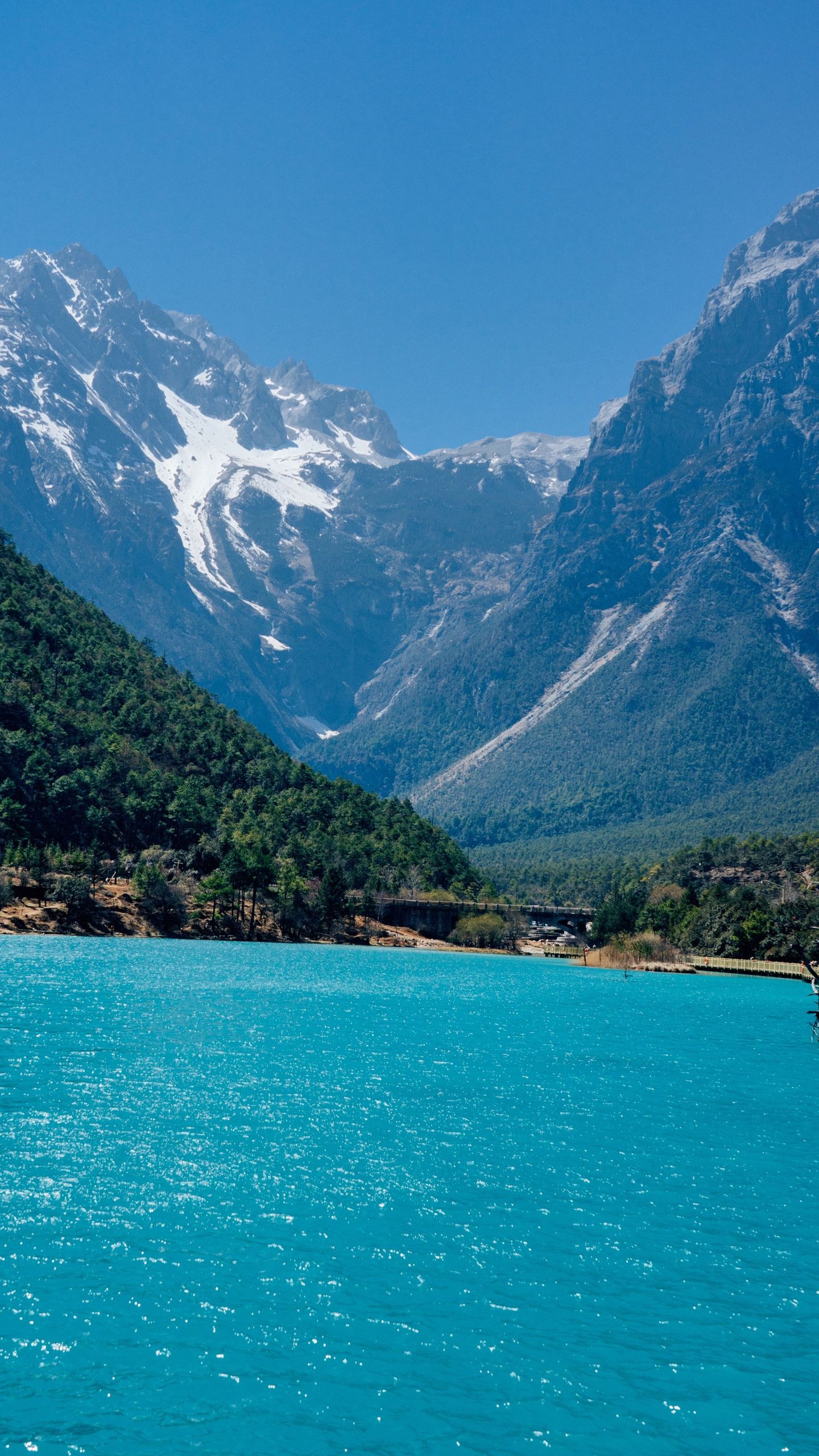
5. Heilongjiang River
The Heilongjiang River, also known internationally as the Amur River, flows along part of the border between China and Russia. It is one of the major rivers in northeastern Asia.
This river is known for its northern scenery, cold climate, forests, and border culture. Compared with rivers in central or southern China, the Heilongjiang offers a very different travel atmosphere.
The region around the river is especially interesting for travelers who enjoy winter landscapes, ethnic culture, and frontier history. In winter, parts of the region become famous for snow, ice, and frozen river views.
Highlights include:
- Heilongjiang border scenery
- Heihe city
- Northern forests
- Winter landscapes
- China-Russia cultural influence
The Heilongjiang River is a good choice for travelers who want to explore China’s far northeast.
 近几年
近几年
6. Songhua River
The Songhua River is another major river in northeastern China. It flows through Jilin and Heilongjiang provinces and is closely connected to cities such as Harbin.
The river is especially famous in winter. In Harbin, the frozen Songhua River becomes part of the city’s winter culture. Visitors can enjoy ice activities, winter swimming shows, snow events, and views of the famous Harbin Ice and Snow Festival nearby.
During warmer months, the river offers pleasant riverside walks and city views.
Popular experiences include:
- Harbin riverside scenery
- Frozen river activities
- Winter festivals
- Songhua River bridges
- Summer evening walks
The Songhua River is ideal for travelers visiting Harbin or exploring northeast China’s seasonal beauty.

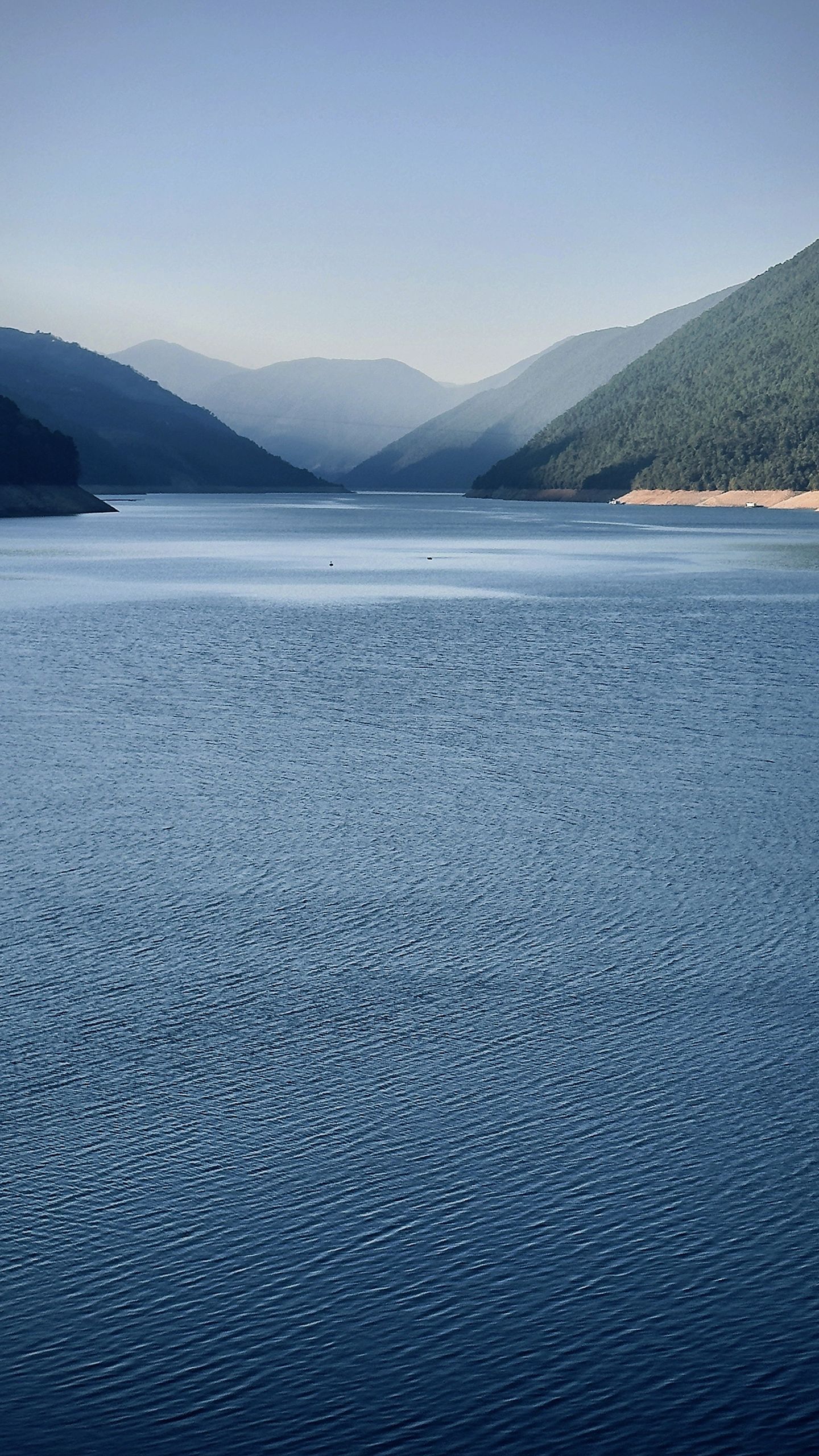
7. Lancang River
The Lancang River flows through southwest China and becomes the Mekong River after leaving the country. It passes through areas known for mountains, ethnic diversity, and rich natural landscapes.
In China, the Lancang River flows through Yunnan, one of the country’s most beautiful and culturally diverse provinces. The river region is home to ethnic communities, tea culture, tropical forests, and mountain valleys.
Travelers interested in adventure, culture, and nature will find this river especially appealing.
Highlights include:
- Yunnan river valleys
- Xishuangbanna
- Ethnic minority culture
- Tea-growing regions
- Tropical scenery
The Lancang River is perfect for those who want to explore a more diverse and less conventional side of China.
8. Nu River
The Nu River, also known as the Salween River outside China, flows through dramatic mountain regions in southwest China. It is famous for its wild landscapes, deep valleys, and relatively untouched natural beauty.
The Nu River Valley in Yunnan is one of China’s most impressive remote travel destinations. The region features snow mountains, steep cliffs, ethnic villages, and winding roads along the river.
Unlike more developed tourist rivers, the Nu River feels rugged and adventurous. It is better suited for travelers who enjoy nature, photography, and off-the-beaten-path journeys.
Key highlights include:
- Nu River Valley
- Remote mountain scenery
- Ethnic villages
- Deep canyon landscapes
- Adventure travel routes
The Nu River is one of the best rivers in China for travelers seeking raw natural beauty.

9. Yarlung Tsangpo River
The Yarlung Tsangpo River flows through Tibet and is one of the highest major rivers in the world. It passes through some of the most dramatic landscapes on the Tibetan Plateau.
This river is famous for the Yarlung Tsangpo Grand Canyon, one of the deepest canyons on Earth. The area combines snow mountains, forests, highland culture, and powerful river scenery.
Because of its location and altitude, travel in this region requires careful planning. But for adventurous travelers, it offers one of the most extraordinary river landscapes in China.
Top attractions include:
- Yarlung Tsangpo Grand Canyon
- Tibetan Plateau scenery
- Nyingchi region
- Snow mountain views
- Highland culture
The Yarlung Tsangpo River is ideal for experienced travelers, photographers, and those interested in Tibet’s natural wonders.

10. Min River
The Min River is an important river in Fujian Province in southeastern China. It flows through areas known for mountains, tea culture, historic towns, and coastal development.
The river is especially connected to Fuzhou, the capital of Fujian. Along the Min River, travelers can find city views, bridges, temples, and regional culture.
Fujian is also famous for tea, traditional architecture, and coastal scenery, making the Min River a good addition to a broader trip through the province.
Highlights include:
- Fuzhou riverside views
- Fujian tea culture
- Historic neighborhoods
- Mountain and coastal scenery
- Local food experiences
The Min River is a quieter choice compared with the Yangtze or Pearl River, but it offers a meaningful look into southeastern China.

Why China’s Rivers Matter
China’s rivers are important for many reasons. They support agriculture, connect cities, provide transportation, generate energy, and shape regional cultures.
Historically, rivers helped early communities grow. Many ancient towns and capitals developed near waterways because rivers provided food, irrigation, and trade access.
Culturally, rivers have inspired Chinese poetry, painting, philosophy, and folklore. They are often seen as symbols of life, movement, strength, and continuity.
Today, rivers continue to influence China’s economy and tourism. Some are home to modern cities and ports, while others attract visitors with natural scenery and cultural heritage.
Best Ways to Experience China’s Rivers
Travelers can experience China’s rivers in many different ways.
A river cruise is one of the most comfortable options. This is especially popular on the Yangtze River, Li River, and Pearl River.
For adventure travelers, hiking along river valleys or visiting canyon regions can offer a deeper connection with nature. Rivers such as the Nu River and Yarlung Tsangpo are especially suitable for scenic exploration.
For city travelers, riverside walks and night cruises provide relaxing ways to see urban landscapes. Guangzhou, Chongqing, Shanghai, Harbin, and Fuzhou all offer different riverside experiences.
Popular ways to explore include:
- River cruises
- Riverside walks
- Photography trips
- Cultural tours
- Hiking and canyon visits
- Night cruises
- Local food experiences
Travel Tips for Visiting Rivers in China
Before planning a river-focused trip in China, consider the season and region. China is large, and weather conditions vary greatly from north to south and from lowland cities to highland areas.
Spring and autumn are generally the best seasons for river travel because temperatures are comfortable and scenery is often beautiful. Summer can be good for lush landscapes, but some areas may be hot, humid, or rainy. Winter is best for northern rivers such as the Songhua River, especially if you want to experience ice and snow activities.
Useful tips include:
- Check weather before traveling
- Book popular cruises in advance
- Wear comfortable walking shoes
- Bring a camera or smartphone
- Prepare layers for mountain or river areas
- Respect local customs
- Avoid littering near waterways
- Use local guides for remote regions
For remote areas such as Tibet, Yunnan mountain valleys, or border regions, travelers should check travel permits, transportation options, and safety conditions before departure.