
Taj Mahal Travel Guide: Everything You Need to Know Before Visiting India’s Most Iconic Monument
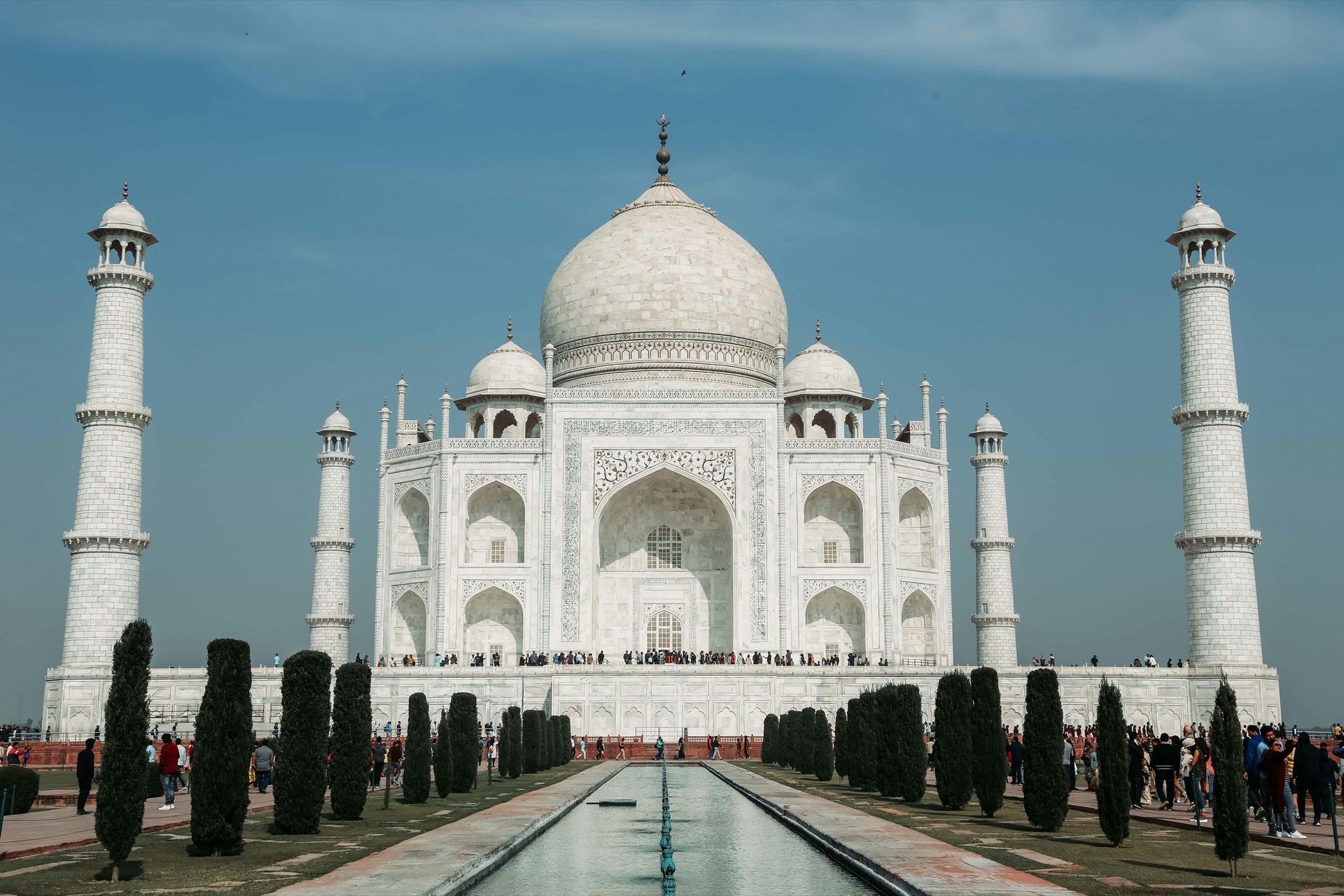
The Taj Mahal is one of the most famous landmarks in the world and one of India’s most treasured travel destinations. Located in Agra, in the northern Indian state of Uttar Pradesh, this white marble monument attracts millions of visitors every year with its breathtaking beauty, romantic history, and perfect architectural symmetry.
For many travelers, visiting the Taj Mahal is more than a sightseeing activity. It is a once-in-a-lifetime experience. The monument changes its appearance throughout the day, glowing softly at sunrise, shining brightly under the midday sun, and turning golden during sunset.
Whether you are visiting India for the first time or planning a short trip from Delhi, this Taj Mahal travel guide will help you understand what to expect, when to go, how to plan your visit, and how to make the most of your time in Agra.
Why the Taj Mahal Is So Famous
The Taj Mahal was built by Mughal emperor Shah Jahan in memory of his beloved wife, Mumtaz Mahal. Construction began in the 17th century, and the monument has since become one of the world’s greatest symbols of love.
What makes the Taj Mahal special is not only its romantic story but also its extraordinary design. The monument is built from white marble and decorated with delicate carvings, floral patterns, calligraphy, and semi-precious stone inlays. Its central dome, tall minarets, reflecting pool, and surrounding gardens create one of the most recognizable views in the world.
The Taj Mahal is also a UNESCO World Heritage Site and is widely considered one of the finest examples of Mughal architecture. It combines Persian, Islamic, Indian, and Central Asian design elements into one harmonious masterpiece.
For travelers interested in history, architecture, photography, or culture, the Taj Mahal is a destination that truly deserves its global reputation.
Where Is the Taj Mahal Located?
The Taj Mahal is located in Agra, a historic city in northern India. Agra is about 230 kilometers from New Delhi, making it one of the most popular day-trip destinations from India’s capital.
Many travelers visit Agra as part of India’s famous “Golden Triangle” travel route, which usually includes:
- Delhi
- Agra
- Jaipur
This route is especially popular among first-time visitors because it combines India’s capital city, the Taj Mahal, and Rajasthan’s royal palaces and forts.
Agra is well connected by train, road, and guided tours, so reaching the Taj Mahal is relatively easy compared with many other major attractions in India.
Best Time to Visit the Taj Mahal
The best time to visit the Taj Mahal is usually from October to March, when the weather is cooler and more comfortable for sightseeing. During these months, temperatures are generally more pleasant, especially in the morning and late afternoon.
Summer, from April to June, can be extremely hot in Agra. If you visit during this period, it is best to arrive early in the morning to avoid the strongest heat.
The monsoon season, from July to September, brings rain and humidity. However, the gardens may look greener, and the crowds can sometimes be smaller.
A simple seasonal guide:
- October to March: Best weather and most comfortable season
- April to June: Very hot, best for early morning visits
- July to September: Rainy season, greener scenery, possible humidity
For photography, sunrise is one of the best times to visit. The soft morning light gives the marble a warm glow, and the crowds are usually lighter than later in the day.
Best Time of Day to Visit
If you want the most beautiful view and a calmer experience, visit the Taj Mahal at sunrise. This is when the monument often looks most peaceful and photogenic.
Morning visits are especially good because:
- The light is soft
- The temperature is cooler
- The crowds are smaller
- The marble appears warm and gentle
- Photography conditions are better
Sunset is another popular time, as the sky can add dramatic colors behind the monument. However, it may be more crowded than sunrise.
Midday visits are possible, but the sunlight can be harsh and the temperature can be uncomfortable, especially during warmer months.
How to Get to the Taj Mahal
From Delhi to Agra
Many travelers visit the Taj Mahal from Delhi. The fastest and most convenient option is usually by train. Several trains connect Delhi and Agra daily, and some take around two hours depending on the service.
Another option is to hire a private car or join a guided day tour. This is convenient for travelers who want hotel pickup, flexible timing, and a planned itinerary.
Common ways to reach Agra from Delhi include:
- Train
- Private car
- Tour bus
- Guided day trip
From Jaipur to Agra
Agra is also commonly visited from Jaipur as part of the Golden Triangle route. Travel can be done by car, train, or organized tour. The journey usually takes several hours, so many travelers stay overnight in Agra.
What to See Inside the Taj Mahal Complex
The Taj Mahal is more than just the main white marble mausoleum. The entire complex includes gardens, gates, mosques, and viewing areas.
1. The Main Mausoleum
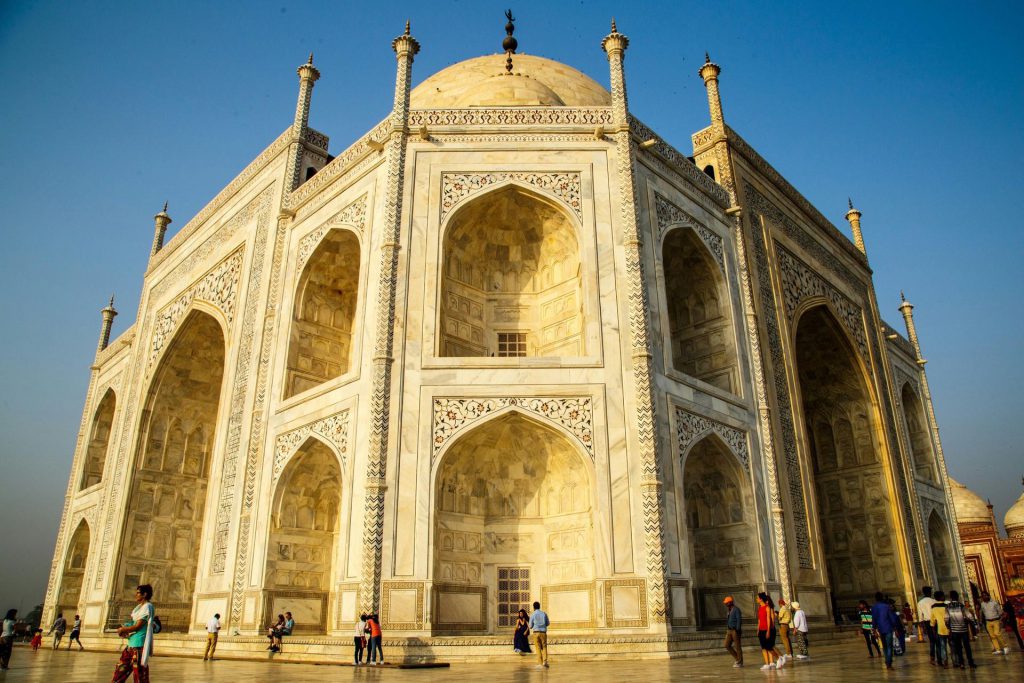
The central white marble structure is the highlight of the visit. Its symmetry, dome, and detailed decoration make it one of the most impressive buildings in the world.
Visitors can walk around the platform and view the monument from different angles. Inside the mausoleum, photography is usually restricted, and visitors should remain quiet and respectful.
2. The Reflecting Pool
The long reflecting pool in front of the Taj Mahal is one of the most famous photo spots. When the water is calm, it creates a beautiful mirror-like reflection of the monument.
This is a classic place for travel photos, especially early in the morning.
3. The Gardens
The gardens surrounding the Taj Mahal are designed in the traditional Mughal style. They add balance and beauty to the complex and provide peaceful walking paths.
The garden layout helps create the famous straight-line view from the entrance gate to the main monument.
4. The Great Gate
The main entrance gate is impressive in its own right. As visitors pass through the archway, the Taj Mahal slowly appears in the distance, creating one of the most memorable first views of the monument.
5. The Mosque and Guest House
On both sides of the Taj Mahal are red sandstone buildings. One is a mosque, and the other is a guest house built for architectural balance. These buildings add contrast to the white marble and are also worth viewing.
Best Photo Spots at the Taj Mahal
The Taj Mahal is one of the most photographed landmarks in the world. To capture the best images, try different angles instead of taking only the standard front-view photo.
Good photo spots include:
- The main entrance arch
- The reflecting pool
- The central garden pathway
- The side platforms near the mosque
- The riverfront view from Mehtab Bagh
- Close-up shots of marble details
Mehtab Bagh, a garden across the Yamuna River, is a popular place to view the Taj Mahal from the opposite side. It is especially beautiful at sunset.
For the best photos, arrive early, be patient, and avoid blocking other visitors.
Travel Tips for Visiting the Taj Mahal
A little preparation can make your visit much smoother.
1. Book Tickets in Advance
The Taj Mahal is one of India’s busiest attractions. Booking tickets online in advance can save time and reduce stress. Always check the latest official ticket information before your trip.
2. Arrive Early
Arriving early helps you avoid large crowds and gives you better lighting for photos. Sunrise is especially recommended.
3. Bring Only Essentials
Security checks are common, and some items may not be allowed inside. Bring only what you need, such as your phone, camera, passport or ID, water, and basic personal items.
4. Wear Comfortable Shoes
You will spend time walking through gardens, pathways, and stone areas. Comfortable shoes are important.
5. Dress Respectfully
The Taj Mahal is a historic and cultural site. Light, comfortable, and respectful clothing is recommended, especially if you plan to visit other religious or cultural attractions in Agra.
6. Hire a Licensed Guide
A guide can help you understand the history, architecture, and symbolism of the Taj Mahal. Be careful with unofficial guides and always confirm prices before accepting services.
Nearby Attractions in Agra
If you have more time in Agra, do not visit only the Taj Mahal. The city has several other important attractions.
Agra Fort
Agra Fort is another UNESCO World Heritage Site and one of the most important Mughal forts in India. It includes palaces, courtyards, walls, and beautiful views of the Taj Mahal from certain areas.
Mehtab Bagh
Located across the Yamuna River, Mehtab Bagh offers one of the best sunset views of the Taj Mahal. It is a great place for photography and a quieter experience.
Itmad-ud-Daulah’s Tomb
Often called the “Baby Taj,” this tomb is smaller than the Taj Mahal but beautifully decorated. It is a peaceful and elegant site worth visiting.
Local Markets
Agra is known for marble crafts, leather goods, carpets, and local sweets. Visiting a local market can be a good way to experience daily life and buy souvenirs.
Suggested One-Day Taj Mahal Itinerary
If you only have one day in Agra, here is a simple itinerary:
- Early morning: Visit the Taj Mahal at sunrise
- Late morning: Return to hotel for breakfast or rest
- Midday: Visit Agra Fort
- Afternoon: Explore Itmad-ud-Daulah’s Tomb or local markets
- Sunset: Visit Mehtab Bagh for riverfront views of the Taj Mahal
- Evening: Return to Delhi or stay overnight in Agra
This itinerary gives you a good balance of major landmarks, photography, and local culture.
Is the Taj Mahal Worth Visiting?
Yes, the Taj Mahal is absolutely worth visiting, especially for first-time travelers to India. Even though it is very famous and can be crowded, the beauty and atmosphere of the monument are difficult to fully understand until you see it in person.
The Taj Mahal is not just a beautiful building. It represents history, love, craftsmanship, and the artistic achievements of the Mughal period. Its design feels peaceful, balanced, and deeply symbolic.
For many visitors, standing in front of the Taj Mahal is one of the most memorable moments of their trip to India.
Final Thoughts
A visit to the Taj Mahal is one of the most unforgettable travel experiences in India. From its romantic history to its white marble beauty, every detail of the monument tells a story.
To make the most of your trip, visit early in the morning, plan your tickets in advance, wear comfortable clothing, and allow enough time to explore the full complex. If possible, stay in Agra overnight so you can enjoy both sunrise and sunset views.
Whether you are a history lover, photographer, couple, family traveler, or first-time visitor to India, the Taj Mahal offers a powerful and beautiful introduction to the country’s cultural heritage.
More than a monument, the Taj Mahal is a symbol of love, artistry, and timeless beauty — a place that continues to inspire travelers from around the world.