
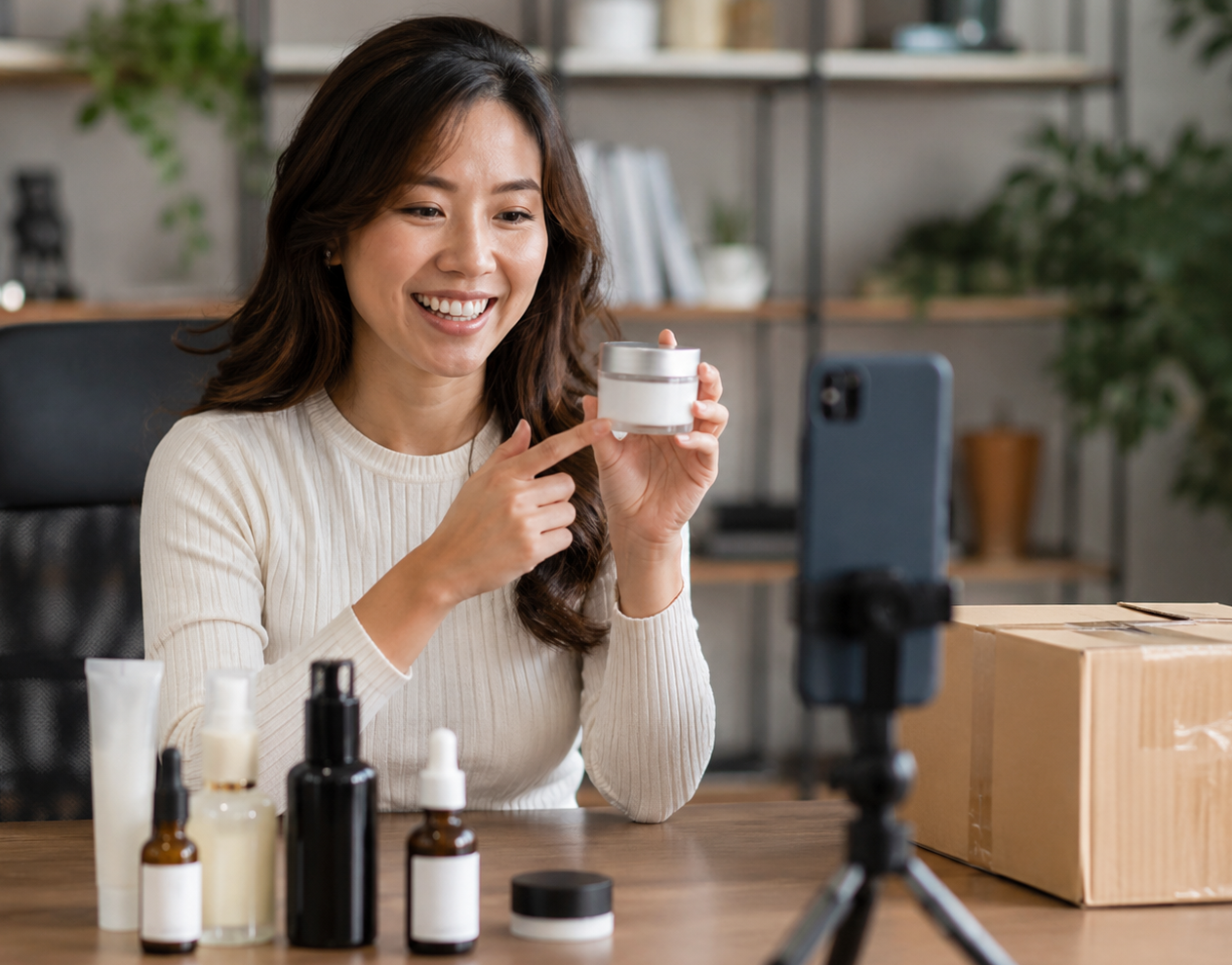
Product Testing at Home: How to Earn Rewards by Sharing Honest Feedback
Article Summary: Product testing at home gives everyday consumers the chance to try new products, share honest opinions, and sometimes receive free items, gift cards, cash rewards, or other incentives. Companies use product testers to understand how real people respond to beauty products, household items, snacks, beverages, electronics, clothing, apps, and other consumer goods before or after they reach the market. Getting started usually involves joining legitimate testing platforms, completing profile surveys, matching with suitable campaigns, testing products carefully, and submitting useful feedback. While product testing can be enjoyable and rewarding, it should not be treated as a guaranteed full-time income source. The best approach is to join reputable platforms, avoid scams, provide thoughtful reviews, stay consistent, and treat each test as a chance to influence better products.
Trying new products before everyone else sounds almost too good to be real. A skincare cream arrives in the mail. A snack brand asks what you think of a new flavor. A household product needs feedback before a larger launch. A tech accessory needs ordinary users to test how easy it is to use. For many people, product testing at home feels like a small window into how brands make decisions behind the scenes.
Product testing is not only about receiving free items. It is also about giving useful feedback. Companies want to know how a product performs in real life, not only in a laboratory, office, or product development meeting. They want to understand whether the packaging makes sense, whether the instructions are clear, whether the product feels worth buying, and whether consumers would recommend it to others.
For consumers, this can be a fun side activity. It may provide free products, occasional cash rewards, gift cards, points, coupons, or early access to new items. For people who enjoy reviewing beauty products, tasting snacks, comparing gadgets, or trying household tools, product testing can feel more like a hobby than a task.
Still, it is important to keep expectations realistic. Product testing can be rewarding, but it is usually not a quick path to large income. The most successful testers are patient, detail-oriented, honest, and consistent. They understand that brands are not looking for empty praise. They are looking for feedback that helps them improve.
What Is Product Testing at Home?
Product testing at home is a process where companies send products to selected consumers so they can try them in everyday conditions. After using the product, testers usually complete a survey, write a review, answer questions, upload photos, or share detailed feedback about their experience.
The goal is simple: brands want real opinions from real people. A company may want to know if a shampoo leaves hair feeling clean, if a snack tastes too salty, if a cleaning spray is easy to use, or if a new device feels confusing during setup. These small details can influence product improvements, packaging changes, marketing messages, and future launches.
Some tests focus on products that are not yet widely available. Others involve existing products that brands want reviewed by new audiences. In some cases, testers may be asked to keep details private until a product is officially released. In other cases, they may be encouraged to share their experience publicly through reviews or social media.
Product testing can happen through testing platforms, research companies, brand communities, survey panels, influencer campaigns, retail review programs, or direct invitations from companies. The process varies, but the basic exchange is usually the same: you receive a product or reward, and the company receives your feedback.
Why Companies Pay for Product Feedback
Product development is expensive. Before a company spends money on large-scale production, retail placement, advertising, packaging, and distribution, it wants to reduce uncertainty. Feedback from testers helps brands identify problems early and understand how consumers may respond in the real market.
A product can look promising in a meeting room but behave differently in a customer’s home. Packaging may be difficult to open. A fragrance may be too strong. A gadget may feel useful but confusing. A meal kit may taste good but take too long to prepare. These practical details are exactly what product testers can reveal.
Companies also use product testing to understand target audiences. A product designed for busy parents may need different feedback from one designed for college students, pet owners, skincare enthusiasts, fitness users, or tech shoppers. This is why testing platforms often ask about your lifestyle, habits, age group, household type, interests, and shopping preferences.
Good feedback can help brands make better decisions. It may influence product texture, flavor, size, scent, color, instructions, claims, packaging design, pricing, or marketing language. In that sense, product testers do more than try free items. They help shape how products reach the wider public.
Types of Products You May Be Asked to Test
One of the most enjoyable parts of product testing is variety. Depending on your profile, interests, location, and the platforms you join, you may be matched with many different categories. Some are small everyday items, while others may be higher-value products that require more detailed testing.
Beauty and personal care products are common in testing programs. These may include skincare, makeup, shampoo, conditioner, body wash, fragrance, hair tools, or grooming items. Testers may be asked to comment on texture, scent, packaging, ease of use, skin feel, visible results, and whether they would purchase the product.
Food and beverage testing is another popular category. A company may send snacks, drinks, ready-to-eat meals, sauces, cereals, coffee, protein bars, or frozen foods. Feedback may focus on taste, sweetness, saltiness, texture, portion size, packaging, freshness, and whether the product feels worth the price.
Some testers may also receive household products, electronics, clothing, pet products, baby items, wellness products, apps, or digital tools. Tech product testing can be especially exciting, but it often requires more structured feedback because companies want to understand setup, usability, performance, and possible bugs.
How to Get Started With Product Testing
Getting started usually begins with registration. Many product testing platforms allow users to sign up for free, create a profile, and answer questions about their lifestyle and preferences. These questions may feel repetitive, but they help brands match products with the right testers.
Be honest when completing your profile. If you exaggerate your interests or provide inaccurate information, you may be matched with products that do not fit your life. For example, a pet food brand needs testers who actually have pets. A baby product brand needs households with babies or caregivers. A skincare brand may need people with a certain skin type or concern.
After signing up, you may receive surveys, invitations, or campaign applications. Some platforms select testers automatically based on profile data. Others require you to apply for each campaign. If selected, you may receive the product by mail or receive instructions for accessing a digital product or app.
Once you test the product, you will usually need to submit feedback by a deadline. This may include answering questions, writing a review, rating features, uploading photos, or sharing your experience on a platform. Completing tasks on time can improve your reputation with testing programs.
Beginner Tip
Complete your tester profile carefully and honestly. Product testing opportunities are often matched by lifestyle, habits, demographics, product interests, and household needs.
Where to Find Legitimate Product Testing Opportunities
Legitimate product testing opportunities can be found through product testing websites, survey panels, market research companies, retail review programs, brand communities, and sometimes social media campaigns. Some well-known testing-style platforms connect consumers with brands looking for feedback, reviews, or product trial participation.
Before joining any platform, research it carefully. Look for reviews from real users, clear terms, privacy information, and a transparent explanation of how rewards or products are provided. A legitimate testing platform should not require a large upfront payment to access basic opportunities.
Brand websites can also be useful. Some companies run their own consumer panels or product testing communities. These may be smaller than large public platforms, but they can offer targeted opportunities if you already like the brand or category.
Social media can reveal testing campaigns too, especially for beauty, food, parenting, fitness, and lifestyle products. However, social media opportunities should be checked carefully. Scammers may copy brand names or create fake campaigns to collect personal information.
How Much Can You Earn From Product Testing?
Earnings from product testing vary widely. Some opportunities only provide the product itself. Others may offer gift cards, points, coupons, cash payments, sweepstakes entries, or higher-value rewards for more involved tests. A short survey about a snack will not pay the same as a detailed multi-week test of a device or app.
It is better to think of product testing as a side activity rather than a reliable full-time income source. The number of campaigns you receive depends on your profile, location, demographics, interests, platform activity, and brand demand. You may receive several opportunities in one month and very few in another.
The value can still be meaningful. Free household products, beauty items, snacks, or tools can reduce personal spending. Cash or gift-card rewards can add up over time. For people who enjoy trying products anyway, the experience itself can be part of the reward.
The key is realistic thinking. If a platform promises extremely high income for almost no effort, be cautious. Real product testing usually requires patience, honest feedback, and sometimes detailed follow-up.
Income Reminder
Product testing can provide useful rewards, but it is usually not steady full-time income. Treat it as a flexible side activity with occasional benefits.
How to Increase Your Chances of Being Selected
Product testing opportunities are often competitive. Many people want free products or rewards, so brands may choose only a small group of testers for each campaign. However, there are practical ways to improve your chances over time.
First, keep your profiles complete and updated. If your household changes, your interests shift, or your shopping habits change, update your information. A complete profile makes it easier for platforms to match you with relevant campaigns.
Second, respond quickly to invitations and surveys. Some campaigns have limited spots, and early responses may matter. Checking your email regularly and completing screeners on time can help you avoid missing opportunities.
Third, submit high-quality feedback. Brands value testers who explain their opinions clearly. Instead of writing “I liked it,” explain what you liked, when you used it, how it compared to expectations, what could improve, and whether you would buy it. Detailed feedback can make you a more valuable tester.
What Makes Good Product Feedback?
Good product feedback is honest, specific, and useful. Companies do not need every tester to say positive things. They need to understand the real experience. If something is confusing, uncomfortable, weak, too expensive, too strongly scented, poorly packaged, or difficult to use, that information can be valuable.
Specific feedback is better than vague feedback. Instead of saying “the product was good,” explain why. Did it save time? Did it taste fresh? Did it feel gentle on skin? Was the packaging easy to open? Did the instructions make sense? Would you buy it again at the listed price?
Balanced feedback is especially helpful. You can mention what you liked and what could be better. For example, “The moisturizer felt lightweight and absorbed quickly, but the fragrance was stronger than I prefer.” This kind of answer gives the brand practical direction.
If a product test asks for photos or videos, make sure they are clear and relevant. Good visuals can show packaging condition, product size, texture, results, or how the product fits into everyday use. However, always follow the platform’s rules before posting publicly.
Avoiding Scams and Unsafe Offers
Product testing attracts real companies, but it also attracts scams. Because the idea of free products or easy money is appealing, fake opportunities may try to collect personal information, payment details, or upfront fees. Being cautious protects both your privacy and your time.
Legitimate product testing platforms generally do not ask for large fees to join. They may ask for basic demographic and contact information, but they should not pressure you to provide sensitive details such as banking passwords, full identity documents without clear reason, or unnecessary personal financial information.
Be careful with messages that promise very high earnings for minimal effort. Also be cautious if a campaign asks you to purchase expensive products first with a promise of later reimbursement, especially from unknown sources. Some legitimate programs may use reimbursement models, but they should have clear rules, official communication, and a trusted history.
Check website addresses, sender emails, brand verification, privacy policies, user reviews, and whether the platform has a clear business presence. If something feels rushed, secretive, or too good to be true, step back before sharing information.
Scam Warning
Be cautious of product testing offers that require large upfront fees, ask for sensitive financial information, use fake brand accounts, or promise unrealistic income with almost no effort.
Common Mistakes New Product Testers Make
One common mistake is expecting too much too quickly. After signing up, you may not receive products immediately. Some platforms need time to match you with the right campaigns. Others may invite only certain profiles based on brand needs. Patience is part of the process.
Another mistake is joining only one platform and waiting passively. Since campaigns are limited, joining multiple reputable platforms can increase your chances. However, it is still important to stay organized so you do not miss deadlines or forget required feedback tasks.
A third mistake is writing short or careless reviews. Brands can usually tell when feedback is rushed. If you want more opportunities, treat each test professionally. Use the product properly, follow instructions, and explain your experience in a thoughtful way.
Finally, some testers ignore disclosure rules. If you are asked to post publicly, you may need to disclose that you received the product for free or as part of a testing program. Transparency helps protect trust and keeps your reviews ethical.
How to Make Product Testing More Enjoyable
Product testing is easier to enjoy when you treat it as a structured hobby rather than a pressure-filled job. Keep a simple record of platforms you joined, campaigns you applied for, products received, deadlines, rewards, and feedback submitted. This helps you stay organized and avoid missing tasks.
It can also help to focus on categories you genuinely like. If you love skincare, beauty campaigns may feel exciting. If you enjoy cooking, food and kitchen product tests may be more fun. If you like gadgets, tech testing may feel more rewarding. Choosing relevant categories makes feedback easier and more natural.
Joining tester communities can make the experience more interesting. Other testers may share tips, platform updates, review advice, and warnings about questionable offers. Just remember that every tester’s experience is different. What works for one person may not work the same way for another.
Over time, product testing can help you become a sharper consumer. You start noticing packaging details, product claims, value, usability, and quality in a more thoughtful way. That awareness can make ordinary shopping decisions smarter too.
Practical Product Testing Checklist
Before committing to a product testing opportunity, it helps to review the basics. A simple checklist can protect you from scams, missed deadlines, poor matches, and weak feedback.
Final Thoughts
Product testing at home can be an enjoyable way to try new items, share your opinion, and receive occasional rewards. It gives consumers a small but meaningful role in shaping products before they reach more people. For brands, honest feedback can improve product quality, packaging, messaging, and customer satisfaction.
The best product testers are not simply people who want free products. They are observant, reliable, honest, and clear. They test products carefully, follow instructions, complete feedback on time, and explain their opinions in a way that companies can actually use.
If you want to start, join reputable platforms, complete your profile accurately, apply consistently, stay organized, avoid unrealistic promises, and treat product testing as a flexible side activity. With patience and good habits, it can become a fun and rewarding part of your routine.
Final Reminder: Product testing works best when you stay realistic, organized, and honest. Join trusted platforms, protect your personal information, complete feedback carefully, and remember that useful opinions are more valuable to brands than quick compliments.