
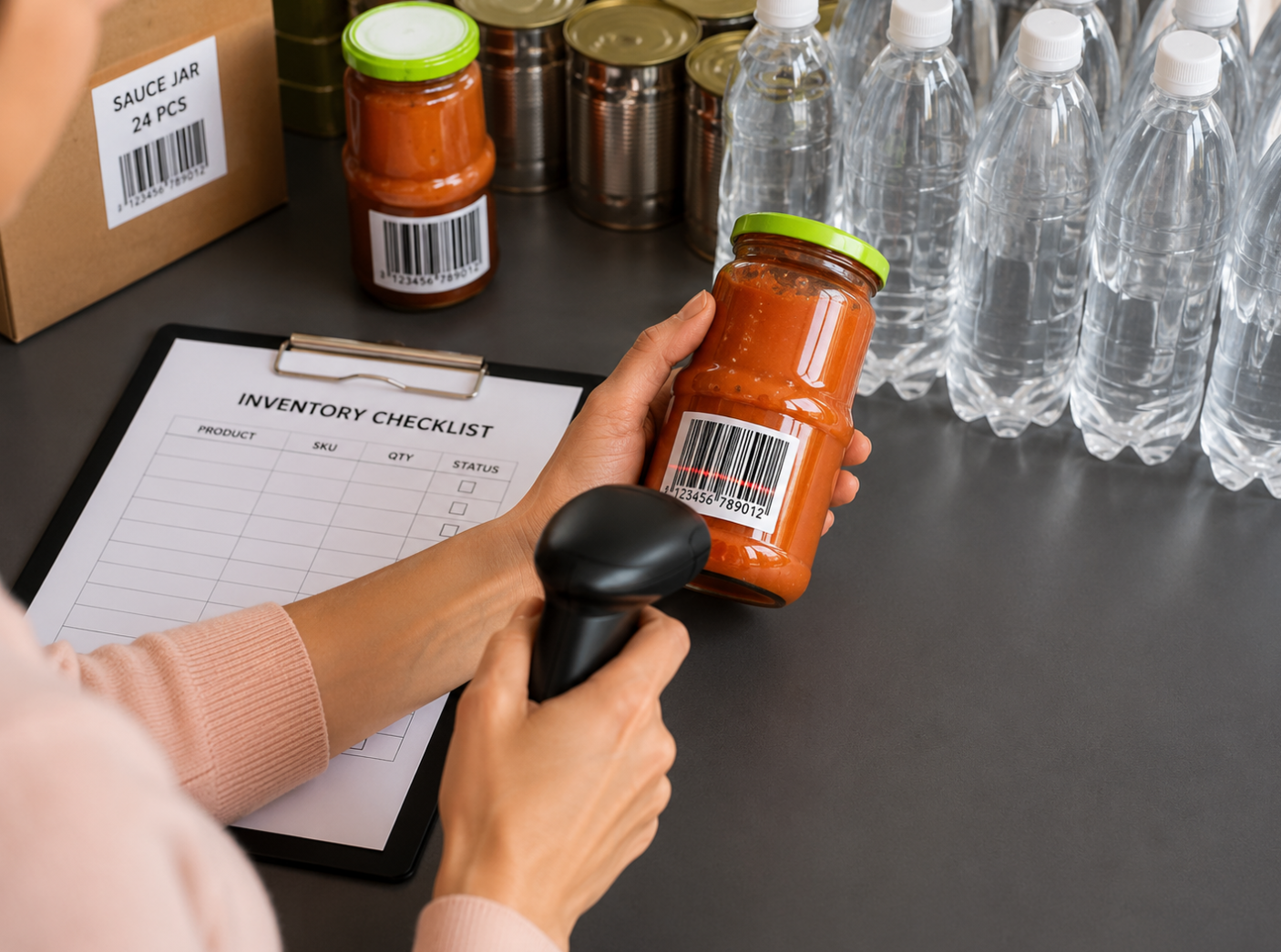
Food Packaging and Labeling: What Every Consumer Should Know
Article Summary: Food packaging and labeling do much more than make products look attractive on supermarket shelves. Packaging helps protect food from contamination, moisture, light, air, and physical damage, while labels provide essential information about ingredients, nutrition, allergens, expiration dates, storage instructions, and product claims. At the same time, packaging is also a powerful marketing tool. Colors, images, claims, and design choices can influence what consumers notice and buy. Regulations help ensure that labels are clear and truthful, while sustainability concerns are pushing brands toward recyclable, biodegradable, reusable, and lower-waste packaging options. As technology evolves, smart packaging, QR codes, freshness indicators, and more transparent sourcing information may change how consumers understand and choose food products.
Food packaging is easy to overlook. Most people walk through a grocery store, pick up a product, glance at the front label, check the price, and move on. But every box, bottle, pouch, can, carton, and wrapper is doing more work than it may seem. Packaging protects the food, communicates important information, supports brand identity, and influences buying decisions before the product is ever opened.
Labels are equally important. They tell consumers what is inside the product, how much nutrition it provides, whether it contains allergens, when it should be used, how it should be stored, and what claims the brand wants to make. A label can help someone compare two cereals, avoid an ingredient they cannot eat, understand serving size, or decide whether a product fits their dietary goals.
At the same time, packaging and labeling are not completely neutral. A bright package may make a snack look more exciting. A clean white label may make a product feel healthier or more premium. Words like “natural,” “organic,” “light,” or “gluten-free” can shape how shoppers perceive a product, even before they read the ingredient list carefully.
Understanding food packaging and labeling helps consumers make smarter choices. It also helps brands build trust. The best packaging does not simply sell. It protects the product, informs the buyer, follows regulations, reduces confusion, and increasingly, considers environmental impact.
Why Food Packaging Matters More Than It Seems
The first job of food packaging is protection. Food passes through many stages before it reaches a kitchen table. It may be processed, sealed, transported, stored, displayed, purchased, carried home, and kept in a refrigerator or pantry. Packaging helps the product survive this journey safely and in good condition.
Good packaging can protect food from air, light, moisture, dust, microorganisms, insects, crushing, temperature changes, and handling damage. For example, vacuum-sealed meat packaging helps reduce exposure to air, while opaque containers may protect certain foods from light. Cans, jars, cartons, and sealed pouches all use different methods to preserve food quality.
Packaging also helps extend shelf life. When food is better protected, it can remain fresh for longer and reduce the chance of waste. This matters for both households and businesses. A product that spoils too quickly creates loss for consumers, retailers, and manufacturers.
Beyond protection, packaging creates convenience. Resealable bags, single-serving packs, microwave-safe trays, easy-pour cartons, squeeze bottles, and portioned containers all change how people use food. In many cases, convenience is one of the reasons customers choose one product over another.
Food Packaging and Consumer Safety
Safety is one of the most important reasons food packaging exists. A product may look simple on the shelf, but it must be protected from contamination during production, transportation, storage, and handling. Without proper packaging, food can become exposed to bacteria, moisture, pests, dirt, or chemicals.
Different foods require different packaging solutions. Fresh meat may need sealed packaging that limits air exposure. Dry cereal needs packaging that protects it from humidity. Dairy products need containers that support freshness and prevent leakage. Frozen foods need packaging that can tolerate low temperatures and reduce freezer burn.
Labels also support safety by communicating important details. Expiration dates, best-by dates, use-by dates, lot numbers, storage instructions, cooking directions, and allergen warnings all help consumers handle food more safely. For someone with a peanut allergy, a clear allergen label is not a minor detail; it can be essential.
Packaging can also help with traceability. If a food safety issue occurs, lot codes and production information can help companies and regulators identify affected products. This makes recalls more efficient and reduces the risk of unsafe products remaining in circulation.
Safety Reminder
Always check food labels for allergen warnings, storage instructions, preparation directions, and date information. These details are not only formal requirements; they can affect safety and quality.
How Food Labels Help Consumers Make Decisions
A food label is like a short information panel for the product. It helps consumers understand what they are buying and how the product fits their needs. For people managing calories, sugar, sodium, protein, allergies, or specific diets, labels can make shopping less confusing.
The nutrition facts panel is one of the most important sections. It usually includes serving size, calories, fat, carbohydrates, protein, sodium, sugars, fiber, vitamins, minerals, and other nutrient information. But it is important to read serving size carefully. A package may look like one portion, but the label may count it as two or more servings.
The ingredient list is another key area. Ingredients are typically listed in order by weight, meaning the first ingredients make up the largest share of the product. This can help shoppers see whether a product is mostly whole grains, sugar, oil, fruit, dairy, or other major ingredients.
Claims on the front of packaging can be helpful, but they should not replace the full label. A product may say “made with whole grains,” but the ingredient list can show how much whole grain is actually present compared with refined flour or sweeteners. Reading both the front and back of the package gives a more complete picture.
Packaging as a Marketing Tool
Packaging does not only protect food. It also sells it. In a busy supermarket aisle, products have only a few seconds to catch attention. Color, shape, typography, images, materials, claims, and even the feel of the package can influence how shoppers perceive the product.
A bright design may suggest energy and fun. A minimalist package may feel clean, modern, or premium. A kraft paper look may create a natural or handmade impression. A transparent window can make the product feel more honest because shoppers can see what is inside.
Food photography is especially powerful. A cereal box may show fresh fruit and milk. A frozen meal may show steam, herbs, and colorful vegetables. A beverage may show ice, citrus, or splashing water. These images can create appetite and expectation, even though the actual product experience may vary.
Front-of-package claims are also part of marketing. Words such as “organic,” “natural,” “plant-based,” “gluten-free,” “high protein,” “low sugar,” or “no artificial colors” can guide attention quickly. Some claims are regulated, while others may be more flexible. This is why consumers should understand the difference between a marketing phrase and a verified product attribute.
Shopping Tip
The front of the package is designed to attract you. The back of the package helps inform you. For better decisions, check both.
Understanding Food Labeling Regulations
Food labeling is regulated because inaccurate or misleading information can affect health, safety, and consumer trust. Regulations help ensure that certain information appears clearly and consistently, making it easier for shoppers to compare products and understand what they are buying.
In many markets, food labels must include product identity, net quantity, ingredient list, nutrition information, manufacturer details, allergen information, and other required statements depending on the product category. These requirements help prevent companies from hiding important details or making unsupported claims.
Health and nutrient claims are often controlled carefully. Terms such as “low fat,” “sugar-free,” “light,” or “reduced sodium” generally must meet specific standards. This prevents brands from using attractive phrases in ways that mislead consumers.
Advertising rules also matter. A product label is not the only place where claims can appear. Websites, social media posts, influencer campaigns, and digital ads can all shape consumer expectations. Brands need to ensure that their claims are truthful, clear, and supported.
Sustainability in Food Packaging
Sustainability has become one of the biggest conversations in food packaging. For years, plastic packaging has helped preserve food, reduce damage, and improve convenience. But it has also contributed to waste problems, especially when packaging is difficult to recycle or used only once.
Many brands are now exploring alternatives such as recycled paper, recyclable plastics, compostable materials, plant-based packaging, glass containers, aluminum packaging, and reusable systems. Some companies are reducing unnecessary layers, redesigning packages to use less material, or creating refill models where consumers reuse containers.
However, sustainable packaging is not always simple. A biodegradable package may require specific composting conditions. A recyclable package may not be recycled if local facilities cannot process it. Glass may be reusable, but it is heavier to transport. Paper may feel eco-friendly, but it may need coatings that complicate recycling.
This means sustainability should be evaluated across the full life cycle: material sourcing, production, transportation, food protection, consumer use, disposal, and recycling infrastructure. The most responsible option depends on the product, supply chain, and real-world waste system.
Sustainability Reminder
Eco-friendly packaging should be judged by how it performs in real life, not only by how green it sounds on the label.
The Rise of Smart Packaging
Food packaging is becoming more intelligent. Smart packaging uses technology to provide additional information about freshness, safety, temperature history, authenticity, or product origin. This can help consumers, retailers, and supply chain partners make better decisions.
Freshness indicators are one example. These may change color when a product has been exposed to certain conditions or when freshness declines. Temperature indicators can help show whether cold-chain products were kept within the proper range during transport and storage.
QR codes and digital labels are also becoming more common. A package can provide limited space, but a QR code can lead to recipes, sourcing information, sustainability details, allergen explanations, certifications, recycling instructions, or brand stories. This gives consumers more information without making the physical label too crowded.
Augmented reality may also change packaging experiences. A shopper could scan a label and see interactive content, product origin maps, preparation videos, or serving ideas. This turns packaging into a bridge between physical products and digital engagement.
Transparency and the Future of Food Labels
Consumers increasingly want to know where food comes from, how it is made, what ingredients are used, and whether the brand’s values match their own. This demand for transparency is changing how companies approach labeling and packaging communication.
Some brands now share more information about sourcing, farming practices, animal welfare, carbon impact, fair trade, certifications, and supply chain responsibility. This can help build trust, especially with shoppers who care about ethics, sustainability, or ingredient quality.
However, transparency must be meaningful. Simply adding more claims is not enough. Consumers need clear, understandable information that is easy to verify. Vague phrases can create confusion, while specific details can strengthen credibility.
In the future, food labels may become more personalized and digital. Instead of every shopper relying only on the same printed panel, digital tools may allow people to filter information based on allergies, diet goals, sustainability preferences, or health concerns. This could make food choices more informed and more personal.
Common Labeling and Packaging Mistakes to Watch For
One common mistake is trusting front-of-package claims without reading the full label. A product may highlight one attractive feature while other details are less obvious. For example, a snack may be labeled “low fat” but still contain high sugar. A drink may say “made with real fruit” but still contain mostly added sweeteners or flavoring.
Another mistake is ignoring serving size. Nutrition numbers can look better or worse depending on the serving listed. If someone eats two servings, they also consume twice the calories, sugar, sodium, or fat shown for one serving.
A third mistake is assuming all green packaging is sustainable. Colors, leaves, natural textures, and eco-friendly words can create a responsible impression, but the actual environmental impact depends on the material, production process, recyclability, and disposal method.
Finally, some shoppers overlook storage instructions. A product may be shelf-stable before opening but require refrigeration afterward. Following storage directions helps preserve safety, flavor, and quality.
Practical Tips for Reading Food Packaging Smarter
Start with the product name and front claims, but do not stop there. Turn the package around and check the nutrition panel, ingredient list, allergen information, and date marking. This gives you a more complete understanding of the product.
Compare similar products side by side. If two products look similar, the label can reveal differences in sugar, sodium, fiber, protein, ingredients, serving size, or additives. Comparison is one of the easiest ways to make better choices without needing expert knowledge.
Look for specific claims instead of vague language. A clear certification, exact percentage, or detailed ingredient statement is usually more useful than broad words that sound healthy but do not explain much. When a claim feels unclear, check the ingredient list and nutrition facts.
For sustainability, check disposal instructions. If packaging says recyclable, look for recycling symbols and local guidance. If it says compostable, consider whether you actually have access to composting facilities. Responsible disposal matters as much as responsible design.
Smart Shopping Reminder
Read food packaging in layers: first the front claim, then the nutrition facts, then the ingredients, then the storage and date information. Each layer tells a different part of the story.
Final Thoughts
Food packaging and labeling are much more important than they may appear at first glance. Packaging protects food, extends shelf life, supports convenience, and helps products stand out. Labels provide the information consumers need to compare products, avoid allergens, understand nutrition, and make safer choices.
At the same time, packaging is a marketing tool. Design, color, images, and claims can strongly influence perception. This is why consumers benefit from looking beyond the front of the package and reading the full label carefully.
Sustainability and technology are also reshaping the future of food packaging. Brands are exploring recyclable materials, compostable options, refill systems, smart labels, QR codes, freshness indicators, and more transparent sourcing information. These changes may help consumers make choices that are safer, more informed, and more aligned with their values.
The next time you pick up a product in a grocery aisle, look at the package as more than a container. It is a safety tool, a marketing message, a source of information, and increasingly, a reflection of how brands respond to environmental and consumer expectations.
Final Reminder: Food packaging should protect, inform, and serve the consumer. Before buying, check the label carefully, understand the claims, compare nutrition and ingredients, follow storage instructions, and consider how the package should be reused, recycled, or disposed of after use.