
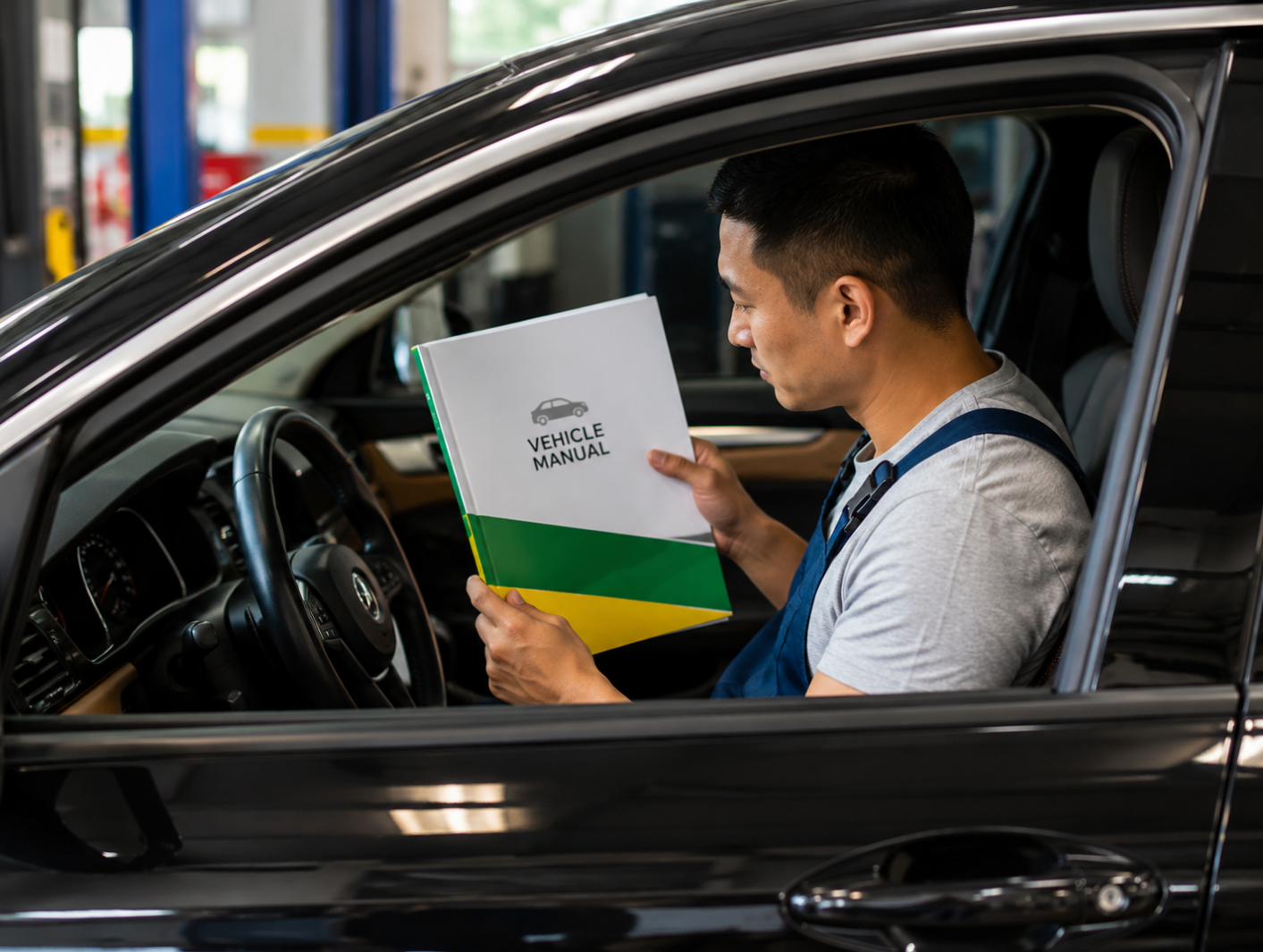
Car Transport Jobs: A Practical Guide to Careers in Auto Transport
Article Summary: Car transport jobs offer opportunities for people who enjoy driving, logistics, customer service, and the automotive industry. These roles can include auto transport drivers, logistics coordinators, dispatchers, vehicle inspectors, administrative staff, and owner-operators. Some positions require a Commercial Driver’s License, while others focus more on organization, scheduling, communication, and shipment tracking. Earnings can vary based on experience, location, employer type, route distance, and whether the worker owns their own vehicle. While the industry can be rewarding, it also comes with challenges such as long driving hours, weather delays, tight delivery schedules, safety requirements, and changing market demand. With the right skills, preparation, and realistic expectations, car transport can become a stable career path or a flexible side opportunity.
Car transport may not be the first career path people think of when they talk about logistics, but it plays a major role in keeping the automotive market moving. New cars need to reach dealerships. Used vehicles need to be moved between auctions, buyers, and sellers. Families relocating across the country may need their cars shipped. Collectors may need specialty vehicles handled carefully. Behind every vehicle delivery is a network of drivers, dispatchers, coordinators, inspectors, and support teams.
For people who enjoy the road, automobiles, scheduling, problem-solving, or transportation operations, car transport jobs can be worth exploring. Some roles are hands-on and involve physically transporting vehicles. Others happen behind the scenes, coordinating routes, managing paperwork, communicating with customers, checking vehicle condition, or helping companies keep deliveries on schedule.
The industry can offer full-time jobs, contractor opportunities, owner-operator paths, and even side gigs for people who want extra income. But it is not just “driving cars from one place to another.” Auto transport requires responsibility, safety awareness, time management, communication, and the ability to handle unexpected problems calmly.
This guide explains the main types of car transport jobs, the skills and qualifications needed, potential earnings, where to find opportunities, and the challenges to consider before entering the field.
What Are Car Transport Jobs?
Car transport jobs involve moving vehicles from one location to another or supporting the process behind those deliveries. The vehicles may include new cars, used cars, dealership inventory, auction vehicles, rental fleets, luxury cars, motorcycles, classic cars, or customer-owned vehicles.
Some workers drive car carriers that can move several vehicles at once. Others drive individual cars for dealerships, private clients, or fleet companies. Some roles focus on logistics rather than driving, making sure each vehicle is picked up, tracked, inspected, delivered, and documented properly.
Auto transport work can be local, regional, or long-distance. A local driver may move vehicles between dealerships, auctions, repair shops, and storage lots. A long-haul car hauler may travel across states, spending many hours on the road and managing multiple pickup and delivery points.
Because the industry connects transportation, customer service, vehicle handling, and scheduling, it offers more variety than many people expect. The right role depends on your license, experience, lifestyle, income goals, and comfort with travel.
Main Roles in the Car Transport Industry
The car transport industry relies on several different roles. Drivers are the most visible part of the business, but they are only one piece of the operation. Coordinators, dispatchers, inspectors, and administrative teams help make sure deliveries happen smoothly and customers stay informed.
Some people begin in entry-level delivery or administrative roles and later move into dispatch, logistics, or management. Others start as drivers and eventually become owner-operators, running their own truck and choosing their own transport contracts.
Auto Transport Drivers: The Front Line of the Industry
Auto transport drivers are responsible for moving vehicles safely and professionally. Depending on the job, they may drive individual vehicles, operate a flatbed, use an open car carrier, or handle enclosed transport for high-value vehicles. Their work can involve loading, securing, transporting, unloading, inspecting, and documenting vehicles.
Drivers must be dependable because customers, dealerships, and transport companies rely on accurate pickup and delivery timelines. Late deliveries can affect sales, customer satisfaction, auction schedules, and business operations. This makes time management an important part of the role.
Safety is also central. Drivers may handle valuable vehicles, travel long distances, and face changing road conditions. They need to understand load securement, vehicle inspection, route planning, rest requirements, and safe driving practices. Even small mistakes can lead to delays, damage, or financial loss.
For people who enjoy independence, auto transport driving can be appealing. Many drivers like the variety of routes, the contact with different vehicles, and the sense of responsibility that comes with moving cars safely from one location to another.
Career Tip
If you want to become a car transport driver, build a strong safety record first. A clean driving history and responsible work habits can make you more attractive to employers.
Logistics Coordinators and Dispatchers
Not every car transport job requires driving. Logistics coordinators and dispatchers are essential because they keep the operation organized. They help match vehicles with available drivers, plan routes, communicate with customers, handle paperwork, and adjust schedules when problems occur.
A logistics coordinator may spend the day checking shipment details, confirming pickup windows, answering customer questions, reviewing delivery documents, and updating tracking systems. A dispatcher may focus more directly on driver communication, load assignments, route changes, and real-time problem solving.
These roles require strong organization. A single delay can affect several deliveries, especially when a carrier is handling multiple vehicles on one route. Coordinators and dispatchers need to stay calm, think quickly, and communicate clearly with both drivers and customers.
Technology is increasingly important in these jobs. Many companies use transportation management systems, GPS tracking, digital paperwork, customer portals, and scheduling software. Workers who are comfortable with digital tools may have an advantage.
Skills and Qualifications Needed
The skills needed for car transport jobs depend on the role. A driver needs safe driving ability, route awareness, vehicle handling skills, and in many cases, proper commercial licensing. A coordinator needs communication, organization, customer service, and software skills. An inspector needs attention to detail and the ability to document vehicle condition accurately.
For larger truck or car carrier operations, a Commercial Driver’s License may be required. Employers may also look for experience with heavy vehicles, clean driving records, background checks, and knowledge of transportation safety rules. Some companies provide training, but prior experience can make applications stronger.
Communication is important across nearly every role. Drivers may need to update customers, coordinate with dispatch, report delays, and explain vehicle condition. Coordinators must often handle customer questions, schedule changes, and delivery concerns. Clear communication helps prevent misunderstandings and builds trust.
Patience is also useful. Auto transport can be unpredictable. Weather, traffic, mechanical issues, customer availability, paperwork errors, and route changes can all affect delivery timing. People who stay calm under pressure tend to perform better in this environment.
Potential Earnings in Car Transport Jobs
Earnings in the car transport industry can vary widely. Pay depends on the role, experience level, employer, location, route type, vehicle type, and whether the worker is an employee, contractor, or owner-operator. Someone driving locally for a dealership will likely earn differently from an experienced long-haul car hauler moving multiple vehicles across states.
Drivers in auto transport may earn a moderate full-time income, especially when working steady routes or long-distance jobs. Experienced drivers who own their equipment may have higher earning potential, but they also carry more costs, including fuel, maintenance, insurance, permits, and equipment payments.
Logistics coordinators and dispatchers may earn stable salaries, with higher pay often connected to experience, company size, location, and responsibility level. Workers who can manage complex schedules, communicate well, and reduce delivery problems may become especially valuable.
Benefits can also affect total compensation. Larger companies may offer health insurance, retirement plans, paid time off, bonuses, or training opportunities. Independent contractors may have more flexibility but usually need to manage their own benefits and business expenses.
Income Reminder
Higher earnings in car transport often come with greater responsibility, longer routes, specialized equipment, or business expenses. Always compare gross income with actual costs and lifestyle demands.
Where to Find Car Transport Job Opportunities
Finding car transport jobs requires a mix of online searching, industry networking, and direct outreach. Traditional job boards often list driver, dispatcher, coordinator, and administrative roles. Searching with specific terms such as “auto transport driver,” “car hauler,” “vehicle logistics coordinator,” “transport dispatcher,” or “CDL car hauling” can produce better results than broad searches.
Dealerships, auto auctions, rental car companies, transport brokers, fleet management companies, and logistics firms may all have openings. Some opportunities are posted publicly, while others may be found by contacting companies directly or speaking with people already working in the industry.
Networking can help because transportation work often depends on trust. A company wants reliable people who show up, communicate clearly, and handle vehicles responsibly. Attending automotive events, logistics meetups, trucking industry events, or joining online transport communities can help job seekers learn about openings and employer expectations.
A strong resume should highlight driving experience, safety record, customer service, logistics knowledge, technology skills, punctuality, and any licensing or certifications. For non-driving roles, emphasize scheduling, communication, problem-solving, software experience, and attention to detail.
How to Prepare for a Car Transport Career
Preparation depends on the type of role you want. If you are aiming for a driving position, start by reviewing license requirements in your area and understanding what type of vehicles you want to operate. Smaller vehicle delivery jobs may have fewer requirements, while larger car carrier roles may require commercial licensing and specialized training.
If you are interested in logistics or dispatch, build skills in scheduling, customer service, spreadsheet use, shipment tracking, and transportation software. Even experience in delivery services, warehouse operations, retail logistics, customer support, or administrative coordination can help you transition into auto transport.
For anyone entering the field, learning basic vehicle inspection is useful. Knowing how to document scratches, dents, mileage, condition, and delivery status helps protect both the company and the customer. Careful documentation is especially important when vehicles are valuable or when customers are sensitive about damage claims.
It is also smart to understand the lifestyle. Some jobs may involve long hours, early mornings, irregular schedules, or time away from home. Others may be more local and predictable. Choosing the right role requires matching the job with your personal needs, not just the paycheck.
Challenges in the Auto Transport Industry
Car transport jobs can be rewarding, but they are not without challenges. Drivers may spend long hours on the road, which can lead to fatigue, physical discomfort, and stress if not managed carefully. Sitting for long periods, loading vehicles, checking equipment, and dealing with traffic all require stamina and attention.
Weather and road conditions are another major challenge. Rain, snow, ice, heat, wind, traffic accidents, and road construction can all delay transport schedules. Drivers need to prioritize safety, even when customers expect fast delivery.
Customer expectations can also be demanding. Many customers want precise delivery times, but transport schedules are affected by route distance, vehicle loading, traffic, mechanical issues, and other deliveries. Good communication can reduce frustration, but it does not eliminate every problem.
Economic changes may affect demand. Vehicle sales, fuel costs, seasonal movement, auctions, dealership activity, and broader market conditions can influence how much transport work is available. People who stay adaptable and continue building skills may be better prepared for slower periods.
Work-Life Reminder
Before choosing a car transport role, think about the schedule, travel requirements, physical demands, and stress level. A good job should fit your lifestyle as well as your income goals.
Side Gig Opportunities in Car Transport
Not everyone enters car transport as a full-time career. Some people explore it as a side gig. Depending on location and opportunity, this may involve driving vehicles for dealerships, helping with auction movement, transporting cars locally, or working part-time with delivery and logistics companies.
Side gigs can be useful for people who want to test the industry before committing. They can also help someone build experience, learn customer expectations, and understand whether the work feels enjoyable. However, side gigs still require professionalism. Even one vehicle delivery can involve valuable property and strict timing.
Before accepting side work, review insurance, liability, payment terms, vehicle condition documentation, and route expectations. If you are using your own vehicle or equipment, understand fuel costs, wear and tear, and any legal requirements.
A side gig can become a stepping stone. Someone who begins with local vehicle movement may later move into professional transport driving, dispatch, logistics coordination, or even an independent transport business.
Common Mistakes to Avoid
One common mistake is underestimating the seriousness of the work. Transporting vehicles involves responsibility. A car may belong to a dealership, customer, collector, auction buyer, or rental fleet. Poor handling, weak documentation, or careless communication can create expensive problems.
Another mistake is ignoring the cost side of the job. This is especially important for contractors and owner-operators. Fuel, insurance, maintenance, licenses, permits, tolls, equipment, and downtime can reduce real income. Gross pay can look attractive, but net earnings matter more.
A third mistake is weak communication. Customers usually want updates, especially when a vehicle is valuable or delivery timing matters. Clear updates can prevent many complaints. Silence during delays often creates more frustration than the delay itself.
Finally, some job seekers apply too broadly without tailoring their resume. A car transport employer wants to see relevant strengths. Highlight your safe driving record, reliability, logistics experience, customer service ability, software skills, or vehicle knowledge depending on the role.
Final Thoughts
Car transport jobs offer a practical path into the automotive and logistics world. The industry needs drivers, dispatchers, coordinators, inspectors, and support staff to keep vehicles moving safely and efficiently. For people who enjoy automobiles, transportation, planning, or time-sensitive work, this field can offer meaningful opportunities.
The best role depends on your strengths. If you like driving and independence, auto transport driving may be a good fit. If you enjoy organization and communication, dispatch or logistics coordination may be better. If you are detail-oriented, vehicle inspection or documentation work may suit you well.
Before entering the industry, be realistic about the requirements. Consider licensing, schedule, physical demands, travel, income structure, safety expectations, and long-term growth. With preparation and professionalism, car transport can become more than a job; it can become a flexible and rewarding career path.
Final Reminder: Car transport jobs can offer steady work, travel opportunities, and a direct connection to the automotive industry. To succeed, focus on safety, reliability, communication, documentation, technology skills, and realistic income planning. The people who adapt, stay professional, and keep learning are often the ones who build the strongest long-term opportunities.