
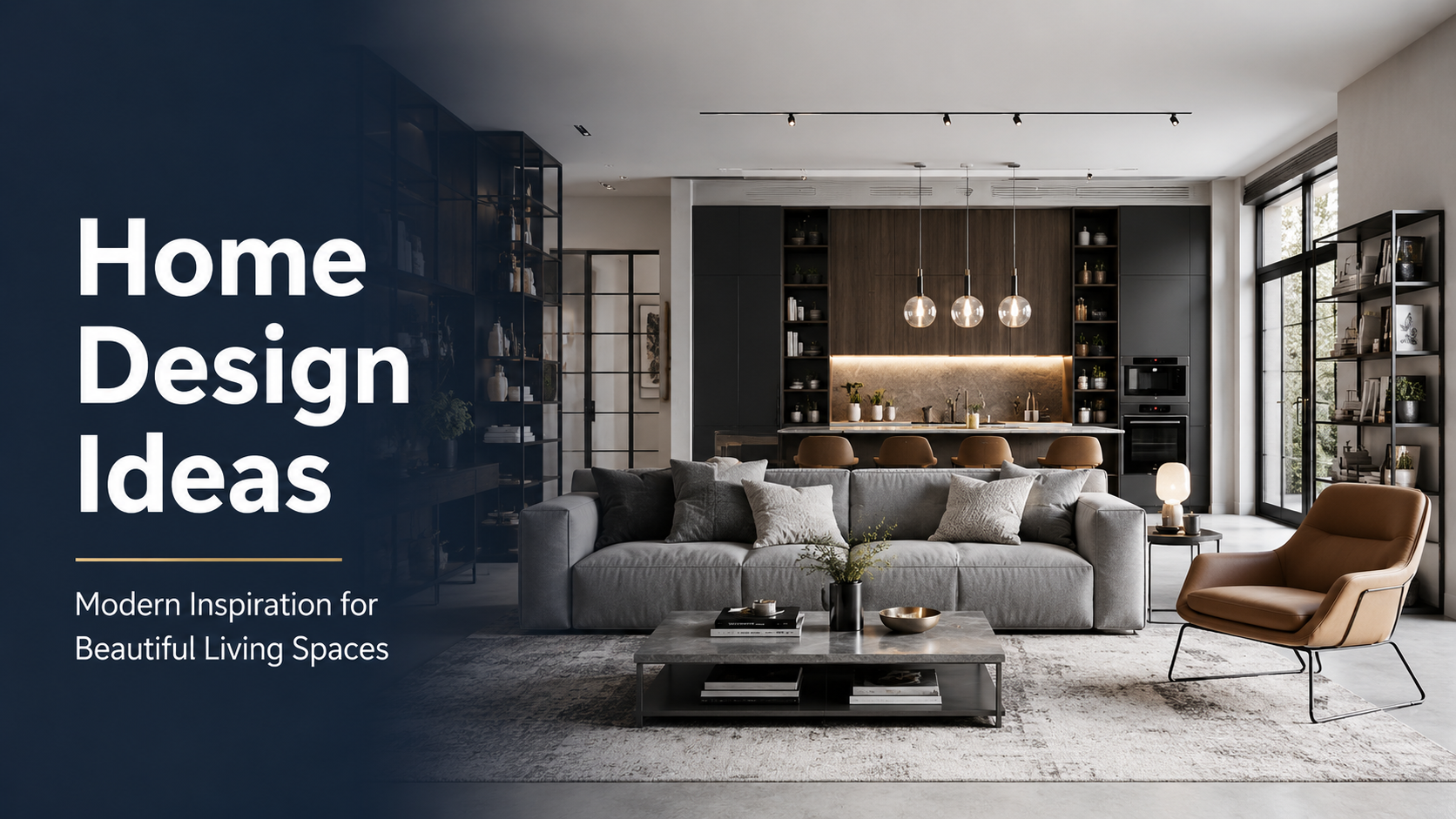
Design Your Dream Home: 6 Popular House Styles to Inspire Your Perfect Living Space
Designing your dream home is not only about choosing beautiful furniture or trendy colors. It is about creating a living space that reflects your personality, daily habits, lifestyle, and long-term comfort. From modern minimalist homes to cozy farmhouse interiors, timeless colonial houses, and relaxing Mediterranean villas, every house style tells a different story. This guide will help you explore popular home design styles and decide which one fits your vision best.
Building or redesigning a home can feel exciting, but it can also be overwhelming. There are many design directions to choose from, and each style has its own personality. Some homes feel clean and modern, while others feel warm, traditional, luxurious, natural, or highly functional. Before choosing a style, it is helpful to understand what each design represents and how it may affect your daily life.
A good home style should not only look attractive in photos. It should also support the way you live. For example, a minimalist home may be perfect for someone who values order and simplicity, while a rustic farmhouse may be better for someone who loves warmth, family gatherings, and natural materials. The best design is the one that feels beautiful, practical, and personal at the same time.
Design Tip: Before choosing a house style, ask yourself three questions: How do I want my home to feel? How much maintenance am I willing to handle? What kind of space supports my daily routine best?
Why Choosing the Right House Style Matters
Your house style influences more than the exterior appearance of your home. It affects the layout, furniture choices, color palette, lighting, materials, storage solutions, and even the emotional atmosphere of the space. A well-chosen style can make your home feel more organized, comfortable, and visually consistent.
For example, a contemporary home may focus on smart technology, open space, and sustainable materials. A Scandinavian home may prioritize natural light, comfort, and practical storage. A colonial-style house may create a formal and elegant atmosphere with symmetrical architecture and traditional details.
Choosing a style early also helps prevent design confusion. Without a clear direction, it is easy to mix too many colors, materials, and decorative elements together. While mixing styles can work beautifully, it still needs intention. A clear foundation makes it easier to choose furniture, lighting, flooring, wall colors, and decor that all work together.
1. Modern Minimalist Style: Clean Lines and Calm Living
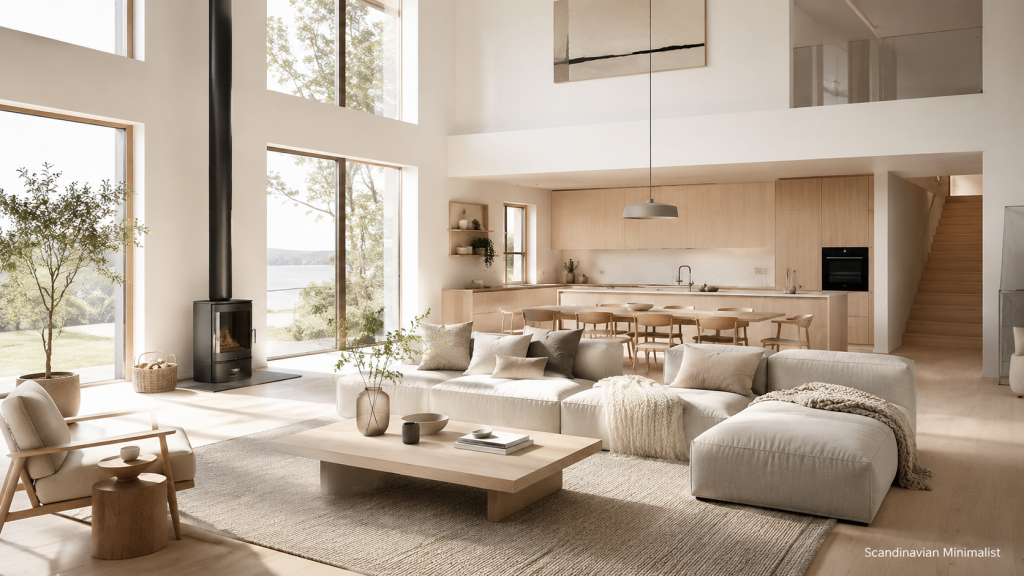
Modern minimalist style is built around the idea that less can be more. It focuses on clean lines, open layouts, neutral colors, and purposeful design. Instead of filling a home with unnecessary objects, minimalist interiors highlight space, light, and carefully chosen details.
One of the strongest features of minimalist homes is their sense of calm. Large windows, uncluttered surfaces, and simple furniture help create a peaceful environment. This style often uses colors such as white, beige, gray, black, and soft natural tones. These colors make the home feel brighter and more spacious, especially in apartments or smaller houses.
Materials such as glass, steel, concrete, light wood, and stone are commonly used in minimalist design. Furniture is usually sleek and functional, with hidden storage and multi-purpose features. Instead of heavy decoration, the beauty comes from balance, proportion, and simplicity.
This style is especially suitable for people who prefer a tidy environment and do not want to spend too much time cleaning or organizing. A minimalist home can also help reduce visual stress because every item has a reason to be there. However, minimalist does not mean empty or cold. With warm lighting, soft textiles, indoor plants, and natural materials, a minimalist home can still feel welcoming and personal.
Style Note: If you choose a minimalist home, focus on quality over quantity. A few well-designed pieces can make the space feel more elegant than many decorative items.
2. Modern Forest Cabin: Warm, Natural, and Full of Character
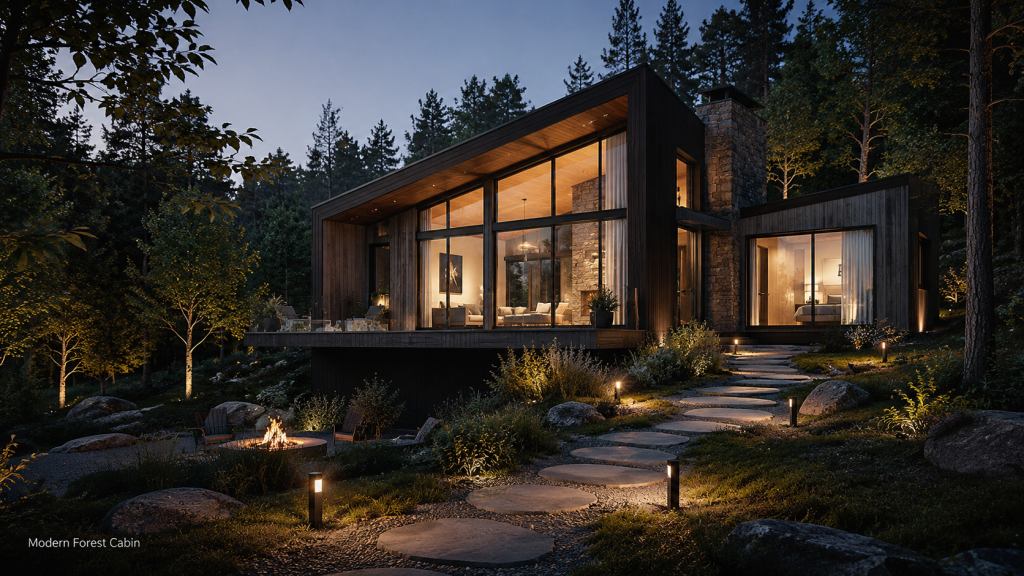
Rustic farmhouse style brings a sense of warmth and comfort into the home. Inspired by countryside living, this style uses natural materials, aged finishes, and cozy textures to create a relaxed atmosphere. It is less about perfection and more about personality, comfort, and lived-in beauty.
Common farmhouse elements include exposed wooden beams, shiplap walls, stone fireplaces, vintage-style furniture, woven baskets, linen curtains, and distressed wood finishes. These details make the home feel grounded and inviting. Instead of looking overly polished, farmhouse design celebrates natural imperfections.
The color palette usually includes earthy and soft tones such as cream, white, warm brown, muted green, soft gray, and natural wood shades. These colors work well with cozy textiles like cotton, wool, and linen. The result is a home that feels gentle, familiar, and easy to live in.
The kitchen is often the heart of a farmhouse-style home. Apron-front sinks, butcher block countertops, open shelving, and large dining tables are popular features. This style is perfect for people who love cooking, hosting family gatherings, or creating a home that feels welcoming to guests.
Practical Tip: To avoid making farmhouse style look too old-fashioned, mix rustic textures with simple modern pieces. For example, pair a reclaimed wood table with clean-lined chairs or modern black lighting.
3. Zen Chinese Courtyard: Classic Beauty with Historical Charm
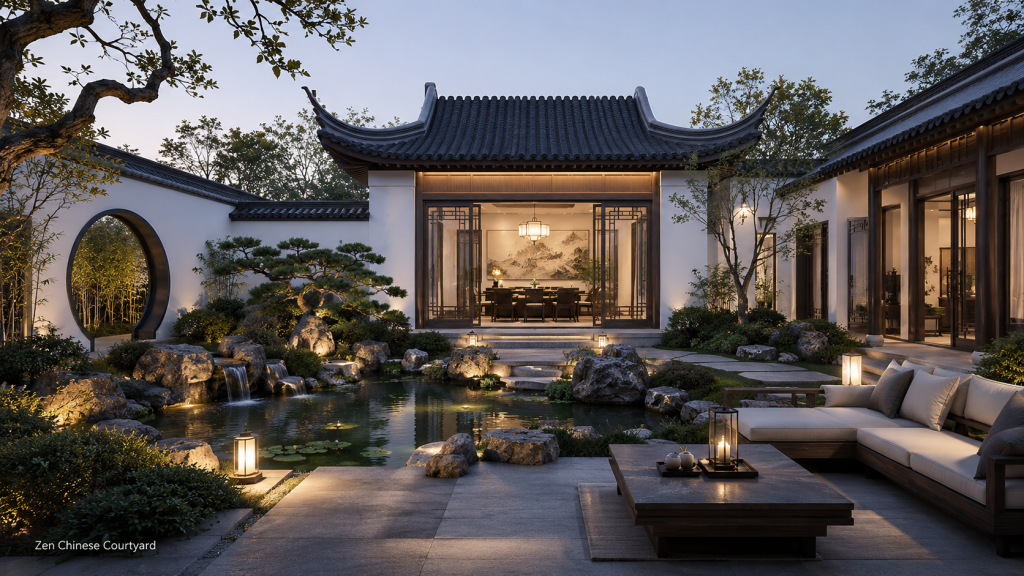
Colonial-style homes are known for their balanced appearance, traditional structure, and timeless elegance. This style has historical roots and often features symmetrical facades, gabled roofs, evenly spaced windows, shutters, columns, and a strong sense of order.
A colonial home often feels formal and refined. Inside, you may find hardwood floors, grand staircases, detailed moldings, fireplaces, and traditional furniture. The layout usually separates rooms by function, such as a formal dining room, living room, study, and kitchen. This creates a structured and organized lifestyle.
Color schemes in colonial interiors are often rich and sophisticated. Navy blue, burgundy, forest green, cream, walnut brown, and antique gold can be used to create a sense of depth and elegance. Unlike minimalist homes, colonial homes usually welcome decorative details such as framed artwork, classic lamps, patterned rugs, and traditional curtains.
This style is ideal for homeowners who appreciate history, symmetry, and a more formal atmosphere. It works especially well for families who like defined rooms and traditional entertaining spaces. While colonial design is classic, it can still be updated with modern lighting, lighter wall colors, and more comfortable furniture to make it suitable for today’s lifestyle.
Best Feature
Elegant symmetry and timeless architectural details.
Design Mood
Traditional, refined, formal, and graceful.
Ideal Homeowner
Someone who values classic design and historical character.
4. Contemporary Design: Stylish, Smart, and Forward-Thinking
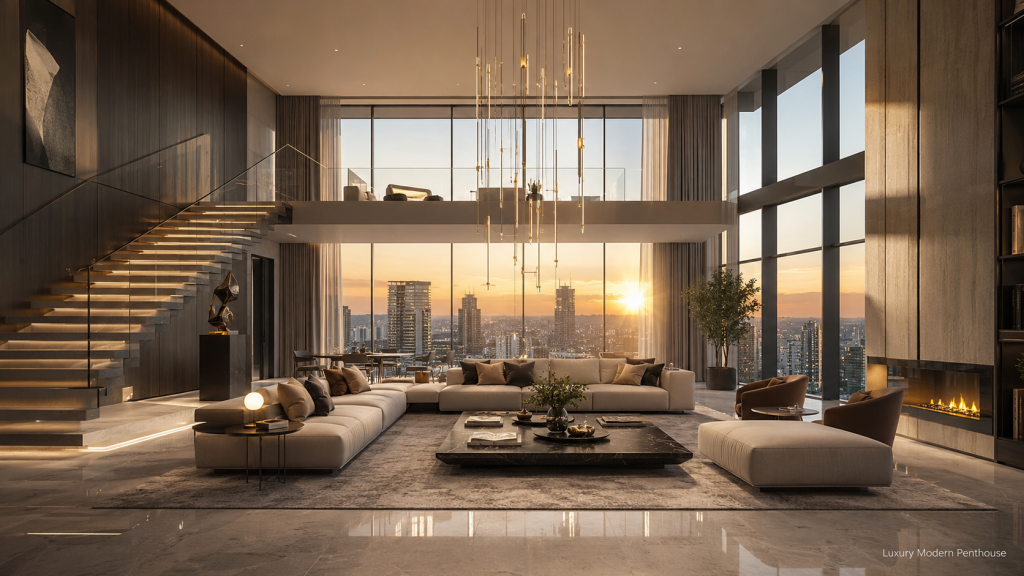
Contemporary house design reflects the present moment. Unlike some traditional styles that are tied to a specific historical period, contemporary design continues to evolve with modern architecture, technology, sustainability, and lifestyle trends. It is often bold, open, and visually striking.
A contemporary home usually features open floor plans, large windows, high ceilings, and a strong connection between indoor and outdoor spaces. Floor-to-ceiling glass, sliding doors, and outdoor terraces can make the home feel bright and expansive. This style is especially attractive to people who enjoy natural light and flexible living areas.
Materials such as glass, steel, concrete, stone, reclaimed wood, and energy-efficient surfaces are often used. Contemporary homes may also include smart home systems, automated lighting, energy-saving appliances, solar panels, advanced climate control, and security technology.
The color palette is often neutral, with black, white, gray, and beige as the base. Bold colors may appear through artwork, furniture, decorative objects, or accent walls. This allows the home to feel modern without becoming visually overwhelming.
Modern Living Insight: Contemporary design is a strong choice if you want a home that feels current, efficient, and adaptable. It works especially well for people who enjoy open spaces, smart technology, and clean but expressive design.
5. Mediterranean Villas: Relaxed Luxury Inspired by Coastal Living
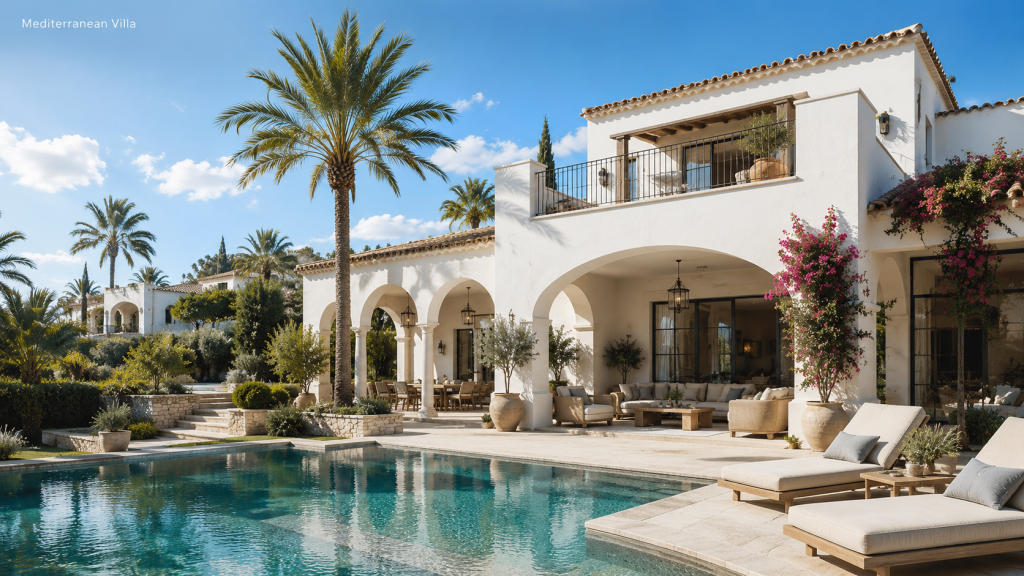
Mediterranean-style homes are inspired by the warm and beautiful architecture of countries such as Spain, Italy, and Greece. This style feels relaxed, sunny, and luxurious, making it perfect for people who want their home to feel like a private retreat.
The exterior of a Mediterranean home often includes stucco walls, red-tiled roofs, arched doorways, arched windows, wrought iron details, and decorative balconies. These features create a romantic and timeless appearance. The style is especially suitable for warmer climates, but many of its interior ideas can be used in different regions.
Inside, Mediterranean homes often use earthy colors such as terracotta, sand, cream, olive green, deep blue, and warm brown. Textured walls, mosaic tiles, ceramic accents, carved wood, and iron fixtures add depth and character. The overall atmosphere feels warm, artistic, and connected to nature.
Outdoor living is one of the most important parts of this style. Courtyards, patios, balconies, gardens, and shaded seating areas are often designed for relaxing, dining, and entertaining. A Mediterranean home is not only about appearance; it is also about a slower and more enjoyable way of living.
Decor Idea: To bring Mediterranean style into your home without a full renovation, try adding terracotta planters, warm-toned tiles, linen curtains, arched mirrors, blue ceramic pieces, and wrought iron lighting.
6. Scandinavian Style: Cozy Simplicity and Everyday Function
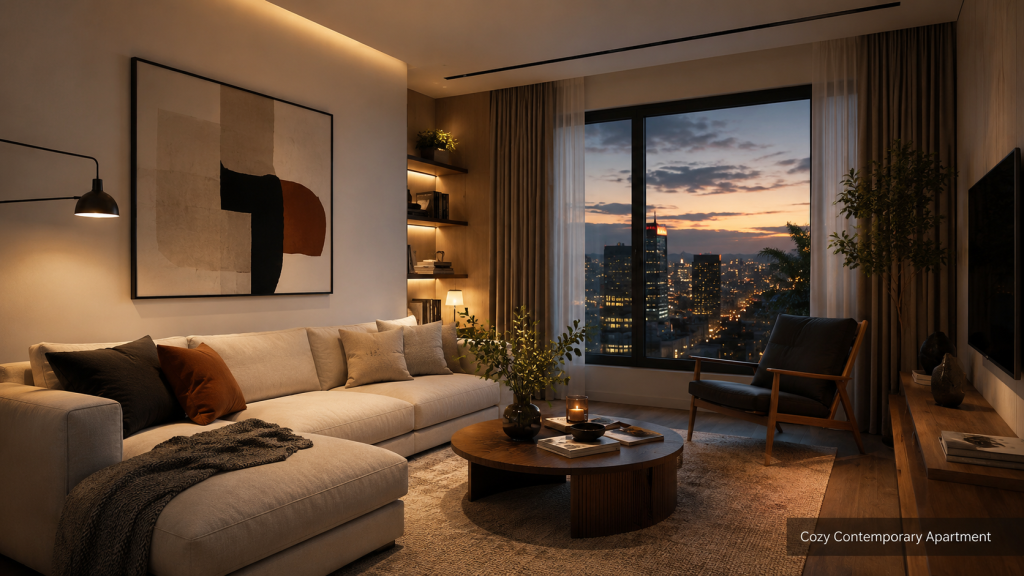
Scandinavian style is known for its clean design, natural materials, and cozy atmosphere. Originating from Nordic countries, this style was shaped by colder climates, shorter daylight hours, and the need for practical yet beautiful interiors. It focuses on comfort, light, and function.
A Scandinavian home often uses white walls, light wood floors, simple furniture, large windows, and soft textiles. The goal is to create a bright and peaceful space that feels comfortable without being cluttered. This makes the style especially useful for smaller homes and apartments.
One important concept in Scandinavian design is hygge, which refers to a feeling of coziness, warmth, and well-being. This can be created through soft blankets, warm lighting, candles, natural textures, simple decor, and comfortable seating areas.
Scandinavian homes also value smart storage. Instead of displaying too many objects, this style uses practical cabinets, shelves, baskets, and hidden storage to keep the home organized. The result is a space that feels calm, livable, and easy to maintain.
Comfort Tip: Scandinavian style works best when simplicity is balanced with warmth. Add soft rugs, warm lamps, natural wood, and textured fabrics to prevent the space from feeling too plain.
How to Choose the Right House Style for Your Lifestyle
After exploring different house styles, the next question is how to choose the one that fits you best. A beautiful style may not always be the most practical option for your life. The right choice should consider your daily routine, family size, climate, budget, cleaning habits, and long-term plans.
If you prefer a clean and peaceful environment, modern minimalist or Scandinavian design may be a good match. If you love natural textures, cooking, and family gatherings, rustic farmhouse style may feel more personal. If you want a formal and elegant home, colonial style may be more suitable. If you enjoy innovation and smart technology, contemporary design is worth considering.
Your location also matters. Mediterranean homes work beautifully in warm regions or places with strong outdoor living potential. Farmhouse and Scandinavian styles can work well in colder or more natural environments. Contemporary and minimalist homes can adapt to many urban settings.
Can You Mix Different House Styles?
Yes, mixing house styles can create a unique and personal home, but it should be done carefully. The key is to choose one main style as the foundation and use another style as an accent. For example, you can create a modern farmhouse by combining rustic wood textures with clean modern lines.
You can also combine Scandinavian simplicity with contemporary technology, or add Mediterranean decor to a neutral modern home. The goal is not to mix everything randomly, but to create harmony through color, materials, and proportion.
A good rule is to keep large elements consistent, such as flooring, wall colors, kitchen cabinets, and main furniture. Then use smaller items like lighting, artwork, pillows, rugs, and decor pieces to introduce another style. This keeps the home visually balanced.
Mixing Rule: Choose one dominant style and one supporting style. If too many design directions compete in the same space, the home may feel confusing instead of stylish.
Budget Considerations for Different Home Styles
Budget is another important factor when choosing a house style. Some styles can be achieved with simple finishes and thoughtful furniture choices, while others may require more expensive architectural details, custom materials, or specialized craftsmanship.
Modern minimalist design can be budget-friendly if you focus on simplicity, but high-quality materials and built-in storage can increase the cost. Farmhouse style can be affordable if you use reclaimed wood, vintage furniture, or simple painted finishes. Colonial and Mediterranean homes may require more investment because they often include architectural details, custom trim, special tiles, or exterior features.
If you are working with a limited budget, start with the most visible areas first, such as wall colors, lighting, furniture, and textiles. You do not need to redesign the entire home at once. Small design changes can still create a strong style identity when they are chosen carefully.
Budget-Friendly Idea
Use paint, lighting, curtains, rugs, and decor to create a style before investing in major renovations.
Long-Term Value
Choose durable materials for flooring, cabinets, countertops, and windows because these affect both comfort and resale value.
Smart Planning
Create a design mood board before buying furniture to avoid mismatched pieces and unnecessary spending.
Final Thoughts: Build a Home That Feels Like You
Exploring different house styles is one of the most enjoyable parts of designing a dream home. Each style offers something special. Modern minimalist homes feel calm and organized. Rustic farmhouse homes feel warm and inviting. Colonial homes feel timeless and elegant. Contemporary homes feel stylish and innovative. Mediterranean homes feel relaxed and luxurious. Scandinavian homes feel bright, cozy, and practical.
The best home style is not always the most popular one. It is the one that matches your lifestyle, personality, climate, budget, and comfort needs. A home should support your daily life, not only impress visitors. When your space feels natural to live in, it becomes more than a beautiful house — it becomes a place where you can truly feel at home.
Before making your final decision, take time to collect inspiration, compare styles, think about your daily habits, and imagine how each design would feel in real life. Whether you choose sleek modern lines, cozy natural textures, classic architecture, or Mediterranean charm, your dream home should be a reflection of the life you want to create.
Final Reminder: A beautiful home is not defined by one trend. It is created through thoughtful choices, practical design, and personal details that make the space feel meaningful to you.