
Data Analytics in Product Sourcing: How Businesses Make Smarter Buying Decisions
Article Summary: Data analytics is changing how companies source products, select suppliers, forecast demand, manage inventory, and respond to market trends. Instead of relying only on instinct or past experience, businesses can use sales history, customer behavior, supplier performance, pricing data, delivery records, and market signals to make more accurate sourcing decisions. Tools such as Tableau, Microsoft Power BI, cloud analytics platforms, and machine learning models can help teams turn large data sets into useful insights. When used well, data analytics can reduce sourcing risks, prevent overstocking, identify profitable products earlier, improve supplier negotiations, and create a more flexible supply chain. The key is to start with clear goals, clean data, practical tools, and a company culture that supports data-driven decision-making.
Product sourcing used to depend heavily on experience, relationships, trade shows, supplier catalogs, and a buyer’s ability to sense what might sell. Those skills still matter, but the market has become faster and less forgiving. Trends can rise overnight, customer preferences can shift quickly, shipping conditions can change, and one poor sourcing decision can leave a business with excess inventory, delayed orders, or weak profit margins.
This is why data analytics in product sourcing has become so valuable. It gives businesses a clearer way to understand what customers want, which suppliers perform reliably, what products are gaining demand, and where hidden costs may appear. Instead of making buying decisions based only on instinct, companies can use data to support better judgment.
Good sourcing is not simply about finding the lowest price. A cheap product can become expensive if it arrives late, has quality problems, creates high return rates, or fails to match customer expectations. Data analytics helps businesses look at the full picture: cost, demand, quality, delivery speed, supplier reliability, market timing, and long-term profitability.
For retailers, e-commerce sellers, wholesalers, manufacturers, and procurement teams, the ability to read sourcing data can create a real competitive advantage. The companies that understand their data can react faster, avoid unnecessary waste, and choose products with stronger confidence.
What Does Data Analytics Mean in Product Sourcing?
Data analytics in product sourcing means collecting, organizing, and studying information that helps a business decide what to buy, when to buy it, how much to buy, and which supplier to work with. The goal is to make sourcing decisions more accurate and less dependent on guesswork.
This data can come from many places. Sales reports show which products have performed well in the past. Search trends may reveal what customers are becoming interested in. Supplier records show delivery times, defect rates, and pricing changes. Customer reviews reveal quality issues and unmet needs. Inventory data shows whether a product sells smoothly or sits too long in storage.
When these data points are reviewed together, sourcing becomes more strategic. A business may discover that one supplier offers a lower unit cost but causes more delays. Another supplier may cost slightly more but reduce returns and improve customer satisfaction. A product may look attractive because of strong demand, but data may show that profit margins are too thin after shipping and storage costs are included.
Why Data Improves Sourcing Decisions
The biggest benefit of data analytics is clarity. Product sourcing involves many decisions, and each one carries risk. If a business orders too much, cash is locked in inventory. If it orders too little, it may miss sales. If it chooses the wrong supplier, quality and delivery problems can damage customer trust.
Data makes these decisions more visible. Historical sales data can help forecast demand. Customer behavior can reveal which features matter most. Pricing data can show whether a product still has enough margin. Supplier performance data can help identify reliable partners. Market trend data can help buyers spot opportunities earlier.
This does not mean data replaces human experience. Experienced buyers still understand product quality, supplier communication, negotiation, branding, and customer psychology. But data gives that experience a stronger foundation. The best decisions often come from combining human judgment with reliable evidence.
Using Analytics to Forecast Demand
Demand forecasting is one of the most practical uses of data analytics in sourcing. If a business can estimate future demand more accurately, it can buy closer to the right quantity. This reduces both stockouts and overstocking, two problems that can quietly damage profitability.
Forecasting can begin with simple historical sales patterns. For example, a product may sell more during certain seasons, holidays, weather conditions, or promotional periods. When a company tracks this information over time, it can prepare inventory earlier and avoid last-minute sourcing pressure.
More advanced forecasting may include website traffic, search volume, ad performance, customer wishlists, competitor pricing, social media signals, and broader market conditions. Machine learning models can also help detect patterns that are difficult to spot manually, especially when a business handles many product categories.
Demand forecasting is never perfect, but it does not need to be perfect to be useful. Even a modest improvement in forecasting can help a business reduce waste, manage cash flow more wisely, and respond to market changes with less panic.
Sourcing Tip
Demand forecasting works best when sales history is combined with current signals. Past performance matters, but search trends, customer behavior, promotions, and seasonality can change what the next buying cycle looks like.
Tools That Help Businesses Analyze Sourcing Data
Businesses do not need to begin with overly complex systems. Many teams start with spreadsheets because they are familiar and flexible. However, as sourcing data grows, spreadsheets can become difficult to manage. At that point, business intelligence and analytics platforms become more useful.
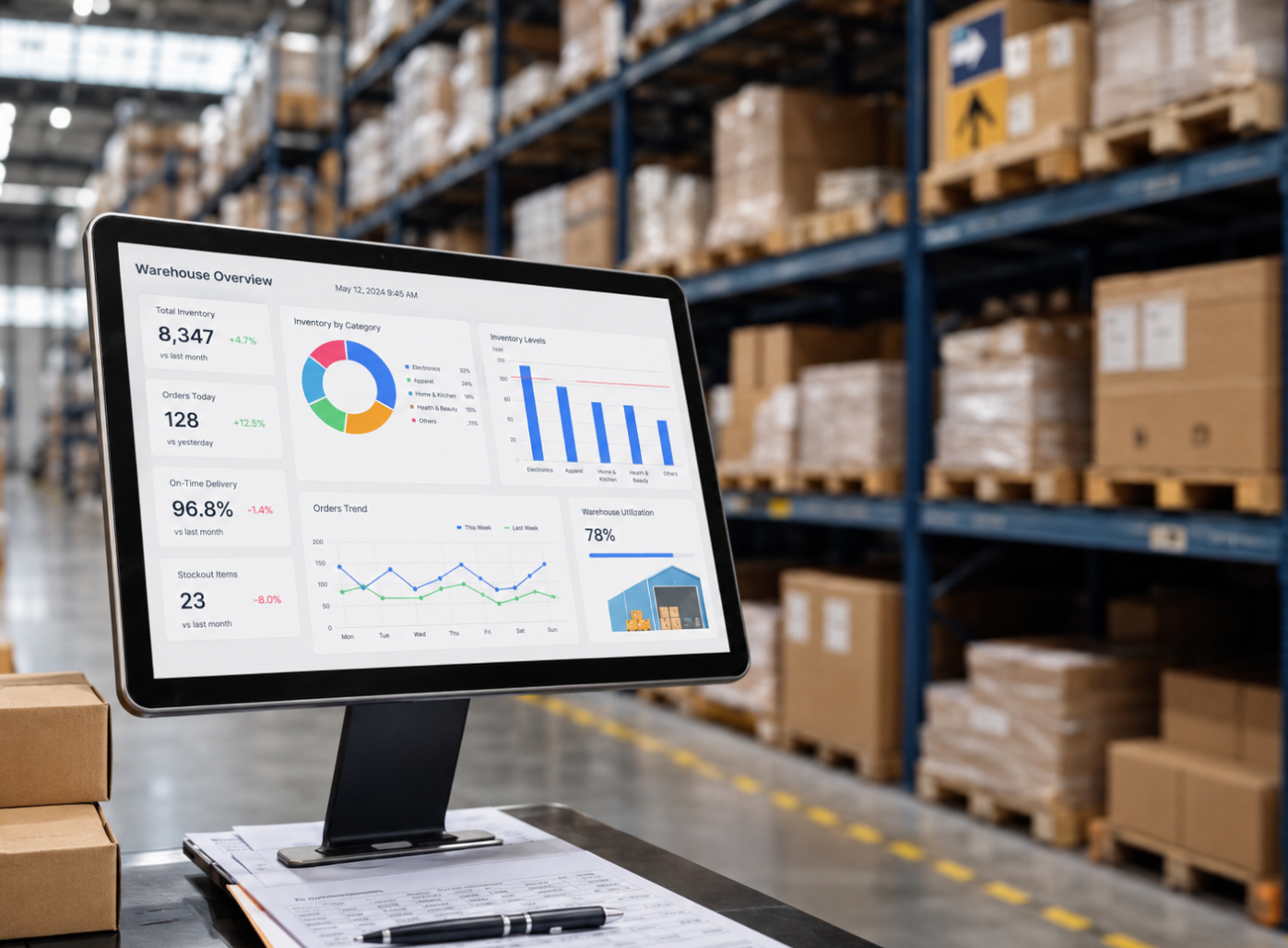
Tools such as Tableau and Microsoft Power BI help companies create dashboards that turn raw data into charts, filters, and visual reports. A sourcing team can track supplier performance, product margins, inventory turnover, delayed shipments, and category demand in one place. Instead of digging through separate files, decision-makers can see the most important signals quickly.
Cloud analytics platforms are useful for businesses that collect data from multiple systems, such as e-commerce stores, inventory management tools, supplier portals, accounting software, and advertising platforms. When these sources are connected properly, the business gains a more complete view of sourcing performance.
Machine learning tools can support predictive analysis, such as demand changes, stockout risk, supplier delays, or pricing shifts. These tools are most useful when the business already has clean, reliable data. Without good data quality, advanced analytics can produce misleading results.
Supplier Evaluation Through Data
Supplier selection is one of the most important parts of product sourcing. A supplier affects cost, quality, delivery speed, inventory planning, customer experience, and brand reputation. Data analytics gives businesses a more objective way to compare suppliers beyond price alone.
Useful supplier metrics may include on-time delivery rate, defect rate, return rate, communication speed, price stability, minimum order quantity, production capacity, lead time, and response during urgent situations. Over time, these metrics reveal which suppliers are dependable and which ones create hidden risk.
For example, a supplier with a slightly higher price may still be the better choice if it delivers consistently, keeps quality stable, and reduces customer complaints. Another supplier may offer attractive prices but create delays that cause stockouts and lost sales. Data helps reveal the real cost of each relationship.
Supplier analytics can also strengthen negotiations. When a business has clear data about order volume, defect rates, delivery performance, and market pricing, it can negotiate with more confidence. This creates a more professional sourcing relationship and encourages suppliers to maintain higher standards.
Real-World Examples of Data-Driven Sourcing
A fashion retailer may use analytics to study seasonal sales, customer returns, size demand, color preferences, and social media interest. Instead of ordering every style equally, the retailer can prioritize products that match real customer behavior. This may reduce unsold stock and improve sell-through rates.
An electronics seller may analyze search trends, competitor pricing, customer reviews, and supplier lead times to identify products with rising demand. By sourcing earlier and adjusting inventory before competitors react, the company can capture sales during the growth stage of a trend.
A beverage distributor may use delivery and warehouse data to understand which products move fastest in different regions. Instead of treating every location the same, the company can adjust sourcing and distribution based on local demand. This can reduce storage pressure and improve delivery efficiency.
These examples all point to the same lesson: data analytics is most valuable when it connects sourcing decisions to real market behavior. A product is not successful just because it looks promising. It becomes successful when demand, timing, quality, price, and supply chain execution align.
Common Challenges in Sourcing Analytics
One major challenge is data integration. Sourcing data often lives in different places: spreadsheets, supplier emails, order systems, accounting tools, e-commerce platforms, warehouse records, and advertising dashboards. If these systems do not connect, the business may struggle to see the full picture.
Data quality is another issue. If product names are inconsistent, supplier records are incomplete, delivery dates are missing, or return reasons are poorly categorized, analysis becomes unreliable. Clean data is not exciting work, but it is essential. Bad data can make a dashboard look professional while still leading to poor decisions.
A skills gap can also slow progress. Some companies have data but no one who knows how to interpret it. Others rely on reports but do not know which metrics matter. Training, hiring, or working with analytics consultants can help teams turn data into practical sourcing actions.
Finally, some teams resist data-driven decision-making because it changes familiar habits. A buyer may trust experience more than dashboards. A manager may not want to change supplier relationships. A company may collect data but still make decisions the old way. Building a data culture takes time and leadership support.
Data Quality Reminder
Analytics is only as good as the data behind it. Before investing in advanced dashboards or predictive models, make sure product names, supplier records, order history, return reasons, and inventory data are accurate and consistent.
Practical Strategies for Using Data in Product Sourcing
The first strategy is to define a clear goal. Do you want to reduce stockouts, improve supplier performance, increase profit margins, identify trending products, lower return rates, or shorten lead times? A clear goal helps decide which data matters and which tools are needed.
The second strategy is to start with a few important metrics. A sourcing team does not need to track everything at once. Useful starting metrics may include gross margin, sell-through rate, inventory turnover, lead time, defect rate, supplier delivery accuracy, and return rate. These numbers reveal whether sourcing decisions are helping or hurting the business.
The third strategy is to build repeatable dashboards. Instead of creating reports only when there is a problem, teams should review key sourcing indicators regularly. Weekly or monthly review meetings can help buyers, inventory teams, and managers spot issues early and make faster adjustments.
The fourth strategy is to connect analytics with action. If data shows that a supplier has frequent delays, the next step may be renegotiation, backup supplier planning, or adjusted reorder timing. If customer reviews show repeated complaints about packaging, sourcing should address packaging quality. Data has value only when it changes decisions.
Building a Data-Driven Sourcing Culture
A data-driven sourcing culture does not happen by installing software alone. People need to trust the data, understand the metrics, and see how analytics improves daily work. If dashboards are confusing or disconnected from real decisions, teams may ignore them.
Training is important. Buyers, inventory planners, and managers should understand how to read reports, question unusual patterns, and use data during supplier discussions. They do not all need to become data scientists, but they should be comfortable using evidence to support decisions.
Leadership also matters. When leaders ask for data before making sourcing decisions, teams learn that analytics is part of the process. When leaders reward better forecasting, cleaner data, and thoughtful supplier evaluation, data-driven habits become stronger.
Common Mistakes to Avoid
One common mistake is focusing only on low cost. Product sourcing is not just about finding the cheapest supplier. A lower price can be canceled out by poor quality, slow delivery, high returns, or weak communication. Total sourcing value matters more than unit price alone.
Another mistake is using too many metrics without clear priorities. A dashboard filled with dozens of charts may look impressive, but it can overwhelm the team. Focus on metrics that directly support sourcing decisions and business goals.
A third mistake is trusting data without checking context. A sudden sales spike may come from a temporary promotion, viral trend, or one-time event. If the business treats that spike as permanent demand, it may over-order. Data needs interpretation, not blind reaction.
Finally, avoid delaying action until the data is perfect. Data quality should improve over time, but sourcing teams can still begin with available information. Start small, learn from results, clean the data, and improve the system step by step.
Final Thoughts
Data analytics gives businesses a stronger way to manage product sourcing in a fast-changing market. It helps teams understand demand, compare suppliers, control inventory, identify trends, and make buying decisions with more confidence. In competitive categories, this clarity can make a significant difference.
The best results come from using analytics practically. Start with clear sourcing goals, clean the most important data, choose tools that match your team’s needs, and connect insights to real action. A dashboard is useful only when it helps people make better decisions.
Product sourcing will always involve uncertainty. Trends can change, suppliers can face delays, and customer behavior can shift. But with strong data analytics, businesses can reduce guesswork, respond faster, and build a sourcing process that is more resilient, profitable, and prepared for the future.
Final Reminder: Data analytics can improve product sourcing only when it is connected to clear business action. Track the right metrics, clean your data, compare suppliers beyond price, review demand signals regularly, and use insights to adjust purchasing, inventory, and supplier strategy before problems become expensive.