Cyber Security Software: A Practical Guide to Safer Digital Protection
Article Summary: Cyber security software helps protect computers, phones, business networks, personal data, and online accounts from threats such as viruses, malware, phishing, ransomware, unauthorized access, and data theft. Different tools serve different purposes: antivirus software detects malicious files, firewalls control network traffic, anti-malware tools block spyware and suspicious programs, encryption software protects sensitive data, and backup tools help restore files after an incident. Choosing the right solution depends on your devices, online habits, budget, privacy needs, and whether you are protecting personal use or business operations. Software is important, but it works best alongside strong passwords, regular updates, two-factor authentication, safe browsing habits, and basic awareness of common scams.
Almost everything we do now leaves a digital trail. We shop online, save files in the cloud, log in to banking apps, send work documents, use social media, store family photos, and connect personal devices to home Wi-Fi. This convenience is useful, but it also creates more opportunities for cyber threats to reach us.
Cyber threats do not always look dramatic. Sometimes they appear as a fake delivery message, a suspicious email attachment, a software download from an unknown website, a weak password, or a link that looks almost identical to a trusted login page. Other times, the attack is more advanced, targeting business systems, customer databases, or payment information.
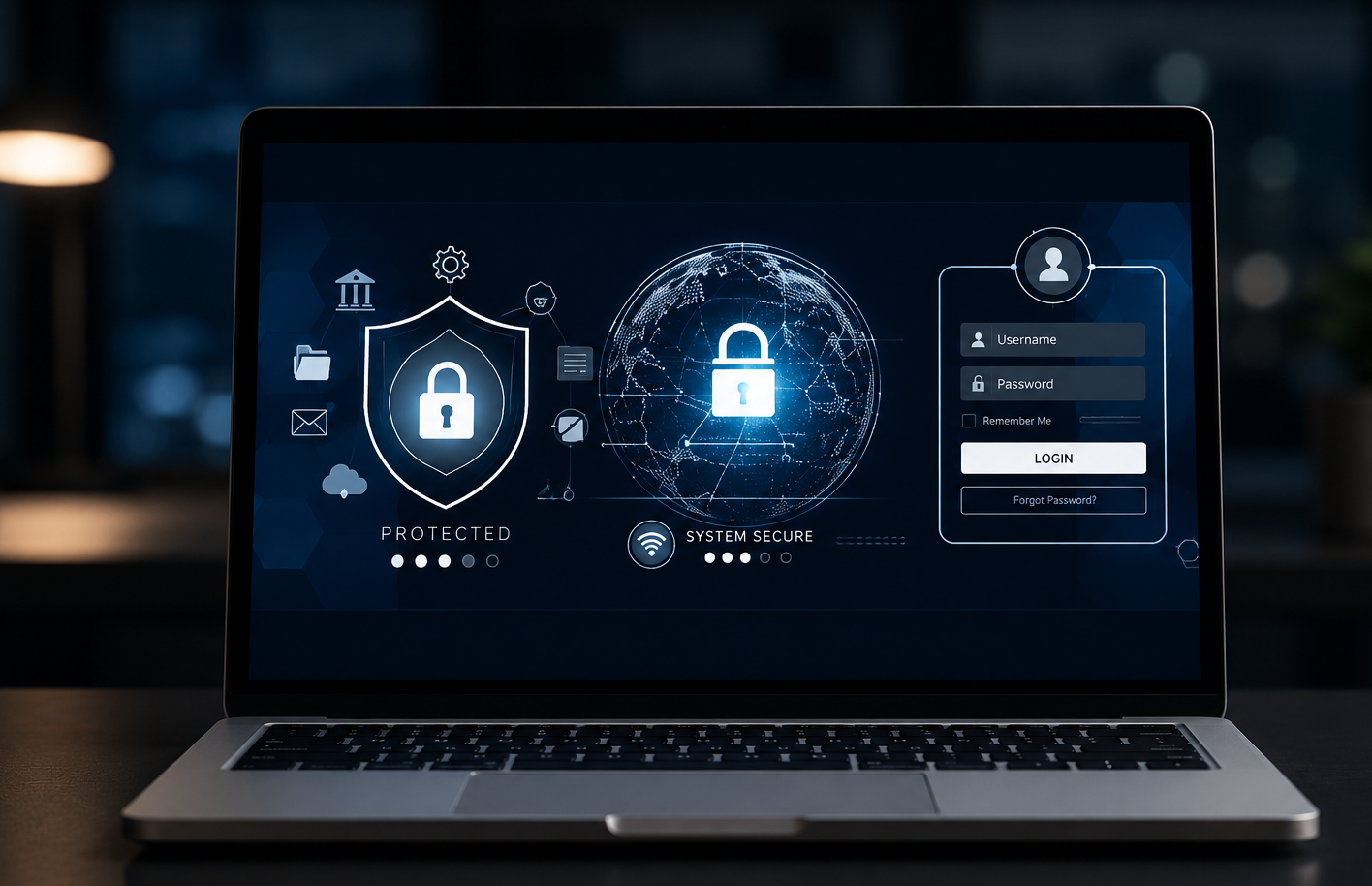
This is why cyber security software has become a basic layer of digital protection. It helps detect harmful files, block suspicious activity, secure private data, warn users about dangerous websites, and reduce the chance that one careless click becomes a serious problem.
However, cyber security software is not a magic shield. It cannot protect users who ignore updates, reuse weak passwords, click every link, or share sensitive information without checking the source. The strongest protection comes from combining good software with careful online behavior.
What Is Cyber Security Software?
Cyber security software refers to tools designed to protect digital devices, systems, networks, and data from online threats. These tools can scan files, monitor network traffic, detect suspicious behavior, block unauthorized access, encrypt information, and help users recover data after an attack or system failure.
For personal users, cyber security software may protect a laptop, smartphone, tablet, or home network. It may warn about unsafe websites, block malware, scan downloads, or help secure online banking activity. For businesses, cyber security software may protect employee devices, servers, cloud platforms, email systems, payment systems, and customer information.
The goal is not only to stop viruses. Modern cyber security software has to deal with many types of risks, including ransomware, spyware, phishing, malicious browser extensions, identity theft, unsafe Wi-Fi networks, data leaks, and suspicious login attempts. Because threats keep changing, security tools need regular updates to remain useful.
Common Types of Cyber Security Software
Cyber security software is a broad category. Some tools focus on stopping malicious files. Others protect network traffic, secure passwords, encrypt data, or create backups. Understanding the main types makes it easier to choose the right protection instead of buying software based only on advertising.
Many modern security products combine several of these tools into one package. A security suite may include antivirus protection, anti-malware scanning, firewall controls, web protection, email protection, VPN features, password tools, and parental controls. This can be convenient for home users who want one simple solution.
Businesses often need a more layered approach. A company may use endpoint protection for employee laptops, email security to stop phishing, network firewalls to control traffic, backup systems for recovery, and monitoring tools to detect suspicious activity. The right setup depends on the size of the organization and the sensitivity of the data being protected.
Why Cyber Security Software Matters
Cyber attacks can create real damage. A personal user may lose access to photos, documents, payment accounts, or social media profiles. A business may lose customer trust, suffer downtime, face financial loss, or deal with legal and compliance problems after sensitive data is exposed.
The most dangerous threats are not always obvious. A fake invoice may look professional. A phishing email may use a familiar brand name. A malicious website may appear normal. A harmful file may hide inside a document that seems harmless. Cyber security software helps provide a safety net when human attention is not enough.
For individuals, good security software can reduce anxiety and protect everyday digital life. For businesses, it also shows responsibility. Customers, partners, and employees expect companies to handle information carefully. Security software is part of that trust.
Security Reminder
Cyber security software is most effective when it is updated regularly. Old software may miss new threats, even if it worked well in the past. Turn on automatic updates whenever possible.
Signs You May Need Better Protection
Some users only think about cyber security after something goes wrong. But there are warning signs that your current protection may not be enough. If your device is suddenly slow, showing strange pop-ups, redirecting web searches, opening unknown programs, or sending unusual messages, malware could be involved.
Another sign is repeated suspicious login alerts. If you receive password reset emails you did not request, unknown login attempts, or security warnings from online services, you should take action quickly. This may mean changing passwords, enabling two-factor authentication, and scanning your devices.
Businesses may need stronger protection if they handle customer data, process payments, use remote work tools, store sensitive files in the cloud, or rely heavily on email communication. The more valuable the data, the more careful the protection strategy should be.
Key Features to Look For
Not all cyber security software is equal. Some tools are lightweight and simple. Others are full security suites with many features. The best choice depends on your needs, but there are several features worth checking before making a decision.
How to Choose the Right Cyber Security Software
Choosing the right cyber security software starts with understanding your situation. A casual home user who mainly browses, shops, and watches videos may need a different tool from a freelancer who stores client documents. A business with remote employees and customer data will need a stronger setup than a single personal laptop.
Start by listing your devices. Do you need protection for Windows, macOS, Android, iPhone, tablets, or multiple family devices? Some products cover only one device, while others offer multi-device plans. If you use several devices every day, a plan that covers all of them may be more practical.
Next, think about your online habits. If you frequently use public Wi-Fi, a VPN feature may be useful. If you manage many accounts, a password manager may be important. If you store sensitive files, encryption and backup tools deserve attention. If children use the devices, parental controls may matter.
Reviews and free trials can help, but look beyond star ratings. Consider ease of use, renewal pricing, privacy policy, customer support, update frequency, and how much the software slows your device. The best security product is one you will actually keep installed, updated, and configured properly.
Personal Users vs. Business Users
Personal users usually need protection for daily browsing, email, downloads, online shopping, banking, and family devices. The priorities are often simplicity, automatic protection, privacy, and affordable pricing. A security suite with antivirus, web protection, password tools, and basic firewall features may be enough for many households.
Businesses have broader concerns. They may need centralized management, employee device control, data loss prevention, endpoint detection, email security, cloud security, secure backups, compliance reporting, and incident response tools. A business also needs clear policies for employee access, remote work, software updates, and handling sensitive data.
The difference is not only size. A small business can still hold valuable information. Customer names, payment records, contracts, invoices, login credentials, supplier details, and internal files all need protection. Even a company with only a few employees should not rely on casual security habits alone.
Cyber Security Software Is Only One Layer
Good software is important, but it cannot replace safe behavior. Many cyber attacks succeed because users are tricked, not because the device has no security program. A convincing phishing email can still fool someone into entering a password on a fake website. A weak password can still be guessed. An outdated operating system can still contain known vulnerabilities.
This is why security habits matter. Use strong and unique passwords. Turn on two-factor authentication when possible. Keep operating systems, browsers, and apps updated. Avoid downloading software from unknown sources. Be careful with email attachments. Check website addresses before entering login or payment information.
Backups are also essential. Ransomware can lock files and demand payment. Device failure can destroy local data. Accidental deletion can remove important documents. A secure backup gives you a recovery path if something goes wrong.
Online Safety Tip
Treat cyber security as a layered system. Use trusted software, strong passwords, two-factor authentication, regular updates, safe browsing habits, and secure backups. No single tool can do everything alone.
Common Mistakes to Avoid
One common mistake is installing security software and never checking it again. Protection tools need updates, scans, and correct settings. If alerts are ignored or subscriptions expire, the software may not provide the protection users expect.
Another mistake is using multiple security programs that conflict with each other. More software does not always mean more protection. Running several antivirus tools at the same time can slow the device, cause errors, or reduce effectiveness. It is usually better to use one reliable primary solution.
A third mistake is choosing software only because it is free. Free tools can be useful, but they may have limited protection, fewer features, ads, weak support, or unclear privacy practices. The right choice should be based on trust, features, performance, and your real risk level.
Finally, many people ignore mobile security. Smartphones store banking apps, photos, messages, authentication codes, and location data. Mobile devices need updates, screen locks, app permission reviews, and protection against suspicious links just as much as computers do.
Final Thoughts
Cyber security software is now a basic part of digital life. It helps protect devices, data, online accounts, business systems, and personal privacy from a wide range of threats. As more of life moves online, the need for strong protection becomes even more important.
The best software depends on your needs. Some users need simple antivirus and web protection. Others need encryption, backup tools, VPN features, password management, email protection, or business-grade monitoring. The right solution should match your devices, habits, budget, and risk level.
But software is only one part of security. Strong passwords, two-factor authentication, regular updates, safe browsing, careful email habits, and reliable backups are just as important. When good tools and good habits work together, your digital life becomes much harder for attackers to compromise.
Final Reminder: Cyber security software should be trusted, updated, and matched to your real needs. Use it together with strong passwords, two-factor authentication, regular backups, safe downloads, and careful email behavior. The goal is not only to block threats, but to build a safer digital routine every day.