Thyroid Cancer: Symptoms, Types, Stages, Causes, Treatment Options, Prognosis, and Prevention
Article Summary: Thyroid cancer begins when abnormal cells grow inside the thyroid gland, a small butterfly-shaped gland in the lower front of the neck that helps regulate metabolism, body temperature, energy use, and hormone balance. Many thyroid cancers are found early because a person or doctor notices a lump or swelling in the neck. The most common types are papillary, follicular, medullary, and anaplastic thyroid cancer. Papillary and follicular thyroid cancers usually grow more slowly and often have excellent outcomes, while anaplastic thyroid cancer is rare but much more aggressive. Treatment commonly includes surgery, radioactive iodine therapy, thyroid hormone therapy, radiation, targeted therapy, or chemotherapy in selected cases. Although thyroid cancer is serious, many types are highly treatable, especially when diagnosed early and followed carefully after treatment.
Thyroid cancer can sound frightening at first, especially because the word “cancer” naturally brings fear and uncertainty. But thyroid cancer is not one single disease with one single outcome. Some types grow slowly and respond very well to treatment, while others are more aggressive and need faster, more intensive care.
Many people first become aware of a thyroid problem when they notice a small lump in the front of the neck, feel pressure when swallowing, develop hoarseness, or have a thyroid nodule found during a routine physical exam or imaging test. In many cases, thyroid nodules are not cancer. Still, any new or persistent neck swelling should be evaluated because early diagnosis can make treatment simpler and more effective.
This guide explains what thyroid cancer is, how the thyroid gland works, the main types of thyroid cancer, symptoms to watch for, staging, risk factors, treatment options, possible complications, prognosis, prevention tips, and common questions people often have after diagnosis.
Medical Reminder: This article is for general educational purposes only and should not replace medical advice. If you notice a lump in your neck, persistent hoarseness, trouble swallowing, neck swelling, unexplained throat pain, or breathing difficulty, speak with a healthcare professional.
What Is Thyroid Cancer?
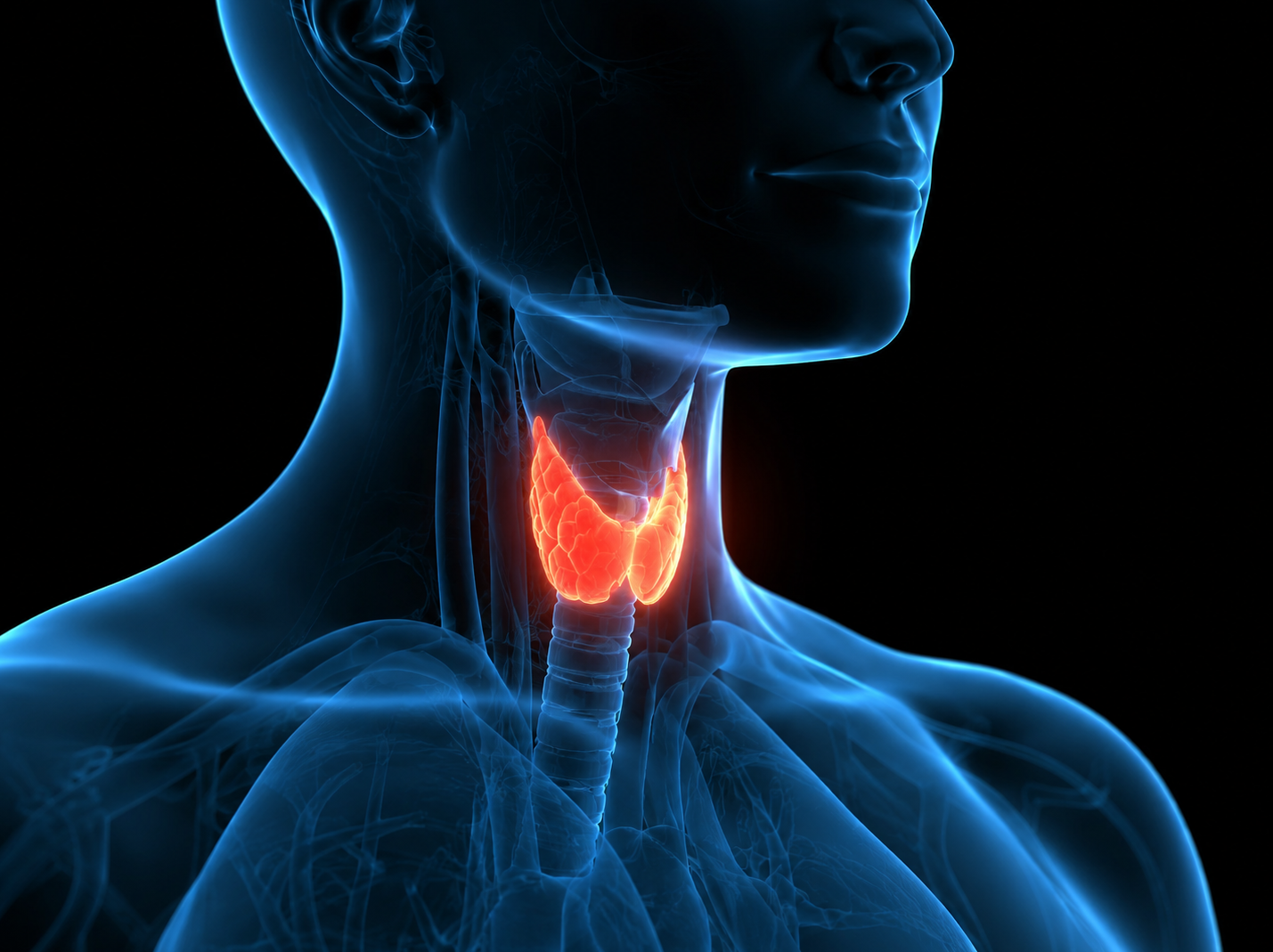
Thyroid cancer is cancer that starts in the thyroid gland. The thyroid is a small gland located in the lower front part of the neck. It has two lobes, one on each side of the windpipe, connected by a narrow bridge of tissue called the isthmus. Because of this shape, the thyroid is often described as butterfly-shaped.
The thyroid makes hormones that help control metabolism. These hormones influence how the body uses energy, produces heat, consumes oxygen, and keeps many internal systems working steadily. When abnormal thyroid cells mutate and begin multiplying in an uncontrolled way, they can form a tumor or mass inside the gland.
Simple Explanation
Thyroid cancer happens when cells in the thyroid gland change, grow abnormally, and form a tumor. Many thyroid cancers grow slowly and are very treatable, especially when found before they spread far from the thyroid.
Why the Thyroid Gland Matters
The thyroid is small, but its hormones affect the entire body. When thyroid hormone levels are too high or too low, people may notice changes in energy, heart rate, weight, body temperature, digestion, mood, menstrual cycles, and overall metabolism. Thyroid cancer does not always disrupt hormone levels at first, which is one reason symptoms can be subtle early on.
In many people, the first sign is not a hormone problem but a physical change, such as a lump in the neck. That lump may be a benign thyroid nodule, a cyst, an enlarged gland, or cancer. A proper exam and testing are needed to tell the difference.
Metabolism
Thyroid hormones help regulate how quickly the body uses energy.
Temperature and Energy
The thyroid helps influence heat production, oxygen use, and energy balance.
Neck Anatomy
Because the thyroid sits near the windpipe, food pipe, and voice nerves, growths may affect swallowing or voice.
Main Types of Thyroid Cancer
Thyroid cancer is classified by the type of thyroid cell involved and how the cancer behaves under the microscope. This matters because different types grow differently, spread differently, and respond to different treatments.
The four main types are papillary, follicular, medullary, and anaplastic thyroid cancer. Papillary thyroid cancer is by far the most common and usually has an excellent prognosis. Anaplastic thyroid cancer is rare but much more aggressive.
Well-Differentiated vs. Undifferentiated Thyroid Cancer
Doctors may also describe thyroid cancer cells as well-differentiated or undifferentiated. This refers to how much the cancer cells still look and behave like normal thyroid cells. Well-differentiated cancers tend to grow more slowly and often respond better to treatment.
Papillary and follicular thyroid cancers are usually considered well-differentiated. Anaplastic thyroid cancer is undifferentiated, which helps explain why it tends to spread quickly and requires more urgent treatment.
What this means in plain language
Well-differentiated
Cells still resemble thyroid cells and often grow more slowly. These cancers are generally more treatable.
Undifferentiated
Cells look less like normal thyroid cells and may grow quickly. These cancers often need more aggressive care.
Symptoms of Thyroid Cancer
Early thyroid cancer often causes no symptoms. That is why some cases are found during routine exams, imaging tests, or evaluations for unrelated neck issues. When symptoms do appear, they often come from a growing thyroid lump pressing on nearby structures.
A lump in the neck is one of the most common reasons people seek medical care. Most thyroid nodules are benign, but a persistent or growing lump should be checked. Other symptoms may include changes in voice, difficulty swallowing, throat discomfort, or a cough that does not seem related to a cold.
Possible signs and symptoms
✓ A lump or swelling in the neck.
✓ Neck or throat pain.
✓ Hoarseness or voice changes.
✓ Trouble swallowing.
✓ A persistent cough not caused by infection.
✓ Pressure or discomfort in the lower front of the neck.
✓ Enlarged lymph nodes in the neck.
✓ Breathing difficulty in more advanced or compressive cases.
When to See a Doctor
Make an appointment if you notice a new neck lump, a lump that grows, persistent hoarseness, trouble swallowing, unexplained throat pain, or swelling in the neck. Seek urgent care if neck swelling causes trouble breathing.
Thyroid Cancer Staging: What TNM Means
Staging helps doctors describe how large the cancer is and whether it has spread. The staging system most often used is the AJCC TNM system. TNM stands for tumor, nodes, and metastasis. These three pieces of information help guide treatment planning and prognosis.
Thyroid cancer staging can be more complex than some other cancers because age and cancer type can influence how stages are assigned. Still, the basic idea is simple: lower stages usually mean the cancer is more localized, while higher stages mean it has spread more deeply or to distant organs.
Simplified Thyroid Cancer Stages
Cancer stages usually range from I to IV. A lower number often means the cancer is smaller or has not spread far. A higher number means the cancer may have invaded nearby tissues, spread to lymph nodes, or reached distant organs.
Causes and Risk Factors
In most people, thyroid cancer develops because of acquired gene mutations. This means the DNA changes happen during a person’s life rather than being inherited directly from parents. These changes are usually random and not something a person caused.
Some thyroid cancers are linked with inherited genetic syndromes, especially medullary thyroid cancer. Other risk factors include radiation exposure, family history, iodine deficiency in certain regions, sex, age, race, and excess body weight.
Who Is More Likely to Get Thyroid Cancer?
Thyroid cancer can affect anyone, but some groups have higher risk. It is more common in women than men, although men who develop thyroid cancer are often diagnosed at older ages. Age patterns vary by type, and family history may matter in some cases.
Sex
Thyroid cancer is more common in women than men, though the reason is not fully understood.
Age
It is often diagnosed in adults, with patterns varying between women and men.
Family History
A close family history of thyroid cancer or certain inherited syndromes may increase risk.
How Thyroid Cancer Is Diagnosed
There is no routine screening test for thyroid cancer for everyone. Many cases are found during a physical exam, ultrasound, imaging for another reason, or evaluation of a neck lump. If a thyroid nodule is found, the next steps depend on its size, appearance, and risk factors.
Doctors may use ultrasound to look at the thyroid and nearby lymph nodes. Blood tests can check thyroid function and certain markers, although normal thyroid hormone levels do not rule out cancer. If a nodule looks suspicious, a fine-needle aspiration biopsy may be done to collect cells for examination.
Common diagnostic steps
| Physical exam | Checks for neck lumps, thyroid enlargement, and swollen lymph nodes. |
| Ultrasound | Shows thyroid nodules, their size, structure, and suspicious features. |
| Blood tests | May check thyroid function, calcitonin in selected cases, or other markers. |
| Fine-needle aspiration biopsy | Uses a thin needle to collect cells from a thyroid nodule for testing. |
| Imaging for spread | CT, MRI, radioactive iodine scan, or other tests may be used depending on the case. |
Treatment Options for Thyroid Cancer
Treatment depends on the type of thyroid cancer, stage, tumor size, lymph node involvement, age, overall health, and personal preferences. Many people receive more than one type of treatment. Surgery is often the main treatment, especially for common thyroid cancer types.
The goal is to remove or destroy cancer cells, reduce the chance of recurrence, maintain safe hormone levels, and monitor for any signs that cancer has returned. Follow-up care is an important part of thyroid cancer management because some types can come back years later.
Surgery: Lobectomy vs. Thyroidectomy
Surgery is part of treatment for many thyroid cancers. A lobectomy removes one lobe of the thyroid, usually when the cancer is limited to one side and meets certain criteria. A total thyroidectomy removes the entire thyroid gland.
If the entire thyroid is removed, lifelong thyroid hormone replacement is usually needed. If only one lobe is removed, some people can still make enough thyroid hormone with the remaining thyroid tissue, although follow-up blood tests are important.
Before Surgery
Ask your surgeon how many thyroid operations they perform, whether lymph nodes may need removal, what voice-related risks exist, how calcium levels will be monitored, and whether you will likely need lifelong thyroid hormone medication.
Radioactive Iodine and Thyroid Hormone Therapy
Radioactive iodine therapy is commonly used in selected thyroid cancers because thyroid cells naturally absorb iodine. After surgery, radioactive iodine can help destroy remaining thyroid tissue or thyroid cancer cells that still take up iodine. It is more useful for differentiated thyroid cancers, such as papillary and follicular types.
Thyroid hormone therapy may serve two purposes. First, it replaces the hormone the body can no longer make after thyroid removal. Second, in some cases, doctors use carefully adjusted doses to lower thyroid-stimulating hormone, or TSH, because TSH can stimulate thyroid tissue and possibly thyroid cancer cells.
Treatment Follow-Up Tip
After thyroid cancer treatment, follow-up blood tests and imaging are often just as important as the initial treatment. They help your care team monitor hormone levels, medication dose, and signs of recurrence.
Possible Complications of Thyroid Cancer and Treatment
Untreated thyroid cancer can grow into nearby structures or spread to lymph nodes and distant organs. Treatment is designed to prevent this, but treatment itself can have side effects. Surgery, for example, can affect nearby nerves or parathyroid glands.
Complications are less common when care is provided by experienced thyroid specialists, but patients should understand what to watch for. Voice changes, low calcium symptoms, and long-term hormone management are especially important after thyroid surgery.
Thyroid Cancer Prognosis
The outlook for thyroid cancer is generally very good, especially for papillary and follicular thyroid cancers. Many people are treated successfully and continue normal lives with long-term follow-up. Prognosis depends heavily on the type of cancer, stage at diagnosis, age, spread, and response to treatment.
Survival statistics are useful for understanding general patterns, but they cannot predict exactly what will happen to one individual. A doctor who knows the person’s exact diagnosis, pathology report, imaging, genetic markers, and treatment response can give more personalized guidance.
Can Thyroid Cancer Be Prevented?
Most thyroid cancers cannot be fully prevented because many arise from random acquired gene mutations. Still, some risk-reduction steps are reasonable. Avoiding unnecessary radiation exposure, maintaining a healthy body weight, and seeking genetic counseling if medullary thyroid cancer runs in the family may help in certain situations.
Prevention and risk-reduction checklist
✓ Avoid unnecessary radiation exposure when possible.
✓ Ask about shielding during medical or dental imaging when appropriate.
✓ Maintain a healthy body weight.
✓ Tell your doctor about family history of thyroid cancer.
✓ Consider genetic testing if medullary thyroid cancer runs in the family.
✓ Do not ignore persistent neck swelling or voice changes.
Ozempic, Semaglutide, and Thyroid Cancer Concerns
Semaglutide is used for type 2 diabetes and weight management under brand names such as Ozempic, Wegovy, and Rybelsus. These medications carry a warning related to thyroid C-cell tumors seen in animal studies. Because of this, people with a personal or family history of medullary thyroid cancer or certain inherited endocrine syndromes should discuss risks carefully with their doctor before using these drugs.
Current human data are still being studied, and individual risk depends on personal medical history. The most important practical step is transparency: tell your doctor if you or a close family member has had medullary thyroid cancer, multiple endocrine neoplasia type 2, thyroid nodules, or unexplained neck swelling.
Medication Safety Note
Do not stop or start diabetes or weight-loss medication based only on online information. If you have thyroid cancer history, family history of medullary thyroid cancer, or MEN2 risk, discuss medication safety directly with your healthcare provider.
Life After Thyroid Cancer Treatment
Many people live well after thyroid cancer treatment, but follow-up care is important. If the thyroid is removed, thyroid hormone medication becomes part of daily life. The dose may need adjustment over time based on blood tests, symptoms, age, heart health, bone health, and recurrence risk.
Follow-up may include blood tests, neck ultrasound, physical exams, and sometimes additional imaging. People often feel relieved after treatment but may still worry about recurrence. This is normal. A clear follow-up plan can make recovery feel more manageable.
Long-Term Care Tip
Keep a record of your surgery report, pathology report, radioactive iodine treatment details, medication dose, blood test trends, and ultrasound results. These documents can be very helpful if you change doctors later.
Questions to Ask Your Doctor
What type of thyroid cancer do I have?
What stage is it, and what does that mean for my treatment?
Has the cancer spread to lymph nodes or other parts of the body?
Do I need a lobectomy or total thyroidectomy?
Will lymph nodes need to be removed?
Will I need radioactive iodine therapy after surgery?
Will I need thyroid hormone medication for life?
How will my calcium levels and voice be monitored after surgery?
Do I need genetic testing, especially for medullary thyroid cancer?
How often will I need blood tests, ultrasound, or follow-up visits?
Frequently Asked Questions About Thyroid Cancer
Is thyroid cancer serious?
Yes, it is serious because it is cancer and requires proper diagnosis, treatment, and follow-up. However, many thyroid cancers, especially papillary and follicular types, are highly treatable and often have excellent outcomes.
Is thyroid cancer always curable?
Not always. Curability depends on the type, stage, spread, and response to treatment. The most common types have very high cure and survival rates, while rare aggressive types are more difficult to treat.
What is usually the first sign of thyroid cancer?
A lump or swelling in the neck is one common first sign. Some people also notice hoarseness, difficulty swallowing, throat discomfort, or enlarged lymph nodes. Many cases are found during routine exams or imaging.
Can thyroid cancer come back after thyroid removal?
Yes. Thyroid cancer can return even years after treatment, especially because some types grow slowly. Long-term follow-up with blood tests and imaging is important even after a total thyroidectomy.
Will I need medication forever after thyroid cancer surgery?
If the entire thyroid is removed, you will usually need lifelong thyroid hormone medication. If only one lobe is removed, you may or may not need medication depending on how well the remaining thyroid works.
Can smoking cause thyroid cancer?
Smoking is strongly linked to several cancers, especially lung cancer. Some studies have reported unusual associations between smoking and thyroid cancer risk, but this should never be seen as a reason to smoke. Avoiding smoking remains one of the most important steps for overall cancer prevention.
Final Thoughts: Thyroid Cancer Is Serious, but Often Highly Treatable
Thyroid cancer begins in a small gland, but the diagnosis can feel big. The good news is that many thyroid cancers are found early and respond well to treatment. Papillary and follicular thyroid cancers, in particular, often have excellent long-term outcomes when treated and monitored properly.
The most important step is getting the right diagnosis. A neck lump, hoarseness, swallowing trouble, or suspicious thyroid nodule should not be ignored. Ultrasound, biopsy, blood tests, and specialist evaluation can help determine whether a thyroid growth is harmless, needs monitoring, or requires treatment.
After treatment, long-term follow-up matters. Thyroid hormone levels, recurrence monitoring, voice changes, calcium levels, and overall wellbeing all deserve attention. With a clear care plan and regular checkups, many people continue to live active, healthy lives after thyroid cancer.
Final Reminder: Thyroid cancer is often treatable, especially when found early, but it still requires proper evaluation and follow-up. A persistent neck lump, voice change, swallowing difficulty, or suspicious thyroid nodule should be checked by a healthcare professional.