Blood Thinner Basics: Types, Benefits, Side Effects, Safety Tips, and What Patients Should Know
Article Summary: Blood thinners are medicines that help prevent dangerous blood clots from forming or getting larger. They are often prescribed for people with atrial fibrillation, previous heart attack or stroke, blood clotting disorders, heart valve procedures, or a higher risk of deep vein thrombosis and pulmonary embolism. Although these medicines can be lifesaving, they also increase the risk of bleeding. This guide explains the main types of blood thinners, how they work, why doctors prescribe them, possible side effects, food and medication interactions, alcohol safety, pregnancy considerations, warning signs, and everyday habits that can help patients use them more safely.
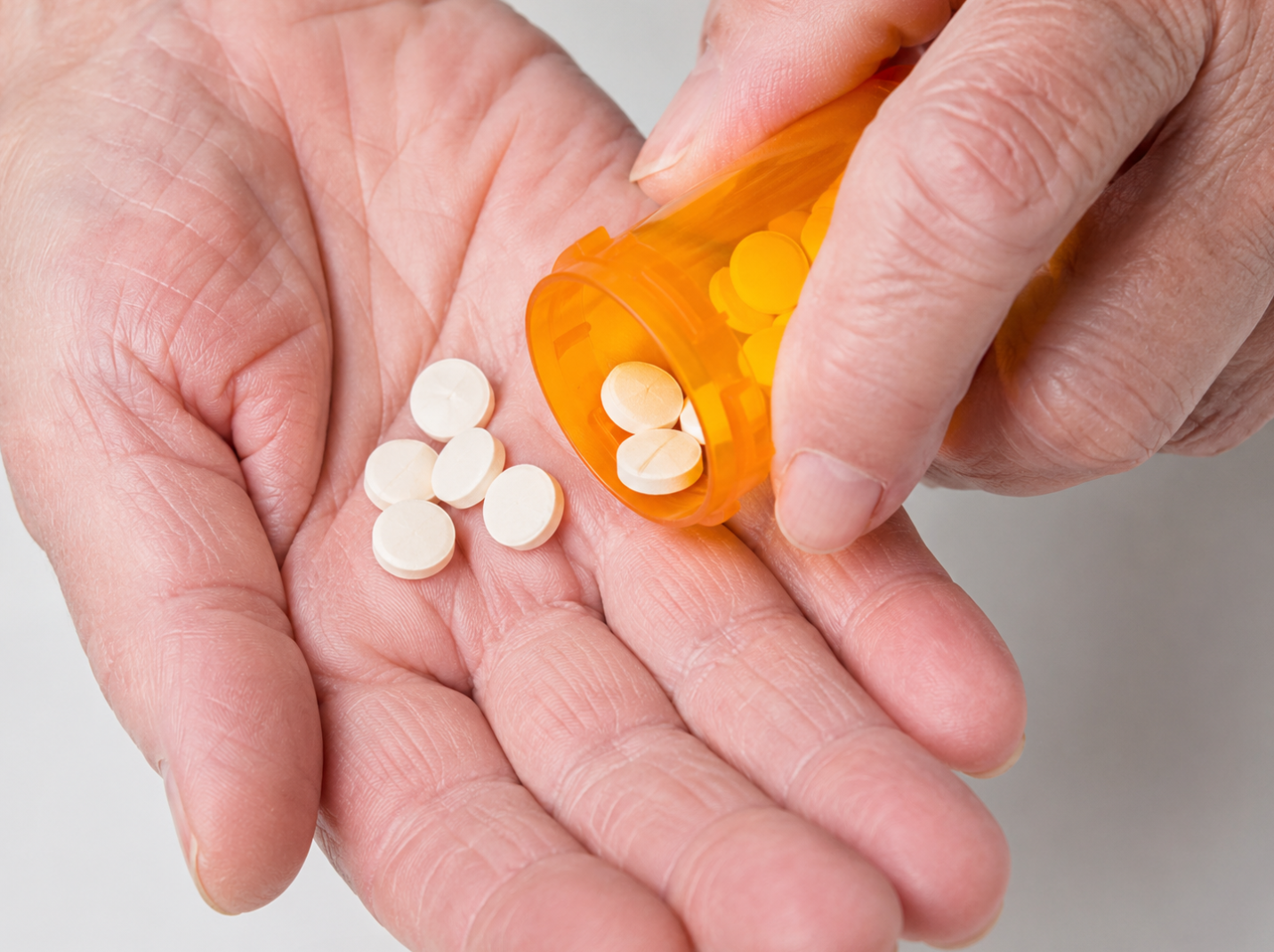
Blood thinners are among the most important medicines used to prevent serious cardiovascular events. They do not actually make the blood “thin” like water. Instead, they reduce the blood’s ability to form clots too easily. For people at risk of stroke, heart attack, deep vein thrombosis, pulmonary embolism, or clot-related complications after surgery, that protection can be lifesaving.
At the same time, blood thinners require respect. The same medicine that helps prevent harmful clots can also make bleeding harder to stop. A small cut may bleed longer than usual. A bruise may look larger. A fall or head injury may become more concerning because internal bleeding is possible even when the skin is not broken.
That does not mean blood thinners are unsafe for everyone. For many patients, the benefits clearly outweigh the risks. But safe use depends on understanding the medicine, following the prescribed dose, watching for warning signs, avoiding risky combinations, and keeping doctors, dentists, and pharmacists informed.
Important Health Note: This article is for general educational purposes only. Blood thinners should only be used under medical supervision. Never start, stop, skip, double, or change your dose without speaking with your healthcare provider, because doing so may increase the risk of bleeding or dangerous blood clots.
What Are Blood Thinners?
Blood thinners are medicines that reduce the chance of blood clots forming inside blood vessels. A clot can be useful when you cut yourself because it helps stop bleeding. But when a clot forms in the wrong place, such as inside a vein, artery, heart chamber, or lung blood vessel, it can become dangerous.
A blood clot can block blood flow to important organs. If a clot blocks blood flow to the brain, it can cause a stroke. If it blocks blood flow to the heart, it can cause a heart attack. If a clot forms in the deep veins of the legs and travels to the lungs, it can cause a pulmonary embolism, which can be life-threatening.
Doctors prescribe blood thinners when the risk of clotting is high enough that medication is needed to lower that risk. The exact medicine depends on the patient’s diagnosis, age, kidney function, bleeding risk, other medicines, pregnancy status, medical history, and treatment goals.
Simple Explanation
Blood thinners do not dissolve every clot instantly and do not literally thin the blood. They mainly help prevent new clots from forming and stop existing clots from getting larger while the body gradually manages the clot.
The Two Main Types of Blood Thinners
Blood thinners are generally grouped into two major categories: anticoagulants and antiplatelets. Both help reduce clot formation, but they work in different ways. This distinction matters because these medicines are used for different conditions and have different safety considerations.
Key Difference: Anticoagulants interfere with the clotting cascade, while antiplatelets mainly reduce platelet clumping. Both can increase bleeding risk, so they should be taken exactly as prescribed.
Common Anticoagulant Medicines
Anticoagulants are often used when clots are likely to form in veins or inside the heart. Some anticoagulants are taken as pills, while others are given by injection or through an IV. The right choice depends on the reason for treatment, how quickly the medicine needs to work, kidney function, cost, convenience, and whether regular blood monitoring is needed.
Warfarin has been used for many years and requires regular blood testing to keep the dose in a safe range. Newer oral anticoagulants, sometimes called direct oral anticoagulants, may not require the same routine INR monitoring, but they still require careful use and medical follow-up.
Warfarin
A long-used anticoagulant that requires INR monitoring and attention to vitamin K intake.
DOACs
Medicines such as apixaban, rivaroxaban, dabigatran, and edoxaban are used for selected patients.
Injectable Anticoagulants
Heparin, enoxaparin, dalteparin, and fondaparinux may be used in hospitals, after surgery, or during certain transitions.
Common Antiplatelet Medicines
Antiplatelet medicines are often used when the risk involves clots forming in arteries. Arterial clots are commonly involved in heart attacks and some strokes. Platelets play a major role in these clots, which is why antiplatelet therapy can be important for people with coronary artery disease, previous heart attack, stroke risk, or stents.
Aspirin is one of the best-known antiplatelet medicines, but it is not appropriate for everyone. Other antiplatelets, such as clopidogrel, prasugrel, and ticagrelor, may be used depending on the condition and the doctor’s plan. Some patients may need dual antiplatelet therapy for a period of time after a stent, but this should be guided carefully by a cardiologist.
Who May Need Blood Thinners?
Blood thinners are prescribed when a doctor believes the risk of clotting is greater than the risk of bleeding. This decision is individualized. Two people with the same condition may not always receive the same medicine because age, kidney function, prior bleeding, other medications, and overall health all matter.
Some people need blood thinners temporarily, such as after surgery or after a clot is diagnosed. Others may need them long term, such as people with certain types of atrial fibrillation or mechanical heart valves. The duration of treatment should always be clarified with the prescribing doctor.
Blood Thinners and Atrial Fibrillation
Atrial fibrillation, often called AFib, is one of the most common reasons blood thinners are prescribed. In AFib, the upper chambers of the heart beat irregularly. This can cause blood to move less smoothly through the heart, which may allow clots to form.
If a clot leaves the heart and travels to the brain, it can cause a stroke. For that reason, anticoagulants are often considered for people with AFib who have enough stroke risk factors. The decision is based on an individual risk assessment, not simply the diagnosis alone.
AFib treatment may also include medicines or procedures to control heart rate, restore rhythm, or manage related conditions such as high blood pressure, sleep apnea, or heart disease. Blood thinners are one part of the broader treatment plan when stroke prevention is needed.
AFib Reminder: Not every person with atrial fibrillation needs the same blood thinner plan. Stroke risk, bleeding risk, age, kidney function, heart valve history, and other medications all influence the decision.
Common Side Effects of Blood Thinners
The most important side effect of blood thinners is bleeding. This can be mild, such as easy bruising or longer bleeding from small cuts. It can also be serious, such as bleeding in the stomach, brain, urine, stool, lungs, or after an injury.
Some blood thinners may cause stomach upset, nausea, diarrhea, or other side effects. Heparin used over longer periods may affect bone strength in some cases. Warfarin has rare but serious possible complications, which is one reason monitoring and medical supervision are essential.
Emergency Warning: Call emergency services or seek urgent care after a serious fall, head injury, uncontrolled bleeding, vomiting blood, coughing blood, black or bloody stool, sudden severe headache, chest pain, sudden weakness, confusion, or trouble speaking.
Blood Thinners in Older Adults
Older adults often benefit from blood thinners, but they may also need extra monitoring. People over 65 are more likely to take several medications, have kidney function changes, experience falls, or have medical conditions that affect bleeding risk.
This does not mean older adults should avoid blood thinners automatically. In many cases, these medicines prevent serious strokes or clots. But medication review is especially important. Doctors need to know about prescriptions, over-the-counter drugs, vitamins, herbal products, pain relievers, and supplements.
Older Adult Safety Tip: If you take a blood thinner and are at risk of falling, talk with your doctor about fall prevention, home safety, medication review, vision checks, and whether your current blood thinner plan is still the best option.
Warfarin, INR Testing, and Vitamin K
Warfarin works by interfering with vitamin K-dependent clotting factors. Because of this, people taking warfarin usually need regular INR blood tests. The INR test helps show how long it takes the blood to clot and whether the warfarin dose is too low, too high, or in the target range.
Vitamin K is not “bad,” and people on warfarin do not usually need to avoid every vitamin K food. The key is consistency. A sudden large increase or decrease in vitamin K intake can affect how warfarin works. Green leafy vegetables, broccoli, soybeans, edamame, and some oils contain vitamin K, so patients should discuss diet habits with their healthcare team.
What to Avoid or Use Carefully While Taking Blood Thinners
Blood thinners can interact with everyday medicines, supplements, foods, and activities. Some interactions increase bleeding risk, while others make the blood thinner less effective. Because the details vary by medication, it is best to ask your doctor or pharmacist what applies to your specific prescription.
Pain relievers deserve special attention. Aspirin, ibuprofen, and naproxen can increase bleeding risk for many people taking blood thinners. Acetaminophen may be safer for some patients, but it still needs to be used correctly because too much can harm the liver and may affect warfarin in some situations.
Blood Thinners and Alcohol
Alcohol can increase bleeding risk in several ways. It may affect how the body processes certain medicines, increase the chance of stomach irritation, and raise the risk of falls or injuries. Heavy drinking can be especially risky for people taking blood thinners.
Some patients may be told to avoid alcohol completely. Others may be allowed small amounts. Because the answer depends on the medication, liver health, age, fall risk, and other conditions, it is best to ask the prescribing doctor what is safe for you.
Alcohol Reminder: Do not assume moderate alcohol is safe with every blood thinner. Ask your doctor or pharmacist about your specific medicine and personal risk factors.
Everyday Safety Tips While Taking Blood Thinners
Living with a blood thinner does not mean living in fear. It means being thoughtful about bleeding risk. Small changes in daily habits can reduce injuries and make it easier to manage minor bleeding.
Use Gentle Dental Tools
Choose a soft toothbrush and waxed floss to reduce gum bleeding.
Switch to an Electric Razor
This may reduce cuts while shaving.
Protect Against Falls
Wear supportive shoes, remove loose rugs, and use lights at night.
Carry Medication Information
Use a medical alert bracelet or carry a card listing your blood thinner.
Blood Thinners and Pregnancy
Pregnancy changes clotting risk, and some blood thinners are safer in pregnancy than others. People who take blood thinners and are planning pregnancy should speak with their doctor before trying to conceive. Some medicines may need to be changed before or during pregnancy.
If you become pregnant while taking a blood thinner, contact your healthcare provider promptly. Do not stop suddenly unless instructed, because stopping can also be dangerous depending on why the medicine was prescribed.
Pregnancy Reminder: Blood thinner decisions during pregnancy should be personalized. The safest plan depends on the reason for treatment, pregnancy stage, clot risk, bleeding risk, and the specific medication.
Natural Blood Thinners: What to Know Before Trying Them
Many foods, herbs, and supplements are described online as “natural blood thinners.” Some may have mild anticoagulant or antiplatelet effects, but they are not substitutes for prescribed blood thinner medication. They can also interact with prescriptions and increase bleeding risk.
Examples often discussed include garlic, ginger, ginkgo biloba, turmeric, feverfew, cranberry, pomegranate, chamomile, red clover, and other supplements. The problem is that supplement strength, purity, dose, and effect can vary. More “natural” does not always mean safer, especially when combined with prescription medicines.
Important Warning: Do not replace prescribed blood thinners with foods, juices, herbs, or supplements. Always ask your doctor before adding supplements, especially if you take warfarin, apixaban, rivaroxaban, dabigatran, aspirin, clopidogrel, or similar medicines.
When to Call Your Doctor
People taking blood thinners should know two kinds of warning signs: signs of bleeding and signs of a possible clot. Bleeding signs may mean the medicine is too strong, an injury has occurred, or another medical problem is present. Clot symptoms may mean the medicine is not working well enough, was missed, or a new problem has developed.
Call a Doctor Promptly If You Notice:
Unusual bruising or bruises that keep getting larger.
Nosebleeds or gum bleeding that is hard to stop.
Heavier-than-normal menstrual bleeding.
Blood in urine or stool.
Black, tarry, or very dark stools.
Vomiting blood or material that looks like coffee grounds.
Severe headache, dizziness, weakness, fainting, or confusion.
Chest pain, shortness of breath, swollen calf, or sudden one-sided weakness.
Questions to Ask Before Starting a Blood Thinner
Starting a blood thinner can feel intimidating, especially if you are worried about bleeding. A clear conversation with your healthcare provider can make the plan easier to follow. It is helpful to write down questions before the appointment.
Frequently Asked Questions About Blood Thinners
Is Tylenol a blood thinner?
Acetaminophen, commonly known as Tylenol, is not considered a blood thinner. However, it still must be taken according to directions, and people on warfarin or with liver concerns should ask their doctor about safe dosing.
Can I stop my blood thinner before dental work?
Do not stop it on your own. Your dentist and prescribing doctor should coordinate the plan, because stopping may increase clot risk and continuing may require bleeding precautions.
Do blood thinners dissolve clots?
Most blood thinners help prevent clots from getting bigger and reduce the chance of new clots. The body may gradually break down the clot over time. Special clot-busting medicines are different and used only in specific emergencies.
Are natural blood thinners safer than medication?
Not necessarily. Herbs, supplements, and certain foods can interact with prescribed medicines and increase bleeding risk. They should not replace prescribed treatment.
Final Thoughts: Blood Thinners Can Save Lives, But They Need Careful Use
Blood thinners play a powerful role in preventing dangerous clots, strokes, heart attacks, and clot-related complications. For many people, these medicines are a key part of staying healthy and avoiding life-threatening events.
The tradeoff is bleeding risk. That risk can often be managed with careful dosing, regular follow-up, smart daily habits, awareness of warning signs, and good communication with healthcare providers. The safest patients are usually the ones who understand their medicine and speak up when something changes.
If you take a blood thinner, keep an updated medication list, tell every healthcare professional about it, avoid unapproved supplements or pain relievers, and ask what to do before procedures. Small precautions can make a major difference.
Final Reminder: Blood thinners should be taken exactly as prescribed. They can protect you from dangerous clots, but they also require attention to bleeding signs, medication interactions, fall prevention, and regular communication with your healthcare team.