
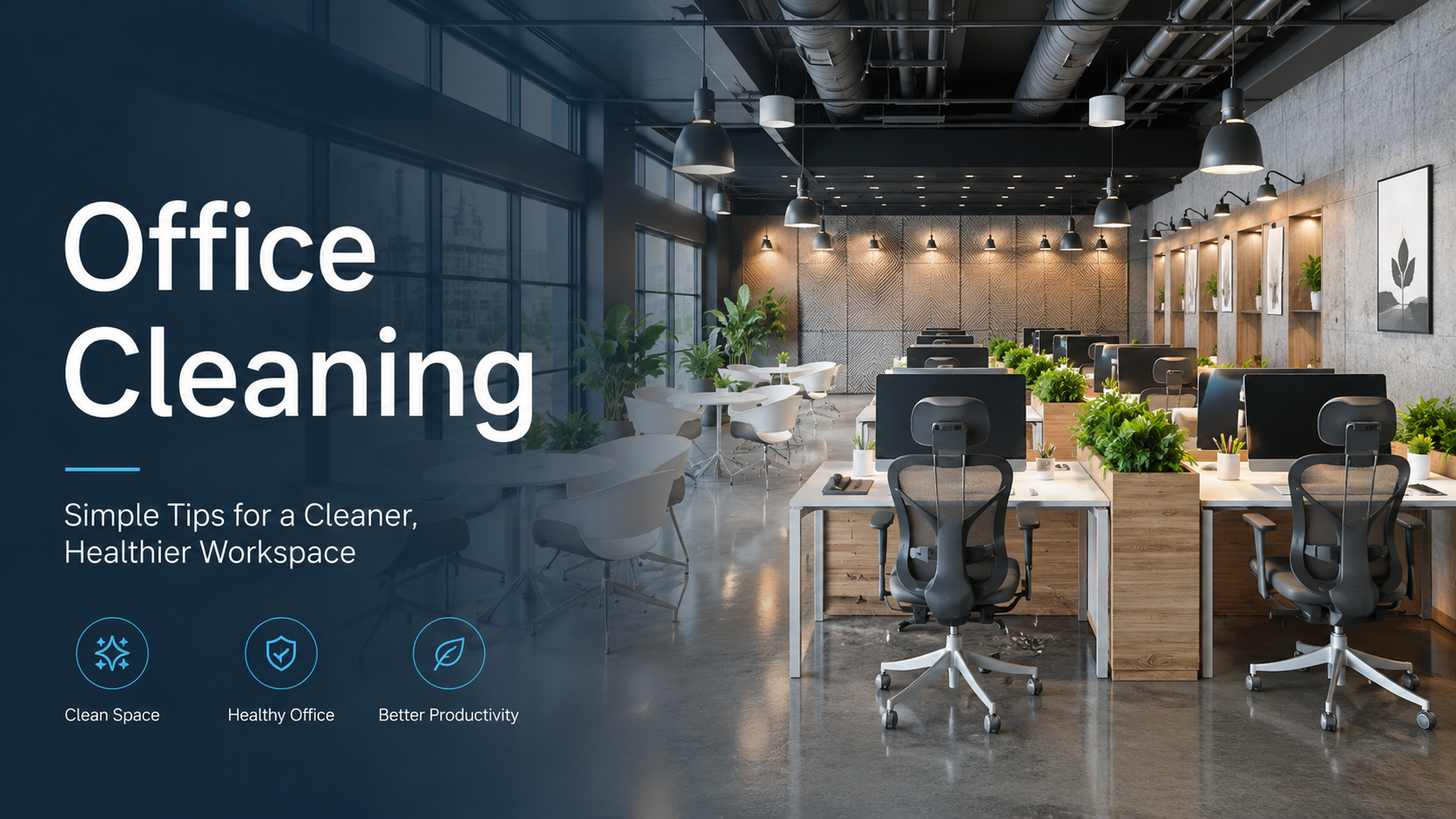
The Clean Workspace: How Office Cleaning Creates a Better Place to Work Every Day
Office cleaning is more than keeping desks neat and floors polished. A clean workspace can shape how employees feel, how visitors judge a business, and how smoothly daily work gets done. From reducing clutter to improving hygiene, air quality, comfort, and productivity, a well-maintained office quietly supports the entire workplace experience.
A clean office often works in the background. People may not always notice when trash bins are empty, floors are clear, meeting rooms are fresh, or shared spaces are organized. But they quickly notice when these things are ignored. Dusty surfaces, cluttered desks, overflowing bins, unpleasant smells, and messy kitchens can make an office feel stressful and unprofessional.
For businesses, office cleanliness is not just about appearance. It is part of workplace management, employee well-being, brand image, and daily efficiency. A cleaner environment can support focus, reduce distractions, protect shared equipment, and create a space where people feel more comfortable doing their best work.
Key Point: Office cleaning should not be treated as an occasional task. It is a daily part of creating a healthy, organized, and productive work environment.
Why Clean Offices Create Better Working Environments
A clean office changes the way a workplace feels. When desks are organized, floors are clear, windows are clean, and common areas are well maintained, employees can move through the day with fewer distractions. The environment feels more controlled, more comfortable, and easier to work in.
Visual clutter can affect concentration. When an office is filled with random papers, dirty cups, tangled cables, and overflowing storage areas, employees may feel mentally overloaded before they even begin their tasks. A clean workspace creates a sense of order, which can help people focus on the work in front of them.
Cleanliness also supports better physical comfort. Dust, allergens, food crumbs, and poorly maintained surfaces can affect air quality and hygiene. Over time, this can influence how employees feel during the workday. A clean office can feel lighter, fresher, and more energizing, especially in spaces where people spend many hours each week.
Better Focus
An organized office reduces visual distractions and helps employees stay mentally clear.
Healthier Space
Regular cleaning helps reduce dust, germs, allergens, and buildup in shared areas.
Stronger Impression
A clean office signals professionalism, care, and attention to detail.
Small Cleaning Habits That Make a Big Difference

Office cleanliness does not depend only on occasional deep cleaning. Small, consistent habits are often what keep a workplace feeling fresh from day to day. Simple actions such as wiping desks, clearing meeting tables, emptying bins, organizing kitchen counters, and returning items to their proper places can prevent mess from building up.
When cleaning becomes part of the office routine, it feels less like a burden. Employees are more likely to respect shared spaces when those spaces are already well maintained. A tidy break room encourages people to clean up after themselves. A neat meeting room makes the next team feel more prepared. A clear reception area helps visitors feel welcome.
These small habits can also reduce long-term maintenance problems. Dust and dirt can damage furniture, electronics, carpets, and office equipment over time. By keeping surfaces and shared areas clean, businesses can protect their workspace investment and reduce unnecessary replacement costs.
Practical Tip: The easiest way to keep an office clean is to prevent mess from becoming normal. A few minutes of daily maintenance can reduce the need for stressful last-minute cleaning.
Deep Cleaning and Long-Term Office Comfort
Daily cleaning keeps an office presentable, but deep cleaning protects long-term comfort. Some areas collect dirt, dust, and bacteria slowly over time. Carpets, upholstery, vents, blinds, baseboards, and corners may look acceptable at first glance, but they can hide buildup that affects the overall freshness of the office.
Deep cleaning addresses these hidden areas. Carpet cleaning can remove trapped dust, stains, and odors. Upholstery cleaning can refresh chairs and sofas used by employees and visitors. Vent and air circulation cleaning can help reduce dust movement throughout the workspace. Floor polishing or deep scrubbing can restore surfaces that daily mopping cannot fully improve.
Employees may not always notice the exact moment deep cleaning happens, but they often feel the results. The office smells fresher, surfaces look brighter, and the environment feels more comfortable. Regular deep cleaning can also prevent small problems from becoming expensive maintenance issues later.
Deep Cleaning Areas Businesses Should Not Ignore
Carpets, fabric chairs, office sofas, air vents, storage rooms, baseboards, kitchen appliances, restroom corners, window tracks, and shared equipment are often missed during quick daily cleaning. Scheduling periodic deep cleaning helps maintain a healthier and more professional workplace.
The Value of Professional Office Cleaning Services
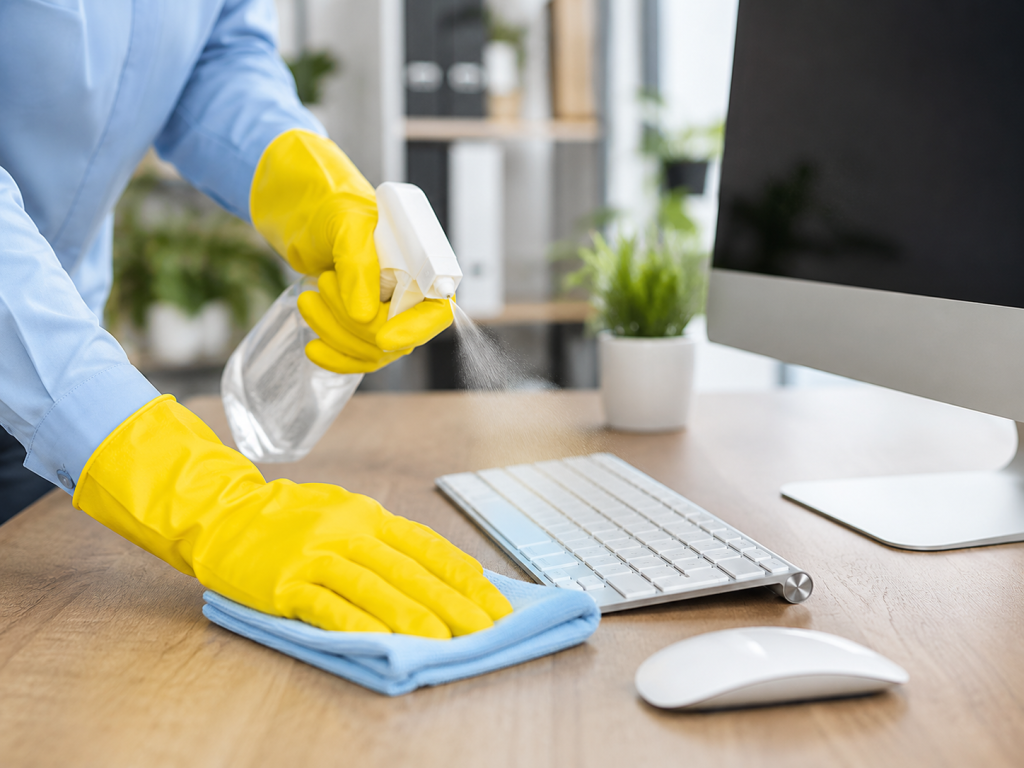
Professional office cleaning services bring structure, consistency, and expertise to workplace maintenance. While employees can help with basic tidiness, professional cleaners understand how to clean different surfaces, use appropriate products, handle high-traffic areas, and follow a reliable cleaning schedule.
A professional cleaning team can also reduce the burden on employees. When workers are expected to manage too many cleaning responsibilities, it can distract from their actual roles. Professional cleaning allows employees to focus on their work while ensuring the office remains fresh, organized, and presentable.
Another benefit is flexibility. Many cleaning companies offer schedules that fit business operations, such as early morning, evening, weekend, or after-hours cleaning. This reduces disruption during the workday while keeping the office consistently maintained.
Business Reminder: A professional cleaning plan works best when expectations are clear. Businesses should define which areas need daily cleaning, weekly attention, and periodic deep cleaning.
Clean Spaces Support Employee Well-Being
A clean office can support both physical and mental well-being. From a physical perspective, properly cleaned surfaces, fresh air, and managed waste can help reduce exposure to dust, germs, and allergens. This is especially important in shared environments where many people touch the same doors, desks, appliances, and equipment.
From a mental perspective, cleanliness creates a sense of order. Employees are often more comfortable in spaces that feel organized and cared for. A clean office can reduce stress, improve mood, and make it easier for employees to settle into their tasks without unnecessary distraction.
Cleanliness also communicates respect. When a company maintains a clean environment, it sends a message that employees, clients, and visitors matter. This can influence morale, workplace culture, and the way people feel about spending time in the office.
Physical Comfort
Cleaner surfaces, better waste management, and reduced dust can make the office feel healthier.
Mental Clarity
A tidy environment can reduce distraction and help employees feel more focused.
Workplace Morale
A clean office shows care and respect, which can support a more positive workplace culture.
High-Touch Areas Deserve Extra Attention
In every office, some areas are used much more often than others. Door handles, elevator buttons, light switches, keyboards, shared phones, printers, coffee machines, refrigerator handles, and restroom fixtures are touched by many people throughout the day. These high-touch points need regular attention because they can quickly collect dirt and germs.
Cleaning these areas does not always take long, but it can make a meaningful difference in workplace hygiene. A strong office cleaning routine should include a specific plan for high-touch surfaces, especially in busy offices, coworking spaces, clinics, schools, reception areas, and customer-facing businesses.
Hygiene Tip: High-touch areas should be cleaned more frequently than low-traffic spaces. These small details can help improve the overall feeling of safety and care in the workplace.
Clean Offices Leave Strong First Impressions
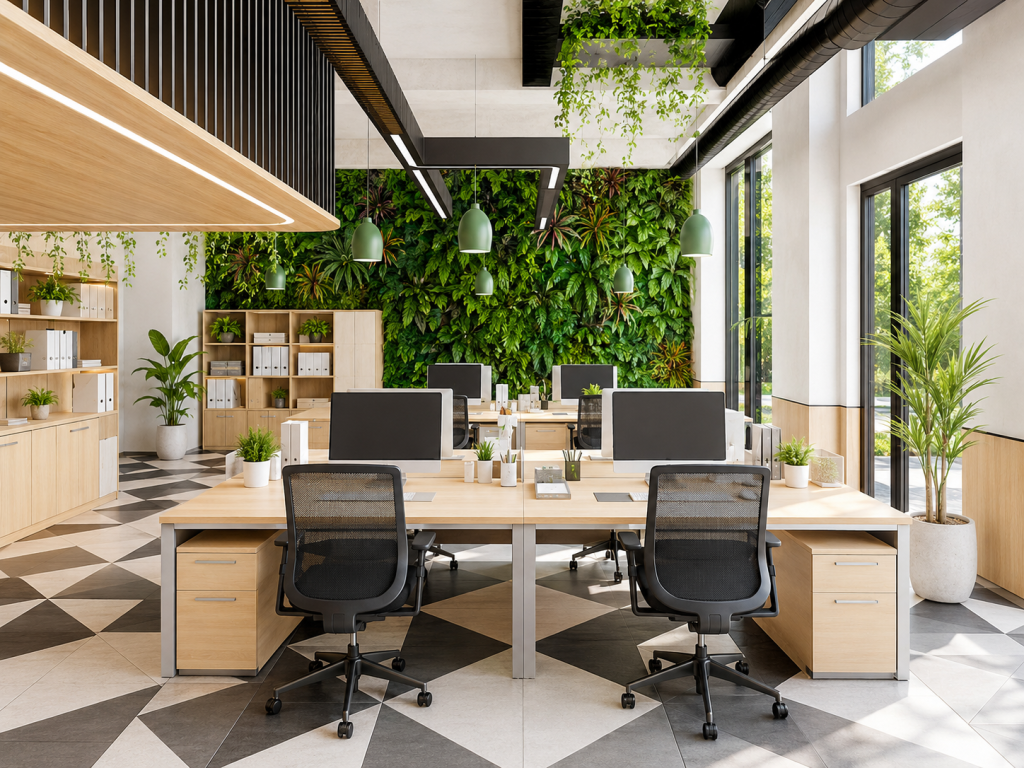
First impressions are formed quickly. When a client, visitor, partner, or potential employee enters an office, the environment immediately communicates something about the business. A clean reception area, fresh meeting room, organized workspace, and well-maintained restroom can create a sense of professionalism before anyone says a word.
On the other hand, a messy office can raise doubts. If shared areas are dirty or neglected, visitors may wonder whether the same lack of attention appears in the company’s work, customer service, or operations. Cleanliness is not the only factor in building trust, but it strongly supports a positive image.
For employees, a clean office also reinforces pride in the workplace. People are more likely to feel positive about a company that invests in its environment. This can affect motivation, teamwork, and the overall atmosphere of the office.
Professional Insight: Clean offices do more than look good. They quietly communicate reliability, discipline, and respect for employees, clients, and visitors.
How to Build a Better Office Cleaning Plan
A good office cleaning plan should be clear, realistic, and consistent. Instead of waiting until the office looks messy, businesses should decide what needs to be cleaned daily, weekly, monthly, and seasonally. This makes cleaning easier to manage and helps prevent important areas from being forgotten.
Daily tasks may include emptying bins, wiping high-touch surfaces, cleaning restrooms, maintaining kitchens, and clearing visible mess. Weekly tasks may include vacuuming thoroughly, dusting shelves, cleaning glass, and organizing shared spaces. Monthly or quarterly tasks may include carpet cleaning, upholstery cleaning, vent cleaning, and storage area maintenance.
The right schedule depends on office size, number of employees, visitor traffic, industry type, and working hours. A busy office with many visitors may need more frequent cleaning than a small private workspace. The goal is to create a plan that matches how the office is actually used.
Common Office Cleaning Mistakes to Avoid
One common mistake is focusing only on visible areas. Reception desks and meeting rooms may look clean, while storage spaces, air vents, carpets, and corners are ignored. Over time, these hidden areas can affect the overall freshness and hygiene of the office.
Another mistake is cleaning only when the office becomes noticeably messy. This reactive approach can create unnecessary stress and may require more effort than regular maintenance. A planned routine is usually easier, more efficient, and more effective.
Businesses should also avoid using the wrong cleaning products on sensitive surfaces. Wood, glass, electronics, fabric, stone, and metal may require different care. Using incorrect products can damage furniture, equipment, or finishes. This is one reason professional cleaning knowledge can be valuable.
Avoid This Mistake: Do not wait until the office looks dirty before taking cleaning seriously. The best office cleaning strategy is preventive, consistent, and organized.
Final Thoughts: A Clean Office Supports Better Work
Office cleaning may seem simple, but its impact is significant. A clean workspace supports productivity, comfort, health, professionalism, and workplace morale. It helps employees feel more focused, helps visitors feel more confident, and helps businesses maintain a stronger image.
The best office cleaning approach combines daily habits, professional support, periodic deep cleaning, and clear responsibility. When each part works together, cleanliness becomes easier to maintain and more valuable to the entire workplace.
A clean office is not only a polished space. It is a healthier, calmer, more efficient environment where people can work better every day. For any business that wants to support employees, impress visitors, and protect its workspace, office cleaning should be seen as an investment rather than an afterthought.
Final Reminder: A clean workspace quietly shapes the way people think, feel, and perform. When an office is cared for consistently, it becomes more than a place to work — it becomes a place where people can do their best work.