
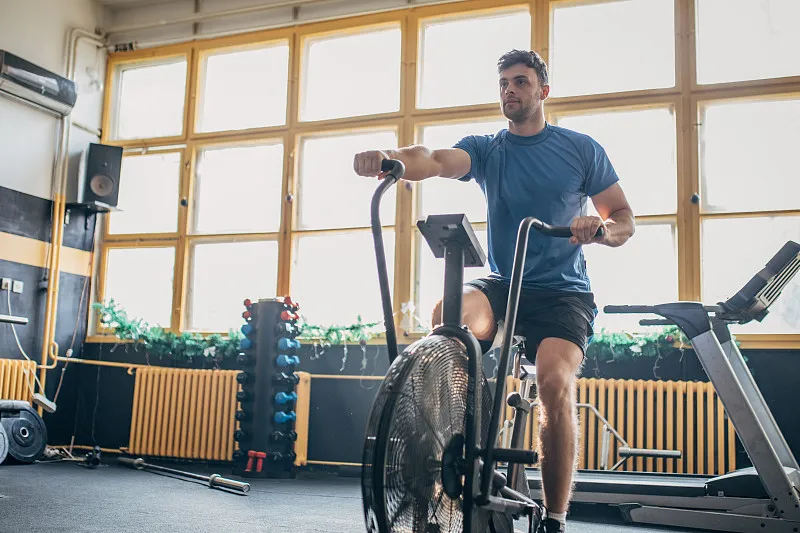
Strategic Recovery: The Missing Half of Real Athletic Progress
Fitness Recovery, Performance & Long-Term Strength
Most people know how to push harder. Far fewer know how to recover with intention. But the body does not become stronger during the hardest set, the longest run, or the most exhausting interval. It becomes stronger afterward — in the quiet hours when repair, refueling, sleep, and restoration turn effort into adaptation.
Article Summary: Strategic recovery is not simply taking a day off when you feel tired. It is a deliberate system that includes sleep, nutrition, hydration, active recovery, deload weeks, mental restoration, body awareness, and lifestyle design. When recovery is planned with the same seriousness as training, the body can repair more effectively, avoid chronic fatigue, break through plateaus, and build performance that lasts beyond one temporary peak.
There is a strange pride in exhaustion. In fitness culture, being sore, drained, and constantly pushing often gets treated like proof of commitment. People celebrate brutal workouts, early alarms, heavy lifts, long runs, and the discipline to keep going when the body is clearly asking for rest.
And yes, effort matters. No meaningful physical change happens without challenge. But effort alone is not the whole story. Training is only the signal. Recovery is what allows the body to answer that signal.
If you train hard but recover poorly, your body eventually stops adapting. Workouts begin to feel heavier. Motivation becomes fragile. Sleep gets restless. Small aches linger. Performance becomes unpredictable. You are still doing the work, but the work no longer seems to build you up the way it once did.
Strategic recovery changes that. It treats rest not as the opposite of training, but as part of training itself. It asks a more mature question: not “How much can I survive?” but “How can I create the conditions for my body to come back stronger?”
The Shift That Changes Everything
Recovery is not what happens when training stops. Recovery is the process that decides whether training becomes progress, fatigue, or injury.
The Hidden Moment When Fitness Actually Improves
A workout creates disruption. Muscle fibers experience tiny damage. Energy stores are depleted. The nervous system becomes stimulated. Connective tissues absorb stress. Fluids and electrolytes may be lost through sweat. This stress is not bad; it is the reason training works.
But after the workout, the body needs time and resources to respond. It does not simply repair itself back to the same level. When recovery is adequate, the body often rebuilds slightly stronger, more efficient, and better prepared for the next challenge. This is the idea behind supercompensation.
The problem is timing. If the next hard session comes too soon, the body may not have finished rebuilding. Instead of climbing upward, performance slowly slides downward. You are no longer stacking adaptation. You are stacking fatigue.
Training creates the question. Recovery gives the answer.
The body improves when stress is followed by enough repair, not when stress is repeated endlessly without room to adapt.
Rest Is Not One Thing
One mistake people make is thinking recovery means doing absolutely nothing. Sometimes that is exactly what the body needs. But recovery is not a single behavior. It exists on a spectrum, and different situations require different forms of restoration.
Passive rest is the quiet end of the spectrum. It includes sleep, relaxation, meditation, easy breathing, and simply allowing the body to downshift. This kind of recovery is essential for hormonal balance, nervous system restoration, and deep tissue repair.
Active recovery is different. It uses very gentle movement to increase circulation without adding meaningful stress. A walk, light cycling, relaxed swimming, gentle yoga, or mobility work can help move fluid through tissues, reduce stiffness, and make the body feel less locked up after difficult sessions.
Recovery Has Different Speeds
Passive Recovery
Best for deep fatigue, poor sleep, heavy nervous system stress, illness, or after extremely demanding training blocks.
Active Recovery
Best for stiffness, mild soreness, desk-heavy days, and recovery days when the body feels better after easy movement.
The First Recovery Tool: Food That Rebuilds
After training, your body is not asking for perfection. It is asking for materials. Protein provides amino acids for muscle repair. Carbohydrates help restore glycogen, the stored fuel your muscles use during demanding work. Fluids and electrolytes help replace what was lost through sweat and support normal cellular function.
This is why a post-workout meal should not be treated as an afterthought. It is not just “eating because you are hungry.” It is part of the repair process. A smoothie with protein and fruit, rice with eggs, yogurt with granola, chicken with potatoes, tofu with noodles, or even chocolate milk after a hard session can all support recovery when they fit your needs and tolerance.
The exact timing does not need to become obsessive. But going many hours after hard training without protein, carbohydrates, or fluids can make recovery harder than it needs to be.
Post-Workout Plate Rule
After hard training, aim for protein, carbohydrates, and fluids. Think repair, refill, and rehydrate.
Sleep: The Recovery Method No Supplement Can Replace
Sleep is where the body becomes serious about repair. During deep sleep, the nervous system settles, tissues rebuild, hormones follow their natural rhythm, and the brain clears some of the metabolic waste that builds throughout the day. This is not passive downtime. It is biological maintenance.
Many athletes will spend money on recovery devices, supplements, ice baths, massage tools, and tracking apps while still sleeping five or six restless hours a night. That trade-off rarely works for long. If sleep is consistently poor, the body’s ability to adapt becomes limited.
A better sleep routine does not have to be complicated. Keep your room cool and dark. Create a consistent bedtime rhythm. Reduce bright screens before bed. Avoid turning the last hour of the day into a second shift of work, scrolling, or emotional stimulation.
Sleep is not a break from training.
It is the deepest training partner you have — quiet, invisible, and impossible to replace.
Hydration: The Simple Layer Under Every Recovery Plan
Hydration rarely feels exciting, but it affects almost everything recovery depends on. Nutrient transport, joint lubrication, temperature regulation, digestion, circulation, and normal muscle function all rely on fluid balance.
The mistake is waiting until thirst becomes intense. By then, you may already be behind. A better approach is to drink steadily through the day, pay attention to sweat loss, and include electrolytes when sessions are long, hot, humid, or especially sweaty.
You do not need to overcomplicate this. Pale yellow urine is often a useful everyday sign. After intense or long-duration training, water plus sodium-rich foods or an electrolyte drink may help restore balance more effectively than plain water alone.
Hydration Check
If your workout leaves you with a headache, heavy fatigue, dark urine, dizziness, or unusual cramping, hydration and electrolyte replacement may need more attention.
The Recovery Warning Signs You Should Not Ignore
Under-recovery rarely arrives loudly at first. It often begins quietly. You may feel a little more tired than usual. Your warm-up feels heavy. Your sleep becomes lighter. Your resting heart rate rises. Your mood becomes sharper. Your desire to train fades even though your discipline remains.
If you ignore those signals long enough, the body may become more forceful. Performance drops. Small pains become persistent. Motivation turns into dread. You get sick more often. Even easy sessions feel strangely expensive.
This is where intelligent athletes separate themselves. They do not wait until the body breaks down completely. They notice patterns early and adjust before recovery debt becomes a crisis.
Early Signs of Under-Recovery
Performance drops: normal workouts suddenly feel unusually difficult.
Sleep changes: you feel tired but wired, or wake up without feeling restored.
Mood shifts: irritability, low motivation, or unusual emotional heaviness appears.
Persistent soreness: muscles, joints, or connective tissues never seem to fully settle.
Deload Weeks: Planned Restraint for Better Progress
A deload week is one of the most useful recovery tools in structured training. It is a planned reduction in training stress, usually by lowering volume, intensity, or both. It is not quitting. It is not laziness. It is not a week where serious athletes lose their edge.
A deload gives accumulated fatigue time to fall. It allows joints, connective tissues, the nervous system, and motivation to recover before the next demanding block begins. Many athletes return from a good deload feeling stronger, faster, and more eager to train.
The hard part is psychological. People who love training often feel guilty when they reduce the load. But strategic restraint is part of long-term success. The body cannot keep climbing if it is never allowed to absorb the climb.
Deload Reframe
A deload is not lost progress. It is the recovery bridge that lets the next training phase become productive instead of destructive.
Recovery Should Match the Training Phase
Recovery is not the same in every phase of training. A high-volume endurance block creates different stress than a heavy strength block. A sprint phase stresses the nervous system differently than a hypertrophy phase. A competition week requires a different strategy than an ordinary training week.
This is why recovery should be periodized too. During endurance-focused blocks, glycogen replenishment, hydration, and inflammation management may become more important. During strength phases, sleep, protein, nervous system recovery, and joint care may need more attention. During deloads, the goal is not to chase new intensity, but to restore capacity.
Match Recovery to the Stress
High-Volume Training
Prioritize carbohydrates, hydration, sleep, and inflammation-aware food choices.
Heavy Strength Blocks
Focus on protein, joint care, nervous system recovery, mobility, and high-quality sleep.
Deload or Rejuvenation Weeks
Reduce structure, move gently, address aches, sleep more, and let motivation return naturally.
Mental Recovery Is Physical Recovery
Hard training does not only stress the muscles. It also stresses the mind and nervous system. Heavy lifting, intense intervals, competition, and demanding training schedules can keep the body in a heightened state of alertness. If life stress is added on top, the system may struggle to calm down.
This is why mental recovery matters. Slow breathing, meditation, time in nature, quiet walking, journaling, prayer, relaxed social time, or simply an evening without constant stimulation can help shift the body toward a more restorative state.
A calm nervous system creates a better recovery environment. Muscles do not repair in isolation from the rest of your life. Your emotional state, stress level, and sense of safety all influence how well the body restores itself.
You are not only recovering muscles.
You are recovering attention, motivation, nervous system balance, and the emotional energy to keep showing up.
Recovery Tools: Useful, But Not Magic
Foam rolling, massage, compression garments, contrast showers, sauna, cold exposure, and other recovery tools can all have a place. They may reduce perceived soreness, improve range of motion, support circulation, or help the body feel refreshed.
But tools should not distract from fundamentals. A person who sleeps poorly, under-eats, stays dehydrated, and lives in constant stress will not fix the problem with an ice bath. Recovery tools are best used as additions, not replacements.
There is also value in experimenting carefully. Some people feel better after cold exposure. Others find it too stimulating. Some benefit from foam rolling. Others prefer gentle mobility. The best recovery plan is not the one that looks most advanced. It is the one your body responds to and you can repeat consistently.
Tool Hierarchy
Start with sleep, food, hydration, and stress management. Then add recovery tools where they genuinely help.
Your Environment Can Help or Hurt Recovery
Recovery does not happen in a vacuum. Your environment matters. A cluttered room, noisy sleep space, stressful home atmosphere, constant notifications, and a schedule with no quiet margins can keep the nervous system on edge even when the workout is over.
Creating a recovery-friendly environment does not require luxury. It may mean preparing a simple post-workout meal in advance, keeping your bedroom dark and cool, setting a screen boundary at night, leaving space for a walk, or choosing friends and communities that respect rest instead of glorifying burnout.
The easier you make recovery, the more likely you are to do it. This is not a lack of discipline. It is smart design.
Environmental Recovery Check
Does your daily environment make recovery easier, or does it keep your body alert, rushed, underfed, and overstimulated?
Technology Can Guide Recovery, But It Should Not Own It
Wearables can provide useful information. Resting heart rate, heart rate variability, sleep duration, sleep consistency, and training load trends can help you notice when the body is struggling before you feel a full crash.
But data should support self-awareness, not replace it. A readiness score does not know the full emotional context of your life. A watch cannot always tell the difference between healthy challenge and pain that needs attention. Metrics are useful, but your lived experience still matters.
The best approach is to combine data with honest reflection. If the numbers suggest stress and your body feels flat, listen. If the numbers look fine but something feels wrong, listen too.
Use Recovery Data Wisely
Look for patterns, not one random bad night.
Compare data with feeling, especially energy, mood, soreness, and motivation.
Adjust training when needed, instead of forcing the plan blindly.
The Rejuvenation Week: A Deeper Reset
Every so often, the body and mind need more than a light training week. They need a larger reset. A rejuvenation week is a short phase where structured training is significantly reduced, and movement becomes more playful, restorative, and mentally refreshing.
This might include hiking, swimming, easy cycling, recreational sports, gentle mobility, long walks, or simply doing activities that reconnect you with enjoyment instead of performance pressure. These weeks can help small aches settle, restore motivation, and remind you that movement is not only about numbers.
Many people return from a rejuvenation week with more energy than expected. The break does not erase discipline. It restores the desire to use it.
Sometimes the most productive thing you can do is step back.
Not forever. Not from fear. But long enough for the body to remember how good it feels to move without pressure.
Recovery Changes as You Change
The recovery strategy that worked for you five years ago may not be enough today. Age, training history, work stress, family responsibilities, injury history, sleep quality, and life demands all change how much recovery you need.
This is not failure. It is maturity. A younger athlete may bounce back quickly from high intensity. A more experienced athlete may need more careful warm-ups, better sleep discipline, and smarter spacing between hard sessions. Someone with a demanding job may need to reduce training intensity during stressful work periods.
Recovery is not fixed. It evolves with the person. The strongest long-term athletes are the ones who keep listening.
Honest Recovery Question
Are you recovering for the body you have today, or for the body you remember having years ago?
A Simple Strategic Recovery Framework
Recovery becomes easier when it has a rhythm. You do not need a complicated system. You need a repeatable framework that helps you make better decisions after hard training and across the week.
The 5-Part Recovery Compass
1. Refuel
Use protein, carbohydrates, and nutrient-rich meals to rebuild and restore energy.
2. Rehydrate
Replace fluids steadily and consider electrolytes after heavy sweating.
3. Downshift
Use breath, quiet, and low stimulation to calm the nervous system after effort.
4. Sleep
Protect sleep like a key training session, because deep repair depends on it.
5. Adjust
Use body signals and training data to decide when to push, maintain, or pull back.
The Mindset That Makes Recovery Work
The hardest part of recovery is often not the science. It is the guilt. Many people feel uneasy when they rest. They worry they are falling behind, losing momentum, or becoming less disciplined. But this mindset misunderstands how the body improves.
Recovery is not a pause in progress. It is the hidden stage where progress is assembled. You are not wasting time when you sleep well, eat enough, take a deload, or choose an easy walk instead of another punishing workout. You are creating the conditions that allow training to mean something.
When you begin to see recovery as adaptation time, everything changes. Rest stops feeling like weakness. It becomes skill. It becomes discipline. It becomes trust.
Recovery is where effort becomes usable.
Without it, training is only stress. With it, training becomes transformation.
Final Thoughts
Strategic recovery is not glamorous in the way a hard workout is glamorous. It does not always produce sweat, noise, or visible drama. It happens in sleep, meals, quiet walks, gentle mobility, slower breathing, lighter weeks, and the decision to respect the body before it has to demand attention.
But that quiet work is powerful. It is what allows you to keep training after the first wave of motivation fades. It helps you avoid the trap of constant fatigue. It gives the body enough safety and material to rebuild. It protects the joy of movement so fitness can remain part of your life instead of becoming another source of pressure.
If you want to progress, train hard when it is time to train hard. But recover with equal seriousness. Eat like repair matters. Sleep like adaptation depends on it. Hydrate before the body has to beg. Listen to early warning signs. Plan deloads before exhaustion makes the decision for you.
The strongest athletes are not the ones who ignore recovery. They are the ones who understand its power. They know that progress is not built by endless strain, but by the intelligent rhythm of challenge and restoration. That rhythm is where long-term performance lives.
Final Reminder: This article is for general educational purposes and should not replace personalized medical, coaching, or sports medicine advice. If you experience persistent pain, unusual fatigue, sleep disruption, recurring injuries, or symptoms of overtraining, consider speaking with a qualified healthcare or performance professional.