
Rights Are Not Slogans. Rights Need Budgets
The Fiscal Truth on a Single Road
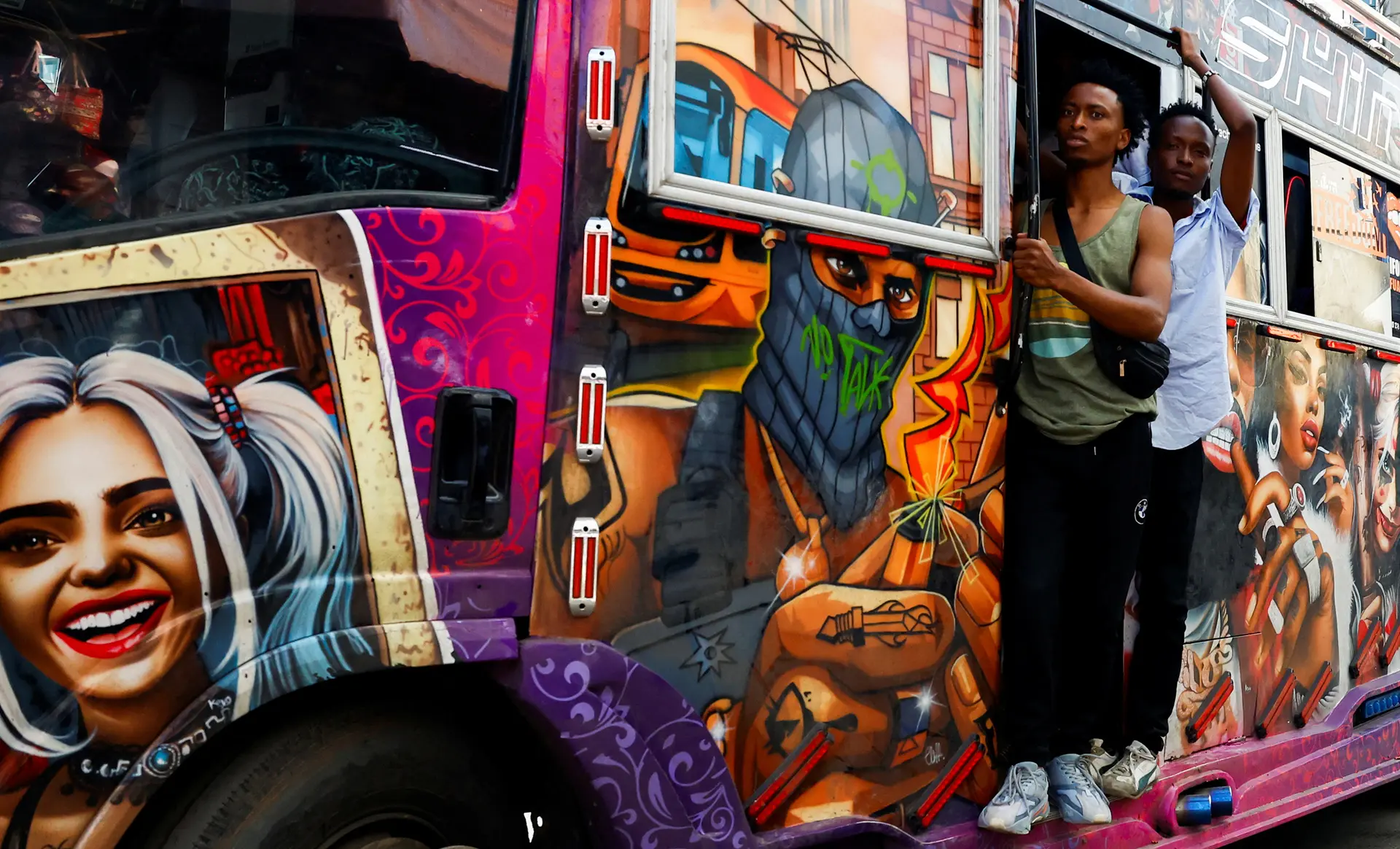
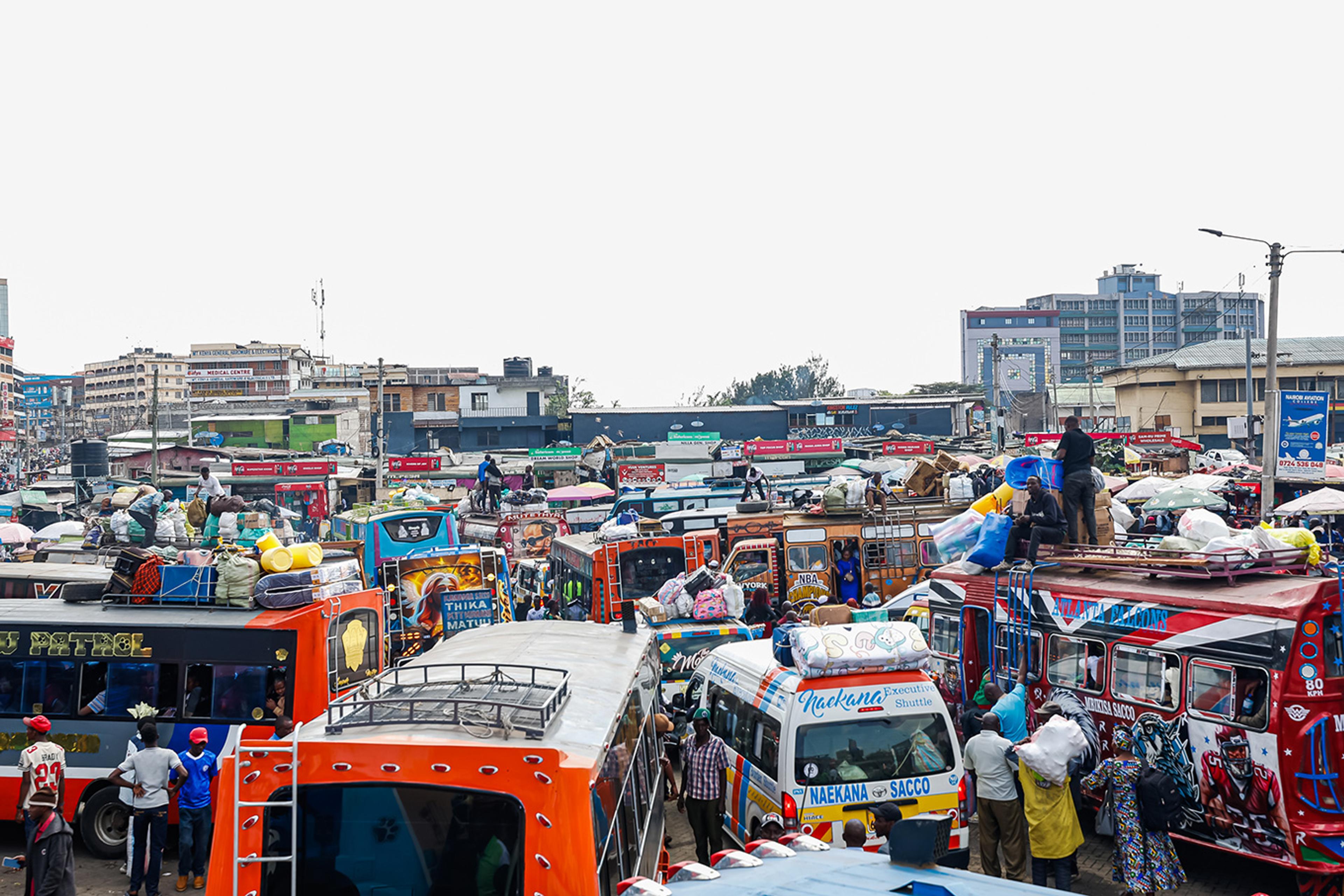
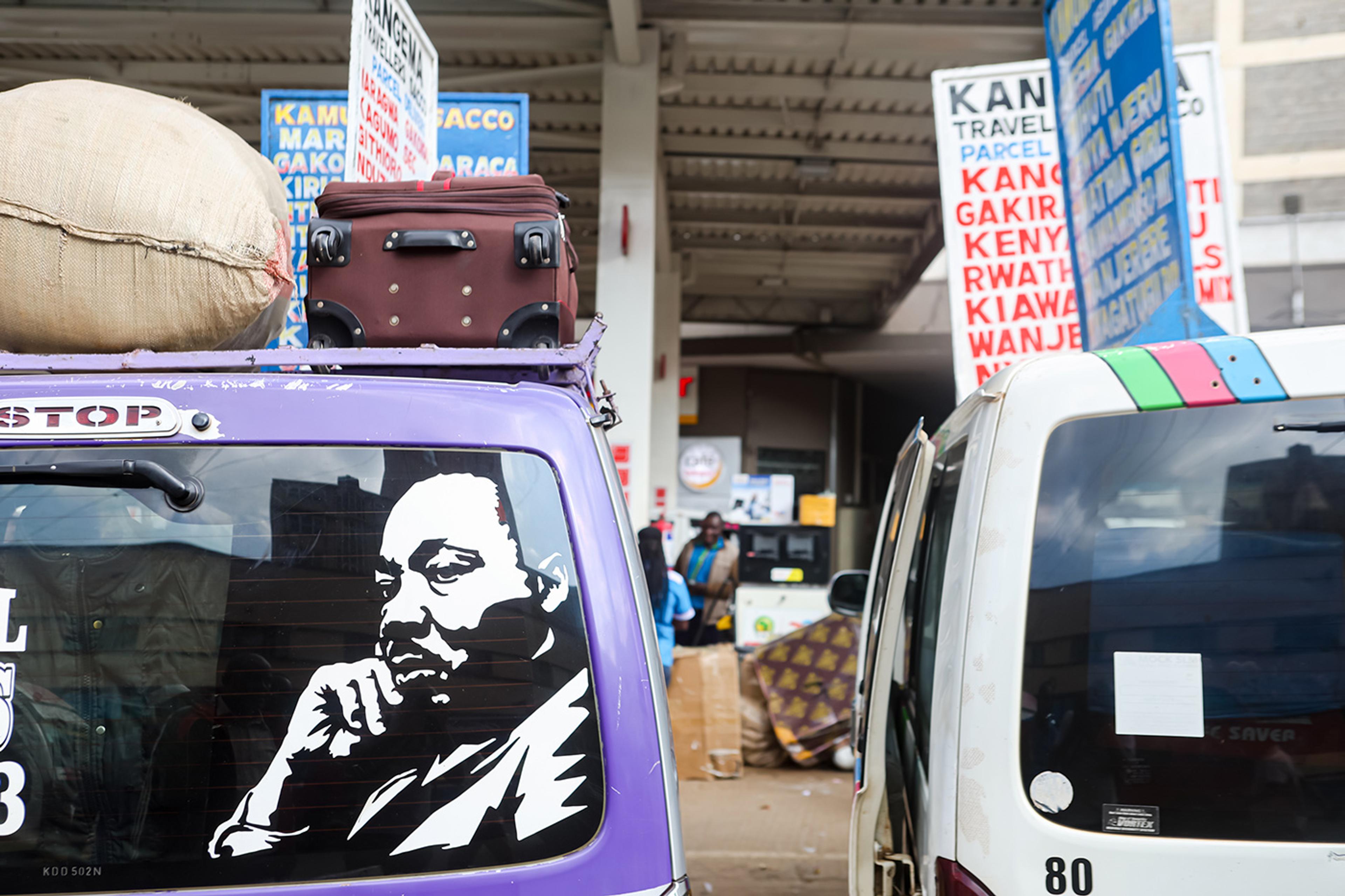
On Limuru Road in Nairobi, a matatu rushes past me before I can even make out its colours. Blue, yellow, perhaps a red stripe along its side; the graphics and the music vanish into the exhaust fumes, leaving only the roar of the engine and a brief silence among the people waiting by the road. Another one arrives almost at once, its conductor half-hanging out of the door, shouting destinations into the air as if calling to a crowd already trained in disorder. Then a motorcycle taxi slips between the vehicles. Then comes the traffic. It may last ten minutes, or it may swallow the whole morning. No one can know. Nairobians have learnt to live inside this uncertainty, and to mistake it for the natural condition of the city.
When I was young, I remember taking a real bus. It was not the improvised network of private minibuses that now passes for public transport, but a system in which people could board normally, stand normally, and arrive somewhere with some expectation of order. The vehicles were not necessarily new, nor especially comfortable, but they offered something more important: a sense that the city had made an arrangement for its people. As a child, this did not need explaining. You simply sat by the window, watched the road pass behind you, and understood, without yet having the language for it, that a city did not have to treat its residents so harshly.
That bus has since disappeared. In its place came private operators, contested routes, sudden fare increases, cooperative ownership structures, and all kinds of invisible but deeply entrenched interests. The matatu system is not an absence of order. On the contrary, it is organised disorder. It serves those who own the vehicles, control the routes and profit from the fares, rather than the millions who depend on it every day to get to work, to school, to market and to the city centre. Many people describe this as African urban vitality, a form of popular ingenuity compensating for the absence of the state. That is not entirely wrong, but it is too gentle. It hides the more brutal truth: when the state fails for long enough to provide a public service, private interests move into the gap, and eventually acquire an interest in keeping that gap open.
For a long time, I too thought about Nairobi’s transport as an infrastructure problem. Build more roads, buy more buses, regulate the operators, and perhaps things would improve. But the more I studied public finance, the more clearly I came to see that transport is never only transport. It is the daily face of state capacity. It is the visible form of a fiscal system. It is also one of the places where human rights either become real or remain theoretical. Whether someone can arrive at work on time, whether a child can afford the fare to school, whether a market trader can move goods reliably to customers — these are not minor inconveniences of urban life. They are rights questions. They simply do not appear in court judgments, but in overcrowded vehicles every morning.
When we talk about human rights, we often use an elevated language: constitutions, covenants, courts, obligations, compliance and violations. That language matters. Without it, state power would find it even easier to escape responsibility. But it can also obscure a plain fact: rights require money. The right to healthcare requires hospitals, doctors, medicines and equipment. The right to education requires schools, teachers, books and safe classrooms. The right to justice requires courts, judges, legal aid and administrative systems. The right to movement and economic participation likewise requires roads, buses, rail systems, regulators, and a state capable of putting public interest above private monopoly.
A right without a budget can quickly become writing on a wall. It may appear in a constitution, in a government plan, or in the language of international conferences. But when a mother keeps her child at home because fares have risen, when a worker loses three hours a day to transport chaos, when the poorest residents of a city are forced to surrender a large share of their income to an informal transport network, we should understand what has happened. The rights have not necessarily been denied in principle. They have been unfunded in practice. They have not failed theoretically. They have failed fiscally.
This is where the real question begins. Why are those resources not there? Why can a city not build reliable public transport? Why can a government not raise enough money to fulfil the rights it has already promised? The answer is not only in Nairobi, and not only in Kenya. It lies in the history of how African public finance has been shaped: in debt, in global tax rules, in illicit financial flows, and in an international language that describes African states as poor while rarely explaining how they were made poor.
Africa Is Not Poor. It Has Been Made Poor
To say that African states are poor is too easy. It sounds like the description of a natural condition, as if poverty were simply the result of geography, climate, weak institutions or historical backwardness. A more accurate statement is that African states have been made poor. Their fiscal weakness is not natural. It has been produced over time by a global economic structure that has repeatedly weakened their capacity to raise, keep and spend their own resources. Money has left the continent faster than it has been invested in public services. Hospitals, schools, transport networks and housing are underfunded not merely because wealth has not been created, but because so much of it has not been allowed to remain.
Illicit financial flows are among the clearest parts of this story. Through trade misinvoicing, transfer pricing, profit shifting and offshore tax arrangements, vast sums leave Africa every year. These are not abstract figures. They could have become doctors’ salaries, bus routes, school desks, court funding, water systems, power grids and housing projects. Every profit shifted offshore is a public service that was never built. Every gain hidden by a multinational company through accounting arrangements will appear somewhere else as a patient waiting for treatment, a classroom without a teacher, or a bus line that never arrives.
African fiscal difficulties are often blamed on domestic governance failure. Corruption, inefficiency, weak tax administration and poor institutions do exist, and they should not be minimised. But to speak only of these problems is to shrink the issue to the domestic sphere, as if global economic rules were a neutral background. They are not. The rules that determine where profits are taxed, how debt is priced, how capital moves, and how companies report their earnings were not written with equal participation from African states. Many of the foundational rules of international taxation were developed when much of Africa was still under colonial rule and had no meaningful voice in global governance.
That historical exclusion continues to matter. Multinational companies can extract resources, consumers, labour and data from African countries while booking their profits in low-tax, lightly regulated jurisdictions. The digital economy has made this injustice even more visible. A platform may earn advertising revenue, subscription income and data value from Kenyan users, yet avoid proper taxation in Kenya because it lacks sufficient physical presence there. Value is created here, profits are recorded there, and tax disappears somewhere else. This is not the natural outcome of globalisation. It is the outcome of rules.
Debt is another pipe through which resources are drained. Many African states now spend more on debt servicing than on public health. That fact alone should be enough to show the gravity of the problem. If a country must choose between paying creditors and funding healthcare, between external bondholders and its own patients, then its human rights commitments have already been constrained by its fiscal structure. Debt is not merely an economic issue. It determines whether a government can hire teachers, buy medicines, build transport systems and protect the most vulnerable during a crisis.
Just as importantly, much of this debt was not contracted under conditions of freedom, equality and transparency. Some of it was inherited from colonial rule. Some came from the pressures of international financial markets and policy conditions in the late 20th century. Some was raised on global bond markets when investors, dissatisfied with low returns elsewhere, turned eagerly towards African sovereign debt. When interest rates rise, currencies shift and restructuring is delayed, the costs are not borne by those who designed the financial architecture. They are borne by ordinary citizens. Zambia waited years for debt restructuring, while social services were cut. Ghana’s adjustment programme reached deep into the public sector. Kenya faces repayment pressure alongside a rising cost of living. These are not isolated national misfortunes. They are the results of a structurally unequal debt system.
The wounds left by structural adjustment have also never fully healed. In the 1980s and 1990s, many African states were pushed by international financial institutions to cut public spending, privatise state assets and reduce the role of the state in providing public goods. These policies were presented as efficiency, stabilisation and market reform. Yet they came precisely at the moment when many countries needed to build infrastructure, expand education, improve healthcare and establish public transport systems. The theories have since been revised, and the language of policy has changed, but the rail lines, buses, hospitals and schools that were never built have not appeared by magic. Today’s urban disorder is part of the legacy of yesterday’s fiscal contraction.
So when we see a matatu shaking its way through Nairobi traffic, we are not simply looking at a city’s transport mode. We are looking at the everyday consequence of a global political economy. It tells us that the absence of public services is not only a local failure. It is shaped by international tax rules, debt systems, aid structures and capital flows. African cities do not lack creativity. What they lack is the fiscal sovereignty to keep the wealth they generate and convert it into public rights.
Rights Need Resources, but Resources Also Need Rights
If rights require resources, the reverse is equally true: resources require rights. A state must not only have money; it must also have legitimate, transparent and accountable ways to raise it, spend it and distribute its benefits. Without those conditions, fiscal capacity can become a tool controlled by a few rather than a foundation on which a political community realises its rights. Money does not automatically produce justice. Who decides how the country borrows? Who decides who receives tax exemptions? Who can see the contracts governing natural resources? Who bears the consequences of budget cuts? These too are human rights questions.
One of the greatest problems in many debt negotiations is opacity. Parliaments in debtor countries are often excluded from meaningful participation. Citizens frequently cannot see the terms of the agreements made in their name. Resource-backed loans, infrastructure deals, bilateral arrangements and private creditor contracts are often formed in spaces hidden from public scrutiny. Only later, when repayment pressure rises, public spending is cut, currencies weaken and living costs climb, does society discover that it has been bound to obligations it never had a chance to examine. Secrecy here is not an accidental flaw. It is functional. It protects the interests of the powerful at the negotiating table from the scrutiny of those who must live with the consequences.
Transparency, participation and accountability should not be treated as soft virtues added to fiscal governance after the real work is done. They are the conditions that make all other rights possible. If citizens cannot know how the state borrows, they cannot judge whether the debt is legitimate. If parliament cannot scrutinise major fiscal commitments, it cannot control government on behalf of the public. If tax agreements and resource contracts are not public, people cannot know where the wealth that belongs to them has gone. Without these rights, debt numbers may be rearranged and tax rules partially reformed, but the costs will still fall on the same people, and the benefits will still flow to the same interests.
This is why global tax negotiations matter so much. For decades, international tax rules have been largely shaped by wealthy states, then handed to others as technical consensus. But taxation is never merely technical. It determines whether a state can fund schools, build hospitals, establish public transport and provide social protection. When developing countries demand taxing rights based on where value is actually created and where consumers are located, they are not asking for an accounting detail. They are fighting for the fiscal basis on which rights can be realised.
When multinational corporations generate profit in Angola, Kenya, Nigeria or Ghana, but use global structures to shift that profit into low-tax jurisdictions, the loss is not merely a loss of revenue. It damages the basic contract between state and citizen. Citizens are expected to obey the law, pay taxes and accept public policy decisions. Yet the state is prevented by international rules from adequately taxing value produced within its own economy. Over time, public trust is weakened, state capacity is hollowed out, and human rights commitments begin to resemble moral language without material force.
The debt system must also be redesigned. A fair sovereign debt workout mechanism should be fast, transparent, predictable and grounded in human rights. It should not leave a country in distress waiting years for resolution while the poorest people absorb the cost of austerity. Creditors should not have the power to delay indefinitely. Private investors should not be protected through opaque contracts. Public services should not be treated as the easiest place to cut when an adjustment programme is imposed. Debt restructuring is not a bookkeeping exercise. It determines who receives healthcare, who goes to school, and who can rely on safe and affordable transport.
Justice is not an optional feature of a fiscal system. It is the condition of that system’s endurance. A system that repeatedly forces the weakest to bear the costs while allowing the strongest to conceal the gains may continue for a time, but it will not possess real legitimacy. A national budget is not just a spreadsheet. It is a moral map. It shows who is prioritised, who is postponed, who is sacrificed and who is protected. Global financial rules are no different. They appear to discuss capital, profit, debt and interest rates, but in practice they decide which rights people in different countries can enjoy, and which rights remain only on paper.
Public Transport Is Human Rights Infrastructure
The first time I saw a tram in Europe, I did not feel astonishment so much as delayed recognition. It arrived on rails, on time, its carriages joined by a concertina-like middle section, passengers boarding and leaving in order, the city seeming to have decided in advance that this was how people should move. I felt something similar later in London, watching double-decker buses pull away from stops, and in Buenos Aires, where the metro carried people through the city despite its age and strain. None of these systems is perfect. London’s transport is expensive. Buenos Aires’s underground is overcrowded. Many public transport systems face ageing infrastructure and fiscal pressure. But each expresses at least one political decision: movement is not a private problem to be solved alone, but a public responsibility.
Public transport matters not only because it moves people from one place to another. It determines whether someone can receive an education, find work, access healthcare, take part in civic life and spend time living rather than merely travelling. For the poor, transport costs are often a hidden poverty tax. A fare increase may mean one less meal, one missed day of school, one cancelled trip to buy stock, or one worker arriving late and losing pay. A city without reliable and affordable public transport redistributes opportunity according to who can afford time and distance.
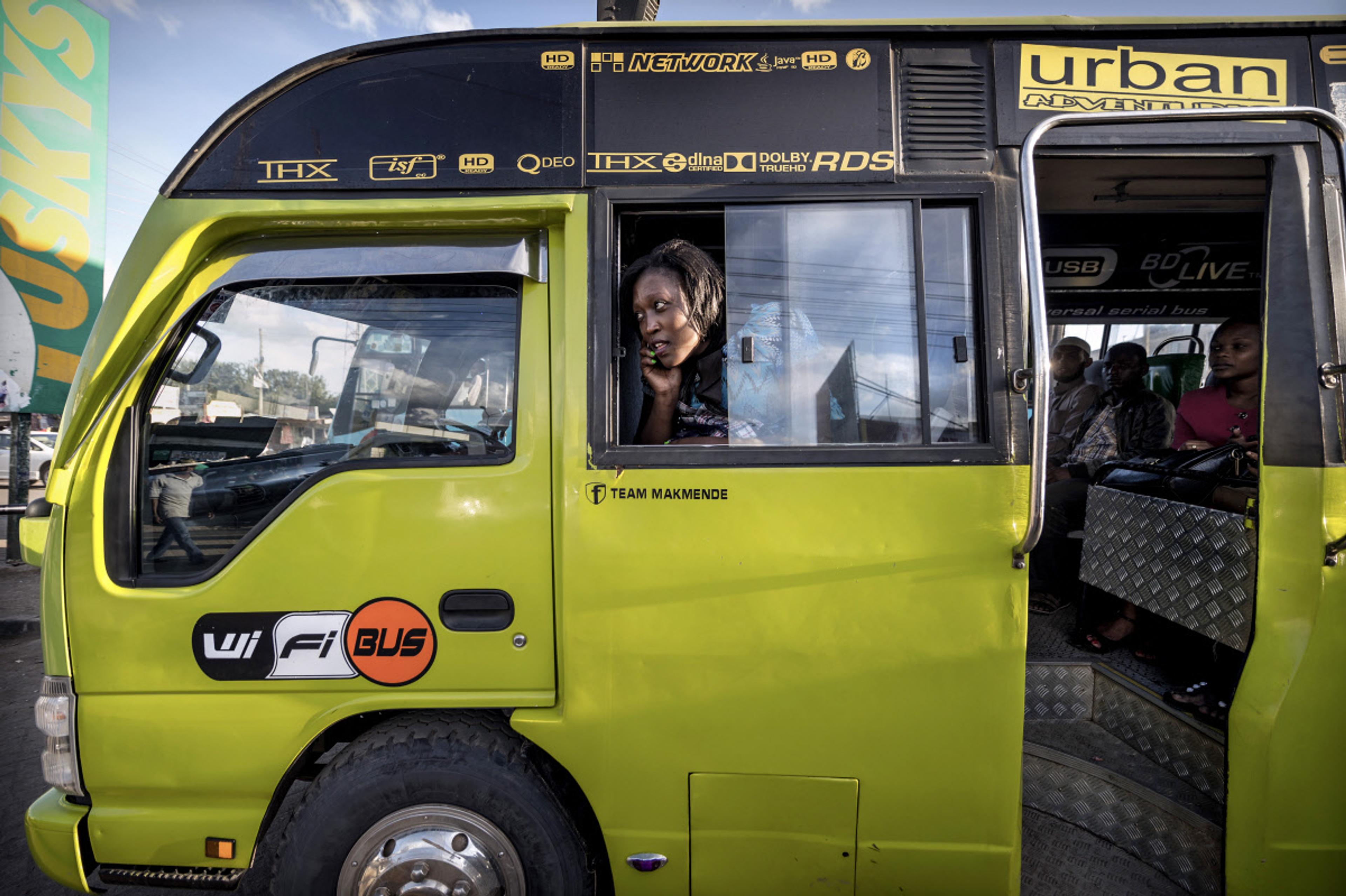
Markets will, of course, fill gaps. The matatu is proof of that. Private operators identify demand, create routes, adjust fares during peak periods and adapt with remarkable speed to urban change. But market creativity is not the same as fairness. It can provide movement without dignity. It can fill a gap without building a system. It can get people somewhere without ensuring that they arrive safely, affordably and reliably. The meaning of public transport as a public good lies precisely in the fact that it cannot be governed by profit alone. It must answer different questions: who is served, who is excluded, who bears the costs, and who receives the convenience.
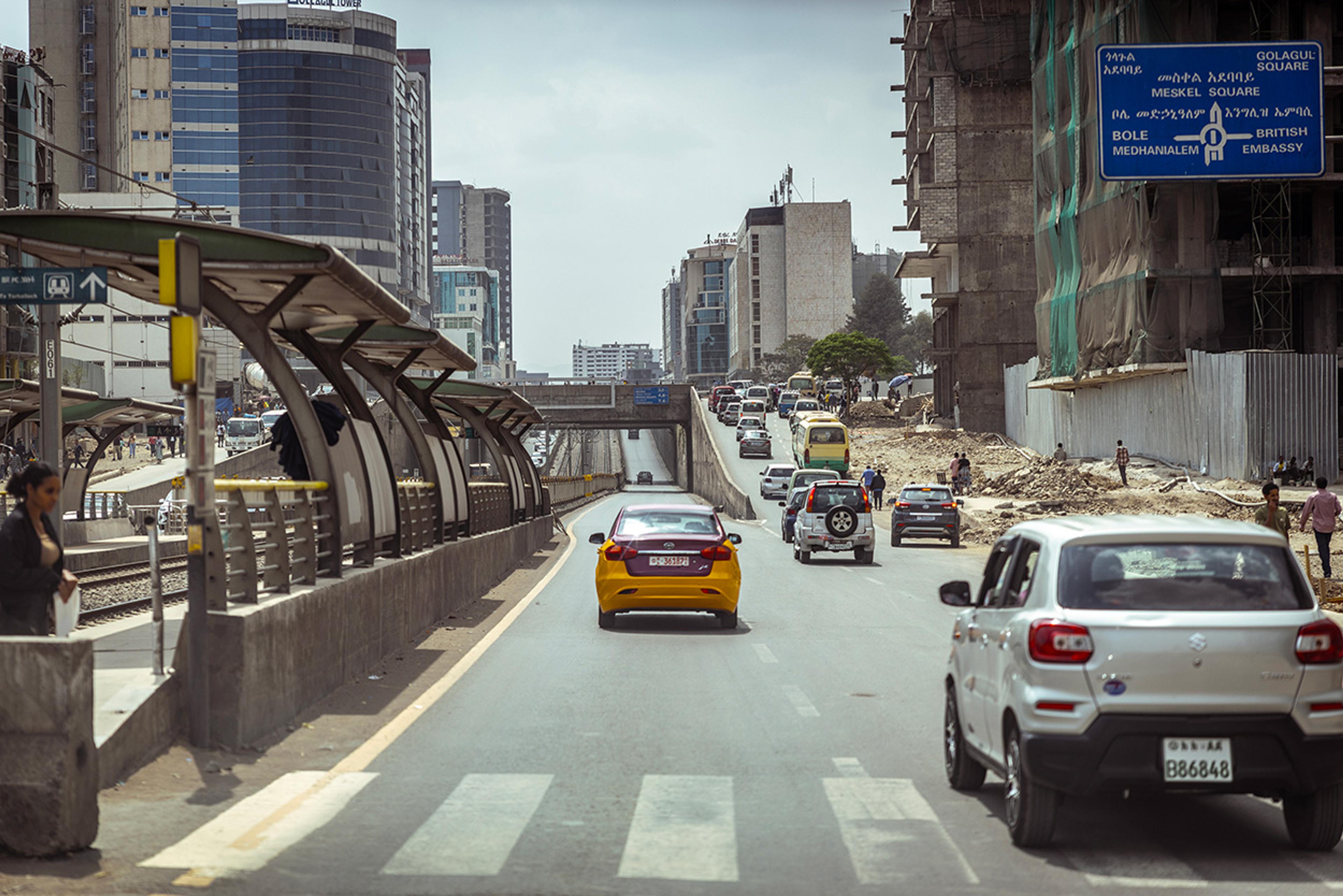
Building truly reliable bus or rail systems in Nairobi is therefore not only an urban planning question. It requires fiscal sovereignty. The government must be able to raise revenue rather than watch profits disappear offshore. It must be able to invest in long-term infrastructure rather than be crushed by short-term debt repayments. It must be able to plan and deliver public projects transparently rather than accept financing terms that bind its budget for decades. Behind a bus route stand global tax rules, debt rules and the fiscal capacity of the state.
A tram line, a metro system or a dedicated bus corridor is a materialised political promise. It says that a society once decided that ordinary people’s time mattered, that the mobility of the poor mattered, and that the city should not be designed only for cars and the few who can afford them. When a state cannot make that promise, or makes it without the fiscal capacity to fulfil it, private minibuses become substitutes for public failure. They appear to solve the problem, but they also record it. Every day, they move people to where they need to go, while also reminding them that the public system that should exist has not arrived.
This is why transport cannot be treated merely as a question of efficiency. It is a question of equality, rights and fiscal justice. A person who loses hours of life every day to congestion, rising fares and uncertainty is not there because cities are naturally chaotic. He or she is there because a series of political and fiscal decisions created that reality. Poverty does not merely cause transport hardship. Transport hardship also produces poverty. It steals time, limits opportunity, raises costs, reduces income and forces the hardest-working residents of a city to pay the highest price for movement.
Aid Cannot Substitute for Justice
For a long time, the most familiar answer wealthy countries have offered to African development has been aid. Official development assistance is presented as international responsibility, moral concern and development cooperation. In certain moments it is genuinely necessary. During humanitarian crises, public health emergencies, technical gaps or economic shocks, external support can save lives and reduce suffering. I do not dismiss that. But as a long-term development strategy, the limits of aid are painfully clear. It has never filled the fiscal gap created by the global system itself, and it cannot substitute for fair taxation, just debt rules and the right of countries to keep more of the wealth they produce.
The amount Africa loses each year through illicit financial flows far exceeds what it receives in aid. That comparison reveals the central problem. The issue is not simply that wealthy countries are insufficiently generous. It is that the global system extracts too much. Aid is like pouring a small amount of water into a bucket that is still leaking, and calling the gesture benevolence. The real questions are: who made the hole in the bucket, who benefits from the leak, and why are African states expected to be grateful for the small amount of water poured back in?
Aid also often arrives with conditions. These may restrict policy choices, require fiscal tightening, push market liberalisation or shape governance reforms. They are described as technical recommendations, but they often reach deep into how a state designs its budget, social policy and development priorities. More seriously, the decision-making power lies with donors. When wealthy states reduce aid because of domestic politics, fiscal pressure or strategic priorities, the people who bear the consequences are ordinary Africans who had no seat at the table. Such a system does not dismantle dependency. It reproduces it.
Recent cuts to aid budgets by several wealthy countries have exposed this fragility once again. A region whose public programmes depend on external goodwill will always be vulnerable to the electoral cycles, budget pressures and public moods of other countries. Aid may increase one year and disappear the next. What is affected, however, is not an abstraction, but vaccines, food, schools, clinics and social protection. Development built on commitments that donors can withdraw at will cannot be genuine sovereign development.
The next generation of policymakers must give up the fascination with small, short-term, report-friendly interventions. Such projects fit neatly into three-year evaluation cycles, produce attractive indicators, and allow donors to display measurable success. But they rarely touch the structure. The real work is larger, slower and less glamorous: fair global tax rules, transparent debt workout mechanisms, corporate reporting on where profits are made and taxes paid, public disclosure of natural resource contracts, and legal requirements for citizen participation in budget and debt decisions. These tasks may not lend themselves to publicity, but they are the minimum conditions under which rights can be realised.
These are not radical demands. They simply ask that African states possess the ordinary capacities any state should have: to tax value created within their economies, fund public services, decide investment priorities, and answer to their own citizens rather than first to external creditors, ratings agencies or donors. Fiscal sovereignty does not mean rejecting international cooperation. It means rejecting unequal cooperation, in which African states carry the consequences while others write the rules.
If wealthy states are serious about African development, they must do more than increase aid. They must give up the unfair advantages they derive from the current architecture. Redesigning tax rules is not charity. Reducing debt burdens is not benevolence. Transparency is not a diplomatic favour. These are requirements of justice. The present system was not formed by nature, nor is it without winners. It has benefited certain countries, corporations and investors for decades, while African cities, families and public services have borne the cost.
The Bus We Never Built
The bus we never built still appears every morning on Limuru Road, only in another form. It appears in the overcrowded matatu, in the rising fare, in the face of the late worker, in the student walking farther to save money, in the market trader whose income is limited by unreliable transport. It is not merely a transport failure. It is a fiscal record. It records what happens when rights and resources are separated, and when society shifts costs onto those least able to bear them.
We often praise the resilience of ordinary people. Nairobians are resilient. Across African cities, people create lives within institutional gaps, find time inside congestion, organise families amid uncertainty, and invent alternatives where public services are absent. But resilience should not become an excuse for governments and the global system to evade responsibility. The fact that people survive difficult conditions does not make those conditions acceptable. The fact that a society is creative does not mean it should forever be required to use creativity to compensate for injustice.
Rights require money. The sentence is simple, but it changes how we should think about development, human rights and global finance. It reminds us that we cannot speak of the right to education without speaking of taxation, or of the right to health without speaking of debt, or of freedom of movement without speaking of public transport, or of democratic participation without speaking of budget transparency. Rights are not moral declarations floating above fiscal reality. They must enter treasuries, budgets, contracts, tax systems, debt negotiations and infrastructure plans before they can enter people’s lives.
At the same time, money requires rights. Without transparency and accountability, additional revenue can be wasted, stolen or misallocated. Without citizen participation, fiscal policy may serve narrow interests rather than public welfare. Without fair international rules, African states may reform domestically and still continue to lose resources within an unequal architecture. Rights and resources are not parallel lines. They are two directions on the same road. A right without resources is hollow; resources without rights are unstable.
Financing African development is not Africa’s responsibility alone. Rain does not fall on one roof only. Over the past 60 years, the global financial system has tied African cities to offshore centres, bond markets, international tax treaties, ratings agencies and donor budgets. If the causes of poverty are global, then the solutions must also be global. Wealthy states cannot continue to enjoy the benefits of unfair rules while using aid to soften the damage those rules produce.
The real work is already before us. Build a fair international tax convention. Tax profits where value is created. Make debt negotiations public, swift and centred on human rights. Subject public resource contracts to citizen scrutiny. Treat public transport, healthcare, education and housing not as projects to be considered after fiscal leftovers are counted, but as part of the reason the state exists in the first place. These are not distant ideals. They are the practical conditions under which rights become real.
Every morning, when the matatus pass through the fumes and noise of Limuru Road, I see more than urban disorder. I see the imprint of a global system left on the street. I also see something else: people who still board, still work, still study, still trade, still build lives. They prove that what is missing is not effort, nor social will. What is missing is a state willing to treat their rights as budget priorities, and a world that no longer systematically drains the resources required to fulfil them.
Rights are not wishes written on paper. Rights need buses. They need hospitals. They need classrooms. They need courts. They need transparent debt contracts and fair tax rules. Rights need money. And when a world prevents some countries from having the money needed to realise rights, the problem is no longer poverty. The problem is justice.