

What Is Chronic Gastritis? Why Does Your Stomach Always Feel Uncomfortable?
Have you ever had this feeling?
You do not eat much, but your stomach quickly feels bloated.
After a meal, you keep burping, and it feels as if something is stuck in your stomach.
Sometimes there is a dull pain in your upper abdomen. It may not be severe, but it keeps coming back.
After eating something spicy, greasy, or cold, your stomach immediately starts to “protest.”
At first, many people do not take these symptoms seriously. They may think they simply ate something bad, are under too much stress, or did not get enough rest. But when they go to the hospital for a check-up, the report may show a few words: chronic gastritis.
When people see the word “chronic,” they often become nervous.
Is it serious?
Can it be cured?
Could it turn into stomach cancer?
Do not panic. Chronic gastritis is common, but it is not something that can be explained away with “just drink more warm water.” In this article, we will explain chronic gastritis in a simple and clear way.
1. What Is Chronic Gastritis?
The stomach is like a “digestive factory” that works every day.
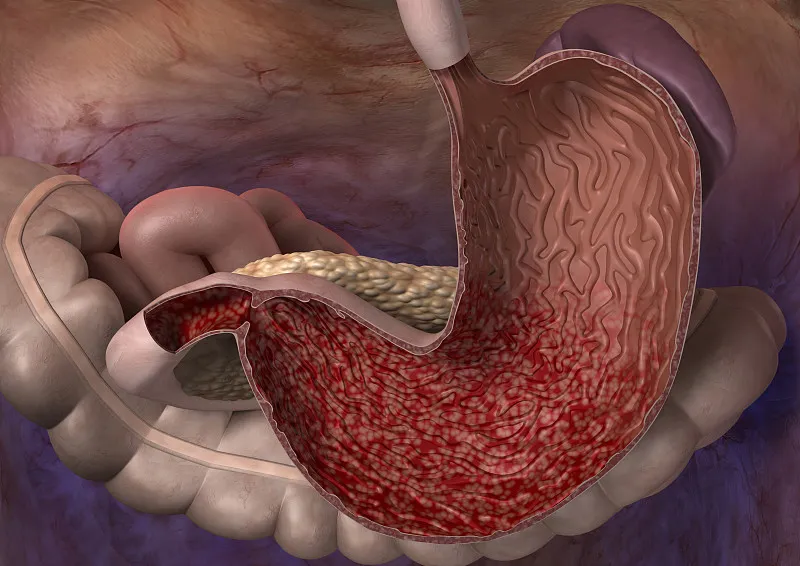
It receives food, produces stomach acid, helps with digestion, and also has to deal with many irritants such as spicy food, alcohol, certain medicines, and bacteria. To protect itself, the inner wall of the stomach has a layer called the gastric mucosa. You can think of it as the stomach’s “protective film.”
Chronic gastritis means that this protective layer has been irritated for a long time, leading to chronic inflammation.
In simple terms, the stomach does not suddenly “break down.” Instead, it is repeatedly irritated and gradually enters an unhealthy state.
It may not cause severe pain every day, but it keeps reminding you that your stomach is not feeling right.
2. Why Do So Many People Have Chronic Gastritis Today?
Chronic gastritis is not only a problem for middle-aged or older adults. Many young people also have it.
The reason is simple: modern people put a lot of pressure on their stomachs.
Skipping breakfast, eating lunch casually, and overeating at night;
working under stress, feeling anxious, and staying up late for long periods;
drinking coffee, milk tea, alcohol, and eating hot pot or barbecue frequently;
buying stomach medicine whenever the stomach hurts, then ignoring the problem once the pain improves.
One or two of these habits may not seem serious, but over time, they can repeatedly irritate the gastric mucosa.
Besides lifestyle habits, chronic gastritis can also be related to more specific causes.
One common cause is Helicobacter pylori infection. This is a type of bacteria that can live in the stomach. It is closely related to many cases of chronic gastritis and stomach ulcers. If a test shows an infection, treatment should usually be carried out under medical guidance.
Long-term use of certain painkillers, such as ibuprofen or aspirin, may also irritate the gastric mucosa. Some people need to take these medicines for headaches, joint pain, or cardiovascular disease. In such cases, they should not stop or change their medication without medical advice.
In some people, stomach discomfort may be related to bile reflux or autoimmune factors. These conditions are difficult to judge by yourself and usually require gastroscopy, biopsy, or other medical examinations.
3. What Does Chronic Gastritis Feel Like?
One of the most troublesome things about chronic gastritis is that its symptoms are not always the same.
Some people have chronic gastritis shown on gastroscopy but feel almost nothing in daily life.
Others may have only mild findings on examination, but suffer from bloating, acid reflux, and burping every day.
Common symptoms include:
Bloating, especially after meals;
dull pain or burning discomfort in the upper abdomen;
acid reflux, heartburn, and burping;
feeling full after eating only a small amount;
nausea and reduced appetite;
feeling worse after eating greasy, spicy, or cold foods.
However, stomach discomfort is not always caused by chronic gastritis.
Stomach ulcers, gastroesophageal reflux disease, gallbladder problems, functional indigestion, and even more serious conditions may cause similar symptoms. So if stomach discomfort keeps coming back, it is not wise to rely only on guessing or to take medicine randomly for a long time.
4. Is Chronic Gastritis Serious? Can It Become Stomach Cancer?
This is the question many people care about most.
First of all: chronic gastritis does not mean stomach cancer.
In most cases, symptoms can improve with proper treatment and lifestyle adjustments. Being diagnosed with chronic gastritis does not automatically mean you are in danger.
But it should not be completely ignored either.
If gastroscopy and biopsy show obvious atrophy, intestinal metaplasia, or long-term untreated Helicobacter pylori infection, more attention is needed. These findings do not mean that a serious disease will definitely develop, but they do require medical evaluation and regular follow-up.
The right attitude toward chronic gastritis is not panic, and it is not neglect.
The key is to understand what type of gastritis it is, find the cause, and then manage it properly.
5. Do You Need a Gastroscopy for Chronic Gastritis?
Many people feel afraid when they hear the word “gastroscopy.”
But if stomach discomfort keeps recurring or lasts for a long time, gastroscopy is indeed an important examination. It allows doctors to directly observe the condition of the gastric mucosa, such as whether there is redness, swelling, erosion, atrophy, or ulcers.
Sometimes doctors may also take a small tissue sample from the stomach lining for biopsy. This does not necessarily mean that they suspect a serious disease. It is often done to better understand the type and severity of inflammation.
In addition to gastroscopy, Helicobacter pylori testing is also common, such as a breath test or stool antigen test. Whether you need these tests depends on your symptoms, age, medical history, and your doctor’s judgment.
6. How Is Chronic Gastritis Treated?
Not everyone with chronic gastritis needs the same medicine.
The focus of treatment is: find the cause first, then treat the cause.
If there is a Helicobacter pylori infection, eradication treatment may be needed.
If the problem is related to medication irritation, a doctor should evaluate whether the medication needs to be adjusted.
If acid-related symptoms are obvious, the doctor may prescribe acid-reducing medicine or medicine that protects the stomach lining.
If poor stomach motility causes serious bloating after meals, treatment may focus on improving gastric movement.
Here is an important reminder: do not buy and take stomach medicine on your own for a long time.
Some medicines may relieve symptoms in the short term. But if the real cause is not addressed, the problem may keep coming back. More importantly, long-term use of medicine to cover up symptoms may delay proper examination and treatment.
7. Taking Care of Your Stomach Is Not Just About Drinking Porridge
When people talk about “nourishing the stomach,” many immediately think of drinking porridge.
But daily management of chronic gastritis is not about relying on one “miracle food.” It is about reducing long-term irritation.
You can start with these habits:
Eat meals regularly. Do not stay hungry for too long, and do not overeat.
Reduce foods that clearly make you uncomfortable, such as spicy, fried, very sour, or very hot foods.
If coffee, strong tea, or alcohol causes acid reflux or stomach pain, reduce your intake.
Eat more slowly instead of rushing through meals.
Avoid staying up late and learn to relax when under stress.
Do not take painkillers or stomach medicine casually whenever your stomach hurts.
The stomach is sensitive to unstable habits: sometimes too hungry, sometimes too full; sometimes ignored, sometimes over-treated.
If you only remember to take care of your stomach when it feels terrible, but return to old habits once symptoms improve, chronic gastritis can easily come back again and again.
8. When Should You See a Doctor as Soon as Possible?
Occasional bloating or acid reflux may not be serious. But if you experience any of the following symptoms, do not simply endure them:
Black stools or vomiting blood;
unexplained weight loss;
long-term poor appetite;
repeated vomiting;
anemia, weakness, or dizziness;
upper abdominal pain that keeps getting worse;
obvious pain at night;
difficulty swallowing;
stomach discomfort that continues for several weeks without improvement.
These symptoms do not always mean a serious disease, but they are warning signs that need medical attention.
Conclusion: Your Stomach Does Not Become Unhealthy Overnight
The most important thing about chronic gastritis is not how frightening it is, but what it is trying to tell you: your body may have been ignored for too long.
It may come from irregular meals, repeated late nights, alcohol, stress, Helicobacter pylori infection, medication irritation, or other factors.
If you have been diagnosed with chronic gastritis, do not be overly anxious. What matters more is to find the cause, follow your doctor’s treatment plan, and gradually improve your lifestyle.
The stomach is an honest organ.
How you treat it often determines how it responds.
This article is for general health education only and cannot replace professional medical diagnosis or treatment. If you have persistent or obvious stomach discomfort, please consult a qualified healthcare professional in time.