
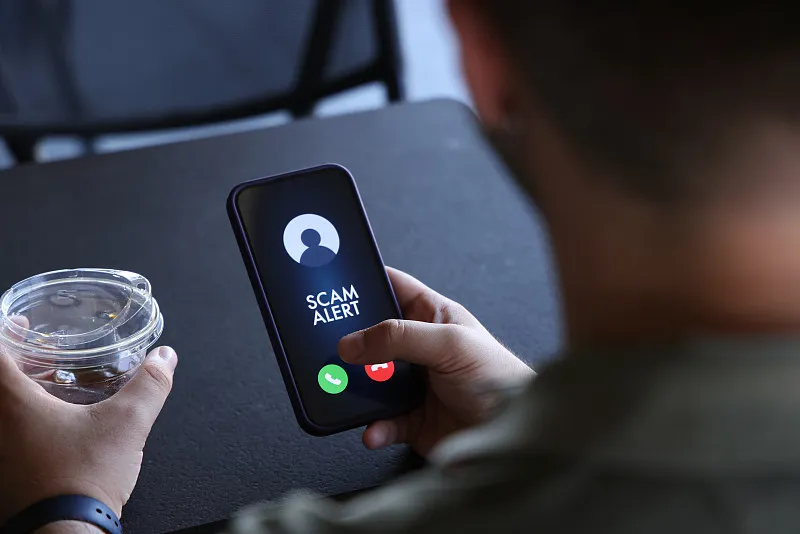
What Financial Scams Are Ordinary People Most Likely to Encounter?
Article Summary: The financial scams ordinary people are most likely to encounter rarely look like scams at first. They often appear as “safe investments,” “side job opportunities,” “customer service alerts,” “bank security checks,” “friend recommendations,” “romantic relationships,” “exclusive projects,” or “urgent account notices.” What makes them dangerous is not only their technical tricks, but the way they target very human emotions: the desire to earn more, fear of missing out, fear that an account is at risk, longing for love, pressure to support family, and the hope of finally changing one’s life. Investment scams, cryptocurrency scams, impersonation scams, fake task jobs, phishing links, romance-investment scams, Ponzi schemes, and loan scams are especially common. The key to protecting yourself is not becoming suspicious of everything, but learning when to stop: when someone pressures you to act immediately, promises high returns with no risk, asks for cryptocurrency or gift cards, requires you to pay before earning, or pushes you away from official channels, the safest move is to pause before money leaves your hands.
Some scams do not begin with greed.
They begin on an ordinary afternoon.
You receive a message saying your account is at risk and needs verification. You see a video claiming that ordinary people can finally build wealth through a special project. You meet someone online who is kind, patient, and emotionally available, and later they mention a stable investment opportunity. You look for a part-time job, and someone says you can earn money just by liking videos or completing simple tasks. You receive a serious phone call from someone who knows your name and tells you to cooperate immediately.
You are not foolish.
You may simply be tired, anxious, hopeful, lonely, or under pressure at the exact moment a well-designed script finds you.
The Core Idea
Financial scams do not only attack money. They attack fear, hope, trust, urgency, loneliness, and the desire for a better life.
Why Do Scams Still Fool Ordinary People?
Many people assume scam victims must be careless, naive, or greedy. That belief is comforting, because it makes us feel safer: “That would never happen to me.”
But real scams are not always obvious. Modern fraud often works because it understands human pressure very well.
People want to protect their savings. They want to help their families. They want a side income. They want to feel secure during uncertain times. They want to believe that a rare opportunity has finally arrived. They want to be loved, chosen, trusted, or rescued from financial stress.
The Emotional Trap
Scammers often do not begin by asking for money. They begin by creating urgency, trust, fear, intimacy, authority, or the feeling that this chance may never come again.
1. High-Return Investment Scams
High-return investment scams are among the most common and most damaging scams ordinary people encounter.
The language is usually familiar: high profit, low risk, limited spots, exclusive access, guaranteed income, insider strategy, special platform, early opportunity, or a mentor who can “teach you how money really works.”
These scams may be packaged as stock trading, foreign exchange, gold, funds, private placements, quantitative trading, AI trading bots, cryptocurrency, digital assets, short-term arbitrage, or “internal channels.”
Common Investment Scam Language
“Low Risk, High Return”
Real investment always involves risk. The higher the promised return, the more carefully risk should be explained.
“Only a Few People Know This”
Scammers often make victims feel they have been invited into a private circle of winners.
“Everyone Is Already Making Money”
Fake screenshots, group chats, and testimonials are often used to create false social proof.
The most dangerous part is not only the promise of money. It is the feeling that you have finally found the turning point that could change your life.
2. Cryptocurrency and Relationship Investment Scams
Cryptocurrency scams are especially common because they combine financial complexity with emotional manipulation.
They often do not begin with investment. They begin with a relationship.
Someone may contact you through a dating app, social media message, wrong-number text, online community, or messaging app. At first, they may not mention money. They talk to you, listen to you, share daily life, and slowly build emotional trust.
Later, they mention that they invest in crypto, gold, foreign exchange, or digital assets. They show screenshots. They invite you to try a small amount. Sometimes the fake platform even allows you to withdraw a small profit at first, because the scammer knows that seeing money come out makes the lie feel real.
The first withdrawal is often bait.
Once you believe the platform is real, the scammer may push you to invest more. When you later try to withdraw a larger amount, the platform may demand taxes, security deposits, account verification fees, or unlocking fees.
This kind of scam is devastating because it steals more than money. It damages trust, intimacy, confidence, and a person’s belief in their own judgment.
3. Impersonation Scams: Banks, Platforms, and Government Agencies
Impersonation scams do not usually tempt you with profit. They frighten you with risk.
The message is often urgent: your bank account is at risk, your card has abnormal activity, your package is suspicious, your identity was stolen, your loan record is abnormal, your online shop violated rules, your tax or immigration record needs attention, or you are somehow involved in an investigation.
The scammer may pretend to be a bank employee, platform customer service agent, delivery company, tax officer, police officer, court representative, regulator, or even an anti-fraud official.
The Fastest Safe Move
Do not argue, explain, or follow instructions under pressure. Hang up, close the message, and contact the real organization through its official app, website, or verified phone number.
Real institutions do not need your password or verification code. They do not ask you to transfer money to a “safe account.” They do not require remote control access to your phone. They do not tell you to keep the situation secret from family or friends.
4. Fake Part-Time Jobs and Task Scams
Not everyone who gets scammed is trying to become rich overnight. Many people are simply trying to earn a little more.
That is why fake part-time job scams are so effective.
They may appear as remote work, app testing, data optimization, product reviews, video likes, shop boosting, platform tasks, or simple online side jobs. The promise is usually attractive: no experience needed, work from home, use only your phone, easy daily income, instant commission, higher rewards for more tasks.
How Task Scams Usually Work
Step 1: Easy Work
The tasks seem simple: click, like, rate, review, optimize, or complete small actions.
Step 2: Fake Earnings
The app or platform displays growing commissions, making it look like money is being earned.
Step 3: You Must Pay to Continue
Eventually, you are told to deposit money to unlock tasks, complete a set, withdraw earnings, or upgrade your account.
A real job pays you. It does not ask you to pay first in order to receive your wages.
5. Romance Scams and Emotional Financial Manipulation
Romance scams are not simply “online dating gone wrong.” They are often long-term emotional manipulation.
The scammer creates a character who feels safe: mature, caring, financially stable, attentive, understanding, and emotionally available. They listen. They remember details. They appear when you are lonely. They make you feel chosen.
Then money enters the relationship.
A Simple Rule
If a new romantic or online relationship begins leading you toward transfers, crypto, loans, account sharing, or investment platforms, step back immediately.
Love does not require secret financial transfers. A healthy relationship does not push you into unclear risk. A person who truly cares about you will not ask you to prove trust by sending money.
6. Phishing Links and Fake Login Pages
Some scams do not need weeks of conversation. They only need one click.
A fake bank text. A fake delivery link. A fake platform login page. A fake customer service email. A fake prize notification. A fake security warning. The page may look almost identical to the real one.
You enter your username, password, card number, verification code, or identity information. The scammer receives it immediately.
Phishing works best when you are distracted.
When you are busy, tired, half-awake, waiting for a package, or rushing through work, a fake message can look real enough for one dangerous second.
For anything involving money, passwords, or verification codes, do not enter through a link in a random text, email, or message. Open the official app or website yourself.
7. Ponzi Schemes and “Friend-Recommended” Investments
Some scams do not come from strangers. They come through familiar people.
That can make them even harder to question.
A relative says they invested. A friend says they already received returns. A coworker says the boss is involved. A group chat shows daily payout screenshots. The introducer says, “I would never hurt you.”
The Familiarity Trap
In familiar scams, people often trust the person instead of verifying the project. But a familiar introducer can also be deceived.
Ponzi-style scams often use money from newer participants to pay earlier participants. That is why early investors may appear to make real money. The structure can look successful until new money stops entering. Then it collapses, and the last people in often lose the most.
8. Loan, Debt Relief, and Credit Repair Scams
Financial pressure makes people vulnerable, and scammers know it.
Loan scams often target people who need money quickly. The promise may be fast approval, no collateral, low interest, large limits, approval despite bad credit, debt elimination, credit repair, or special access to funding.
Then comes the fee: application fee, insurance fee, processing fee, verification fee, account unlocking fee, guarantee fee, or a required payment to “prove repayment ability.”
When you are desperate for money, slow down.
Scammers appear most convincing when you feel you have no time, no options, and only one chance left.
The Most Common Warning Signs of Financial Scams
Different scams may look different on the surface, but many of them share the same warning signs.
Red Flags You Should Never Ignore
Guaranteed High Returns
Any investment promising high return with little or no risk should be treated as suspicious.
Pressure to Act Immediately
Scammers fear research, second opinions, and calm thinking, so they push urgency.
Unusual Payment Methods
Requests for cryptocurrency, gift cards, wire transfers, payment apps, or private transfers are major danger signs.
Secrecy
“Do not tell your family,” “This is an internal opportunity,” or “Talking about it will affect approval” are manipulative warnings.
Paying More to Withdraw
Taxes, unlocking fees, deposits, certification fees, or channel fees that block withdrawal are common scam tactics.
Why Victims Often Stay Silent
One of the cruelest effects of financial scams is shame.
Victims often ask themselves: How could I be so stupid? Why didn’t I see it? Will people laugh at me? Will my family blame me? Was I too greedy? Did I deserve this?
That shame helps scammers.
Shame Protects the Scammer
The longer a victim stays silent, the harder it becomes to seek help, stop further payments, warn others, or report the fraud.
Being scammed is not a moral failure. The blame belongs to the person who manipulated trust, fear, loneliness, or pressure to steal money.
How Ordinary People Can Build a Scam-Proof Firewall
You do not need to become a financial expert to reduce your risk. The most useful defenses are often simple and consistent.
Practical Protection Rules
Never Make Financial Decisions Under Emotional Pressure
Excitement, fear, loneliness, and urgency are exactly the states scammers try to create.
Ask About Risk Before Profit
If someone explains returns clearly but avoids explaining loss, regulation, withdrawal, and fund flow, walk away.
Talk to Someone You Trust Before Transferring Money
Saying the situation out loud often helps you notice pressure, secrecy, or logical gaps.
Do Not Trust Screenshots
Profit screenshots, balance screenshots, withdrawal records, and chat records can all be fabricated.
Keep Verification Codes Private
A verification code is not something customer service needs. It is a key to your account.
Safe Financial Habits Are Often Very Simple
People often imagine that scam prevention requires advanced financial knowledge. Knowledge helps, but ordinary rules can protect you from many common frauds.
Do not rush. Do not trust guaranteed profit. Do not click unknown links. Do not reveal codes. Do not pay to get paid.
Most scams need you to cross at least one of these boundaries. If you stop before crossing it, the scam often loses power.
Scammers need urgency. They need secrecy. They need your first transfer. They need you to leave official channels. They need you not to ask anyone else. Your ability to pause is one of your strongest protections.
What to Do If You Think You Have Been Scammed
The first step is not self-blame. The first step is stopping further damage.
Immediate Steps to Take
Stop Sending Money
Do not pay extra fees, taxes, deposits, recovery charges, or unlocking payments.
Save Evidence
Keep screenshots, transaction records, wallet addresses, phone numbers, platform names, emails, and chat logs.
Contact Financial Providers Quickly
Call your bank, card provider, payment app, or crypto platform through official channels.
Report the Scam
Use local police, consumer protection channels, financial regulators, or national fraud reporting systems available in your country.
Final Thoughts
What financial scams are ordinary people most likely to encounter?
Not just one fixed trick.
The most common scams are those disguised as opportunities, relationships, security alerts, jobs, side hustles, official notices, familiar recommendations, and help when you need it most.
They may call themselves investment projects, digital assets, remote work, customer verification, romance, private wealth management, account protection, loan approval, or credit repair. But their goal is the same: to make you hand over money, account access, identity information, or trust before you have verified the truth.
The most frightening thing about financial scams is not only that they steal money. They attack hope. They exploit fear. They pretend to care. They dress themselves as opportunity. Then, after the loss, they leave victims blaming themselves.
Scam awareness is not about becoming cold or suspicious of every person. It is about learning to slow down whenever money is involved.
A real opportunity will survive verification. A real institution will not fear you hanging up and calling back through official channels. A healthy relationship will not demand money as proof of trust. A real job will not require you to pay before you get paid. A legitimate investment will not promise risk-free wealth.
You do not need to become a financial expert to protect yourself.
You need to remember one simple rule:
When something makes you feel excited, afraid, secretive, rushed, and pressured to transfer money immediately, stop first.
Sometimes stopping is the most important financial decision you will ever make.
Final Reflection: Financial safety often begins with one quiet pause. Before you click, transfer, invest, or trust a stranger’s promise, give yourself time to verify. Scammers rush people. Real protection begins when you slow down.