
Influencer Affiliate Marketing Guide: How Brands and Creators Grow Together
Article Summary: Influencer affiliate marketing combines the trust-building power of influencer marketing with the performance-based structure of affiliate marketing. In this model, influencers promote products through unique tracking links or discount codes and earn commissions when their audience makes a purchase. For brands, this creates a measurable way to reach targeted communities, increase sales, and reduce wasted ad spend. For influencers, it creates a monetization path that rewards authentic recommendations and strong audience relationships. Successful campaigns depend on choosing the right creators, giving them creative freedom, setting clear commission terms, building attractive offers, tracking results carefully, and maintaining transparency. When planned well, influencer affiliate marketing can become a long-term growth channel for both brands and creators.
Influencer marketing has changed the way brands reach customers. Instead of relying only on traditional advertisements, companies now work with creators who already have attention, trust, and influence within specific communities. A skincare creator can introduce a new serum to beauty followers. A fitness coach can recommend workout equipment. A tech reviewer can explain why a gadget is worth trying. The message feels more personal because it comes from someone the audience already watches and trusts.
Affiliate marketing adds another layer to this relationship. Instead of paying only for a post, a brand gives the influencer a unique link or discount code. When followers buy through that link or code, the influencer earns a commission. This makes the partnership performance-based: creators are rewarded for real results, and brands can track which partnerships actually drive sales.
This is why influencer affiliate marketing has become so attractive. It sits at the intersection of trust and measurable performance. The influencer brings attention and credibility. The affiliate system brings tracking and accountability. When both sides are aligned, the result can be more authentic than a standard ad and more measurable than a simple sponsored post.
Still, influencer affiliate campaigns are not automatic wins. Brands need to choose the right creators, set fair commission structures, offer strong creative direction without over-controlling the content, and monitor results carefully. Influencers also need to promote products that genuinely fit their audience, or they risk damaging the trust they have spent years building.
What Is Influencer Affiliate Marketing?
Influencer affiliate marketing is a partnership model where influencers promote a brand’s products or services and earn a commission for sales, leads, or other tracked actions. It combines the relationship-driven nature of influencer marketing with the measurable structure of affiliate marketing.
The process is usually simple. A brand gives each influencer a unique affiliate link, referral link, or discount code. The influencer shares that link or code in videos, captions, stories, blogs, livestreams, newsletters, or product reviews. When a follower clicks, signs up, or purchases through that tracking method, the system records the result and calculates the influencer’s commission.
Unlike traditional influencer campaigns where a brand may pay a flat fee regardless of results, affiliate campaigns are tied more directly to performance. This makes them appealing for brands that want clearer return on investment. It also motivates influencers to create content that is not only attractive but persuasive enough to drive action.
The best influencer affiliate content does not feel like a forced sales pitch. It feels like a natural recommendation. A creator may explain how they use the product, why they like it, what problem it solves, who it is best for, and how followers can get a special offer. This context makes the promotion feel more useful and less intrusive.
How the Model Works in Practice
In a typical influencer affiliate campaign, the brand first defines the product, target audience, commission rate, tracking method, content requirements, and campaign timeline. Then it recruits creators whose audiences match the product. After approval, each influencer receives a unique link or code that makes sales attribution possible.
The influencer then creates content around the product. This could be a tutorial, review, comparison, unboxing, daily routine, livestream demonstration, or short-form video. The goal is to show the product in a way that fits the creator’s normal style and makes sense to their audience.
When followers click the link or use the code, the platform tracks activity. If a sale is completed, the influencer earns a commission. Depending on the program, the commission may be a percentage of the order value, a fixed amount per sale, a payment per lead, or a recurring commission for subscription products.
Why Brands Use Influencer Affiliate Campaigns
Brands use influencer affiliate marketing because it can combine reach, trust, content creation, and measurable sales. Instead of paying only for exposure, brands can reward creators based on the results they generate. This makes the model attractive for businesses that want growth but also need better control over marketing efficiency.
One of the biggest benefits is access to engaged audiences. Influencers often have communities built around specific interests, such as beauty, fitness, parenting, food, travel, gaming, business, fashion, finance, or technology. A brand can use these partnerships to reach people who are already interested in the product category.
Another benefit is authenticity. Customers are often skeptical of generic ads, but they may trust creators who have consistently provided honest opinions and useful content. When an influencer explains why a product fits their routine, the recommendation can feel more credible than a standard banner ad or product claim.
The model also creates useful content for the brand. Influencers produce videos, reviews, testimonials, tutorials, and lifestyle demonstrations that can help future customers understand the product better. With proper usage rights, brands may be able to repurpose some of this content for ads, product pages, email campaigns, or social proof.
Why Influencers Like Affiliate Partnerships
Influencer affiliate marketing can also be valuable for creators. It gives them a way to monetize their audience beyond one-time sponsored posts. If a creator recommends products that followers genuinely want, affiliate income can become a repeatable revenue stream.
This is especially useful for creators who have strong engagement but may not yet charge high sponsorship fees. A micro-influencer with a loyal niche audience can earn meaningful commissions if their recommendations convert well. In some cases, smaller creators outperform larger accounts because their followers trust them more closely.
Affiliate partnerships also give creators more flexibility. They can choose brands that match their values, content style, and audience needs. A fitness creator can promote workout gear, supplements, or training apps. A home organization creator can recommend storage products. A beauty creator can share skincare, makeup, or haircare items they actually use.
However, creators must be selective. Promoting too many unrelated products can weaken trust. The most successful affiliate influencers usually treat their recommendations carefully. They understand that short-term commission is not worth long-term audience damage.
Partnership Tip
The best influencer affiliate partnerships happen when the product naturally fits the creator’s content and solves a real problem for the audience.
Choosing the Right Influencers
Choosing the right influencer is one of the most important parts of an affiliate campaign. A high follower count does not automatically mean high sales. A creator may have millions of followers but poor audience fit. Another creator may have a smaller audience but much stronger trust, better engagement, and more buying influence.
Brands should look at audience relevance first. Does the creator speak to people who would realistically want the product? A beauty product should be promoted by someone whose audience cares about beauty routines, skincare, makeup, or self-care. A business tool should be promoted by a creator whose followers include entrepreneurs, freelancers, marketers, or professionals.
Engagement quality is another key factor. Comments should feel real, not generic. Followers should be asking questions, sharing opinions, saving content, or responding to recommendations. If a creator has many followers but very little meaningful interaction, the campaign may not perform well.
Brands should also review past partnerships. Does the influencer disclose sponsored content clearly? Do their product recommendations feel natural? Do followers respond positively? Has the creator promoted too many unrelated products? These details reveal whether the creator is likely to protect audience trust.
Building an Attractive Affiliate Offer
A strong influencer affiliate campaign needs a strong offer. If the product is difficult to explain, the discount is weak, the landing page is confusing, or the commission is too low, even a good influencer may struggle to generate results. The offer should be attractive to both the creator and the customer.
For influencers, the commission structure should feel fair. Some brands offer a percentage of each sale, while others offer a fixed amount per purchase. Subscription products may offer recurring commissions, which can be especially appealing for creators. Higher-ticket products may justify lower percentage rates, while lower-cost products may need stronger volume or higher commission percentages.
For customers, the offer should feel worth acting on. Exclusive discount codes, limited-time bonuses, free shipping, bundle deals, early access, or creator-specific gifts can increase urgency. The audience should feel there is a real reason to use the influencer’s link instead of simply searching for the product later.
The landing page matters too. If followers click but land on a slow, confusing, or untrustworthy page, conversions may drop. A good landing page should match the influencer’s message, explain the product clearly, show reviews or proof, and make checkout simple.
Offer Reminder
A campaign does not succeed only because an influencer posts. The product, discount, landing page, commission, and customer experience must work together.
Content Strategies That Drive Conversions
In influencer affiliate marketing, content is the bridge between attention and purchase. A post that only says “buy this product” rarely performs as well as content that shows the product in context. Followers want to understand how it works, why the influencer likes it, and whether it fits their own needs.
Product demonstrations are often effective because they make the benefit visible. A fitness influencer can show how workout gear performs during a real session. A beauty creator can apply a product and show texture, finish, or routine placement. A tech creator can test a gadget and explain what makes it useful.
Reviews and comparisons can also drive conversions. Customers often hesitate because they are comparing options. If an influencer explains who the product is best for, what they liked, what to expect, and how it compares to alternatives, the content becomes more helpful and persuasive.
Story-based content can be powerful too. Instead of starting with product features, the creator can start with a relatable problem: dry skin, messy cables, low energy, limited time, poor sleep, or difficulty staying organized. Then the product becomes part of the solution rather than the entire conversation.
Tracking Performance and Measuring ROI
One of the biggest strengths of influencer affiliate marketing is measurability. Brands can track which influencers generate clicks, sales, revenue, average order value, conversion rate, and customer acquisition cost. This helps separate creators who generate attention from creators who generate real business results.
Common tracking methods include affiliate links, UTM parameters, discount codes, cookies, platform dashboards, and affiliate software. Each method has strengths and limitations. Discount codes are easy for customers to remember, but they may not capture every sale. Tracking links are more precise, but customers may click later from another device. Using both together can improve attribution.
Brands should also track content performance. Views, watch time, saves, comments, shares, and click-through rates can show whether the content resonated. A creator may not produce many immediate sales but may generate excellent content that improves brand awareness and can be reused later. Another creator may produce fewer views but strong conversions.
ROI should be reviewed with context. A new brand may value awareness and first customers. A mature brand may focus more on profit and customer acquisition cost. A subscription business may care about customer lifetime value, not only first purchase. The measurement model should match the business goal.
Common Challenges and How to Avoid Them
One common challenge is fake or inflated influence. Some creators may have large follower numbers but low-quality engagement. Others may have purchased followers or artificial comments. Brands should review engagement patterns, audience quality, comment authenticity, and past campaign results instead of relying only on follower count.
Another challenge is content saturation. Audiences see many promotions every day. If every creator uses the same script, the same discount language, and the same product claim, the campaign may feel repetitive. Brands should encourage creators to present products in fresh, audience-specific ways.
Compliance is also important. Influencers should disclose affiliate relationships clearly. Transparency protects audience trust and helps brands avoid legal or reputational problems. A follower should understand when a creator may earn a commission from a recommendation.
Tracking issues can also cause problems. If links are broken, discount codes do not work, cookies are too short, or reporting is unclear, both the brand and influencer may lose confidence. Test tracking systems before the campaign goes live and communicate payment terms clearly.
Risk Management Reminder
Before launching an influencer affiliate campaign, confirm creator fit, disclosure rules, tracking links, discount codes, commission terms, payment schedule, and content approval requirements.
Real-World Examples of Influencer Affiliate Campaigns
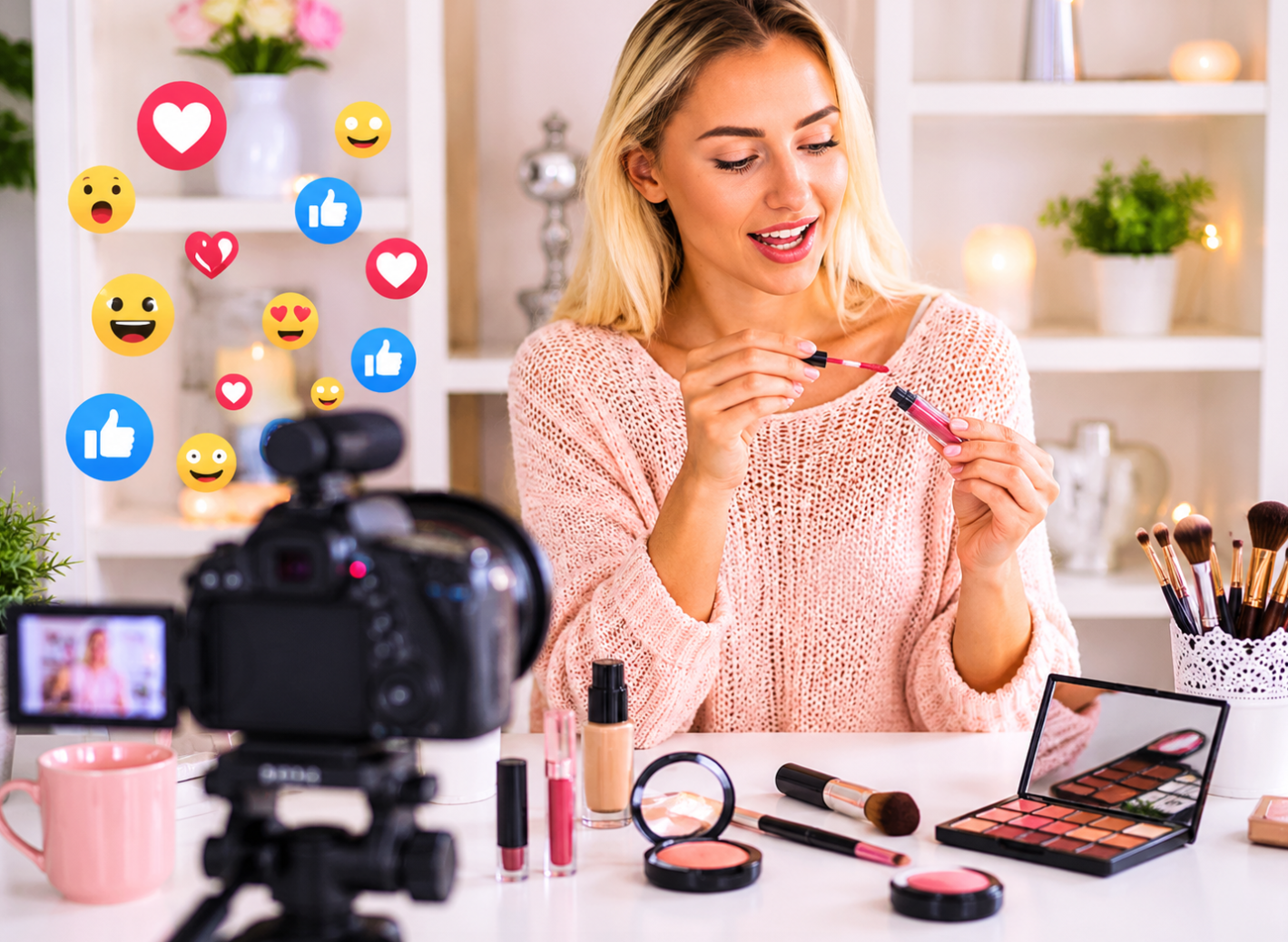
Beauty brands often use influencer affiliate marketing effectively because the products are visual, personal, and easy to demonstrate. A makeup creator can show product texture, color payoff, wear time, and final results while sharing a unique discount code. Followers who trust the creator’s taste may be more willing to purchase directly.
Fitness brands also benefit from this model. A fitness influencer can show workout gear, supplements, apps, resistance bands, clothing, or recovery tools in real training routines. This gives the audience practical context. Instead of seeing a static product photo, followers see how the product fits into an active lifestyle.
Large affiliate platforms such as Amazon Associates have also made it easier for creators to recommend products across many categories. A creator can share home tools, books, electronics, beauty products, kitchen items, or lifestyle products that match their niche. This flexibility allows influencers to build content around genuine recommendations while earning commissions.
These examples show that influencer affiliate marketing works best when the product is easy to explain, the creator has audience trust, and the recommendation feels natural. The campaign should not feel like a random promotion dropped into unrelated content. It should feel like something the audience expected the creator to talk about.
Practical Checklist for Brands
Before starting an influencer affiliate program, brands should prepare the foundation. A weak program can frustrate creators and produce poor results, even if the product is good. A clear structure makes it easier for influencers to promote confidently and for brands to measure accurately.
Common Mistakes to Avoid
One common mistake is treating influencers like simple advertising slots. Creators understand their audiences better than most brands do. If the brand controls every sentence, the content may feel stiff and ineffective. A good brief should guide the message while leaving room for the creator’s personality.
Another mistake is setting commissions too low. If the reward does not feel worth the effort, strong creators may not prioritize the campaign. Brands need to balance profitability with a commission structure that motivates high-quality promotion.
A third mistake is ignoring product-audience fit. Even an excellent influencer cannot sell a product their audience does not need. Relevance is more important than popularity. A niche creator with strong trust can outperform a larger creator with poor alignment.
Finally, some brands fail to maintain relationships after the first campaign. If an influencer performs well, the brand should consider long-term collaboration. Repeated exposure often builds more trust than a single post, especially when the creator continues to use the product naturally.
Final Thoughts
Influencer affiliate marketing is powerful because it combines two important forces: creator trust and measurable performance. Brands gain access to targeted communities and can track sales more clearly. Influencers gain a monetization method that rewards real influence, strong content, and authentic audience relationships.
The strongest campaigns are built on alignment. The product should fit the creator. The creator should fit the audience. The commission should feel fair. The content should feel natural. The tracking should be reliable. When these pieces work together, influencer affiliate marketing can become more than a one-time campaign. It can become a scalable growth channel.
For brands entering this space, the best approach is to start with clear goals, carefully selected creators, strong offers, and honest performance analysis. For influencers, the key is to protect audience trust by promoting products that genuinely make sense. In the long run, authenticity is what makes affiliate influence profitable and sustainable.
Final Reminder: Influencer affiliate marketing works best when trust, relevance, and tracking are all in place. Choose creators carefully, offer fair commissions, provide useful product information, disclose partnerships clearly, measure results consistently, and build long-term relationships with influencers who genuinely move the audience to action.