
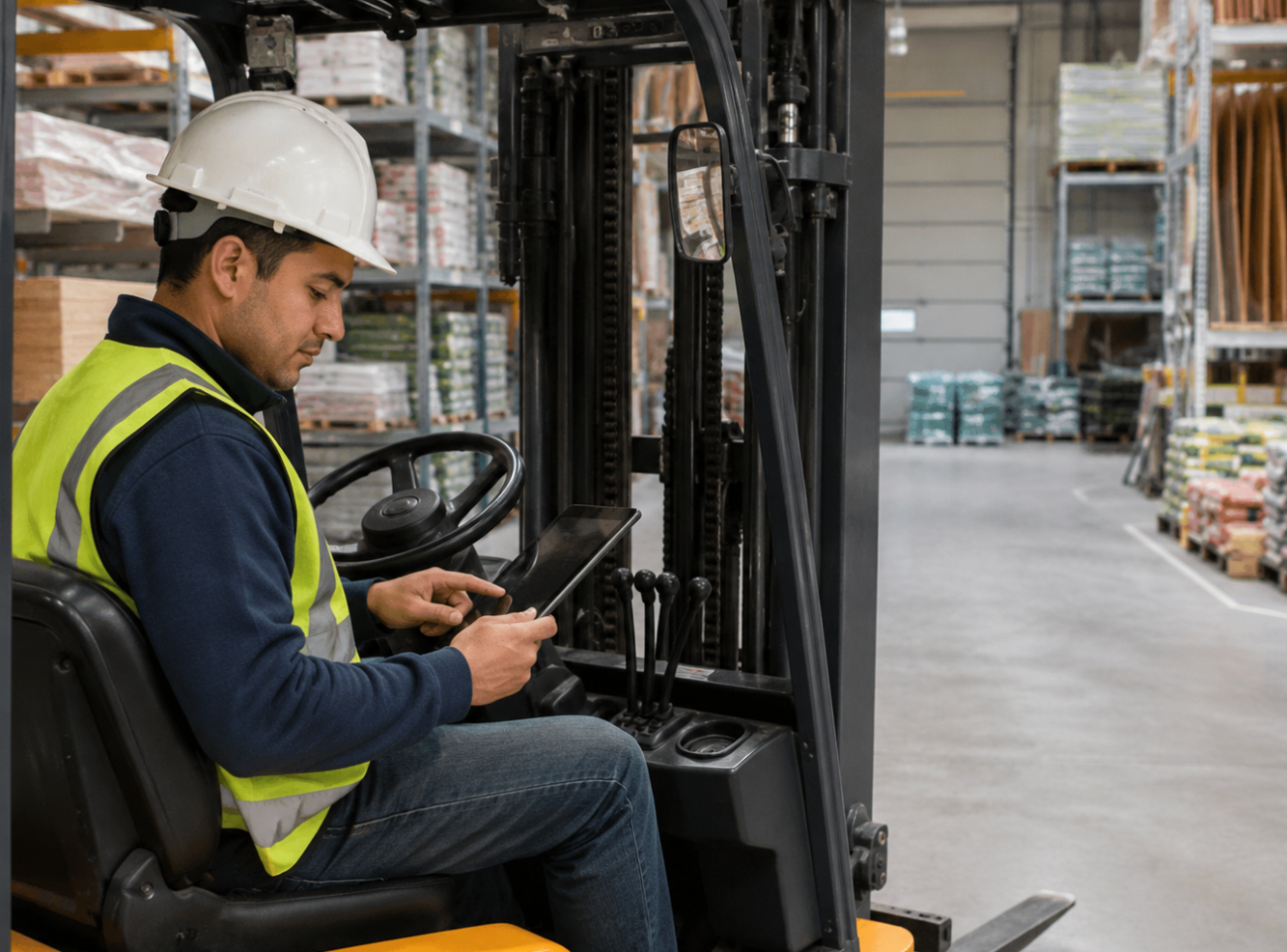
Distribution Warehouse Equipment Guide: Tools That Keep Logistics Moving
Article Summary: Distribution warehouse equipment plays a major role in how quickly, safely, and accurately products move from suppliers to customers. Common equipment includes forklifts, pallet jacks, shelving units, pallet racking, conveyor systems, automated storage and retrieval systems, warehouse management technology, robotics, and material handling tools. Choosing the right equipment depends on product type, warehouse layout, order volume, safety requirements, available space, and long-term growth plans. Modern warehouses are also being shaped by automation, smart sensors, real-time inventory systems, energy-efficient equipment, and flexible storage solutions. A strong equipment strategy helps warehouses reduce labor waste, improve inventory accuracy, protect workers, speed up fulfillment, and stay competitive in a logistics environment driven by e-commerce and faster delivery expectations.
Distribution warehouses sit at the center of modern logistics. They are the places where products are received, stored, organized, picked, packed, and shipped to customers, retailers, factories, or other facilities. When a warehouse works smoothly, customers rarely think about it. When it does not, delays, stock errors, damaged goods, and rising costs quickly become visible.
Behind every efficient distribution warehouse is the right mix of equipment. Forklifts move heavy pallets. Pallet jacks support quick short-distance movement. Shelving and racking systems keep inventory organized. Conveyor systems reduce manual handling. Automated storage systems improve speed and accuracy. Warehouse management software helps teams understand where inventory is and what needs to move next.
Equipment is not only about making work faster. It also affects safety, labor planning, storage capacity, product protection, order accuracy, and customer satisfaction. A warehouse with the wrong tools may look busy, but busy does not always mean productive. Workers may spend too much time walking, searching, lifting, waiting, or correcting mistakes.
The best equipment strategy begins with a simple question: what does this warehouse actually need to move, store, and ship every day? A warehouse that handles heavy industrial parts needs different equipment from one that ships small e-commerce parcels. A cold storage facility has different requirements from a retail distribution center. Equipment should fit the operation, not the other way around.
What Is Distribution Warehouse Equipment?
Distribution warehouse equipment refers to the tools, machines, storage systems, and technologies used to manage goods inside a warehouse or distribution center. These items help workers receive products, move materials, store inventory, pick orders, pack shipments, and load goods for delivery.
Some equipment is simple and familiar, such as pallet jacks, carts, bins, shelving, workstations, ladders, and packing tables. Other equipment is more advanced, such as forklifts, conveyor systems, automated guided vehicles, robotic picking systems, automated storage and retrieval systems, and warehouse management software.
The purpose of warehouse equipment is to make movement and storage more efficient. Goods should not sit in the wrong place, block aisles, require unnecessary lifting, or slow down the fulfillment process. With the right equipment, inventory can move through the warehouse in a more predictable and controlled way.
In a distribution environment, time matters. Every delay between receiving and shipping can affect the customer experience. Good equipment helps reduce wasted motion, protect products from damage, and keep warehouse teams focused on productive tasks.
Core Types of Distribution Warehouse Equipment
Most distribution warehouses use several categories of equipment. Each category supports a different part of the operation. Some tools are designed for lifting, some for storage, some for transportation, and others for tracking inventory or improving workflow.
These categories often work together. A forklift may move pallets from the receiving dock to racking. A pallet jack may move goods from staging to a nearby aisle. Shelving keeps products organized for picking. Conveyors transport packages to packing and shipping. Software tracks each movement so teams know what is available and where it is located.
Forklifts: The Heavy Lifters of the Warehouse
Forklifts are among the most recognizable pieces of warehouse equipment. They are used to lift and move heavy pallets, stack goods onto racks, unload trucks, and transport large materials across the warehouse floor. In many distribution centers, forklifts are essential to daily operations.
Different forklift types serve different needs. Electric forklifts are often used indoors because they are quieter and produce no direct exhaust during operation. Gas-powered or diesel-powered forklifts may be used in heavier outdoor or industrial environments. Reach trucks are useful for narrow aisles and high racking. Order pickers help workers retrieve items from elevated storage locations.
Choosing the right forklift depends on load weight, aisle width, lift height, floor condition, indoor or outdoor use, energy source, maintenance requirements, and operator training needs. A forklift that is too large may make aisles difficult to navigate. A forklift with too little capacity may create safety risks.
Forklift safety is just as important as productivity. Operators must be trained, loads must be balanced, speed must be controlled, and equipment must be inspected regularly. A well-managed forklift program can improve efficiency while reducing accidents and product damage.
Warehouse Safety Tip
Forklifts should be matched to the warehouse layout, load type, and operator skill level. The wrong forklift can slow down workflow and increase safety risks.
Pallet Jacks and Manual Handling Tools
Pallet jacks may be simpler than forklifts, but they are extremely useful. They allow workers to move palletized goods without needing a powered lift truck. In smaller warehouses, retail storage areas, and short-distance movement zones, pallet jacks can be one of the most practical tools on the floor.
Manual pallet jacks are cost-effective and easy to use for basic movement. Electric pallet jacks reduce physical effort and can be useful when workers need to move heavier loads or travel longer distances inside the facility. The choice depends on volume, distance, load weight, and labor conditions.
Other manual handling tools also matter. Carts, dollies, hand trucks, lift tables, bins, rolling racks, and packing carts help workers move items safely and efficiently. These tools may look basic, but they can reduce strain and prevent workers from carrying goods unnecessarily.
In a good warehouse layout, manual handling tools are placed where workers naturally need them. If employees must walk across the building to find a cart or pallet jack, the equipment is not supporting the workflow properly.
Shelving, Racking, and Storage Systems
Storage equipment determines how inventory is organized and accessed. A warehouse may have enough square footage, but if the storage system is poorly designed, workers may still waste time searching for products or moving items out of the way. Good storage makes the warehouse easier to understand.
Pallet racking is widely used for palletized goods. It allows inventory to be stored vertically, making better use of warehouse height. Selective pallet racking provides easy access to individual pallets, while denser systems may store more inventory in less space but require more careful planning.
Shelving units are useful for cartons, small parts, individual items, and order-picking areas. Adjustable shelving is especially valuable because product sizes change over time. A warehouse that handles many different SKUs needs storage that can adapt instead of forcing products into unsuitable spaces.
Storage design should consider product size, weight, turnover rate, picking frequency, fragility, and safety. Fast-moving products should usually be easier to reach. Heavy items should be placed where they can be handled safely. Fragile goods may need protective storage or special handling zones.
Conveyor Systems and Material Flow
Conveyor systems help move goods automatically through the warehouse. Instead of workers carrying or pushing items from one station to another, conveyors can transport cartons, packages, totes, or products along a planned path. This reduces repetitive movement and can improve fulfillment speed.
Conveyors are especially useful in high-volume picking, packing, sorting, and shipping operations. They can connect picking zones to packing stations, packing stations to labeling areas, and final packages to shipping docks. When designed well, conveyors create a smoother flow from order processing to dispatch.
However, conveyors should not be installed without careful planning. They take up space, affect worker movement, and can create bottlenecks if the rest of the operation is not balanced. A conveyor system that moves products quickly into a slow packing area may simply move the bottleneck from one place to another.
The best conveyor strategy considers product size, order volume, building layout, picking method, packing speed, and future growth. In many warehouses, conveyors work best when combined with warehouse management software, barcode scanning, and clear process design.
Automated Storage and Retrieval Systems
Automated storage and retrieval systems, often called ASRS, are designed to store and retrieve goods with limited manual handling. These systems may use cranes, shuttles, vertical lift modules, robotic systems, or automated racks to bring products to workers or move items to the correct location.
The main benefits are speed, accuracy, and space efficiency. Instead of a worker walking through long aisles to find an item, the system can bring the item closer to the picking station. This can reduce travel time, improve inventory control, and make better use of vertical space.
ASRS can be especially valuable for warehouses with high SKU counts, expensive inventory, limited floor space, or repetitive picking tasks. However, automation requires investment, maintenance planning, software integration, and process discipline. It is not something to add simply because it sounds modern.
Before investing in automated systems, managers should study order patterns, inventory movement, labor costs, error rates, available space, and long-term growth. Automation works best when it solves a real operational problem.
Automation Reminder
Automation should not be purchased only because it is advanced. It should solve a specific warehouse problem, such as high travel time, poor accuracy, limited space, or rising fulfillment volume.
Why Selecting the Right Equipment Matters
Equipment selection affects nearly every part of warehouse performance. The right equipment can improve speed, reduce labor strain, protect inventory, increase storage capacity, and make the warehouse safer. The wrong equipment can create congestion, damage goods, waste money, and frustrate employees.
Product type is one of the first factors to consider. Heavy pallets require different handling equipment from small lightweight items. Fragile products may need gentler handling and protective storage. Temperature-sensitive goods may require equipment suitable for cold storage or controlled environments.
Warehouse layout is another major factor. A narrow-aisle facility may need reach trucks or compact equipment. A large distribution center may need powered equipment, conveyors, or automated transport. A facility with multiple picking zones may need carts, scanning devices, and clear replenishment tools.
Safety should never be treated as an afterthought. Poorly chosen equipment can lead to collisions, lifting injuries, falling products, blocked exits, and damaged racks. Selecting equipment should always include safety review, operator training, and maintenance planning.
Technology in Modern Distribution Warehouses
Warehouse equipment is becoming more connected to technology. A modern distribution center may use warehouse management systems, barcode scanners, RFID, IoT sensors, robotics, automated vehicles, dashboards, and predictive maintenance tools. These technologies help managers understand what is happening inside the warehouse in real time.
A warehouse management system, or WMS, is one of the most important technologies. It helps track inventory locations, order status, receiving, picking, packing, shipping, and stock movement. When integrated with equipment and scanning tools, a WMS can reduce errors and improve visibility.
Robotics and automated guided vehicles can move goods across the warehouse with less manual labor. These systems may transport totes, pallets, or carts between zones. They can be especially useful in repetitive workflows where workers would otherwise spend too much time walking.
Smart sensors and IoT devices are also changing equipment maintenance. Instead of waiting for equipment to fail, sensors can help detect unusual vibration, temperature, battery behavior, or usage patterns. This supports predictive maintenance, which can reduce downtime and extend equipment life.
Trends Shaping the Future of Warehouse Equipment
Several trends are changing how distribution warehouses choose and use equipment. Automation is one of the strongest trends. As order volumes rise and labor becomes harder to manage, companies are looking for equipment that can reduce repetitive work and increase speed.
Sustainability is another important trend. Warehouse operators are paying more attention to energy use, emissions, battery technology, and equipment life cycle. Electric forklifts, energy-efficient conveyors, LED lighting, recyclable materials, and smarter power management are becoming more attractive.
Flexibility is also becoming more important because e-commerce has changed order patterns. Warehouses may need to handle smaller orders, faster shipping windows, more returns, and seasonal demand spikes. Equipment that can be moved, reconfigured, or scaled can give businesses an advantage.
Data-driven operations are another trend. Managers increasingly want to know how often equipment is used, where bottlenecks occur, how long tasks take, and when maintenance is needed. Equipment that provides useful data can support better planning and smarter investment decisions.
Practical Tips for Warehouse Managers
Warehouse managers should begin with training. Equipment only improves productivity when employees know how to use it safely and correctly. Forklift operators need proper instruction. Workers using pallet jacks, conveyors, scanners, and automated systems also need clear guidance. Training should be refreshed when equipment, layout, or procedures change.
Regular equipment audits are also useful. A warehouse changes over time. Product mix may shift, order volume may rise, new customers may require different service levels, and technology may improve. Equipment that worked five years ago may no longer be the best fit. Audits help managers identify outdated tools, underused equipment, safety concerns, and investment opportunities.
Safety culture should be built into daily work. Employees should feel comfortable reporting equipment issues, blocked aisles, near misses, or process problems. A warehouse that only reacts after accidents will struggle to maintain stable performance. Proactive safety communication can prevent many problems before they become serious.
Managers should also track performance. Useful metrics may include order accuracy, pick rate, equipment downtime, travel time, inventory accuracy, dock turnaround time, and safety incidents. These numbers help show whether equipment is actually improving the operation.
Management Tip
Review equipment performance regularly. A warehouse should not keep using a process only because it is familiar. If order volume, product mix, or layout changes, equipment needs may change too.
Common Mistakes to Avoid
One common mistake is buying equipment without understanding workflow. A machine may look useful in isolation, but if it does not fit the warehouse layout, product flow, or order volume, it may create more problems than it solves. Equipment decisions should be based on real operational needs.
Another mistake is ignoring maintenance. Forklifts, conveyors, pallet jacks, scanners, and automated systems all need upkeep. Waiting until equipment fails can lead to downtime, missed shipments, and safety issues. Preventive maintenance is usually less disruptive than emergency repair.
A third mistake is undertraining employees. Even excellent equipment can be dangerous or inefficient if workers do not know how to use it properly. Training should include not only operation, but also inspection, reporting, safety rules, and emergency procedures.
Finally, some warehouses over-automate too quickly. Automation can be powerful, but it should be introduced with planning. If processes are disorganized before automation, the technology may simply automate confusion. Clear workflows should come before major automation investment.
Final Thoughts
Distribution warehouse equipment is one of the foundations of successful logistics. The right tools help move products faster, store inventory more efficiently, protect workers, reduce errors, and support reliable order fulfillment. From forklifts and pallet jacks to conveyors, racking systems, robotics, and warehouse software, each piece of equipment has a role in the larger operation.
Choosing equipment should never be a random purchase. Managers need to consider product type, warehouse layout, order volume, labor needs, safety, maintenance, technology integration, and future growth. A tool that works well in one facility may not be suitable for another.
As warehousing continues to evolve, equipment will become more automated, connected, energy-efficient, and flexible. Companies that stay informed and regularly review their operations will be better prepared to handle rising customer expectations and changing supply chain demands.
Final Reminder: Distribution warehouse equipment should support speed, safety, accuracy, and flexibility. Choose tools based on real workflow needs, train employees properly, maintain equipment consistently, review performance data, and adapt as inventory, technology, and customer expectations change.