
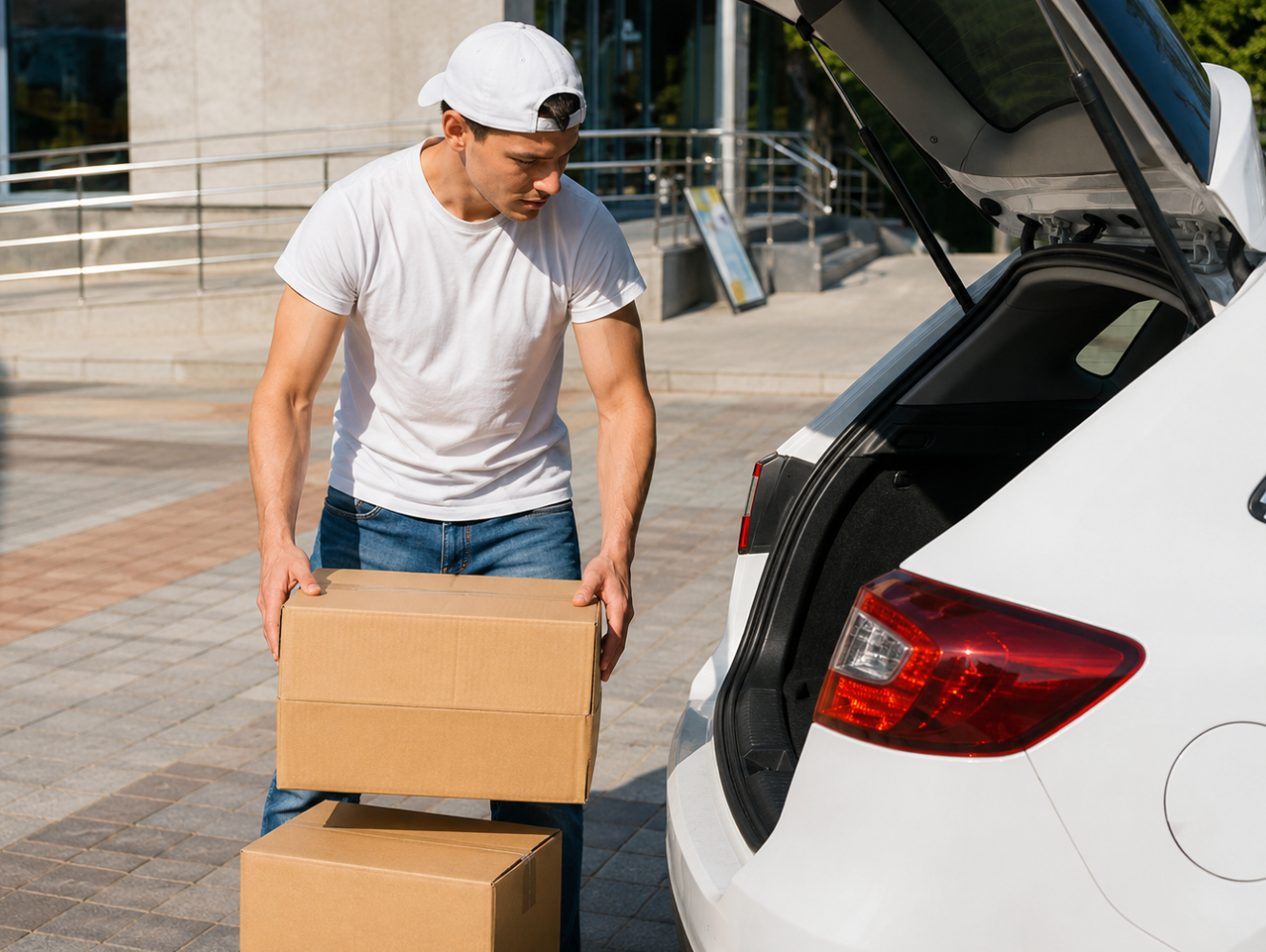
Delivering Packages With Your Car: A Practical Guide to Earning Extra Income
Article Summary: Delivering packages with your car has become a popular side income option as e-commerce, food delivery, and local courier services continue to grow. Platforms such as Amazon Flex, DoorDash, Uber Eats, Postmates-style delivery services, and other gig-based apps allow drivers to use their personal vehicles to complete deliveries on flexible schedules. The work can be appealing because it offers control over working hours, relatively simple entry requirements, and the potential to earn extra money during peak periods. However, real earnings depend on location, delivery demand, fuel costs, vehicle maintenance, route efficiency, platform bonuses, and time management. To succeed, drivers should choose the right platform, keep their vehicle in good condition, plan routes carefully, track expenses, work during profitable hours, and avoid overcommitting.
The rise of online shopping has changed the way products move from stores and warehouses to customers. People now expect packages, groceries, meals, and everyday items to arrive quickly, sometimes within hours. Behind that convenience is a growing network of drivers using their own cars to complete local deliveries.
For many people, delivering packages with a personal vehicle has become a practical side hustle. It does not usually require a commercial truck, a warehouse job, or a full-time schedule. A driver can often choose available delivery blocks, accept orders through an app, and earn money during evenings, weekends, lunch hours, or other open time.
The idea sounds simple: use your car, pick up items, deliver them, and get paid. In reality, the experience depends on several details. Different platforms have different rules. Earnings vary by city and demand. Fuel and maintenance costs can reduce profit. Good route planning can make a shift feel smooth, while poor planning can turn a few deliveries into a stressful drive across town.
This guide explains how package delivery with your car works, what to expect before signing up, how much drivers may earn, how to prepare your vehicle, and how to build a delivery routine that is profitable without burning yourself out.
How Package Delivery With Your Car Works
Package delivery with your own car usually works through an app-based platform. After signing up and being approved, drivers can view available delivery opportunities, accept assignments, pick up items from a designated location, and deliver them to customers. The app typically provides addresses, route details, customer instructions, and payment information.
Some platforms focus on packages from warehouses or retail stores. Others focus on food, groceries, convenience items, or local errands. The basic idea is similar, but the rhythm of the work can feel different. Package routes may involve multiple stops grouped together, while food delivery often involves one order at a time with more frequent restaurant pickups.
A delivery shift may begin with picking up items from a warehouse, store, restaurant, or pickup station. After that, the driver follows the app’s route or chooses the most efficient path. At each stop, the driver may need to scan the package, take a photo, follow drop-off notes, or confirm completion in the app.
The flexibility is one of the biggest appeals. Drivers can often work part-time, test different hours, and decide whether delivery fits their lifestyle. However, flexibility does not guarantee easy money. The most successful drivers treat it like a small business: they track time, mileage, fuel, platform pay, tips, bonuses, and vehicle expenses.
Popular Delivery Services to Consider
There are several types of delivery platforms that allow drivers to earn money with their cars. The best option depends on your location, schedule, vehicle type, and comfort level with different delivery tasks. Some people prefer packages because they do not want to wait at restaurants. Others prefer food delivery because the shifts can be shorter and more flexible.
Amazon Flex is often associated with package delivery blocks. DoorDash and Uber Eats are commonly used for food delivery. Grocery and retail delivery platforms may involve shopping for items before delivery or simply picking up prepared orders. Each platform has its own requirements, pay model, and driver experience, so it is worth comparing several before committing most of your time to one.
Basic Requirements for Delivery Drivers
Most delivery platforms require drivers to meet basic eligibility standards. These usually include a valid driver’s license, proof of insurance, an eligible vehicle, a smartphone, and the ability to pass a background check. Some services also require drivers to be at least 18 or 21 years old, depending on the type of delivery and local rules.
Vehicle requirements vary. Some food delivery services may allow smaller cars, scooters, or bicycles in certain cities. Package delivery platforms may require a midsize or larger vehicle because drivers may need to carry multiple packages at once. If you drive a compact car, check whether the platform accepts your vehicle before spending time on the application.
Insurance is another important detail. Personal auto insurance may not always cover delivery work in the same way it covers ordinary driving. Some platforms provide limited coverage during active deliveries, but drivers should read the policy carefully and consider speaking with their insurance provider. A misunderstanding here can become expensive if an accident happens.
Driver Reminder
Before accepting delivery work, check the platform’s vehicle rules, insurance coverage, background check requirements, pay structure, and whether your city has enough demand to make the time worthwhile.
Understanding Your Earning Potential
The earning potential for package delivery varies widely. Some drivers report solid hourly earnings during busy periods, while others find that fuel, waiting time, traffic, and vehicle wear reduce the profit. The difference often comes down to location, strategy, platform choice, and how carefully the driver tracks costs.
Gross earnings are not the same as net profit. If a platform shows that you earned a certain amount in a shift, that number does not automatically include fuel, maintenance, insurance, taxes, parking, tolls, or vehicle depreciation. A driver who understands the difference can make better decisions about which orders to accept and which hours to work.
Peak times can improve earnings. Food delivery may be stronger during lunch, dinner, weekends, and bad weather. Package delivery may be busier during holidays, promotional shopping periods, and high-volume retail seasons. Grocery delivery may increase during weekends, evenings, or before major events.
Incentives and bonuses can also make a difference. Some platforms offer extra pay for completing a certain number of deliveries, working during busy periods, or accepting routes in high-demand areas. These bonuses can be useful, but they should not be the only reason to work. Always compare bonus goals with the actual time and mileage required.
Route Planning: The Skill That Saves Time and Money
Efficient routing is one of the most important skills in delivery work. A driver who understands the local area, traffic patterns, parking rules, and neighborhood layout can often complete more deliveries in less time. That means better hourly earnings and less wasted fuel.
Many platforms provide route suggestions, but drivers should still pay attention. An app may not always know about construction, difficult apartment entrances, school traffic, event closures, or parking trouble. Tools like Google Maps and Waze can help, but local experience becomes more valuable over time.
For package routes with multiple stops, it helps to organize deliveries logically before leaving the pickup area. If packages are loaded randomly, a driver may waste time searching at every stop. Keeping items arranged by route order, neighborhood, or stop number can make the shift smoother.
Parking also matters. In dense cities, finding a legal and safe place to stop can take longer than the delivery itself. Drivers who learn building entrances, loading zones, apartment layouts, and safe stopping points can save a surprising amount of time.
Route Planning Tip
Before starting a route, organize packages so the next delivery is easy to find. A few minutes of sorting can save much more time during the route.
Preparing Your Vehicle for Delivery Work
Your vehicle is the foundation of your delivery business. If it breaks down, your income stops. If it is disorganized, each stop takes longer. If it uses too much fuel, your profit shrinks. Preparing your car properly makes delivery work safer, easier, and more efficient.
Basic maintenance should not be ignored. Oil changes, tire pressure, brakes, lights, windshield wipers, battery health, and fluid levels all matter when you are driving more than usual. Delivery work can add mileage quickly, so maintenance intervals may arrive sooner than expected.
Keeping the car organized helps too. Use the trunk, back seat, bins, or collapsible storage boxes to separate packages, food bags, and personal items. Food delivery drivers may benefit from insulated bags. Package drivers may benefit from a simple labeling or sorting system that keeps stops easy to find.
Cleanliness is also part of professionalism. Customers may not inspect your car closely, but a clean and organized vehicle makes the work feel smoother and reduces the risk of damaging packages or mixing up orders.
Managing Expenses and Taxes
Many delivery drivers work as independent contractors rather than traditional employees. This means they may be responsible for tracking expenses, setting aside money for taxes, and understanding which costs may be deductible. The exact rules depend on location and personal situation, so drivers should consult a qualified tax professional when needed.
Mileage is one of the most important numbers to track. Delivery work can put many miles on a vehicle, and mileage affects fuel, maintenance, depreciation, and possible tax deductions. Using a mileage tracking app or keeping accurate records can help drivers understand real profit.
Other expenses may include phone service, car cleaning supplies, insulated bags, tolls, parking, repairs, and platform-related costs. Not every expense is treated the same for tax purposes, but tracking them gives a clearer picture of whether the work is truly worth it.
A simple habit can help: after every shift, record total earnings, hours worked, miles driven, fuel spent, and any unusual expenses. Over time, this data shows which platforms, zones, and hours are most profitable.
Staying Safe While Delivering
Delivery work involves more than driving from one point to another. Drivers may enter unfamiliar neighborhoods, apartment buildings, parking lots, business areas, or rural roads. Safety should always come before speed, especially when working at night or during bad weather.
Good safety habits include keeping your phone charged, using a hands-free mount, parking legally when possible, avoiding risky shortcuts, locking your car when stepping away, and paying attention to surroundings. If a delivery location feels unsafe, follow the platform’s safety procedures and contact support when necessary.
Fatigue is another risk. Long driving hours can reduce attention and reaction time. Because delivery work is flexible, some drivers push themselves too hard in an attempt to earn more. This can backfire. Tired driving is unsafe and often leads to slower performance anyway.
Safety Reminder
No delivery is worth unsafe driving. Avoid rushing, take breaks, keep your phone mounted, follow parking rules when possible, and stop working if you feel too tired to drive safely.
Balancing Delivery Work With Personal Life
Flexibility is one of the biggest reasons people choose delivery work. A student may deliver after classes. A parent may work while children are at school. A full-time employee may drive on weekends. A retiree may use delivery work to stay active and earn extra income. The schedule can be shaped around life, which is a major advantage.
But flexibility can also become a trap if there are no boundaries. Because there is always another order, another block, or another bonus, some drivers keep working longer than planned. Over time, this can lead to fatigue, stress, and less time for family, rest, or personal goals.
Setting a weekly schedule helps. Decide how many hours you want to work and what income target makes sense. Then compare actual results against that target. If you need to drive too many hours to reach your goal, the platform or strategy may not be the best fit.
Delivery work should support your life, not consume it. The best side hustles are sustainable. They provide extra income without damaging health, safety, relationships, or long-term financial stability.
Practical Tips to Increase Your Delivery Earnings
One of the simplest ways to improve earnings is to work during high-demand periods. Instead of driving randomly, test different time blocks and compare results. You may find that a few peak hours produce more profit than a longer low-demand shift.
Another useful habit is multi-platform awareness. Some drivers sign up for more than one service so they can choose the best opportunities available. However, this should be managed carefully. Accepting orders from multiple apps at the same time can cause delays, poor service, and account problems if not handled responsibly.
Customer service can also affect results, especially on platforms where tips and ratings matter. Clear communication, careful handling, accurate drop-offs, and friendly professionalism can help maintain strong ratings and better long-term access to work.
Finally, know when to decline. Not every offer is worth accepting. A long-distance delivery with low pay may cost more in time and fuel than it earns. Experienced drivers learn to evaluate offers quickly by considering distance, pay, pickup delay, traffic, and final drop-off location.
Common Mistakes New Drivers Should Avoid
One common mistake is looking only at hourly pay without considering expenses. A shift may look profitable until fuel, mileage, tolls, and maintenance are included. Drivers should focus on net earnings, not only app-reported pay.
Another mistake is accepting every order. New drivers often feel pressure to say yes to everything, but some deliveries may not be worth the time or distance. Learning to evaluate offers is part of becoming efficient.
A third mistake is neglecting the car. Delivery work adds wear quickly. Skipping maintenance may save money today but create expensive repairs later. A reliable car is essential to reliable income.
Finally, many drivers overwork during the first few weeks. The excitement of earning can lead to long shifts, poor rest, and burnout. It is better to build a steady routine that can last than to push too hard and quit quickly.
Final Thoughts
Delivering packages with your car can be a practical way to earn extra income, especially for people who value flexible scheduling. The work is relatively easy to enter, and demand continues to grow as online shopping, food delivery, and local courier services become part of everyday life.
Still, success depends on treating delivery work seriously. Drivers should compare platforms, understand requirements, maintain their vehicles, plan routes efficiently, track expenses, and choose working hours carefully. The difference between casual driving and profitable delivery often comes down to preparation and discipline.
For the right person, delivery driving can be a flexible side hustle that fits around work, school, family, or other commitments. It may not be effortless money, but with smart habits and realistic expectations, your car can become a useful tool for earning more on your own schedule.
Final Reminder: Package delivery can be profitable when you manage it like a small business. Track your miles, protect your vehicle, work during strong demand, plan efficient routes, understand your insurance, and set limits so the side hustle stays useful instead of exhausting.