Solar Power Guide: How Clean Energy Is Changing Homes and Businesses
Article Summary: Solar power is one of the most practical renewable energy options for homeowners, businesses, and communities looking to reduce electricity costs and lower environmental impact. By using solar panels to capture sunlight and convert it into usable energy, solar systems can help power homes, commercial buildings, electric vehicles, and even larger grid-connected projects. The main technologies include photovoltaic systems, which turn sunlight directly into electricity, and solar thermal systems, which use sunlight to generate heat. Solar energy offers long-term benefits such as cleaner power, potential utility bill savings, energy independence, and increased property appeal. However, it also comes with challenges, including upfront installation costs, weather-dependent production, roof suitability, storage needs, and policy differences. With better technology, expanding incentives, and growing interest in sustainability, solar power is becoming a major part of the future energy conversation.
Solar power has moved from a niche environmental idea into a serious energy option for everyday life. More homeowners are looking at rooftop panels. Businesses are exploring solar systems to lower operating costs. Communities are discussing shared solar projects. Even people who are not ready to install panels are becoming more curious about how solar energy works and whether it makes financial sense.
The interest is easy to understand. Electricity bills can feel unpredictable, climate concerns are growing, and many people want more control over where their energy comes from. Solar power offers a way to use a resource that arrives every day: sunlight. Instead of depending only on fossil fuels or distant power plants, solar technology allows homes and businesses to generate electricity closer to where it is used.
Still, solar power is not a one-size-fits-all solution. It works beautifully for some properties and less effectively for others. The savings depend on sunlight, system size, local electricity rates, roof condition, incentives, financing, and how much energy a household or business uses. Before making a decision, it helps to understand both the promise and the practical limits of solar energy.
This guide explains the basics of solar power in a clear, practical way: how it works, why people choose it, what challenges to consider, what incentives may help reduce costs, and how solar technology may shape the future of energy.
What Is Solar Power?
Solar power is energy captured from sunlight and converted into usable power. The sun releases a huge amount of energy every day, and solar technology allows people to collect part of that energy for electricity, heating, and other practical uses.
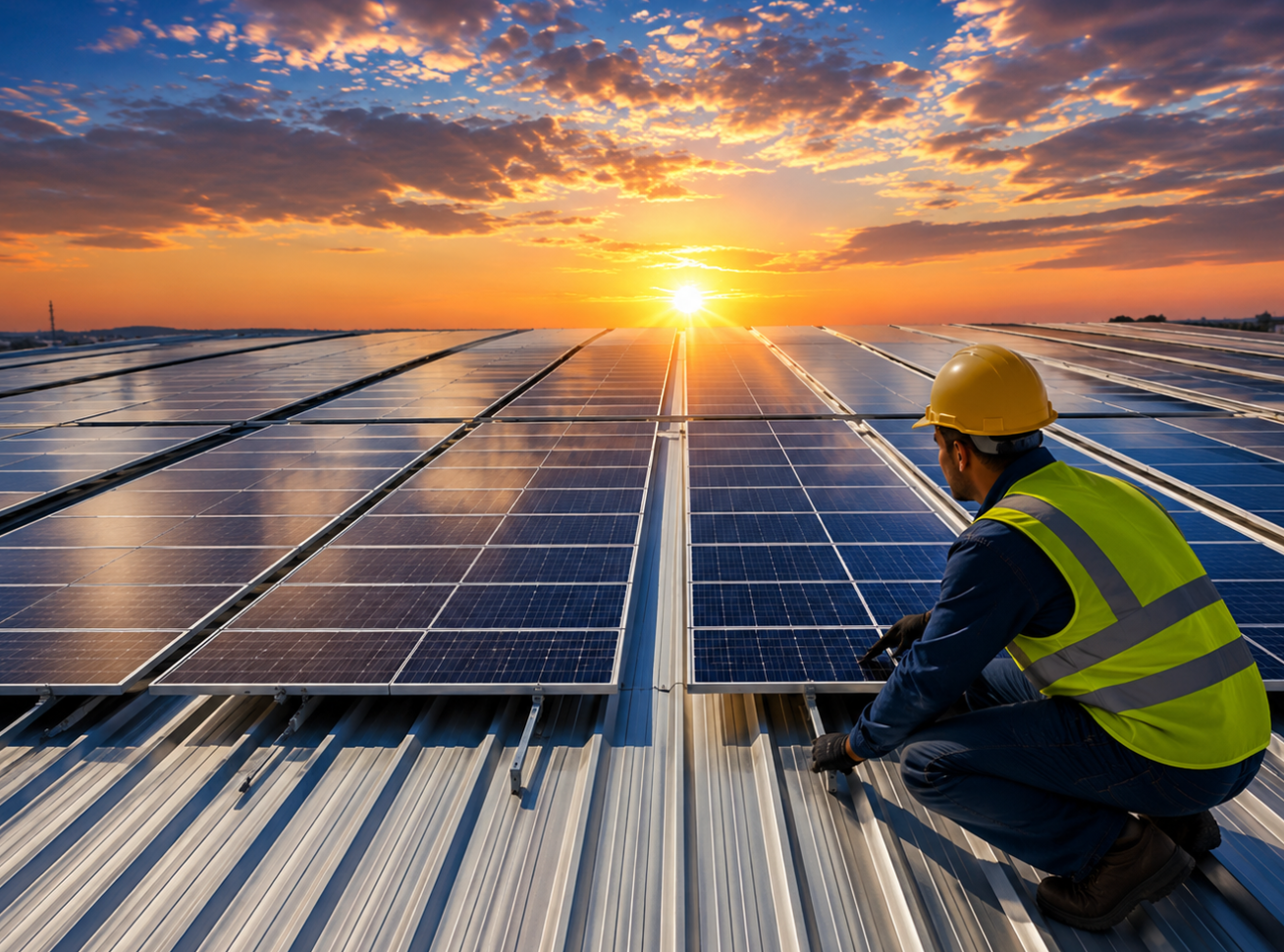
The most familiar form of solar power is the rooftop solar panel. These panels are usually part of a photovoltaic system, often called a PV system. Photovoltaic panels convert sunlight directly into electricity. This electricity can be used immediately, stored in batteries, or sent back to the electric grid depending on the system setup and local utility rules.
Solar power can also refer to solar thermal systems. Instead of turning sunlight directly into electricity, solar thermal technology uses sunlight to produce heat. That heat may warm water, support building heating, or, in larger systems, generate steam that helps produce electricity.
In everyday conversations, when people talk about “going solar,” they usually mean installing photovoltaic panels on a roof, ground-mounted rack, carport, or commercial building. But the broader solar energy field includes several technologies and applications, from small portable chargers to large solar farms supplying power to the grid.
How Solar Panels Turn Sunlight Into Electricity
Solar panels are made from many smaller solar cells, commonly using silicon. When sunlight hits these cells, it activates electrons inside the material. This movement creates an electric current. The process is known as the photovoltaic effect.
The electricity produced by solar panels is direct current, or DC electricity. Most homes and businesses use alternating current, or AC electricity. That is why a solar system usually includes an inverter. The inverter converts DC electricity into AC electricity so it can power appliances, lights, computers, heating and cooling equipment, and other everyday devices.
A solar system may also include mounting equipment, wiring, monitoring software, safety disconnects, and sometimes battery storage. The panels may be the most visible part, but the full system works together to produce, manage, and deliver energy safely.
Photovoltaic vs. Solar Thermal Systems
Photovoltaic and solar thermal systems both use sunlight, but they do different things. Photovoltaic systems create electricity directly. Solar thermal systems capture heat. Understanding the difference helps explain why solar energy can be used in more than one way.
Photovoltaic systems are the most common choice for residential electricity generation. They are used on rooftops, commercial buildings, solar farms, parking structures, and remote sites. They can power homes, offices, appliances, lighting, electric vehicle chargers, and grid-connected systems.
Solar thermal systems are more focused on heat. A simple solar water heating system, for example, may use sunlight to warm water for household use. Larger solar thermal power plants may concentrate sunlight to heat fluid and produce steam for electricity generation.
Simple Energy Tip
If your main goal is to generate electricity for your home or business, photovoltaic panels are usually the technology people mean when they talk about installing solar power.
Benefits of Solar Power
One of the biggest benefits of solar power is that it uses a renewable resource. The sun does not need to be mined, shipped, burned, or extracted from the ground. As long as sunlight is available, solar systems can continue producing energy without consuming fuel in the same way traditional power sources do.
Solar energy can also reduce carbon emissions. When a home or business uses electricity generated by solar panels, it may reduce reliance on electricity produced from fossil fuels. Over time, this can lower the environmental footprint associated with energy use.
Another major benefit is potential cost savings. A properly sized solar system can lower monthly utility bills by producing electricity on-site. The exact savings depend on system cost, electricity prices, energy usage, available sunlight, utility rules, and incentives. For many homeowners, the financial appeal comes from reducing long-term energy expenses rather than expecting instant savings on day one.
Solar can also improve energy independence. A home with panels and battery storage may have more flexibility during outages or periods of high electricity demand. While not every solar system provides backup power automatically, systems designed with storage can help households rely less completely on the grid.
Economic Considerations: Costs, Savings, and Value
The economics of solar power are one of the main reasons people research it carefully. Installing solar panels can require a meaningful upfront investment. Even though prices have generally become more competitive over time, the initial cost can still feel significant for many households.
The total cost depends on system size, panel type, inverter type, roof condition, labor, permitting, battery storage, and local market conditions. A simple rooftop system without batteries will usually have a different cost profile from a larger system with backup storage and more complex electrical work.
Savings depend on how much electricity the system produces and how much the household or business would otherwise pay for power. In places with high electricity rates and strong sunlight, solar may become financially attractive more quickly. In places with lower electricity costs or limited sun exposure, the payback period may be longer.
Solar may also affect property value. Many buyers like the idea of lower energy bills and cleaner power, especially if the system is owned rather than leased. However, the impact varies by location, system age, system condition, and local buyer demand.
Financial Reminder
Solar savings are highly local. Before installing panels, compare system cost, electricity rates, roof condition, incentives, financing terms, utility rules, and expected production for your specific property.
Challenges and Limitations of Solar Energy
Solar power has many benefits, but it also has real limitations. The first is variability. Solar panels produce the most power when sunlight is strong. Production drops at night, during heavy storms, and during periods of limited sunlight. This means solar power works best when paired with good energy planning.
Battery storage can help, but batteries add cost. Without storage, many grid-connected solar systems still rely on the electric grid when panels are not producing enough power. With storage, excess solar energy can be saved for later use, but homeowners need to decide whether the extra investment fits their goals.
Roof suitability is another important issue. A roof may be too shaded, too old, too small, or poorly oriented for strong solar performance. Trees, nearby buildings, roof angles, and structural condition can all affect whether solar panels are practical. In some cases, a roof may need repairs before panels are installed.
Installation and permitting can also take time. Homeowners may need site evaluations, system design, utility approvals, permits, inspections, and interconnection agreements. A good installer can help manage this process, but buyers should still understand that solar is not usually installed overnight.
Government Incentives and Solar Policies
Government incentives can make solar power more affordable. In the United States, federal, state, local, and utility programs may help reduce the cost of installing solar panels. These programs can include tax credits, rebates, financing support, performance-based incentives, and programs that allow homeowners to receive value for extra electricity sent to the grid.
Incentives are important because they can reduce the upfront financial burden. A household that qualifies for tax credits or rebates may see a lower effective system cost. Some utilities also have arrangements that allow solar customers to receive credit for excess production, although the rules and rates vary widely.
Because solar policies change over time, it is important to check current information before making a decision. A program available in one state may not exist in another. A rebate may have funding limits. A tax credit may have eligibility requirements. A utility’s rules for excess energy may affect the long-term savings calculation.
A qualified installer, tax professional, or local energy office can often help explain which incentives apply to a specific project. Still, homeowners should review the details themselves and avoid assuming that every advertised benefit applies automatically.
How to Decide If Solar Is Right for Your Home
Deciding whether to install solar panels begins with understanding your energy use. Look at your electricity bills over the past year. Notice seasonal changes, average monthly usage, and peak consumption periods. A household that uses more electricity may have more opportunity to benefit from solar production, especially if local electricity rates are high.
Next, consider your property. Does your roof receive strong sunlight? Is it shaded by trees or nearby buildings? Is the roof in good condition? Does it face a direction that supports efficient solar production? A professional solar assessment can estimate how much electricity a system may produce based on the specific location.
Financing is another major factor. Some homeowners buy solar systems outright. Others use loans, leases, or power purchase agreements. Each option has different implications for savings, ownership, maintenance responsibility, property value, and long-term flexibility. It is worth comparing several options carefully.
Finally, think about your long-term plans. If you expect to stay in the home for many years, solar may be more appealing because there is more time to benefit from savings. If you plan to move soon, the calculation may depend more heavily on property value, buyer interest, and transfer terms.
Homeowner Checklist
Before going solar, review your electricity bills, roof condition, sunlight exposure, system quote, financing terms, incentive eligibility, installer reputation, and expected payback period.
Solar Power for Businesses and Communities
Solar power is not only for individual homes. Businesses can use solar energy to reduce operating costs, support sustainability goals, and improve long-term energy planning. Warehouses, offices, schools, factories, farms, retail stores, and municipal buildings may have large roof areas or open land suitable for solar installations.
For businesses, solar can also support brand reputation. Customers, employees, and investors increasingly pay attention to sustainability. A visible solar installation can show that a company is taking practical steps toward cleaner energy use. However, the business case still needs careful financial review, especially when considering system size, demand charges, tax treatment, and operational needs.
Community solar is another growing model. It allows multiple participants to benefit from a shared solar project, even if they cannot install panels on their own property. This can be helpful for renters, apartment residents, shaded homes, or people who want solar access without rooftop installation.
These broader applications show why solar power is becoming part of the energy conversation at many levels: individual households, businesses, neighborhoods, utilities, and governments.
The Environmental Impact of Solar Energy
Solar power is widely viewed as a cleaner alternative to fossil fuel-based electricity. Once installed, solar panels generate electricity without producing direct emissions during operation. This can help reduce greenhouse gas emissions and air pollution associated with traditional power generation.
There are still environmental considerations. Solar panels require materials, manufacturing, transportation, installation, and eventual recycling or disposal. Large solar farms also require land planning. These impacts are real, but solar energy is still generally considered an important part of reducing long-term dependence on carbon-intensive energy sources.
Battery storage also has environmental questions, especially around mining, production, and end-of-life management. As the industry grows, recycling, responsible sourcing, and better battery technology will become increasingly important.
The environmental value of solar power improves when systems are well-designed, long-lasting, properly maintained, and supported by responsible manufacturing and recycling practices. Clean energy is not only about installation. It is also about managing the full life cycle thoughtfully.
The Future of Solar Power
The future of solar power looks promising because technology continues to improve. Solar panels are becoming more efficient, batteries are becoming more practical, and energy management systems are becoming smarter. These improvements can make solar easier to integrate into homes, businesses, and electric grids.
One important trend is the connection between solar power and battery storage. A solar system that produces electricity during the day becomes more flexible when extra power can be stored for evening use or backup support. As battery costs and technology improve, more households may consider pairing storage with solar panels.
Another trend is solar integration with electric vehicles. A home with solar panels may be able to offset part of the electricity used for EV charging. Businesses may also use solar carports and charging stations as part of broader energy and sustainability strategies.
Smart grids, community solar, improved financing, and better energy software may also expand access. Instead of solar being limited to certain homeowners, future models may allow more renters, apartment residents, businesses, and communities to participate in clean energy programs.
Common Mistakes to Avoid
One common mistake is focusing only on the lowest installation quote. A cheaper system is not always better if it uses lower-quality equipment, poor installation practices, unclear warranties, or weak customer support. Solar is a long-term investment, so reliability matters.
Another mistake is ignoring roof condition. Installing panels on a roof that will need replacement soon can create extra costs later. It is usually better to assess roof age and condition before installation rather than discovering problems after the system is already in place.
A third mistake is overestimating savings without reviewing the details. Solar proposals may show attractive numbers, but homeowners should understand assumptions about electricity rates, system production, incentives, financing costs, and utility policies.
Finally, some buyers forget to compare ownership models. Buying, financing, leasing, and power purchase agreements can all lead to different long-term outcomes. Before signing, it is important to understand who owns the system, who maintains it, what happens if the home is sold, and how savings are calculated.
Final Thoughts
Solar power is reshaping the way people think about energy. It offers a practical path toward cleaner electricity, potential bill savings, and greater energy independence. For homeowners, businesses, and communities, solar can be both an environmental choice and a financial decision.
The technology itself is straightforward in concept: panels capture sunlight, the system converts it into usable electricity, and that energy helps power daily life. The decision to go solar, however, requires careful review of cost, property conditions, incentives, storage options, utility rules, and long-term goals.
As technology improves and more people look for sustainable energy options, solar power will likely become an even more important part of the energy landscape. It may not solve every energy challenge on its own, but it is already helping households, businesses, and communities move toward a cleaner and more flexible future.
Final Reminder: Solar power works best when the decision is based on real numbers and real property conditions. Review your energy usage, roof suitability, installation quote, financing plan, incentive eligibility, battery needs, and local utility rules before moving forward. A well-planned solar system can provide cleaner energy and long-term value, but careful evaluation is what makes the investment smarter.