
Ear Infections in Children: Causes, Symptoms, Treatment, Prevention, and When to Worry
Article Summary: Ear infections, also called acute otitis media, are very common in babies and young children. They happen when the middle ear, the small space behind the eardrum, becomes inflamed and filled with fluid or germs. Children are more prone to ear infections because their eustachian tubes are smaller, softer, and easier to block. Common triggers include colds, flu, allergies, sinus drainage, enlarged tonsils, smoke exposure, daycare germs, and bacterial infection after a virus. Symptoms may include ear pain, fever, trouble sleeping, crying while feeding, vomiting, diarrhea, temporary hearing difficulty, or pulling at the ear. Some infections clear without antibiotics, while others may need medicine. Prevention focuses on vaccines, handwashing, avoiding tobacco smoke, breastfeeding when possible, safe bottle-feeding positions, and reducing exposure to respiratory infections.
Ear infections are one of the most familiar childhood health problems. Many parents first notice something is wrong when a baby suddenly cries during feeding, pulls at one ear, sleeps poorly, or becomes unusually fussy after a cold. In older children, the complaint may be more direct: “My ear hurts.”
Although ear infections can be painful and stressful, they are also extremely common. Many children experience at least one ear infection during the first few years of life. The reason has a lot to do with childhood anatomy: the tiny tubes that help drain and ventilate the middle ear are still developing, which makes blockage easier.
The good news is that most ear infections can be treated successfully, and some even improve on their own. The key is knowing what causes them, what symptoms to watch for, when antibiotics may be useful, and when repeated infections need closer attention.
Medical Reminder: This article is for general educational purposes only. If your child has severe ear pain, high fever, drainage from the ear, stiff neck, swelling around the ear, unusual sleepiness, repeated vomiting, or symptoms in a baby younger than 6 months, contact a healthcare provider promptly.
What Is an Ear Infection?
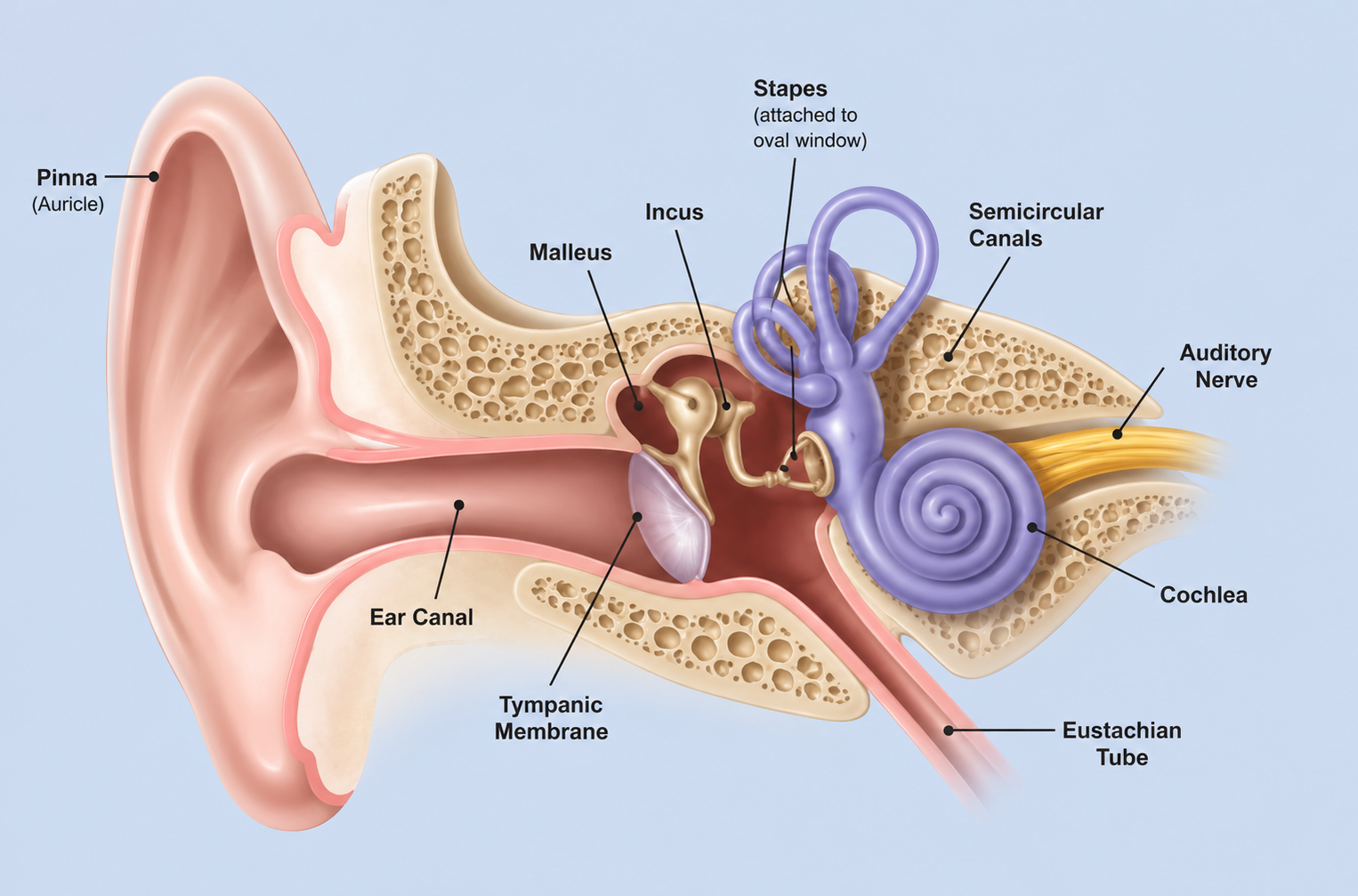
An ear infection usually refers to an infection in the middle ear, the air-filled space behind the eardrum. This area contains tiny bones that help transmit sound and support hearing. When the middle ear becomes blocked, fluid can build up. If germs grow in that trapped fluid, inflammation and infection can develop.
The medical term for a typical middle ear infection is acute otitis media. “Acute” means it comes on relatively quickly, “otitis” refers to ear inflammation, and “media” refers to the middle ear. Children can also have fluid in the middle ear without an active infection, which is called otitis media with effusion.
Simple Explanation
An ear infection happens when fluid gets trapped behind the eardrum and germs grow there. The pressure and inflammation can cause pain, fever, hearing trouble, crying, and poor sleep.
Why Children Get Ear Infections So Often
Children are not just “unlucky” when it comes to ear infections. Their bodies are built in a way that makes ear problems more likely during early childhood. The eustachian tube, which connects the middle ear to the back of the nose and throat, helps air move in and fluid drain out. In babies and young children, this tube is shorter, narrower, and softer than it is in adults.
When a child gets a cold, flu, allergy flare, or sinus drainage, the eustachian tube can swell shut. Once air cannot move properly, the middle ear becomes warm, damp, and poorly ventilated. That creates a comfortable place for viruses or bacteria to grow.
Small Tubes
Young children have smaller eustachian tubes that are easier to block during illness.
Frequent Colds
Colds and flu can cause swelling that traps fluid behind the eardrum.
Developing Immunity
Babies and toddlers are still building immunity, so respiratory infections are common.
What Causes an Ear Infection?
The most common starting point is an upper respiratory infection, such as a cold or the flu. These illnesses can cause swelling around the nose, throat, and eustachian tubes. When the tube is blocked, fluid cannot drain properly from the middle ear.
Allergies can create a similar problem. Pollen, dust, pet dander, mold, or food allergies may increase mucus and swelling. Smoke, fumes, and other irritants may also inflame the airways and raise the chance of ear problems.
Symptoms of an Ear Infection in Children
Ear infection symptoms can look different depending on the child’s age. Older children may clearly say their ear hurts. Babies and toddlers cannot always explain the pain, so parents may notice behavior changes instead.
Common symptoms may include:
✓ Ear pain or ear pressure.
✓ Rubbing, tugging, or pulling at the ear.
✓ Fever.
✓ Crying, irritability, or fussiness.
✓ Trouble sleeping or waking often at night.
✓ Loss of appetite or feeding difficulty.
✓ Pain while sucking or swallowing.
✓ Temporary trouble hearing.
✓ Vomiting or diarrhea, especially in babies.
Parent Tip
Babies may cry more during feeding because sucking and swallowing can change pressure in the middle ear. If feeding suddenly becomes painful after a cold, an ear infection may be one possible reason.
Acute, Recurrent, and Fluid-Only Ear Problems
Not every ear problem is the same. Some children get one infection and recover fully. Others develop repeated infections. Some have fluid trapped behind the eardrum even after infection symptoms are gone.
Risk Factors for Repeat Ear Infections
Some children are more likely to have repeated ear infections. This does not mean parents have done anything wrong. Risk can be influenced by anatomy, genetics, immune function, feeding patterns, daycare exposure, and household environment.
Factors that may raise risk include:
✓ Family history of ear infections.
✓ Attending group daycare.
✓ Living with tobacco smoke exposure.
✓ Bottle-feeding while lying flat.
✓ Cleft palate or other palate differences.
✓ Weakened immune system.
✓ Chronic respiratory conditions such as asthma or cystic fibrosis.
✓ Frequent colds, allergies, or sinus problems.
How Doctors Diagnose an Ear Infection
A doctor usually diagnoses an ear infection by looking inside the ear with a special lighted instrument called an otoscope. They check whether the eardrum looks red, swollen, bulging, or filled with fluid behind it. A bulging eardrum is one of the important signs of a true middle ear infection.
The doctor may also ask about fever, recent cold symptoms, sleep changes, feeding difficulty, ear pulling, hearing changes, and whether the child has had repeated infections.
Do All Ear Infections Need Antibiotics?
Not always. Some ear infections improve without antibiotics, especially when symptoms are mild and the child is old enough to be safely observed. In other cases, antibiotics are important, particularly when the child is very young, symptoms are severe, fever is high, or both ears are involved.
When antibiotics are prescribed, amoxicillin is often a common first choice. The medicine may begin helping within a day or two, but it is important to finish the full course unless the doctor gives different instructions.
Antibiotic Safety Note
If your child is prescribed antibiotics, make sure they take the medicine exactly as directed. Stopping early can allow bacteria to return and may contribute to antibiotic resistance.
Antibiotics, Observation, and Ear Fluid: A Practical Comparison
Pain Relief and Comfort at Home
Ear infections can hurt, even when they are not dangerous. Pain relief is often the most important part of early care. A child may sleep, drink, and recover better when pain is controlled.
Comfort steps may include:
✓ Use acetaminophen or ibuprofen if age-appropriate and doctor-approved.
✓ Follow dosage instructions carefully.
✓ Never give aspirin to children unless a doctor specifically says to.
✓ Keep the child hydrated.
✓ Let the child rest in a comfortable position.
✓ Avoid feeding a baby while lying completely flat.
✓ Ask a doctor before putting any drops or oils into the ear.
✓ Call the doctor if pain worsens or does not improve.
Ear Drop Safety Warning
Do not place oils, herbal drops, or over-the-counter ear drops into a child’s ear without checking with a pediatrician, especially if there is ear drainage, a possible ruptured eardrum, ear tubes, or severe pain.
Ear Tubes: When Are They Considered?
Ear tubes are tiny tubes placed into the eardrum during a short procedure called myringotomy. They help ventilate the middle ear and allow fluid to drain. For some children with repeated infections or long-lasting fluid that affects hearing, ear tubes may be helpful.
However, ear tubes are not always needed. Many children improve as they grow and their eustachian tubes mature. Doctors may monitor fluid and hearing for a period before recommending surgery, especially if language development and hearing are not being significantly affected.
Why Misusing Antibiotics Can Be a Problem
Antibiotics are important when they are truly needed. But using antibiotics when they are not necessary can contribute to antibiotic resistance. That means bacteria learn how to survive medicines that used to kill them. Over time, infections can become harder to treat.
This is one reason pediatricians may not automatically prescribe antibiotics for every earache or every case of ear fluid. If a child has fluid without fever or infection signs, antibiotics may not help. The best approach depends on the child’s age, symptoms, exam findings, and medical history.
Balanced Treatment Tip
A doctor may recommend either antibiotics or observation. Both can be reasonable depending on the situation. What matters most is careful follow-up and knowing when symptoms are getting worse.
Possible Complications of Ear Infections
Most ear infections clear without lasting problems. However, repeated infections or long-lasting fluid can cause temporary hearing loss. In early childhood, hearing is closely tied to speech and language development, so persistent hearing problems should be taken seriously.
How to Help Prevent Ear Infections
Ear infections cannot always be prevented, but certain habits can lower the risk. Prevention focuses on reducing respiratory infections, avoiding airway irritants, supporting immunity, and keeping the eustachian tubes as healthy as possible.
Prevention checklist
✓ Keep recommended vaccines up to date.
✓ Encourage frequent handwashing.
✓ Avoid tobacco smoke and secondhand smoke.
✓ Reduce exposure to harsh chemical fumes when possible.
✓ Control allergies with help from a doctor.
✓ Breastfeed for at least 6 months if possible.
✓ Hold babies upright during bottle-feeding.
✓ Choose daycare policies that encourage sick children to stay home.
Vaccines and Ear Infection Risk
Vaccines do not prevent every ear infection, but they can reduce infections caused by certain bacteria and viruses. Pneumococcal vaccines help protect against some bacteria that can cause ear infections as well as more serious illnesses such as pneumonia, meningitis, and bloodstream infections. Flu vaccination may also reduce ear infections triggered by influenza.
Vaccine Tip
Ask your pediatrician whether your child is current on pneumococcal and flu vaccines. Staying up to date may reduce some ear infection risks and protect against more serious infections.
Feeding Habits That May Help
Feeding position can matter, especially for babies. When a baby drinks while lying flat, fluid and pressure changes may affect the eustachian tubes. Holding the baby’s head higher than the stomach during bottle-feeding may help reduce blockage risk.
When to Call the Doctor
Parents should not have to guess alone. If a child seems very uncomfortable, has fever, cannot sleep, refuses fluids, or has repeated symptoms, a pediatrician can check the eardrum and recommend the safest treatment plan.
Seek Medical Care Promptly If Your Child Has:
Severe or worsening ear pain.
Fever that is high, persistent, or concerning for your child’s age.
Fluid, pus, or blood draining from the ear.
Swelling, redness, or tenderness behind the ear.
Stiff neck, severe headache, unusual sleepiness, or confusion.
Poor feeding, dehydration signs, or repeated vomiting.
Ear symptoms in a baby younger than 6 months.
Hearing problems that persist after the infection improves.
Questions to Ask Your Child’s Doctor
Does my child have an active ear infection or only fluid behind the eardrum?
Does my child need antibiotics, or is observation safe?
What pain medicine is appropriate for my child’s age and weight?
How soon should symptoms start improving?
What signs mean I should call again or seek urgent care?
Could allergies or enlarged tonsils be contributing?
Does my child need a hearing test?
How many infections would be considered recurrent?
Should we consider an ear, nose, and throat specialist?
Are ear tubes something we may need to discuss later?
Frequently Asked Questions About Ear Infections
Can an ear infection go away on its own?
Yes, some ear infections improve without antibiotics. However, a doctor should decide whether observation is safe based on your child’s age, symptoms, fever, and ear exam.
How do I know if my baby has an ear infection?
Babies may tug at the ear, cry more than usual, sleep poorly, feed less, develop fever, or cry during sucking. Because symptoms can be vague, a pediatrician needs to examine the ear to confirm the diagnosis.
Are ear infections contagious?
The ear infection itself is not usually spread from child to child, but the cold or flu virus that triggered it can be contagious. Handwashing and keeping sick children home can reduce spread.
Can ear infections affect hearing?
Yes. Fluid behind the eardrum can cause temporary hearing loss or muffled hearing. If fluid or hearing problems continue, your child may need follow-up or a hearing test.
When are ear tubes needed?
Ear tubes may be considered for repeated ear infections or persistent middle ear fluid that affects hearing. The decision depends on infection frequency, hearing results, speech development, and specialist evaluation.
Should I put oil or drops in my child’s ear?
Ask your pediatrician first. Ear drops or oils may not be safe if the eardrum is ruptured, if the child has ear tubes, or if there is drainage from the ear.
Final Thoughts: Ear Infections Are Common, but Follow-Up Matters
Ear infections are a normal part of childhood for many families, but that does not make them easy. A child in pain may refuse food, cry through the night, or seem miserable after what started as a simple cold. For parents, the hardest part is often deciding whether to wait, call the doctor, or ask about antibiotics.
The best approach is balanced. Some ear infections clear on their own, while others need antibiotics. Fluid behind the eardrum may take time to drain, and repeated infections deserve closer attention, especially if hearing or speech development is affected.
Prevention also matters. Vaccines, handwashing, smoke-free air, safe feeding positions, allergy control, and thoughtful daycare choices can all reduce risk. While no prevention plan is perfect, these small habits can help protect your child’s ears and overall health.
Final Reminder: Ear infections are common in children and often follow colds, flu, allergies, or eustachian tube blockage. Seek medical care if your child has severe pain, high fever, ear drainage, persistent hearing trouble, repeated infections, or symptoms that do not improve as expected.