
Dystonia: Symptoms, Causes, Types, Diagnosis, Treatment Options, and Daily Management
Article Summary: Dystonia is a neurological movement disorder that causes involuntary muscle contractions, spasms, twisting movements, abnormal postures, tremors, pain, and fatigue. It may affect one muscle, a specific body region, several body parts, or the entire body. Symptoms can involve the neck, eyelids, jaw, tongue, hands, feet, vocal cords, torso, or limbs. Some people develop dystonia because of inherited gene changes, while others develop it after brain injury, stroke, medication reactions, infection, oxygen deprivation, or other neurological damage. In many cases, the exact cause is unknown. Treatment may include medications, botulinum toxin injections, deep brain stimulation, physical therapy, speech therapy, occupational therapy, stress management, and practical home strategies.
Dystonia can be difficult to understand at first because it does not always look the same from one person to another. For one person, it may appear as a painful twisting of the neck. For another, it may show up as uncontrollable blinking, a hand that cramps while writing, a voice that suddenly sounds strained, or a foot that pulls into an unusual position while walking.
At its core, dystonia is a problem with movement control. The muscles contract when they should not, or they stay contracted for too long. These contractions can pull the body into awkward positions, cause repetitive movements, interfere with daily tasks, and create pain or exhaustion over time.
Some forms of dystonia are mild and manageable. Others can significantly affect walking, speaking, writing, working, eating, or social life. Although dystonia is usually not life-threatening, it can be physically and emotionally draining. The good news is that treatment can often reduce symptoms and help people regain better control over daily activities.
Medical Reminder: This article is for general educational purposes only. If you have new or worsening muscle spasms, trouble walking, trouble swallowing, speech changes, severe pain, weakness, or symptoms after starting a medication, speak with a healthcare provider or neurologist.
What Is Dystonia?
Dystonia is a neurological movement disorder that causes muscles to contract involuntarily. These contractions may lead to twisting movements, repetitive motions, tremors, abnormal postures, or painful spasms. The condition can affect a single muscle, a group of muscles, one body region, or many areas at the same time.
Dystonia is not simply ordinary muscle cramping. The problem begins in the nervous system, especially in the brain circuits that help control movement. When those signals become disrupted, the muscles may receive incorrect messages, causing them to tighten or move when the person does not intend them to.
Simple Explanation
Dystonia means the brain sends abnormal movement signals to certain muscles. As a result, those muscles tighten, twist, pull, or spasm without the person choosing to move them.
Dystonia vs. Dyskinesia: What Is the Difference?
Dystonia and dyskinesia are both movement problems, so they are sometimes confused. The main difference is that dystonia often involves sustained muscle contractions, pulling, twisting, or abnormal postures. Dyskinesia usually refers to involuntary movements that may be more flowing, jerky, restless, or irregular.
Common Symptoms of Dystonia
The main symptom of dystonia is uncontrollable muscle movement or contraction. Symptoms may be mild at first and appear only during certain activities. Over time, they may become more frequent, more painful, or more noticeable.
Early or common symptoms may include:
✓ A dragging leg or unusual walking pattern.
✓ Foot cramping or pulling.
✓ Involuntary pulling or twisting of the neck.
✓ Uncontrollable blinking or eyelid closure.
✓ Trouble speaking clearly.
✓ Handwriting that worsens after writing a few lines.
✓ Tremor or shaking in an affected area.
✓ Pain, fatigue, or soreness from repeated contractions.
Stress, fatigue, anxiety, or repeated use of a specific muscle group may make symptoms worse. Some people notice symptoms only during a certain task, such as writing, typing, playing an instrument, speaking, or walking.
Practical Observation
Dystonia symptoms may not be constant. They can fluctuate during the day, worsen with fatigue, and improve temporarily with rest, certain positions, or sensory tricks.
How Symptoms May Progress by Age
The age when dystonia begins can affect how it behaves. Childhood-onset dystonia often starts in a foot or hand and may spread to other parts of the body. Adult-onset dystonia more often begins in the upper body and may remain more localized, although this is not always the case.
What Causes Dystonia?
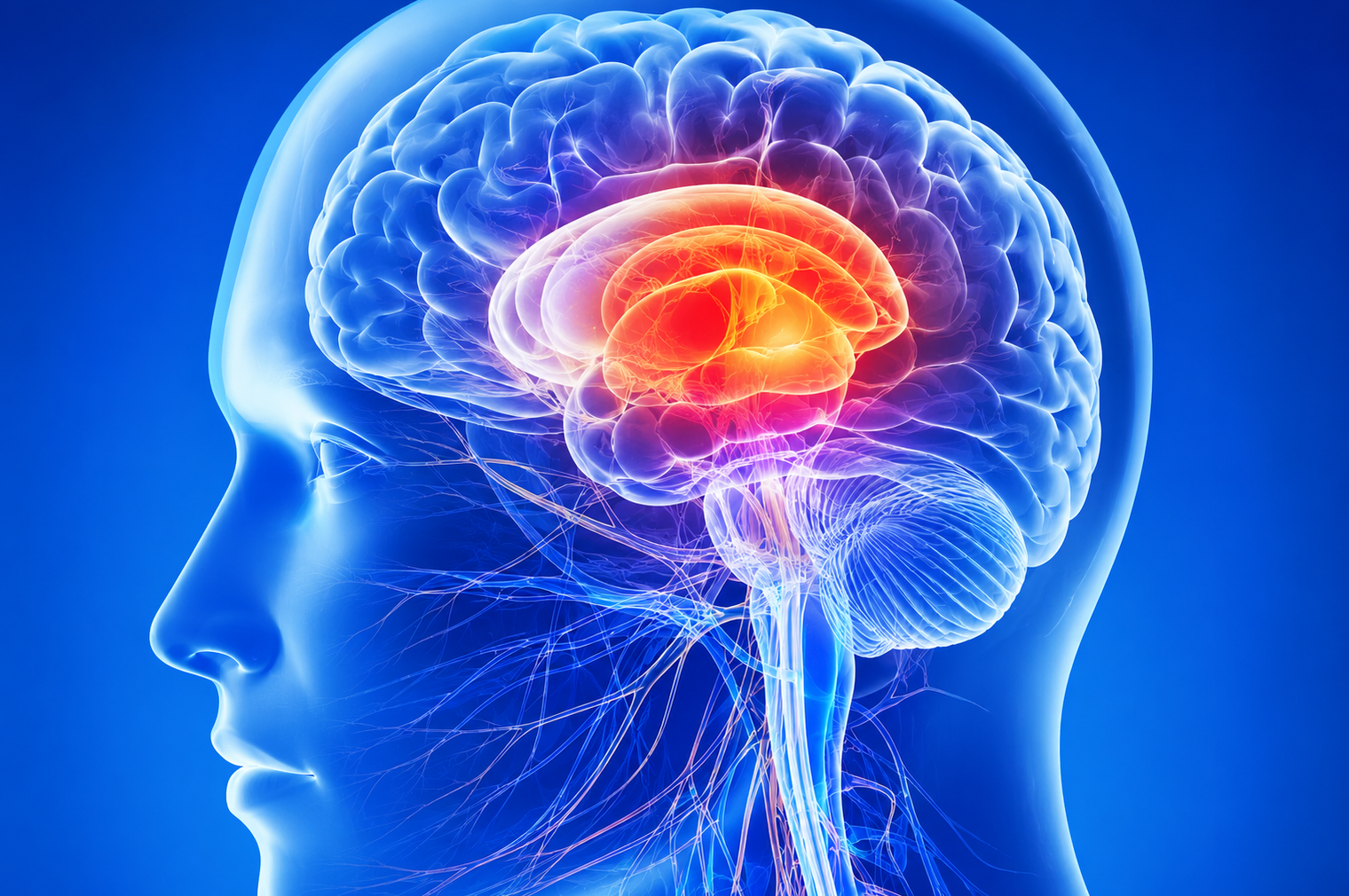
Many dystonia cases are linked to problems in the brain circuits that control movement. One important region is the basal ganglia, which helps coordinate muscle activity. When communication between nerve cells is disrupted, muscles may contract too strongly, at the wrong time, or in the wrong pattern.
Doctors often classify dystonia into three major cause categories: genetic, acquired, and idiopathic. This classification helps guide testing, treatment planning, and family counseling.
Genetic Dystonia
Caused by inherited gene changes that affect movement control pathways.
Acquired Dystonia
Develops after brain injury, stroke, infection, oxygen deprivation, toxin exposure, or medication reaction.
Idiopathic Dystonia
Occurs without a clearly identified cause, even after medical evaluation.
Genetic Dystonia
Genetic dystonia happens when a person inherits or develops a gene change associated with dystonia. Several genes have been linked to different dystonia patterns. Some forms begin in childhood, while others may appear later. Genetic dystonia does not always mean every family member will develop symptoms, but family history can be an important clue.
Acquired Dystonia
Acquired dystonia, sometimes called secondary dystonia, develops after something damages or disrupts the brain’s movement-control system. Unlike many genetic forms, acquired dystonia often affects one specific body region and may not spread as widely.
Possible causes of acquired dystonia include:
✓ Brain trauma or head injury.
✓ Stroke.
✓ Brain tumor.
✓ Oxygen deprivation, including around birth.
✓ Infection affecting the nervous system.
✓ Carbon monoxide or heavy metal poisoning.
✓ Medication reactions or drug interactions.
✓ Tardive dystonia after certain medications.
Medication Warning
If muscle spasms, twisting movements, jaw tightness, eye movements, or abnormal postures begin after starting or changing a medication, contact a healthcare provider promptly. Do not stop prescription medicine without medical guidance unless you are told to do so urgently.
Main Types of Dystonia by Body Area
Dystonia is often named by the body part it affects. Some forms involve the neck or face. Others involve the voice, jaw, hands, arms, torso, or legs. A person can also have more than one type at the same time.
Task-Specific Dystonia: When Symptoms Appear During One Activity
Task-specific dystonia is especially frustrating because symptoms may appear only during a particular activity. A person may use their hand normally for many tasks but suddenly develop cramping, twisting, or loss of control while writing. Musicians may notice that symptoms appear only when playing a specific instrument.
Writer’s Cramp
Hand or forearm muscles cramp, tighten, or twist during writing.
Musician’s Dystonia
Fine motor control changes while playing an instrument, often affecting professional performance.
Voice-Related Dystonia
Vocal control becomes strained, breathy, shaky, or interrupted during speech or singing.
How Dystonia Is Diagnosed
There is no single test that confirms every case of dystonia. Diagnosis usually begins with a detailed medical history, family history, medication review, symptom description, and neurological exam. A doctor will look at the pattern of movements, the body parts involved, triggers, age of onset, and whether other neurological symptoms are present.
Testing is often done to rule out other conditions that can look similar. Depending on the situation, a doctor may recommend blood tests, urine tests, imaging, genetic testing, EEG, EMG, or cerebrospinal fluid testing.
Treatment Options for Dystonia
Dystonia treatment is usually personalized. The best plan depends on the type of dystonia, the affected muscles, severity, pain level, age, cause, medication tolerance, and daily goals. Treatment may not cure dystonia, but it can reduce spasms, improve movement, ease pain, and help people function better.
Medications Used for Dystonia
Several medication groups may be used to reduce dystonia symptoms. Some affect dopamine, some affect acetylcholine, and others work through GABA-related pathways. The right medication depends on the person’s symptoms and how they respond to treatment.
Treatment Patience Matters
Dystonia treatment often takes adjustment. A medication that helps one person may not help another, and side effects may limit certain options. Many people need a combination of treatments rather than one single solution.
Botulinum Toxin Injections
Botulinum toxin injections are one of the most common treatments for focal dystonia. A healthcare provider injects the medicine directly into overactive muscles. This reduces unwanted contractions in that specific area. The effect is temporary, so treatment is usually repeated every few months.
Why Injections Can Be Useful
Because the medicine is injected into selected muscles, it can target the exact area causing symptoms. This is especially useful for neck dystonia, eyelid spasms, jaw dystonia, and some hand or limb dystonias.
Deep Brain Stimulation and Surgery
Surgery may be considered when dystonia is severe and does not respond well to medication or injections. The most widely used surgical option is deep brain stimulation, often called DBS. This procedure places electrodes in specific brain areas involved in movement control. The electrodes connect to a battery-powered device that sends controlled electrical pulses to help reduce abnormal muscle contractions.
DBS does not work instantly for everyone, and it does not cure dystonia. However, for selected patients, it can significantly reduce symptoms and improve quality of life. Other surgical procedures may involve interrupting specific nerve pathways, but these are considered more selectively.
Therapy and Rehabilitation
Therapy does not replace medical treatment, but it can make daily life easier. Physical therapy may help with posture, stretching, strengthening, pain control, balance, and walking. Occupational therapy can help with handwriting, dressing, eating, work tasks, and adaptive tools. Speech therapy may help people with voice or swallowing involvement.
Physical Therapy
Supports movement, flexibility, posture, balance, and pain management.
Occupational Therapy
Helps adapt daily tasks, work routines, writing tools, and home activities.
Speech Therapy
Supports voice, speech clarity, swallowing safety, and communication strategies.
Complementary Approaches
Complementary approaches cannot cure dystonia, but they may help some people manage pain, stress, stiffness, and body awareness. These should be discussed with a healthcare provider, especially if the person has other medical conditions or takes medication.
Things You Can Do at Home
Home strategies can help reduce discomfort and make symptoms easier to manage. They do not replace medical care, but they can support daily comfort and confidence. The most useful habits are often simple, consistent, and personalized.
Daily management checklist
✓ Use heat or cold packs on painful muscles.
✓ Practice relaxation breathing during symptom flares.
✓ Track triggers such as stress, fatigue, caffeine, or repetitive tasks.
✓ Use adaptive tools for writing, eating, or dressing if needed.
✓ Take breaks before muscles become exhausted.
✓ Ask about physical or occupational therapy support.
✓ Avoid major supplement changes without medical advice.
✓ Keep a symptom diary before neurology visits.
Sensory Tricks: Small Actions That May Temporarily Help
Some people with dystonia discover that a light touch or small movement temporarily reduces a spasm. These are sometimes called sensory tricks. For example, a person with cervical dystonia may find that lightly touching the chin, cheek, or back of the head helps reduce the neck pulling for a short time.
Helpful Note
Sensory tricks do not work for everyone, and the effect is often temporary. Still, they can be useful tools for certain situations, especially when paired with a broader treatment plan.
Food, Caffeine, and Supplements
There is no proven special diet that cures dystonia. Most people are encouraged to eat a balanced, nutritious diet that supports general health. However, some people find that caffeine makes tremor, anxiety, or muscle activity feel worse, so reducing caffeine may be worth discussing with a healthcare provider.
Vitamins and supplements have not been proven to treat dystonia. This does not mean every supplement is harmful, but it does mean people should be cautious. Supplements can interact with medications or cause side effects, especially when taken in high doses.
Supplement Safety Reminder
Before trying vitamins, herbal products, or supplements for dystonia, ask your healthcare provider whether they are safe with your current medications and medical history.
Possible Complications of Dystonia
Dystonia can affect more than movement. Repeated contractions may cause pain, fatigue, muscle tightness, posture changes, and reduced range of motion. Depending on the body part involved, dystonia may affect vision, speech, swallowing, writing, walking, work, and social life.
Emotional Impact and Quality of Life
Living with dystonia can be emotionally difficult. Symptoms may be visible to other people, unpredictable, painful, or misunderstood. A person may worry about speaking in public, eating with others, driving, working, or being judged for movements they cannot control.
Emotional support is not optional. It is part of care. Counseling, patient education, support groups, workplace adjustments, and open conversations with family can make a meaningful difference.
Gentle Reminder
Dystonia is not a habit, weakness, or lack of self-control. It is a neurological movement disorder. People with dystonia are not choosing the spasms, postures, or movements they experience.
When to See a Doctor
You should seek medical evaluation if you develop repeated muscle spasms, abnormal postures, uncontrolled blinking, voice changes, jaw pulling, walking changes, hand cramps, tremors, or symptoms that interfere with daily life. A neurologist, especially one who specializes in movement disorders, can help identify the type of dystonia and recommend appropriate treatment.
Seek Prompt Medical Care If:
Symptoms begin suddenly after a medication change.
Muscle spasms affect breathing, swallowing, or speaking.
You develop weakness, confusion, severe headache, or stroke-like symptoms.
Pain becomes severe or movement becomes rapidly worse.
A child develops new abnormal postures, walking changes, or repeated spasms.
Questions to Ask Your Neurologist
What type of dystonia do I have?
Is my dystonia focal, segmental, generalized, genetic, acquired, or idiopathic?
Do I need genetic testing or brain imaging?
Could a medication be causing or worsening my symptoms?
Am I a candidate for botulinum toxin injections?
Which medications might help, and what side effects should I watch for?
Would physical, occupational, or speech therapy help my symptoms?
Should I consider deep brain stimulation if symptoms become severe?
Are there activities, foods, or triggers I should track?
How often should I return for follow-up?
Frequently Asked Questions About Dystonia
Is dystonia dangerous?
Dystonia is usually not life-threatening by itself, but it can cause pain, disability, fatigue, and problems with movement, vision, speech, or swallowing depending on the type and severity.
Can dystonia be cured?
There is no universal cure for dystonia, but symptoms can often be managed with medications, botulinum toxin injections, therapy, surgery, and lifestyle strategies.
Does dystonia lead to multiple sclerosis?
No. Dystonia does not cause multiple sclerosis. However, movement problems including dystonia-like symptoms can sometimes occur in people with other neurological conditions, so proper diagnosis matters.
What is the life expectancy of someone with dystonia?
For many people with isolated dystonia, life expectancy is not reduced. If dystonia is caused by another neurological disease or serious medical condition, the outlook depends on that underlying condition.
Can stress make dystonia worse?
Yes. Stress and fatigue can make symptoms worse for many people. Stress does not mean the disorder is imaginary; it means the nervous system may be more sensitive during physical or emotional strain.
Can dystonia affect speech?
Yes. Laryngeal dystonia can affect the muscles used for speaking and may make the voice sound strained, weak, breathy, hoarse, or interrupted. Speech therapy and medical treatment may help.
Final Thoughts: Dystonia Is Complex, but It Can Be Managed
Dystonia is a complex neurological movement disorder that can affect the body in many different ways. For some people, it is a localized condition that affects one task or one muscle group. For others, it can interfere with movement, speech, posture, vision, comfort, and independence.
Because symptoms can overlap with other conditions, diagnosis may take time. A careful evaluation by a neurologist can help identify the type of dystonia, look for possible causes, and build a treatment plan that fits the person’s real daily needs.
The most effective approach is usually layered: medical treatment, targeted injections when appropriate, rehabilitation therapy, stress management, adaptive tools, and emotional support. Dystonia may not always be curable, but with the right care, many people can reduce symptoms, protect function, and improve quality of life.
Final Reminder: Dystonia causes involuntary muscle contractions that can affect movement, posture, speech, vision, and daily comfort. If symptoms are persistent, painful, spreading, or interfering with daily life, a neurological evaluation can help guide treatment and long-term management.