Chiari Malformation: Symptoms, Causes, Types, Diagnosis, Treatment, and Daily Life Support
Article Summary: Chiari malformation is a group of structural conditions in which part of the lower brain, especially the cerebellum, sits lower than usual and may press toward or through the opening at the base of the skull, called the foramen magnum. This can affect the flow of cerebrospinal fluid and may put pressure on the brainstem or spinal cord. Some people have no symptoms and discover it only after imaging for another reason, while others experience headaches, neck pain, dizziness, balance problems, numbness, weakness, swallowing issues, sleep apnea, or vision changes. Chiari malformation is often present from birth, but it can also be acquired later due to conditions such as tumors, head injury, hydrocephalus, or spinal cord tethering. Treatment depends on the type, severity, symptoms, and imaging findings. Mild cases may only need monitoring, while more symptomatic cases may require medication, lifestyle adjustments, or surgery to relieve pressure and restore normal cerebrospinal fluid flow.
Chiari malformation is one of those conditions that many people have never heard of until an MRI report mentions it. Some people discover it after years of unexplained headaches or neck pain. Others find out by accident when imaging is done for dizziness, injury, numbness, or another unrelated concern.
The condition can feel confusing because symptoms vary so widely. One person may have a Chiari malformation and live for years without major problems. Another may struggle with headaches that worsen when coughing or bending, balance trouble, swallowing difficulty, sleep disruption, or nerve-related symptoms in the arms and legs.
Understanding Chiari malformation starts with understanding anatomy. The lower part of the brain sits close to a narrow opening at the base of the skull. When the back part of the brain is crowded or pushed downward, it can disturb the normal relationship between the brain, spinal cord, skull, and cerebrospinal fluid. That pressure and fluid-flow disruption are often what lead to symptoms.
Medical Reminder: This article is for general educational purposes only. If you have severe headache, sudden weakness, trouble breathing, trouble swallowing, fainting, new balance problems, worsening numbness, or symptoms after head trauma, seek medical care promptly.
What Is Chiari Malformation?
Chiari malformation refers to a group of conditions where part of the hindbrain is positioned lower than normal. The hindbrain includes important structures such as the cerebellum, pons, and medulla oblongata. These areas help control balance, movement, posture, coordination, breathing, sleep, heart rate, blood pressure, and many automatic body functions.
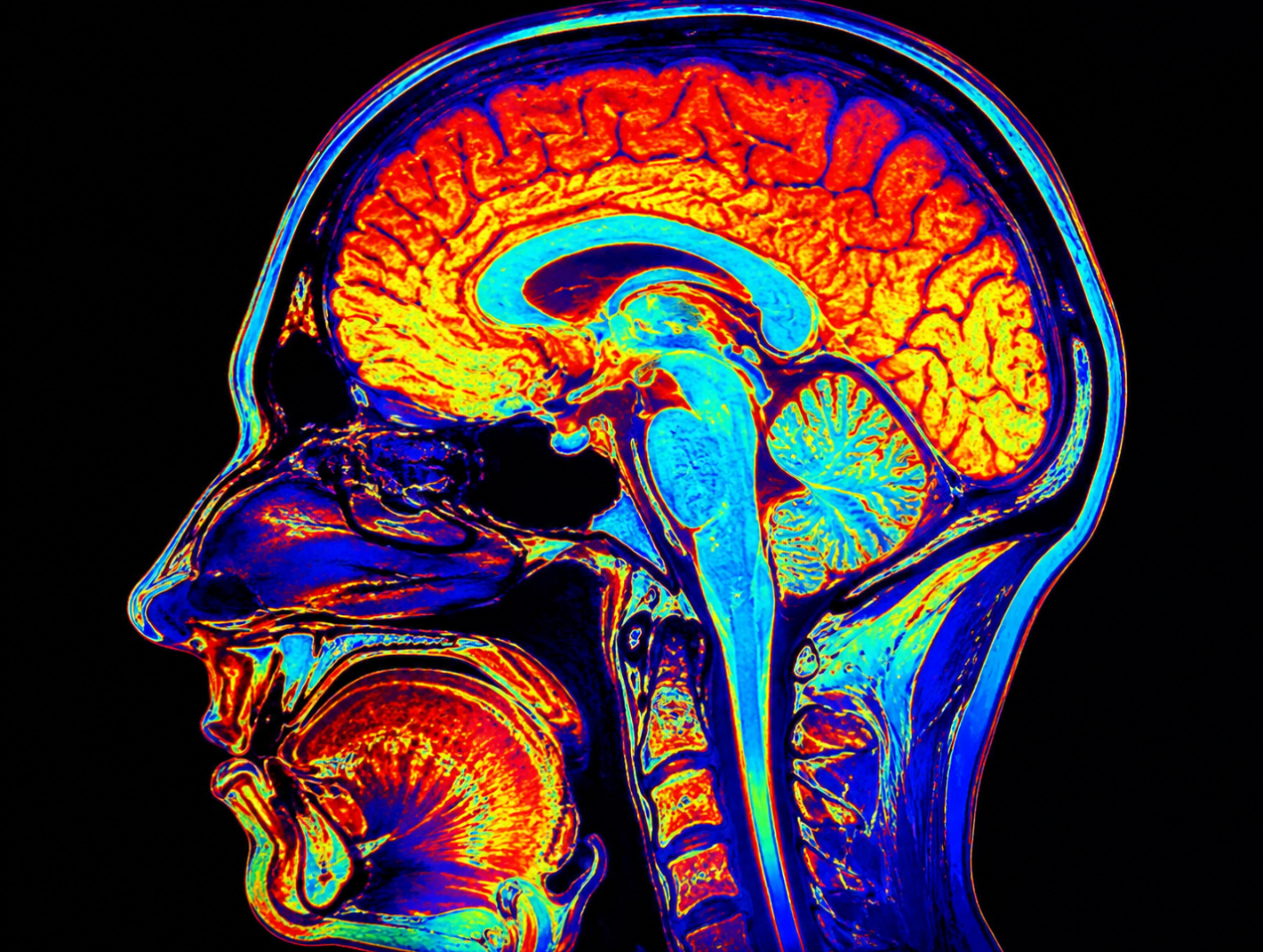
In Chiari malformation, the lower part of the cerebellum may push toward or through the foramen magnum, the opening where the spinal cord passes from the skull into the spinal canal. When this space becomes crowded, it may affect the brainstem, spinal cord, and the movement of cerebrospinal fluid.
Simple Explanation
Chiari malformation means part of the lower brain sits too low or is crowded near the opening at the base of the skull. This can place pressure on nearby structures and interfere with the normal flow of fluid around the brain and spinal cord.
Why the Foramen Magnum Matters
The foramen magnum is a small but extremely important opening at the bottom of the skull. It is the passageway where the brainstem connects with the spinal cord. Cerebrospinal fluid also moves through this region as it circulates around the brain and spinal cord.
When the cerebellum or other hindbrain structures are pushed downward, this area can become crowded. That crowding may block cerebrospinal fluid flow, irritate the brainstem, or place pressure on the upper spinal cord. This is why Chiari symptoms can involve the head, neck, balance, swallowing, breathing, arms, legs, and sleep.
Cerebellum
Helps control balance, coordination, posture, movement, and some aspects of attention and language.
Brainstem
Helps regulate automatic functions such as breathing, heart rate, swallowing, and sleep-wake processes.
Cerebrospinal Fluid
Cushions, nourishes, and protects the brain and spinal cord. Blocked flow can contribute to symptoms.
What Causes Chiari Malformation?
Chiari malformation is most often congenital, meaning it is present from birth. In many cases, the back part of the skull, known as the posterior fossa, is smaller than usual. If this space is too small for the cerebellum, the tissue may be crowded downward toward the foramen magnum.
Researchers do not fully understand why this happens in every case. Some families have more than one affected person, which suggests that genetics may play a role. Chiari malformation can also be associated with other developmental or connective tissue conditions.
Less commonly, Chiari malformation can develop later in life. This is called acquired Chiari malformation. It may happen when another condition changes pressure or takes up space inside the skull or spinal canal.
The Role of Cerebrospinal Fluid
Cerebrospinal fluid, often shortened to CSF, is a clear fluid that surrounds the brain and spinal cord. It cushions delicate nervous tissue, carries nutrients, removes waste, and helps maintain pressure balance inside the skull and spine.
In Chiari malformation, crowded anatomy near the foramen magnum can interfere with CSF flow. When this happens, symptoms may worsen with actions that briefly increase pressure, such as coughing, sneezing, straining, laughing, bending over, or lifting.
Practical Symptom Clue
A headache at the back of the head or neck that becomes worse with coughing, sneezing, straining, or bending forward is one of the classic symptom patterns doctors may ask about when evaluating Chiari malformation.
Main Types of Chiari Malformation
Doctors classify Chiari malformation by structure and severity. Imaging tests, especially MRI, help show which brain structures are involved and how far they extend downward. The type of Chiari malformation often affects when it is diagnosed, what symptoms are expected, and what treatment may be needed.
Chiari Malformation Type I
Type I is the most common form. It may not cause symptoms for many years, which is why some people do not learn they have it until adolescence or adulthood. It is often found when an MRI is ordered for headaches, neck pain, dizziness, numbness, or another neurological complaint.
In type I, the cerebellar tonsils, which are the lower parts of the cerebellum, extend downward toward or through the foramen magnum. Symptoms may be mild, severe, occasional, or progressive. Treatment depends on whether symptoms are present and whether imaging shows pressure or disrupted CSF flow.
Type I symptoms may include
✓ Occipital headaches at the back of the head.
✓ Neck pain or pressure.
✓ Dizziness or balance problems.
✓ Numbness or tingling in arms or legs.
✓ Trouble swallowing.
✓ Ringing in the ears or hearing changes.
✓ Blurred or double vision.
✓ Sleep apnea or poor sleep.
Chiari Malformation Type II
Type II is more complex than type I and is often associated with myelomeningocele, a form of spina bifida in which the spinal cord and backbone do not close completely before birth. This type is sometimes called Arnold-Chiari malformation.
In type II, both the cerebellum and brainstem may be pushed downward. People with this type may also have hydrocephalus, which means excess cerebrospinal fluid builds up in the brain. Because type II is usually identified early, treatment planning often begins during pregnancy or soon after birth.
Type II Care Note
Type II Chiari malformation is often managed by a team that may include neurosurgeons, neurologists, pediatric specialists, rehabilitation therapists, and spina bifida care providers.
Symptoms of Chiari Malformation
Symptoms vary depending on the type, age, severity, anatomy, and whether the brainstem or spinal cord is compressed. Some people have no symptoms at all. Others may have symptoms that come and go, slowly worsen, or become more noticeable during physical strain.
The most common symptom in type I is headache, especially pain at the back of the head and upper neck. This headache may feel worse after coughing, sneezing, laughing, lifting, straining, or bending over.
When Symptoms May Feel Worse
Many people with symptomatic Chiari malformation notice that symptoms are not the same every day. Headaches and pressure may feel worse with coughing, sneezing, lifting, bending, or straining. Fatigue, poor sleep, stress, dehydration, and neck strain may also make symptoms harder to manage.
This does not mean every flare is dangerous. However, a clear increase in neurological symptoms, new weakness, worsening swallowing problems, or breathing changes should be discussed with a doctor.
Symptom Tracking Tip
Keep a short symptom diary. Note headache triggers, sleep quality, neck pain, dizziness, numbness, coughing-related pain, and activities that make symptoms better or worse. This can help your doctor understand your pattern more clearly.
How Chiari Malformation Is Diagnosed
Some forms, especially type II, III, and IV, may be identified during pregnancy through ultrasound and fetal MRI. Type I is often diagnosed later, especially when symptoms appear during childhood, adolescence, or adulthood.
Diagnosis usually starts with a medical history and neurological exam. The doctor may check balance, reflexes, sensation, strength, coordination, swallowing, sleep symptoms, and the pattern of headaches. Imaging is then used to confirm the anatomy.
What the doctor may evaluate
| Headache pattern | Location, triggers, cough-related worsening, frequency, and severity. |
| Balance and coordination | Walking, posture, dizziness, and cerebellar function. |
| Nerve function | Reflexes, strength, sensation, numbness, tingling, and temperature perception. |
| Swallowing and breathing | Swallowing difficulty, sleep apnea, gag reflex, and breathing symptoms. |
| Imaging findings | MRI or other imaging to confirm Chiari anatomy and related complications. |
Imaging Tests Used for Diagnosis
MRI is the most commonly used test for diagnosing Chiari malformation. It can show how far the cerebellar tissue extends, whether there is crowding near the foramen magnum, whether the spinal cord is affected, and whether fluid-filled cavities such as syringomyelia are present.
A cine MRI may be used in some cases to evaluate how cerebrospinal fluid moves in real time. CT scans, X-rays, or myelography may be used when doctors need more information about bone structure or when MRI is not possible.
Treatment Options for Chiari Malformation
Treatment depends on symptoms, type, imaging findings, and whether the condition is causing progressive neurological problems. A person with no symptoms may not need active treatment. Instead, doctors may recommend monitoring and follow-up imaging if needed.
If symptoms are mild, treatment may focus on pain relief, neck support, sleep evaluation, physical activity adjustments, and management of associated problems. If symptoms are persistent, disabling, or linked with pressure on the brain or spinal cord, surgery may be considered.
Chiari Malformation Surgery
Surgery may be recommended when Chiari malformation causes significant symptoms, progressive neurological problems, syringomyelia, or blocked cerebrospinal fluid flow. The most common surgery is posterior fossa decompression.
In posterior fossa decompression, a neurosurgeon removes a small section of bone from the lower skull and sometimes part of the upper cervical spine. The goal is to create more space around the cerebellum and brainstem. In some cases, the surgeon also opens and expands the dura, the protective membrane around the brain and spinal cord.
Surgery goals
| Relieve pressure | Reduce compression on the cerebellum, brainstem, and spinal cord. |
| Improve CSF flow | Help cerebrospinal fluid move more normally between the brain and spine. |
| Prevent progression | Reduce the risk of worsening neurological damage. |
| Improve symptoms | May reduce headaches, neck pain, numbness, balance problems, or related symptoms in selected patients. |
Other Procedures That May Be Used
Not every Chiari case is treated the same way. The right procedure depends on anatomy, CSF flow, hydrocephalus, spinal cord findings, and the neurosurgeon’s assessment. Some people may need a shunt for hydrocephalus, while others may need decompression, laminectomy, or treatment for tethered cord or other associated conditions.
Before Considering Surgery
Ask your neurosurgeon what symptoms are most likely related to Chiari malformation, whether CSF flow is blocked, whether syringomyelia is present, what the surgery is expected to improve, what risks are involved, and what recovery may look like.
Possible Complications and Associated Conditions
Chiari malformation may occur with other neurological or spinal conditions. These associated problems can affect symptoms and treatment decisions. For example, hydrocephalus involves too much cerebrospinal fluid in the brain, while syringomyelia involves a fluid-filled cavity inside the spinal cord.
Living With Chiari Malformation
Living with Chiari malformation can require patience. Symptoms may fluctuate. Some days may feel manageable, while others may bring headaches, fatigue, dizziness, or neck discomfort. It can be helpful to build routines that support sleep, hydration, gentle activity, and symptom awareness.
People with symptomatic Chiari malformation often benefit from pacing themselves. This does not mean avoiding life; it means learning which activities trigger symptoms and planning around them. Support from family, friends, healthcare providers, and patient communities can make the condition feel less isolating.
Daily support checklist
✓ Track headache triggers and symptom patterns.
✓ Stay hydrated throughout the day.
✓ Prioritize consistent sleep routines.
✓ Use a supportive pillow if neck pain disrupts sleep.
✓ Choose low-impact exercise when approved by your doctor.
✓ Avoid activities that reliably worsen symptoms.
✓ Ask for help during flare days.
✓ Keep follow-up appointments with specialists.
Exercise, Sleep, and Lifestyle Support
Lifestyle habits do not correct the anatomy of Chiari malformation, but they can support the body and may reduce symptom burden. Low-impact exercise such as walking, gentle stretching, tai chi, or carefully selected yoga may be helpful for some people, but high-impact activities should be discussed with a neurologist or neurosurgeon.
Sleep is another major part of daily management. Some people with Chiari malformation experience insomnia, headaches that interfere with sleep, or sleep apnea. If sleep is poor or breathing pauses are suspected, medical evaluation is important.
Gentle Movement
Walking, tai chi, or low-impact routines may support balance, strength, and stress control when approved by your clinician.
Sleep Routine
A regular sleep schedule, quiet room, and supportive pillow may help reduce fatigue and neck discomfort.
Nutrition and Hydration
Balanced meals and steady hydration may help with energy, headaches, and overall resilience.
What to Avoid or Discuss With Your Doctor
Because Chiari malformation affects the area where the brain and spinal cord meet, it is wise to be careful with activities that strongly strain the neck or increase pressure. What one person can safely do may not be appropriate for another, so individualized medical advice matters.
Seek Medical Care Promptly If You Notice:
New or worsening weakness.
Trouble swallowing or choking episodes.
Breathing pauses, severe sleep apnea symptoms, or altered breathing.
Severe headache that is different from your usual pattern.
New balance problems, falls, or trouble walking.
Sudden vision changes or double vision.
Numbness, tingling, or loss of pain and temperature sensation that worsens.
Emotional and Social Impact
Chiari malformation can be emotionally difficult, especially when symptoms are invisible to others. Headaches, dizziness, fatigue, sleep problems, and neurological symptoms may interfere with work, school, parenting, exercise, and social plans. Some people feel frustrated when symptoms fluctuate or when others do not understand the condition.
Support groups can be helpful because they connect people facing similar challenges. A therapist or counselor may also help if chronic symptoms lead to anxiety, depression, isolation, or fear about surgery and long-term health.
Helpful Mindset
Chiari symptoms can be real even when they are not visible. Pacing, rest, medical follow-up, and asking for help are not signs of weakness; they are part of managing a neurological condition responsibly.
Questions to Ask Your Doctor
What type of Chiari malformation do I have?
Are my symptoms likely related to Chiari, or could another condition be involved?
Is there evidence of blocked cerebrospinal fluid flow?
Do I have syringomyelia, hydrocephalus, tethered cord, or spinal curvature?
Do I need a cine MRI or repeat imaging?
Should I see a neurologist, neurosurgeon, sleep specialist, or physical therapist?
What activities should I avoid or modify?
What symptoms would make surgery more urgent?
What are the risks and expected benefits of decompression surgery?
How often should I have follow-up exams or imaging?
Frequently Asked Questions About Chiari Malformation
Can Chiari malformation go away on its own?
The structural position of the brain usually does not simply disappear on its own. However, not everyone with Chiari malformation needs treatment. Some people have mild or no symptoms and only need monitoring.
Is Chiari malformation life-threatening?
It depends on the type and severity. Many people with type I live normal lives, especially if symptoms are mild. Severe types, especially type III or IV, can cause serious neurological problems and may be life-threatening in infancy or childhood.
What does a Chiari headache feel like?
A classic Chiari headache is often felt at the back of the head or upper neck and may worsen with coughing, sneezing, straining, laughing, bending, or lifting. Not every headache in someone with Chiari is necessarily caused by Chiari, so medical evaluation is important.
Do all people with Chiari need surgery?
No. Surgery is usually considered when symptoms are significant, progressive, or linked with pressure, blocked CSF flow, or spinal cord complications. People without symptoms may only need observation.
Can Chiari malformation affect sleep?
Yes. Some people experience insomnia, sleep disturbance, or sleep apnea. If there are breathing pauses during sleep, loud snoring, daytime sleepiness, or morning headaches, a sleep evaluation may be helpful.
What is the life expectancy with Chiari malformation?
Life expectancy depends on the type and overall health. Many people with mild or asymptomatic type I Chiari malformation have a normal life expectancy. More severe types can involve serious neurological complications, so the outlook should be discussed with a specialist.
Final Thoughts: Chiari Malformation Care Should Be Personal
Chiari malformation is not the same experience for everyone. Some people have imaging findings but few symptoms. Others deal with headaches, dizziness, numbness, swallowing issues, sleep problems, or neurological changes that affect daily life. The best care plan depends on the type, symptoms, imaging results, and whether the condition is stable or progressing.
A clear diagnosis is the first step. MRI findings, symptom patterns, neurological exams, and related conditions such as syringomyelia or hydrocephalus all help guide treatment. For mild cases, monitoring and symptom management may be enough. For more serious cases, surgery may help relieve pressure and restore fluid flow.
Living with Chiari malformation often means learning your body’s limits, tracking triggers, building good sleep habits, choosing safe activity, and staying connected with a knowledgeable medical team. With the right support, many people manage the condition and continue to live active, meaningful lives.
Final Reminder: Chiari malformation can be mild, severe, silent, or symptomatic. Back-of-head headaches that worsen with coughing or straining, numbness, weakness, swallowing difficulty, sleep apnea, or balance problems should be discussed with a healthcare provider. Treatment may range from monitoring to medication to surgery, depending on symptoms and imaging findings.